
A clear answer about your spouse’s drinking comes from watching patterns, checking for withdrawal risk, and getting a medical assessment, not from deciding whether they “are an alcoholic.” At Midwest Recovery Center in Toledo, OH, we pair medical detox with evidence-based therapies, so a spouse who drinks can stop with medical support and move into treatment along one connected path. The steps below show you how to get there without trying to become your spouse’s doctor, and many plans, including Aetna, Blue Cross Blue Shield, UnitedHealthcare, and Ohio Medicaid, are in-network.
This guide is written for you, the partner, not for the person drinking. It has seven steps. You will spot the behavior signs, notice physical changes, consider how serious things may be, and check whether stopping could be dangerous. Then you will plan the conversation, prepare for a refusal, and find a Toledo-area assessment. You can read it straight through tonight or come back to one step at a time.
What You Need Before You Start: Prerequisites for a Worried Spouse
You need three things before you begin: the mindset of an observer rather than a judge, a few dated notes about what you have seen, and your spouse’s insurance card and basic details. With those ready, each step below may feel more manageable.
Start with where this guide ends. By the last step, you should have a clearer sense of how serious your spouse’s drinking may be. You should know which withdrawal signs make quitting alone risky, have a plan for one calm conversation, and have a concrete next step in Toledo, OH. You will not have a diagnosis. Your job is to notice what is happening and open the door to help. Figuring out what is behind it is a clinician’s job.
Next, start a notes page. Use your phone or a notebook you keep somewhere private. Each entry needs a date, what you saw, and what it affected. For example: “Saturday, missed the school recital, said he was working late, smelled of alcohol when he got home.” Short, factual entries like this do three jobs. They help you see whether you are looking at a pattern or one rough week. They give you specific words for the conversation in Step 5, so you are not stuck saying “you always drink too much.” They also give a doctor or admissions team real detail on the first call.
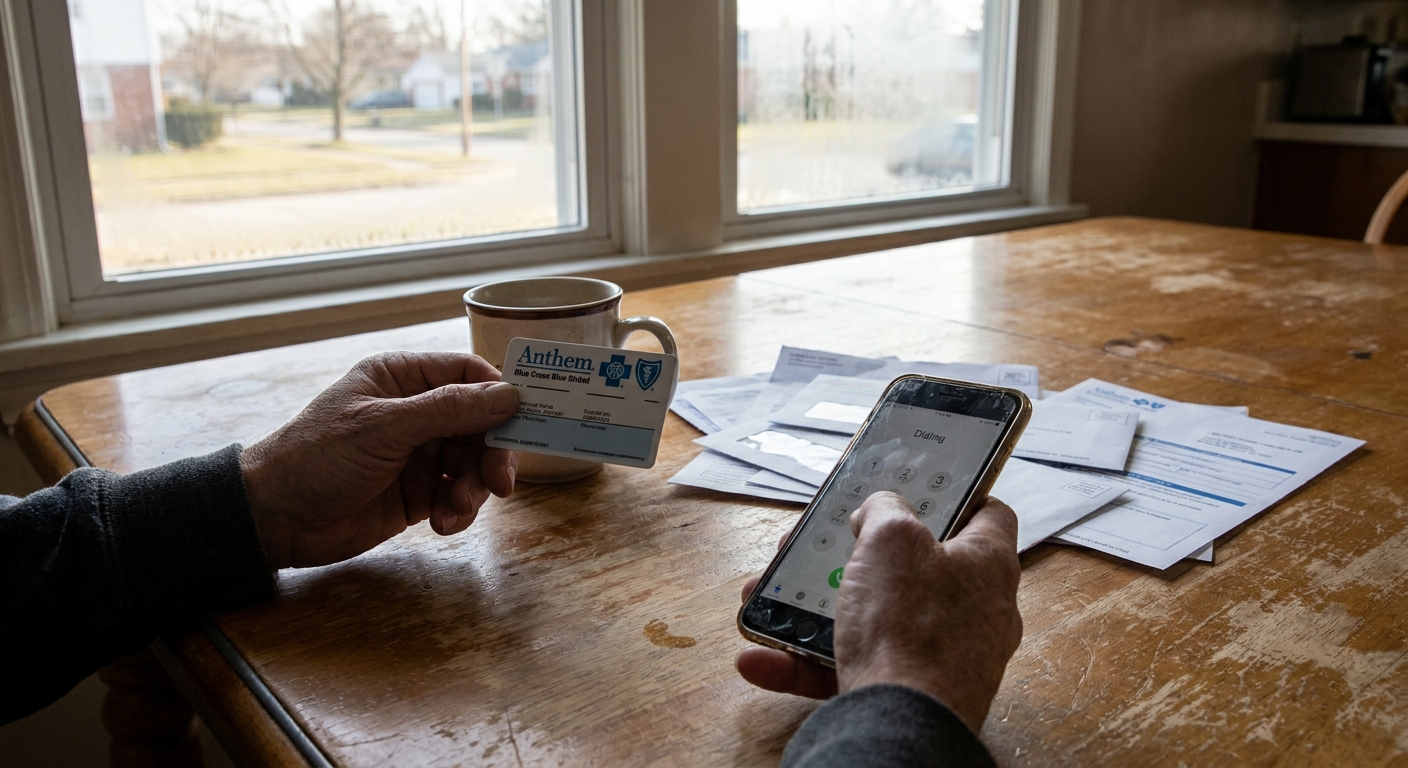
Finally, gather the practical pieces. You will want the insurance card (front and back), your spouse’s date of birth, any medications they take, and any past attempts to quit or past treatment. You may not need all of it, but having it ready removes one more barrier at a hard moment.
One more point belongs here: wondering about this is not overreacting. You live closer to your spouse’s habits than anyone else does, and a person with a substance use disorder often cannot see the pattern as clearly as the people at home can.
Step 1: How to Tell If Someone Has an Unhealthy Relationship with Alcohol? Start with the Warning Signs in a Spouse
Watch for patterns that repeat over weeks or months. Hidden drinking, failed attempts to cut back, missed family duties, and drinking that continues despite clear harm are the main signs. One bad night at a wedding is not a pattern. The same story every weekend may be.
The signs below follow the DSM-5 criteria clinicians use for alcohol use disorder, which NIAAA explains in plain language. Each one is written as a question you can answer from what you have seen at home over the past year:
- Does your spouse hide or downplay their drinking? Bottles turn up in the garage, the car, or a gym bag, or “I only had two” does not match what you saw.
- Do purchases or money stop adding up? You notice liquor store charges, missing cash, or bills paid late with no clear reason.
- Has your spouse tried to cut back and failed? They promised to stop after a bad weekend or set a limit, and within days they were drinking the same way.
- Do they drink more, or for longer, than they planned? “One beer during the game” becomes the whole evening.
- Are they missing work, school events, or family plans? They call off on Mondays, skip a child’s game, or leave you to cover for them.
- Have their moods changed? You see irritability before the first drink, low moods the next day, or anger that seems out of proportion.
- Do they get defensive when drinking comes up? A simple question turns into a fight or a quick change of subject.
- Do they keep drinking despite consequences? Arguments with you, a warning from a doctor, a close call in the car, or trouble at work have not changed the pattern.
- Does it take more alcohol to feel the same effect? This is tolerance. It often shows up as drinking earlier in the day or switching to stronger drinks.
- Have they dropped things they used to enjoy? Hobbies, friends, or time with the kids now come second to drinking.
As you read, count how many you can answer “yes” with a dated note behind it. Patterns matter more than any single item. A spouse who drank too much on New Year’s Eve and felt awful the next day is having a common experience. A spouse who hides bottles, breaks promises to cut back, and keeps drinking after a doctor raised concerns is showing a cluster of signs, and that cluster may deserve a professional look.
Your vantage point matters here. Coworkers may never notice anything, and friends may only see social drinking. You see the kitchen at 2 a.m., the bank statement, and your child’s face when a parent does not show up. Those observations count as real evidence, even when your spouse tells you that you are imagining things.
Step 2: What Physical Signs, Including Liver Damage, Show Alcohol Is Harming My Spouse?
Yellowing of the skin or eyes, a swollen belly, easy bruising, and nausea that keeps coming back can be signs that alcohol is affecting the body, including the liver. Any of them is a reason for a prompt medical visit, not a reason to guess at a diagnosis at home.
Behavior is only half the picture, so watch for these physical changes too. Keep in mind that many of them can have causes other than alcohol:
- Yellowing of the skin or the whites of the eyes, which can be a sign of liver trouble (jaundice)
- A swollen belly, or swelling in the legs, ankles, or feet
- Bruising easily, or bleeding longer than expected from small cuts
- Nausea that keeps coming back, especially in the morning
- A flushed or red face, or small red spidery marks on the skin
- Weight loss or weight gain without a clear reason
- Shaky hands, especially before the first drink of the day
- Poor sleep, waking often at night, or sleeping through the day
- Frequent stomach pain, heartburn, or loss of appetite
None of these signs proves liver disease or any other condition. Only a clinician can diagnose liver damage, usually through an exam, blood tests, and sometimes imaging. What these signs may tell you is that your spouse’s body could be under strain and that a visit to their primary care doctor should happen soon. If your spouse resists the word “rehab,” a regular checkup is often an easier first request, and it gives a doctor the chance to ask about drinking directly.
Some physical signs call for faster action. Vomiting blood, black or tarry stools, severe belly pain, or sudden confusion need emergency care or a call to 911. Do not wait for the next available appointment, and do not let fear of an awkward scene keep you from getting help.
The physical picture also shapes treatment planning. Midwest Recovery Center offers medical detox, and when the body is already showing strain from alcohol, stopping with medical support is worth asking about. Bring your notes about physical changes to any doctor visit or first call, because that detail can help clinicians decide what level of care may be appropriate.
Step 3: How Do I Know When Drinking Has Crossed Into Needing Rehab?
When drinking continues despite harm, feels hard to control, or causes withdrawal symptoms, a professional assessment is the next step. That assessment, not you and not your spouse, decides whether treatment should mean outpatient care, a structured program, or medical detox first.
The line between heavy drinking and needing treatment comes down mostly to control and consequences. Someone who drinks a lot but can cut back when they choose, and does, is in a different place from someone who keeps trying and struggling. Using the same NIAAA framework from Step 1, clinicians generally describe two to three DSM-5 symptoms as mild alcohol use disorder, four to five as moderate, and six or more as severe. You cannot make that call yourself, but your count from Step 1 can still help you think about how soon to act.
If you found only one or two signs, a calm conversation and a medical or clinical assessment soon is a reasonable path, and a primary care doctor is a good starting point. If you found several signs, have watched repeated attempts to cut back that did not hold, or have seen any withdrawal symptom described in Step 4, the picture may point toward a structured level of care, and the assessment should not wait. Any withdrawal sign changes the order of things: safety during stopping comes before everything else.
For example, consider a spouse who drinks every night, has promised three times to quit, and gets shaky by mid-morning. Talking alone is likely not enough in that situation. A medical assessment that considers detox is the appropriate next step. A spouse who drinks heavily on weekends but has no withdrawal signs may start with an outpatient assessment instead. Both deserve a professional opinion.
Which Level of Care Fits Which Stage
Midwest Recovery Center offers six levels of care, and each one is designed for a different stage. Medical detox is the starting point when withdrawal is a risk. It manages the physical process of stopping alcohol in a medical setting instead of at home. Detox is the first step of treatment, not the whole of it. Residential care means living on site with a full daily structure. It is often considered for a severe pattern, a home where drinking is hard to avoid, or a history of outpatient attempts that did not hold.
Partial hospitalization (PHP) provides treatment for most of the day while your spouse sleeps at home. Intensive outpatient (IOP) offers several sessions a week, which can allow some people to keep working. Outpatient care has fewer sessions and can serve as a step down from more intensive care or as an option for milder patterns. Medication-assisted treatment (MAT) pairs medication with therapy, and a clinician decides whether it fits.
People often move between these levels as they progress, for example from detox to residential to IOP. Because Midwest Recovery Center combines medical detox with evidence-based therapies, your spouse can move from withdrawal into the next level without starting over somewhere new. Placement comes from the assessment, not from what anyone in the family hopes or fears.
Step 4: What Withdrawal Symptoms Mean a Spouse Should Not Quit Cold Turkey?
If your spouse drinks heavily every day and gets shaky, sweaty, anxious, or nauseated without alcohol, they should not quit suddenly on their own. They need to talk with a medical professional before stopping, because severe alcohol withdrawal can cause seizures and dangerous confusion.
These are the signs that stopping should happen with medical guidance, drawn from the withdrawal symptoms MedlinePlus and NIAAA describe:
- Shaky hands (tremors), often in the morning or hours after the last drink
- Heavy sweating
- Nausea or vomiting
- A racing or pounding heart
- Severe anxiety, restlessness, or irritability
- Trouble falling or staying asleep
- Confusion, or not knowing where they are
- Seeing, hearing, or feeling things that are not there (hallucinations)
- Seizures
- A past history of withdrawal symptoms or withdrawal seizures
A clinical review published by the National Library of Medicine describes alcohol withdrawal as a potentially serious complication that can include seizures and delirium tremens, a severe state of confusion. This is why a spouse who drinks heavily every day should not treat quitting as a test of willpower. If you see seizures, hallucinations, confusion, or chest pain, call 911 right away.
This step can feel backward. When your spouse finally says, “I’m done, starting tomorrow,” your first instinct may be to cheer. If they drink heavily every day, the safer response is to support the decision and ask them to talk with a doctor or a medical detox program before they stop. Do not make sudden quitting a condition of staying in the house, and do not push them to “prove it” by stopping cold.
Medical detox at Midwest Recovery Center is built for this moment. Withdrawal happens in a medical setting rather than alone at home, and your spouse can then move into evidence-based therapies along the same path. No one can promise how withdrawal will go for any one person, but a medical setting means your spouse is not facing it alone, and you are not left watching for warning signs by yourself.
Step 5: How Do I Talk to My Spouse About Their Drinking Without Making Them Defensive?
Choose a calm, sober moment, lead with care and one specific thing you saw, and offer a single concrete next step, such as a medical assessment. Keep it short, listen more than you speak, and plan a follow-up instead of trying to settle everything in one talk.
Once you know what you are seeing, the conversation becomes the bridge to help. These steps follow widely shared family communication practices:
- Choose a calm, sober moment. Pick a time when your spouse has not been drinking and is not hungover, rushed, or in front of the kids. A weekday morning or a quiet walk often works better than late at night.
- Open with care and one observed behavior. Use “I” statements: “I love you, and I noticed you missed Sam’s game Saturday.” One clear example from your notes can carry more weight than ten accusations.
- Name the effect on you and the family. Say how it lands: “I felt alone explaining it to Sam, and I’ve been scared.” Describe feelings, not character.
- Offer one concrete next step. Ask for something specific and small, such as a doctor visit or an assessment. A vague “get help” is easy to brush off.
- Listen. Let your spouse respond, even if the response is denial or anger. Reflect back what you hear: “It sounds like you feel judged.” Labeling their feeling out loud can sometimes lower the temperature.
- Agree on a follow-up. End with a time to talk again or a date for the appointment. If the talk goes badly, the follow-up gives you a second chance without a fight.
A short example script might sound like this: “I want to talk because I care about you and about us. Over the last month I’ve noticed you drinking earlier, and on Saturday you missed Sam’s game. I’ve been worried and I haven’t been sleeping. I’m not asking you to fix everything today. I’m asking if you’ll see a doctor with me this week, just to get a professional opinion. Can we talk about it again Thursday?”
What to Avoid Saying to a Spouse Who Is Drinking Too Much
Some words commonly raise defenses. Try to steer clear of:
- Labels such as “alcoholic” or “drunk,” which shift the talk from behavior to identity
- Ultimatums you will not keep, because a threat you do not follow through on teaches your spouse that your words do not hold
- Shaming, such as “What kind of parent does this?”
- Bargaining, such as “If you only drink on weekends, I’ll drop it”
- Talking while they are drinking, when the conversation is unlikely to be remembered or taken seriously
- Blaming, whether you blame your spouse for everything or blame yourself for their drinking
You may slip on some of these, as many people do under stress. If you do, name it and reset: “I said that out of fear, and I’m sorry. What I mean is I’m worried about you.”
Step 6: What Can I Do If My Spouse Refuses Help?
If your spouse refuses help, you can still protect yourself, your children, and your finances, set boundaries you are able to keep, and get free, confidential guidance for yourself. A first refusal does not have to be the final answer.
You may be afraid that your spouse will say no, or will agree and then leave treatment early. That fear makes sense, and it is common. Drinking rarely stays inside one person. In a marriage, it can show up as broken trust, money that disappears, a parent who is unreliable for the kids, and nights when you feel unsafe on the road or at home. Naming these effects honestly, in your notes and to yourself, helps you decide which boundaries matter most. A boundary is about what you will do, not about controlling your spouse. Examples include: “I won’t ride in the car if you’ve been drinking.” “I won’t call your boss to cover for you.” “I won’t buy alcohol for the house.” Choose only boundaries you are ready to keep.
Protect the people and resources that depend on you. Keep children out of the car with a spouse who has been drinking, and tell kids, in words that fit their age, that the drinking is not their fault. If money is going missing, consider keeping funds for rent, utilities, and groceries in a separate account, and keep an eye on shared credit as well. A financial or legal professional can help if the situation is complicated. Keep important documents and a little cash where you can reach them.
You also deserve support of your own. Ask professionals about intervention guidance before you plan any group confrontation. Some family-focused approaches, such as Community Reinforcement and Family Training (CRAFT), teach spouses how to encourage treatment without ultimatums. For free, confidential guidance and referrals, the SAMHSA National Helpline is open 24 hours a day, every day of the year.
Know your emergency lines. Call 911 if anyone is in danger, if there is violence or a threat of violence, if your spouse cannot be woken, or if you see seizures, hallucinations, confusion, or chest pain. Call or text 988, the 988 Suicide and Crisis Lifeline, if your spouse or you are having thoughts of suicide or are in a mental health crisis.
Step 7: How Do I Get a Toledo, OH Assessment and Start Treatment?
Call Midwest Recovery Center in Toledo, OH at 833-657-0858 and ask about an assessment and medical detox for your spouse. Midwest Recovery Center serves families in Toledo, Maumee, and Lucas County, and a team member can explain the next steps on the call.
Have your notes and the insurance card in front of you when you call. Any assessment will need the basics: how much and how often your spouse drinks, when they last had a drink, whether they have had withdrawal symptoms before, current medications, and other health conditions. You may be calling on your spouse’s behalf, and that is a common way for treatment to begin. A team member can explain how assessment and admission work and what may come next. You do not need every answer before you dial.
Insurance often shapes how quickly families act, so here it is in plain terms. Midwest Recovery Center is in-network with Aetna (commercial and Medicaid plans), Blue Cross Blue Shield (commercial and Medicaid plans), UnitedHealthcare (commercial, exchange, and Medicaid plans), Cigna, Curative Health, Frontpath, Medical Cost Containment, Multiplan, TRICARE, and Ohio Medicaid. CareSource and Molina (commercial and Medicaid plans) are accepted but are not in-network. Medicare is not accepted. Benefits vary by plan, so verification on the call is the way to know your spouse’s specifics. Under the federal parity law described by CMS, health plans that offer substance use disorder benefits generally cannot limit them more strictly than medical benefits.
Drinking is often tangled with anxiety, depression, or trauma, and addressing only one of these can leave important needs unmet. Midwest Recovery Center offers Dual Diagnosis and Mental Health Treatment for people with co-occurring conditions. These programs use Cognitive Behavioral Therapy (CBT), which helps people spot the thoughts and triggers behind drinking, and Dialectical Behavioral Therapy (DBT), which builds skills for handling intense emotions without alcohol. If you want to compare what you have seen at home with more detail, Midwest Recovery Center’s guide to how the signs of alcoholism show up and progress goes further.
What to Expect After You Take These Steps
You should come away with a clearer read on how serious things may be, an understanding of which withdrawal signs mean stopping needs medical support, a plan for the conversation, and a place to call in Toledo, OH. No one can promise how your spouse will respond or how recovery will go.
Expect uneven progress. Your spouse may agree to an assessment on the first try, or only after several conversations. Treatment may help some people with alcohol use disorder reduce or stop drinking, and each person’s experience differs, and setbacks can happen along the way. A setback is a reason to go back to a professional, not proof that trying was pointless.
Your own wellbeing matters in this too. Months of watching, covering, and worrying wear people down. Sleep, support, and your own boundaries are not selfish; they are what let you keep showing up for your family. If you notice your own anxiety or low mood building, it is reasonable to ask for help for yourself, whatever your spouse decides.
Midwest Recovery Center’s stated mission is to deliver a high-quality, end-to-end healthcare experience that is affordable and accessible to everyone seeking treatment, with a vision of helping anyone, anywhere through comprehensive behavioral health services. For a spouse in Toledo, that means the path from a first call to medical detox to ongoing addiction treatment can stay connected rather than scattered.
Questions Spouses Ask Before They Make the Call
Here are short, direct answers to six common questions, each tied back to the step that covers it in depth.
How can I tell if someone has an unhealthy relationship with alcohol?
Look for repeated patterns such as hiding drinking, failed attempts to cut back, missed responsibilities, and drinking that continues despite harm. Then seek a professional assessment instead of trying to diagnose it yourself (Steps 1 and 3).
Is it dangerous for my spouse to stop drinking suddenly?
It can be for someone who drinks heavily every day, because withdrawal can cause seizures or confusion. A medical professional should guide the process of stopping (Step 4).
What if my spouse says they do not have a problem?
Stay calm, repeat specific observations without labels, set boundaries you can keep, and use the free, confidential SAMHSA National Helpline for guidance (Steps 5 and 6).
Does Midwest Recovery Center offer medical detox in Toledo, OH?
Yes. Medical detox is a confirmed service, and a team member can explain next steps and the assessment process on the first call.
Does insurance cover alcohol treatment at Midwest Recovery Center?
Many commercial and Medicaid plans are in-network, including Aetna, Blue Cross Blue Shield, UnitedHealthcare, and Ohio Medicaid. CareSource and Molina are accepted but are not in-network, and Medicare is not accepted. Benefits depend on the specific plan, so verify them on the call.
When should I call 911 instead of waiting for an assessment?
Call 911 for seizures, hallucinations, confusion, chest pain, or any danger to someone’s safety. Call or text 988 for a mental health or suicide crisis.
Your Next Step Can Be One Phone Call
Learning how to tell if someone has an unhealthy relationship with alcohol is only useful if it leads somewhere safe. Call Midwest Recovery Center in Toledo, OH at 833-657-0858 to ask about an assessment and medical detox for your spouse, with your insurance card and a few written notes about what you have noticed in hand. If you would like free, confidential guidance first, call the SAMHSA National Helpline.
Before you call, write down two things: the date and time of your spouse’s last drink, and roughly how much they drink on a typical day. Of everything in your notes, those two details can help a clinician quickly consider whether withdrawal risk makes medical detox the safer place to start. You do not need to have everything figured out. You only need to make the call.
You Don’t Have to Sort This Out Alone
If you’ve read this far, you may be carrying worry about your spouse’s drinking and wondering whether it’s your place to say anything or whether you’re overreacting. Noticing the signs is not a betrayal, and asking questions is a loving step, not an accusation. The team at Midwest Recovery Center in Toledo, OH can talk with you about what you’re seeing, explain how medical detox works, and help you think through what comes next, so reach out by phone when you’re ready.
Individual experiences with treatment and recovery vary, and this article is general education, not medical advice. If someone is in immediate danger, call 911.