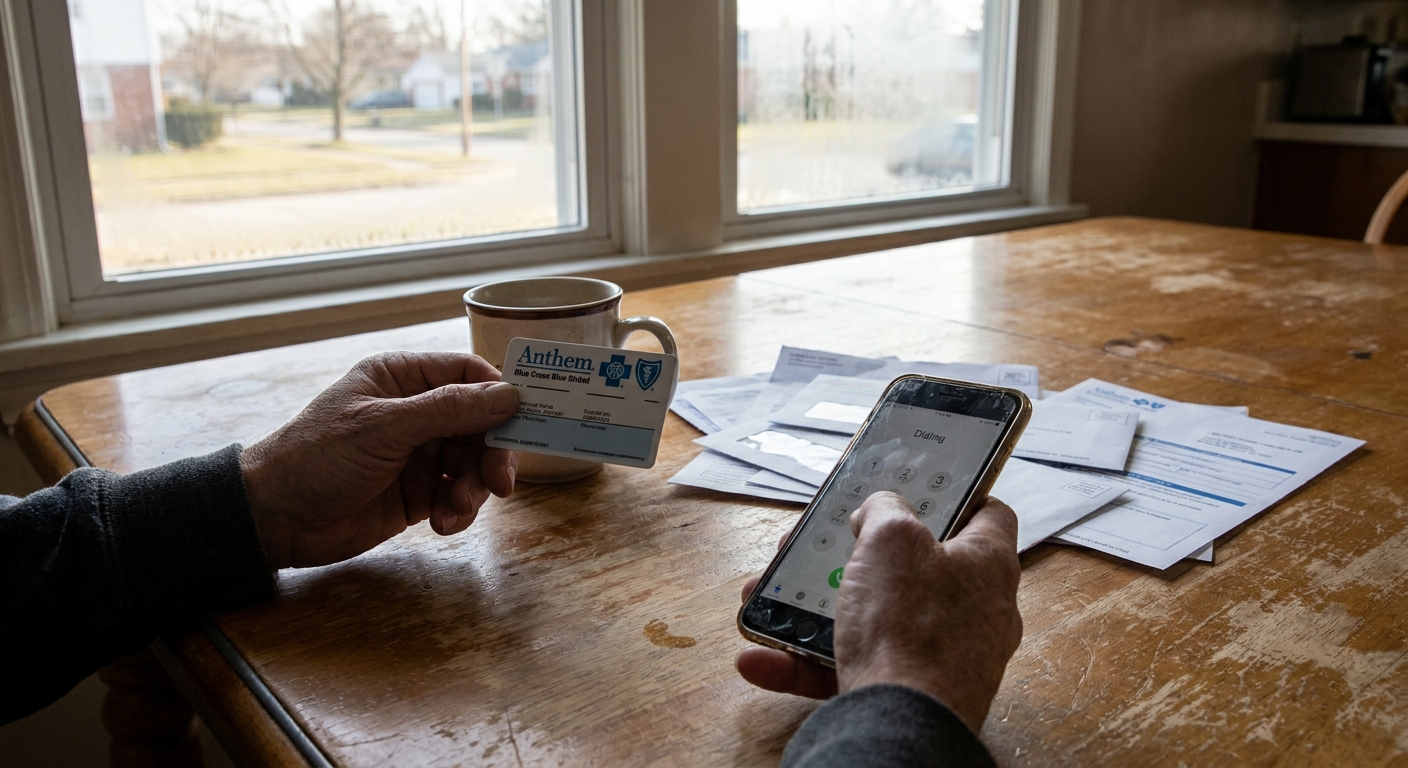

Your dad is 68. He takes five prescriptions and drinks every night, and you are afraid that stopping could hurt him as much as continuing. Here is the plain answer: medical detox can be a safer option for an older adult than stopping alone, because trained medical professionals are present during withdrawal. That is the honest answer to a question many families end up searching late at night: is medical detox safe for older adults? It is generally considered the safer path, but it is never risk-free, and the details matter more after 60 than at any other age.
You may feel stuck between two fears. If he keeps drinking, his health may keep slipping. If he stops on his own, withdrawal could put him in the hospital. Both fears make sense, and you are not wrong to hold them at the same time. Medical detox exists to address that tension, so a person can stop while trained medical professionals watch over them. You may also be wondering whether insurance will help. Midwest Recovery Center in Toledo accepts Medicaid and works with many commercial plans, including Aetna, Blue Cross Blue Shield, Cigna, and UnitedHealthcare, and the coverage details are below. This guide explains why age changes withdrawal, which substances carry the most risk, what medical detox generally involves, and how families in Toledo can take a gentle first step.
1. Is Medical Detox Safe for Older Adults Over 60?
For many adults over 60, medical detox with age-appropriate monitoring is generally considered safer than stopping alone, though no detox is free of risk and every person needs their own medical evaluation first.
“Safer with medical care” means something specific. During withdrawal, the body reacts to losing a substance it has adapted to. Heart rate can climb, blood pressure can spike, and sleep can disappear for days. In some cases, the brain becomes overexcited enough to cause seizures or severe confusion. In a medical detox setting, the care team watches for these changes as they happen and can respond early, which may help keep a manageable symptom from becoming an emergency. At home, those same changes often go unnoticed until something goes wrong. SAMHSA’s TIP 45 on detoxification describes withdrawal from alcohol and sedatives as potentially serious and recommends medical management rather than going it alone.
Consider a composite scenario. It is built from situations families commonly describe and is not about any real person. A woman in her early 70s in Toledo has taken a sleep medication her doctor prescribed years ago, and she has a few glasses of wine every evening. After a fall, she decides to quit both at once. By the second day, she is shaky and sweating, and she cannot sleep. Her son finds her confused about what day it is. He calls her doctor, who tells him to get her a medical evaluation right away. Her decision to stop was a good one. The way she tried to stop was the danger.
Midwest Recovery Center offers medical detox in Toledo, OH, and pairs it with evidence-based therapies, so your loved one can move from withdrawal into continued addiction treatment without starting over somewhere new. This page cannot tell you what is safe for your parent or spouse. Their doctor or a medical detox team can, after a real evaluation, so make that call before anyone stops.
2. Why Does Age Change How the Body Handles Alcohol and Withdrawal?
Age changes the body in ways that can make alcohol hit harder and withdrawal harder to ride out. An older body tends to hold less water, may clear substances more slowly, and often manages at least one chronic condition along with several daily medications.
Start with body water. As people age, they tend to lose muscle and carry less water in their bodies. Alcohol spreads through body water, so the same glass of wine a person drank at 40 can have a stronger effect at 70. Your dad may insist he drinks “the same as always,” and he may be right. His body is simply handling it differently now. The liver also tends to process alcohol and many medications more slowly with age, so sedatives and alcohol can linger and build up. A sleep aid that once wore off by morning may still affect balance at breakfast.
Then there are the conditions many older adults live with. Withdrawal can raise heart rate and blood pressure, which is a real concern for someone with heart disease or high blood pressure. Heavy drinking followed by sudden stopping can throw off eating habits and blood sugar, which matters for a person with diabetes. Memory adds another layer, because withdrawal confusion can look like dementia, and early dementia can hide the signs of withdrawal. Families often cannot tell which is which, and honestly, they should not have to. That is a medical question.
Medication interactions round out the picture. Many people over 60 take blood pressure medicine, blood thinners, pain relievers, sleep aids, or diabetes medications, and alcohol interacts with many of them. During withdrawal, the dose that worked last month may not fit the body’s needs this week. This is why medical detox is its own level of care at Midwest Recovery Center in Toledo: withdrawal happens in a medical setting where medications and vital signs can be watched closely, rather than at a kitchen table with no one checking.
3. Which Substances Carry the Most Withdrawal Risk for Seniors?
Alcohol and benzodiazepines carry among the highest withdrawal risks for older adults, because stopping either one suddenly can lead to seizures and dangerous confusion. Opioid withdrawal is rarely life-threatening on its own, but in an older body the vomiting, diarrhea, and strain on the heart can become serious.
| Substance | Main withdrawal risks for older adults | When symptoms often start | Why medical care matters |
|---|---|---|---|
| Alcohol | Shaking, sweating, anxiety, racing heart, high blood pressure, seizures, hallucinations, and severe confusion (delirium tremens) | Often within 6 to 24 hours after the last drink, with the most serious problems usually appearing in the following days | Symptoms can escalate quickly, and an older heart and brain have less room for error. A medical team can watch for warning signs and respond. |
| Benzodiazepines (sleep or anxiety medicines such as alprazolam, lorazepam, or diazepam) | Rebound anxiety, insomnia, tremor, confusion, and seizures; symptoms can last longer than alcohol withdrawal | Within 1 to 2 days for shorter-acting types; several days or more for longer-acting types | Stopping suddenly can be dangerous. A doctor usually plans a slow, gradual reduction rather than an abrupt stop. |
| Opioids (prescription pain medicines, heroin, fentanyl) | Muscle aches, vomiting, diarrhea, sweating, anxiety, and strong cravings; dehydration and heart strain in older adults | Often within 8 to 24 hours for short-acting opioids; later for long-acting ones | Fluids and monitoring can help protect an older body. Medication-assisted treatment (MAT) may help ease symptoms and support recovery, and Midwest Recovery Center offers MAT and Opioid Addiction Treatment. |
Benzodiazepines deserve extra attention, because they are the substance families most often miss. Many older adults were prescribed them for sleep or anxiety, sometimes years ago, and they take them exactly as directed. The body can still become physically dependent. If your mom says, “My doctor gave me these,” she is probably telling the truth, and that is exactly why stopping them needs a doctor’s plan. The risk climbs further when benzodiazepines are combined with alcohol or opioids, since all three can slow breathing and affect balance.
Alcohol is the most common concern families bring to the conversation, and for good reason. Withdrawal from heavy, long-term drinking can move from mild shakiness to a medical emergency over a few days. SAMHSA’s TIP 45 treats alcohol and sedative withdrawal as conditions that call for careful medical management, especially when a person has other health problems.
Opioid withdrawal is often described as feeling like a severe flu. For a younger, healthy adult, that is miserable but usually not dangerous. For a 70-year-old with heart disease, losing fluids for several days is a different matter. There is also a hidden danger: after withdrawal, tolerance drops, so returning to a former dose can lead to overdose. Midwest Recovery Center’s MAT level of care and Opioid Addiction Treatment give older adults a way to address opioid withdrawal and cravings within the same organization that handles their detox.
4. What Are the Dangers of Quitting Cold Turkey at an Older Age?
Quitting suddenly at an older age can trigger seizures, severe confusion, falls, dehydration, and spikes in heart rate and blood pressure. The discomfort also often pushes a person back to drinking or using just to make the symptoms stop.
“Cold turkey” sounds brave, and the wish behind it is a good one. Your loved one wants to be done, and you want them to be done. The problem is that the body does not respond to willpower. When a person has been drinking heavily or taking sedatives for a long time, the brain adjusts to that substance, and pulling it away all at once can make the system swing hard in the other direction. For older adults, these are the dangers families should know:
- Seizures. Alcohol and benzodiazepine withdrawal can cause seizures, sometimes without much warning, even in people who have never had one.
- Delirium and severe confusion. A person may not know where they are, may see or hear things that are not there, or may become agitated. In older adults, this can be mistaken for dementia or a stroke.
- Falls and fractures. Shaking, dizziness, poor sleep, and confusion make falls more likely. For someone over 60, a fall can mean a broken hip or a head injury.
- Dehydration. Sweating, vomiting, and diarrhea drain fluids quickly. Older adults often feel thirst less strongly, so they may not drink enough to keep up.
- Heart and blood pressure spikes. Withdrawal can push heart rate and blood pressure up, which strains a heart that may already be weakened.
- Return to use and overdose. When withdrawal feels unbearable, many people drink or use again to stop it. After even a short break, a former dose can hit harder than expected.
Some signs mean you should call 911 right away rather than wait to see if they pass. Call if your loved one has a seizure, becomes confused or does not recognize people or places, has chest pain, shakes so hard they cannot hold a cup, or sees or hears things that are not there. Trouble breathing or being very hard to wake up also calls for emergency help. You will not be overreacting.
Knowing what not to do matters just as much. Do not let your loved one stop a prescribed benzodiazepine, or any prescribed medication, suddenly without talking to their doctor first. Do not leave them alone while they are going through withdrawal. Do not try to ease symptoms with leftover pills, someone else’s prescription, or “just one drink.” These moves may feel like help in the moment, but they can make the danger worse. The safer move is a medical evaluation and, when it is needed, medical detox.
5. What Does Medical Detox Look Like for Seniors, Step by Step?
Medical detox generally moves through four stages: an intake and medical evaluation, a full review of current medications, a period of monitored withdrawal, and a planned transition into continued treatment. What follows is general information about how medical detox usually works, not a description of any one program’s exact protocols.
First, it helps to clear up a common confusion. Medical detox is not a juice cleanse, a detox tea, or a “flush.” Those products are a different thing entirely, and the National Center for Complementary and Integrative Health notes there is no compelling research showing that detox or cleanse programs remove toxins from the body. Medical detox means managing physical withdrawal from alcohol or drugs under medical care. If you see a product promising to “detox” your parent, that is not what this page is about.
Step one: intake and evaluation. The process usually begins with questions about what your loved one uses, how much, how often, and when they last used. The medical team will also ask about health history, past withdrawal experiences, falls, memory changes, and mental health. For older adults, this stage often takes longer, because there is more history to understand. You can help a lot here. Before admission, gather every pill bottle your loved one takes, including over-the-counter sleep aids, pain relievers, and supplements, and write down the names of their doctors and their pharmacy.
Step two: medication review. Next comes what clinicians call medication reconciliation. In plain terms, someone looks at every medication your loved one takes and decides what continues, what pauses, and what needs adjusting. This step matters more after 60 than at any other age, since one medication can change how another works, and withdrawal can change how the body handles both.
Step three: monitored withdrawal. During withdrawal, the care team checks vital signs such as heart rate, blood pressure, and temperature, along with symptoms like shaking, sweating, sleep, and confusion. Where it is clinically appropriate, withdrawal is managed gradually rather than all at once. The aim is to help keep symptoms from building into something dangerous and to support your loved one’s comfort.
Step four: transition into treatment. Detox ends with a plan for what comes next. At Midwest Recovery Center in Toledo, medical detox connects to residential care, partial hospitalization (PHP), intensive outpatient (IOP), outpatient care, and medication-assisted treatment (MAT). That connection means your loved one does not finish withdrawal and walk out with nowhere to go.
6. How Is Detox Adjusted for Seniors?
Detox for older adults is usually adjusted to move more carefully, with slower tapers where appropriate, closer monitoring, cautious medication handling, and extra attention to falls, hydration, and memory. These are general clinical practices reflected in federal detox guidance, not a statement of any one program’s specific protocols.
Federal guidance such as SAMHSA’s TIP 45 emphasizes that detox should match the person, including their age, their health, and the substances involved. For someone over 60, that usually means a care plan built around a body that may react more strongly and recover more slowly. Here is how detox is commonly adjusted for older adults:
- Gradual tapering where clinically appropriate. Instead of stopping a substance like a benzodiazepine all at once, a doctor may reduce it slowly over time to lower the risk of seizures and rebound symptoms.
- Lower, slower medication dosing. Older adults often need smaller doses of withdrawal medications, adjusted more slowly, because their bodies clear medications at a different pace.
- Closer monitoring. Vital signs and symptoms may be checked more often, since changes in heart rate and blood pressure carry higher stakes.
- Careful medication handling. Every prescription, over-the-counter product, and supplement is reviewed for interactions before anything new is added.
- Fall precautions. Shaking, dizziness, and confusion raise the risk of falls, so care plans often account for safe movement, especially at night.
- Hydration and nutrition. Fluids and regular meals get extra attention, since dehydration and poor nutrition are common after long-term heavy drinking.
- Watching for confusion. The care team looks carefully at whether confusion comes from withdrawal, an infection, a medication, or a memory condition.
- Coordination with the person’s own doctors and pharmacist. A primary care doctor, cardiologist, or pharmacist may hold key information about a senior’s health, so communication with them helps inform the plan.
That last point is the one families most often overlook. Your mom’s primary care doctor may know about a heart rhythm problem that never came up in conversation, and her pharmacist may know she fills a sleep medication from two different prescribers. Bringing those people into the picture, with your loved one’s permission, may help prevent mistakes no one would otherwise catch.
You do not have to manage all of this yourself. Your role is to share what you know, bring the medications, and ask questions, while the medical team’s role is to build the plan. Because Midwest Recovery Center pairs medical detox with evidence-based therapies, these adjustments become part of a larger plan rather than a stand-alone event.
7. What Should Families Look for in a Senior Detox Program?
Look for a program that offers medical detox on-site, monitors vital signs and medication closely, reviews every current prescription, coordinates with your loved one’s own doctors, plans what happens after detox, and explains coverage and admission clearly before you arrive.
You may worry that your parent will feel judged, or that they will refuse the moment the word “treatment” comes up. That worry is common, and it is worth naming when you call. When you reach out to a program, you are allowed to ask direct questions, and a good program will welcome them. These are the questions worth asking:
- Is medical detox offered on-site? You want to know whether withdrawal is managed where your loved one will stay, or whether they will be sent elsewhere first.
- How are vital signs and symptoms monitored? Ask how often checks happen and what the team does if symptoms worsen.
- Will every current prescription be reviewed? This should include sleep aids, pain medicines, blood pressure medicines, and supplements.
- How does the program coordinate with my loved one’s doctors? Ask whether the team will communicate with their primary care doctor or specialists, with proper consent.
- What happens after detox? Detox alone is not enough, so ask what levels of care follow and whether they are offered in the same organization.
- How are older adults treated? Ask how the program supports dignity and respect for an older person who may feel embarrassed or defensive.
- How does admission work, and what coverage is accepted? Get clear answers before you plan the day.
On coverage, transparency matters, so here is the straight answer. Midwest Recovery Center does not accept Medicare. The center is in-network with Aetna, Blue Cross Blue Shield, Cigna, UnitedHealthcare, TRICARE, Curative Health, Frontpath, Medical Cost Containment, and Multiplan. It also accepts CareSource and Molina, and it accepts Medicaid, including Ohio Medicaid plans. Benefits vary from plan to plan, so verify your loved one’s specific plan before admission. If your loved one’s only coverage is Medicare, ask their doctor or their plan about Medicare-covered medical detox options so they are not left waiting. Under the federal Mental Health Parity and Addiction Equity Act, many health plans cannot place tighter limits on substance use disorder benefits than on medical and surgical benefits, but every plan still has its own rules.
Midwest Recovery Center is based in Toledo, OH 43617, and serves families across Toledo, Maumee, and Lucas County. Its stated core values include treating clients and patients with empathy and respect. That matters a great deal when the person you are trying to help is a proud parent who has never asked anyone for help in their life. So when you ask yourself, is medical detox safe for older adults like my mom or dad, part of the answer is finding a team that treats them with dignity from the first phone call.
8. What Happens After Detox for an Older Adult?
Detox is the first step, not the whole treatment. Once withdrawal is managed, many older adults benefit from continued addiction treatment that addresses why the drinking or drug use started, which often includes depression, anxiety, grief, or isolation.
NIDA explains that medically managed withdrawal is only the first stage of treatment, and that effective care is tailored to the person. For an older adult, that tailoring often means looking at what changed in their life. Retirement can take away structure and purpose. The loss of a spouse or close friends can leave long, quiet evenings. Chronic pain, poor sleep, or a new diagnosis can bring fear that alcohol or pills seemed to quiet. If those underlying issues go untreated, the reasons for drinking or using are still there when detox ends.
This is where dual diagnosis care comes in. Midwest Recovery Center offers Dual Diagnosis Treatment and Mental Health Treatment, which address substance use and conditions like depression and anxiety together rather than separately. Treatment can include Cognitive Behavioral Therapy (CBT), which helps a person notice and change the thought patterns that lead to drinking or using, and Dialectical Behavioral Therapy (DBT), which builds skills for handling hard emotions without turning to a substance. For someone whose opioid use began with a pain prescription, MAT and Opioid Addiction Treatment offer another path.
After detox, a person can step down through the levels of care that fit their needs: residential care, partial hospitalization (PHP), intensive outpatient (IOP), and outpatient care, with MAT available where appropriate. Moving through these within one organization can mean fewer handoffs, fewer repeated intake forms, and a care team that already knows your loved one’s history. You can learn more about Midwest Recovery Center’s full range of addiction treatment and how each level fits together. Aftercare should also include coordination with your loved one’s own doctors, so their primary care plan and their recovery plan point in the same direction.
If someone you love is over 60 and drinks heavily or relies on sedatives or opioids, you can start with three small steps this week. Talk with their doctor about a medical evaluation before anyone stops anything. Check their insurance, keeping in mind that Medicare is not accepted, while Medicaid and many commercial plans are. Then call Midwest Recovery Center in Toledo, OH at 833-657-0858 to ask about a medical detox evaluation. Before you call, put every one of their pill bottles in one bag, including the sleep aid in the nightstand and the pain reliever in the kitchen drawer. That single bag can help answer important medical questions in the first conversation, and it can turn a frightening unknown into a plan you can hold in your hands. If you ever see a seizure, confusion, chest pain, or hallucinations, call 911 right away.
Questions About Detox for an Aging Loved One Are Worth Asking
If you are worried that medical detox might be too much for a parent or grandparent, that concern shows how much you care. The team at Midwest Recovery Center in Toledo, OH can talk through your family’s situation and help you understand what medical detox could look like for an older adult. Reaching out by phone is a simple first step, and it does not commit you to anything.
This article is general information for families and is not medical advice. Withdrawal risks and experiences differ from person to person, so talk with a doctor or a medical detox team about your loved one’s specific situation.