
When Being Independent Starts Costing You More Than You Realize

When Being Independent Starts Costing You More Than You Realize

There is a moment many sober-curious people reach that feels surprisingly lonely.

It usually doesn’t happen after a dramatic event.

It happens in the middle of ordinary life.

You’re driving home from work.

Sitting in a parking lot.

Lying awake at 2 a.m.

Looking around at a life that appears functional from the outside while quietly wondering how much longer you can keep managing things the way you have been.

Maybe you’ve tried cutting back.

Maybe you’ve made rules for yourself.

Only weekends.

Only after work.

Only socially.

Only a few drinks.

Only one more time.

At some point, a different thought begins creeping in.

“I think I need more help than I want to admit.”

And almost immediately, another thought follows:

“I can’t afford that kind of help.”

At Midwest Recovery Center, we’ve spoken with countless people who spent months or years delaying treatment because they assumed round-the-clock support would be financially impossible.

Many never called.

Many never asked questions.

Many decided they already knew the answer.

Then, when they finally reached out, they discovered something important:

Fear had been doing most of the math.

If you’ve been searching for answers and wondering whether a higher level of support might be necessary, exploring live-in treatment options can be a helpful place to start.

Not because you’re committing to anything.

Because information is often less frightening than imagination.

Step 1: Be Honest About What Hasn’t Been Working

One of the hardest conversations many people have is the conversation they have with themselves.

Not about addiction.

About control.

Many sober-curious adults are highly functional.

They have careers.

Families.

Responsibilities.

Routines.

From the outside, things may appear relatively stable.

But stability and peace are not always the same thing.

You may find yourself spending enormous amounts of energy managing cravings, negotiating with yourself, hiding your concerns, or recovering from the consequences of using.

At some point, it’s worth asking:

“If my current strategy was working, would I still be searching for answers?”

That question isn’t meant to create shame.

It’s meant to create clarity.

The goal isn’t to judge yourself.

The goal is to understand whether your current level of support matches your current level of need.

Step 2: Stop Treating Cost Like a Guessing Game

This is where many people get stuck.

They hear stories online.

They see a number in an article.

They hear something from a friend.

Then they assume every situation works exactly the same way.

It doesn’t.

Treatment costs can vary significantly depending on:

  • Insurance benefits
  • Clinical needs
  • Length of stay
  • Provider relationships with insurance companies
  • Additional services required
  • Individual circumstances

Yet many people never investigate any of those factors.

Instead, they assume the most expensive scenario applies to them.

Imagine deciding not to buy a car because someone once told you a luxury sports car was expensive.

That would seem irrational.

Yet people make similar assumptions about treatment every day.

The reality is that gathering information is usually far more valuable than making assumptions.

Step 3: Understand Why Insurance Questions Matter

Let’s talk about the concern most people bring up first.

Coverage.

Many people researching treatment eventually start searching phrases related to inpatient rehab cost insurance because they want to understand whether help is financially realistic.

That’s a reasonable concern.

Healthcare systems can feel confusing.

Insurance language often feels like a completely different language.

Deductibles.

Networks.

Authorizations.

Coverage levels.

Most people are not experts in any of these things.

The good news is that you don’t have to become one.

A conversation with a treatment provider can often clarify benefits, available options, and next steps much faster than hours of online research.

The goal is not mastering insurance.

The goal is understanding your options.
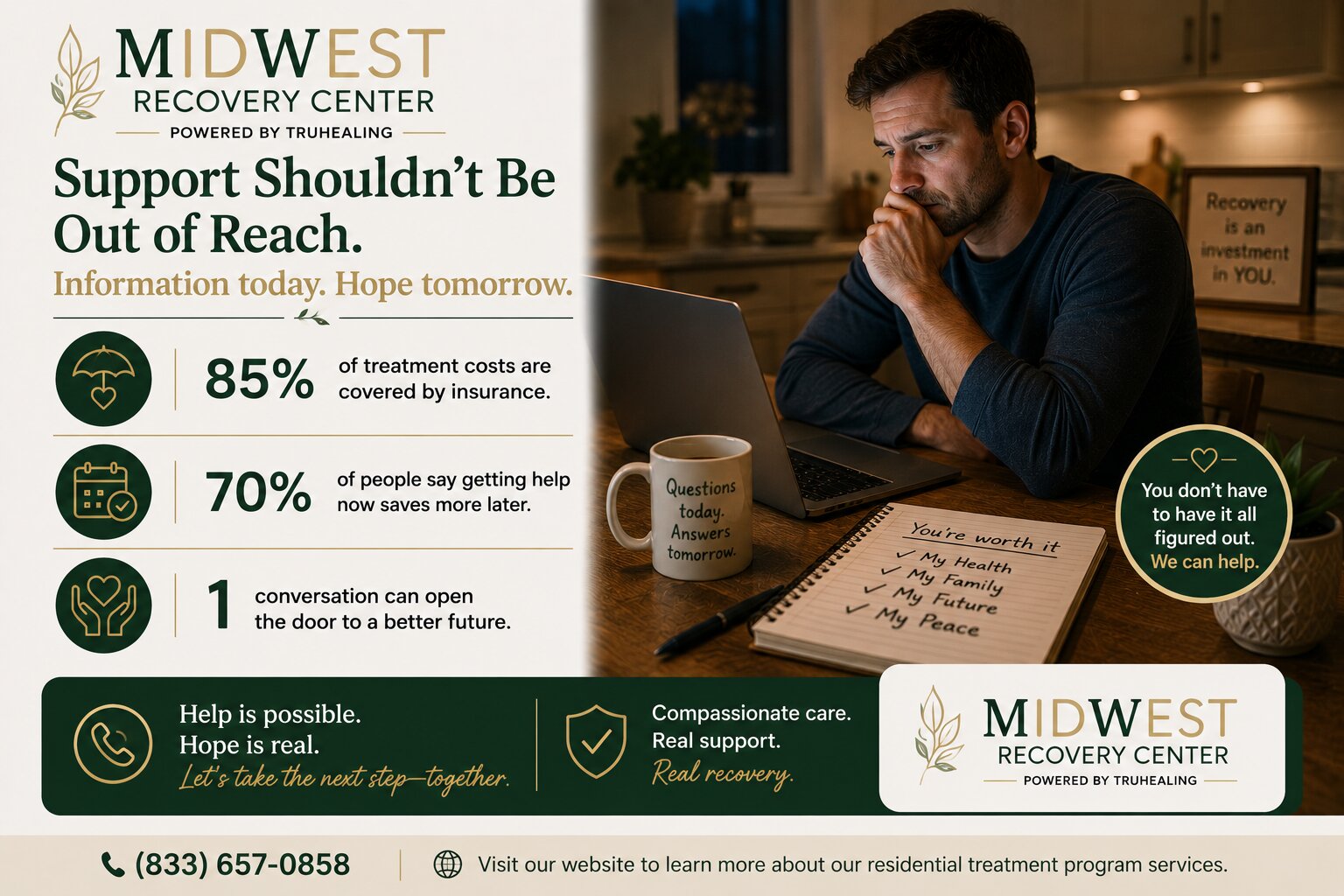
When Doing It Alone Stops Working

Step 4: Consider What You’re Already Paying

This is the part many people avoid.

Not because it’s complicated.

Because it’s uncomfortable.

When we think about affordability, we usually focus on the price of treatment.

We rarely examine the price of continuing exactly as we are.

Missed opportunities.

Reduced productivity.

Health complications.

Relationship strain.

Financial consequences.

Emotional exhaustion.

The constant mental burden of trying to manage something that increasingly feels difficult to manage.

These costs don’t arrive as one dramatic invoice.

They accumulate quietly.

Like interest on a debt you never intended to create.

Over time, the emotional and financial cost of waiting can become surprisingly significant.

This doesn’t mean treatment is the right answer for everyone.

It means affordability should be viewed through a wider lens than a single number.

Step 5: Focus on Today’s Decision

One reason people become overwhelmed is because they try to solve recovery all at once.

They imagine the next month.

The next six months.

The next year.

Every possible challenge.

Every possible setback.

Every possible outcome.

Anyone would feel overwhelmed carrying that much uncertainty.

Recovery rarely begins that way.

Most people start with a single step.

A phone call.

An assessment.

An honest conversation.

A question they’ve been avoiding.

You do not need to commit to the entire journey today.

You only need enough information to make the next decision.

That’s it.

Step 6: Separate Fear From Facts

Fear is useful.

It alerts us to potential risks.

But fear can also distort reality.

Many people tell themselves:

“I probably won’t qualify.”

“It probably won’t work.”

“It probably costs too much.”

“They probably can’t help me.”

Notice the common word.

Probably.

Most of these conclusions are being reached without evidence.

Fear often fills in blanks before facts arrive.

One of the simplest ways to challenge fear is by replacing assumptions with information.

Ask questions.

Verify benefits.

Explore options.

Have conversations.

Facts tend to be much less dramatic than fear.

Step 7: Remember Why More Support Exists

Many people see higher levels of care as a last resort.

We see them differently.

We see them as tools.

Different people need different levels of support at different times.

Some people benefit from weekly counseling.

Others need structured daytime care.

Others benefit from round-the-clock support while building a foundation for recovery.

Needing additional support does not mean you’ve failed.

It means your situation deserves an appropriate response.

Nobody expects a person with a broken leg to walk it off.

Substance use challenges deserve the same practical mindset.

Step 8: Talk to Someone Before You Talk Yourself Out of It

We’ve watched this happen countless times.

Someone gets close to reaching out.

Then fear takes over.

They decide they’re too busy.

Too complicated.

Too far gone.

Too early.

Too late.

Too expensive.

Too hopeless.

And the phone never rings.

Weeks become months.

Months become years.

The problems become harder to manage.

The opportunities become harder to recover.

One honest conversation can interrupt that entire cycle.

Whether you’re exploring treatment options in locations or looking into recovery resources available in Youngstown, speaking directly with a professional can provide clarity that internet searches simply cannot.

What If You’re Not Sure You Deserve This Level of Help?

This question shows up more often than people realize.

Some individuals believe treatment should be reserved for people whose lives are completely falling apart.

But addiction and substance use disorders don’t operate according to dramatic movie scripts.

Many people seek help while they’re still employed.

Still paying bills.

Still functioning.

Still showing up.

The question isn’t whether your life looks bad enough.

The question is whether your current situation feels sustainable.

If you’re exhausted from managing everything alone, that’s worth paying attention to.

If you’re constantly worried about your substance use, that’s worth paying attention to.

If you’re searching for answers at midnight, that’s worth paying attention to.

Those signals matter.

Frequently Asked Questions

How do I know if I need round-the-clock support?

A professional assessment can help determine the appropriate level of care. Factors such as relapse history, home environment, severity of substance use, and overall health often influence recommendations.

What if I’m worried about the cost?

You’re not alone. Cost concerns are one of the most common barriers people face. The best first step is gathering accurate information rather than relying on assumptions.

Does insurance cover treatment?

Coverage varies depending on the insurance plan and individual circumstances. Speaking with a treatment provider can help clarify available benefits.

Can I check my options without committing?

Yes. Many people begin by asking questions, verifying benefits, or scheduling an assessment. Gathering information does not obligate you to start treatment.

What happens during the admissions process?

The process often includes discussing your history, current concerns, insurance information, and clinical needs to determine appropriate recommendations.

What if I still have work and family responsibilities?

Many people share this concern. Treatment providers can discuss options and help you understand what support may fit your circumstances.

Is needing more support a sign that I’ve failed?

No. Seeking additional support reflects self-awareness, not failure. Different situations require different levels of care.

What if I’ve tried treatment before?

Previous treatment experiences do not determine future outcomes. Many people who achieve lasting recovery sought support more than once.

What if I’m scared to call?

Fear is one of the most common emotions people experience before reaching out. Being nervous does not mean you’re making the wrong decision.

How do I know if it’s time?

If you’re repeatedly wondering whether you need help, struggling to control your use, or feeling exhausted by the effort of managing it alone, it may be worth exploring your options.

You Don’t Need to Figure This Out Alone

The people who reach out aren’t always certain.

They aren’t always confident.

They don’t always know exactly what they need.

Often, they’re simply tired of carrying the same question by themselves.

If that’s where you are today, know that asking questions does not lock you into a decision.

It simply gives you more information than you had yesterday.

And sometimes that’s enough to start moving forward.

Call (833) 657-0858 or visit our residential treatment program services to learn more about our residential treatment program services Cincinnati, Ohio.

*The stories shared in this blog are meant to illustrate personal experiences and offer hope. Unless otherwise stated, any first-person narratives are fictional or blended accounts of others’ personal experiences. Everyone’s journey is unique, and this post does not replace medical advice or guarantee outcomes. Please speak with a licensed provider for help.

Level Of Care

PHP (Partial Hospitalization Program)
Daytime treatment with structure, therapy, and support—return home each night.

IOP (Intensive Outpatient Program)
Flexible therapy a few days a week to balance life and recovery.

OP (Outpatient Program)
Ongoing therapy and support to maintain progress.

MAT (Medication-Assisted Treatment)
Evidence-based care using medication and counseling to reduce cravings.

Ready to Start?
Call (833) 657-0858: to learn which program fits your recovery goals.

Who are you seeking help for? *

We’re here to listen and help you find the right path forward. Please tell us who needs care so we can match you with the best program and support.

💬 Your responses are 100% confidential and never shared outside our admissions team.

Recovery Shouldn’t Have to Wait — Begin Treatment Today.

At Ohio Treatment Center in Toledo, Ohio, we make it simple to take that first step toward healing. Our streamlined admissions process can often lead to same-day placement in treatment for MAT, PHP, IOP and more..

Call today for a free, confidential consultation with our caring admissions team — we’ll walk you through every step with compassion and clarity.

Call (833) 657-0858
Why call us?

Check Your Insurance Coverage in Minutes

We’ll handle the insurance details — so you can focus on getting better.

At Ohio Treatment Center, we work with most major private insurance providers to make treatment affordable and accessible. Complete our quick, confidential form below, and we’ll let you know if your plan is in-network — without contacting your insurance company.

Commonly accepted providers include:
Blue Cross Blue Shield (BCBS) • Aetna • Cigna • UnitedHealthcare • Humana • Anthem • Tricare

What Happens Next

  • Fill out the short form below
  • Our team reviews your benefits
  • We’ll contact you with your coverage details

Getting help shouldn’t be stressful. Let’s find out what your insurance can cover today.

Level Of Care

Detox
Begin recovery safely with 24/7 medical support. Our detox program helps you manage withdrawal comfortably and prepares you for the next step.

Residential Treatment
Continue healing in a supportive, structured setting with daily therapy, wellness activities, and round-the-clock care.

Aftercare
Before you leave, we’ll help you create a plan for ongoing support and lasting recovery.

Ready to Start?
Call (833) 657-0858: to learn which program fits your recovery goals.

Who are you seeking help for? *

We’re here to listen and help you find the right path forward. Please tell us who needs care so we can match you with the best program and support.

💬 Your responses are 100% confidential and never shared outside our admissions team.

Recovery Shouldn’t Have to Wait — Begin Treatment Today.

At Midwest Detox Center in Maumee, Ohio, we make it simple to take that first step toward healing. Our streamlined admissions process can often lead to same-day placement in treatment for medically supervised detox and residential treatment programs.

Call today for a free, confidential consultation with our caring admissions team — we’ll walk you through every step with compassion and clarity.

Call (833) 657-0858
Why call us?

Check Your Insurance Coverage in Minutes

We’ll handle the insurance details — so you can focus on getting better.

At Midwest Detox, we work with most major private insurance providers to make treatment affordable and accessible. Complete our quick, confidential form below, and we’ll let you know if your plan is in-network — without contacting your insurance company.

Commonly accepted providers include:
Blue Cross Blue Shield (BCBS) • Aetna • Cigna • UnitedHealthcare • Humana • Anthem • Tricare

What Happens Next

  • Fill out the short form below
  • Our team reviews your benefits
  • We’ll contact you with your coverage details

Getting help shouldn’t be stressful. Let’s find out what your insurance can cover today.

Level Of Care

Medical Detox
24/7 medically supervised detox to help you safely withdraw from drugs or alcohol while managing symptoms and preventing complications.

Inpatient Treatment
A structured, residential setting that provides continuous medical care, counseling, and therapeutic support to build a foundation for long-term recovery.

Residential Program
Comfortable, home-like housing where you can focus fully on healing with daily therapy, peer support, and holistic recovery services.

Ready to Start?
Call (833) 657-0858: to learn which program fits your recovery goals.

Who are you seeking help for? *

We’re here to listen and help you find the right path forward. Please tell us who needs care so we can match you with the best program and support.

💬 Your responses are 100% confidential and never shared outside our admissions team.

Recovery Shouldn’t Have to Wait — Begin Detox Today

At Ohio Detox Center in Maumee, Ohio, we make it simple to take that first step toward healing. Our streamlined admissions process can often lead to same-day placement in detox or inpatient treatment for substance use and co-occurring mental health conditions.

Call today for a free, confidential consultation with our caring admissions team — we’ll walk you through every step with compassion and clarity.

Call (833) 657-0858
Why call us?

Check Your Insurance Coverage in Minutes

We’ll handle the insurance details — so you can focus on getting better.

We’ll take care of the details — so you can focus on getting better.
At Ohio Detox Center, we work with Ohio Medicaid and most major insurance providers to make treatment affordable and accessible.

Here’s how it works:

  1. Fill out the short form below
  2. Our team reviews your benefits
  3. We’ll contact you with your coverage details

Getting help shouldn’t be stressful. Let’s find out what your insurance can cover today.

Levels of Care

Detox
We understand that taking the first step can feel overwhelming. Our detox program offers a compassionate, medically supported environment where you can rest, heal, and begin recovery safely. You’ll never go through it alone — our team is with you every step of the way.

IOP (Intensive Outpatient Program)
A flexible treatment option that lets you maintain work, school, or family responsibilities while attending therapy several days a week. IOP focuses on relapse prevention, coping skills, and long-term recovery through group and individual sessions.

Residential
Residential care gives you the time and space to focus fully on healing. Surrounded by supportive staff and peers, you’ll work through underlying causes of addiction, rebuild healthy routines, and rediscover confidence in your recovery journey.

MAT (Medication-Assisted Treatment)
Combining FDA-approved medications with counseling and behavioral therapy, MAT helps reduce cravings and withdrawal symptoms related to opioid or alcohol use. Each treatment plan is closely monitored to ensure comfort, safety, and lasting recovery.

Ready to Start?
Call (833) 657-0858: to learn which program fits your recovery goals.

Who are you seeking help for? *

We’re here to listen and help you find the right path forward. Please tell us who needs care so we can match you with the best program and support.

Myself

A loved one or family member

💬 Your responses are 100% confidential and never shared outside our admissions team.

Check Your Insurance Coverage in Minutes

We’ll handle the insurance details — so you can focus on getting better.

At Midwest Centers at Youngstown, we work with most major private insurance providers to make treatment affordable and accessible. Complete our quick, confidential form below, and we’ll let you know if your plan is in-network — without contacting your insurance company.

Commonly accepted providers include:
Blue Cross Blue Shield (BCBS) • Aetna • Cigna • UnitedHealthcare • Humana • Anthem • Tricare

What Happens Next

  • Fill out the short form below
  • Our team reviews your benefits
  • We’ll contact you with your coverage details

Getting help shouldn’t be stressful. Let’s find out what your insurance can cover today.

Recovery Shouldn’t Have to Wait — Begin Treatment Today.

At Midwest Centers at Youngstown in Ohio, we make it simple to take that first step toward healing. Our streamlined admissions process can often lead to same-day placement in treatment for substance use or co-occurring mental health disorders.

Call today for a free, confidential consultation with our caring admissions team — we’ll walk you through every step with compassion and clarity.

Level Of Care

Partial Hospitalization Program (PHP)
Our PHP offers a highly structured, supportive environment where you can focus on recovery during the day and return home at night. It’s an ideal step between inpatient and outpatient care, providing daily therapy, accountability, and a strong recovery routine.

Intensive Outpatient Program (IOP)
Our IOP gives you the flexibility to continue work, school, or family life while receiving evidence-based treatment several days a week. You’ll participate in group and individual therapy focused on relapse prevention, coping skills, and long-term healing.

Outpatient Program (OP)
For those transitioning from a higher level of care or seeking ongoing support, our outpatient program offers continued therapy at a pace that fits your lifestyle. It’s a supportive bridge that helps you maintain recovery and stay connected to care.

Medication-Assisted Treatment (MAT)
MAT combines FDA-approved medications with therapy and counseling to reduce cravings and support long-term recovery from opioid or alcohol addiction. Our team monitors each plan closely to ensure safety, comfort, and effectiveness.

Ready to Start?
Call (833) 657-0858: to learn which program fits your recovery goals.

Who are you seeking help for? *

We’re here to listen and help you find the right path forward. Please tell us who needs care so we can match you with the best program and support.

Myself

A loved one or family member

💬 Your responses are 100% confidential and never shared outside our admissions team.

Recovery Shouldn’t Have to Wait — Begin Treatment Today.

At Midwest Recovery Center in Toledo, Ohio, we make it simple to take that first step toward healing. Our streamlined admissions process can often lead to same-day placement in treatment for substance use or co-occurring mental health disorders.

Call today for a free, confidential consultation with our caring admissions team — we’ll walk you through every step with compassion and clarity.

Check Your Insurance Coverage in Minutes

We’ll handle the insurance details — so you can focus on getting better.

At Midwest Recovery Center, we work with most major private insurance providers to make treatment affordable and accessible. Complete our quick, confidential form below, and we’ll let you know if your plan is in-network — without contacting your insurance company.

Commonly accepted providers include:
Blue Cross Blue Shield (BCBS) • Aetna • Cigna • UnitedHealthcare • Humana • Anthem • Tricare

What Happens Next

  • Fill out the short form below
  • Our team reviews your benefits
  • We’ll contact you with your coverage details

Getting help shouldn’t be stressful. Let’s find out what your insurance can cover today.