According to the Substance Abuse and Mental Health Services Administration, more than half of people with PTSD meet criteria for a substance use disorder at some point in their lives. If you’re searching for PTSD and substance abuse treatment in Lucas County, Ohio, understanding how these two conditions interact, and how the local system is organized to treat them, is the difference between finding a program that actually works and cycling through one that only addresses half the problem.
Why PTSD and substance use rarely travel alone
SAMHSA’s 2022 National Survey on Drug Use and Health, which surveyed over 58,000 adults across the U.S., found that approximately 46% of people with PTSD also met diagnostic criteria for a substance use disorder in the same year. Among veterans, that figure climbs even higher. The takeaway here is direct: if you’re managing both PTSD and substance use, you are not an outlier or an especially complicated case. You represent the majority of people seeking treatment for trauma.
What this means in practice is that getting screened for both conditions simultaneously, at the first intake appointment, is the move that saves months of misdirected treatment. Programs that screen only for substance use and defer the mental health assessment until later routinely miss the clinical picture entirely. Dual screening at intake, not a staged process, is the standard that produces accurate placement.
How the two conditions reinforce each other
A 2022 study published in the Journal of Traumatic Stress, examining 1,200 adults with co-occurring PTSD and alcohol use disorder, described the self-medication cycle in precise terms. Alcohol and other central nervous system depressants suppress acute arousal and intrusive symptoms in the short term. Within 24 to 48 hours of use, however, the rebound effect amplifies hypervigilance, worsens sleep fragmentation, and intensifies emotional reactivity, which are three of the core drivers of trauma symptoms. The substance use that temporarily quiets PTSD ends up feeding it.
The same cycle applies to opioids, benzodiazepines, and cannabis, though through different neurological mechanisms. What the research makes clear is that PTSD and substance use disorder are not two problems that happen to coexist. They are a single, mutually reinforcing clinical target. Treating them in sequence, first stabilizing substance use and then addressing trauma, ignores the mechanism that links them. The practical action is this: recognize the cycle as one problem with two faces, and demand a treatment model built around that reality.
What integrated dual-diagnosis treatment actually looks like
SAMHSA’s Treatment Improvement Protocol 42 (TIP 42), the federal standard for co-occurring disorders treatment, distinguishes clearly between three approaches. Sequential treatment addresses one diagnosis, then the other. Parallel treatment addresses both at the same time but through separate, uncoordinated providers. Integrated treatment addresses both simultaneously within a single, coordinated care team. The evidence supporting integrated care over the other two models is consistent across studies spanning two decades.
The reason sequential treatment produces worse outcomes is mechanical. Sending someone into trauma-focused therapy while their substance use remains active raises dropout rates and re-traumatization risk. Waiting to address trauma until someone has months of sobriety ignores that unresolved PTSD is one of the leading drivers of relapse. Integrated programs break this cycle by treating the conditions together. In practice, that means trauma-informed therapy running alongside medication management and addiction counseling, coordinated by a team that communicates about both conditions, not just one. When evaluating any program, the key question to ask on the first call is whether PTSD and substance use are treated simultaneously by the same care team. If the answer involves any version of “we’ll address that later,” that is a signal worth taking seriously.
If you want a deeper look at how to evaluate programs specifically in the Toledo area, the section on what to look for in Toledo’s co-occurring treatment landscape covers the local nuances in more detail.
Evidence-based therapies used in co-occurring treatment
Four therapies have the strongest research base for co-occurring PTSD and substance use disorders. Cognitive Processing Therapy (CPT) teaches you to examine and restructure distorted beliefs formed around traumatic events. Prolonged Exposure (PE) uses guided, gradual confrontation of trauma memories to reduce avoidance and fear responses. Seeking Safety, developed specifically for co-occurring trauma and addiction, focuses on present-centered coping skills and does not require trauma processing, which makes it a strong fit for early stages of treatment. EMDR (Eye Movement Desensitization and Reprocessing) uses bilateral stimulation to reduce the emotional charge attached to traumatic memories.
A 2021 VA clinical trial following 290 veterans with co-occurring PTSD and substance use disorder found that CPT delivered within an integrated dual-diagnosis program produced significant reductions in both PTSD symptom severity and substance use frequency at the six-month follow-up. The practical step: when calling a prospective provider, ask directly which of these four modalities are part of the program and which are delivered by credentialed specialists in trauma treatment, not general counselors trained only in addiction.
Medication-assisted treatment and PTSD
Medication-assisted treatment (MAT) using buprenorphine, naltrexone, or methadone reduces the physiological noise of cravings and withdrawal symptoms. A 2023 study published in Drug and Alcohol Dependence, analyzing outcomes across 4,800 dual-diagnosis patients in community treatment settings, found that patients who received MAT as part of an integrated co-occurring program had 34% higher treatment retention at 12 months compared to those who received behavioral therapy alone.
The mechanism is straightforward. Active cravings and withdrawal consume the cognitive and emotional resources that trauma processing requires. Stabilizing cravings through MAT creates the bandwidth needed to engage meaningfully in CPT, PE, or EMDR. If MAT has been recommended and declined, the right move is to ask your provider to walk through the evidence specific to your substance and your symptom profile, not to defer the conversation.
Levels of care available in lucas county
The American Society of Addiction Medicine (ASAM) criteria define a continuum of care that moves from medically managed intensive inpatient detoxification through residential treatment, partial hospitalization (PHP), intensive outpatient (IOP), and standard outpatient services. For co-occurring PTSD and substance use disorder, placement decisions depend on symptom severity across both conditions, not just the substance use alone. Someone with active trauma symptoms, frequent flashbacks, and severe sleep disruption alongside a moderate-to-severe substance use disorder typically needs residential or PHP-level care before stepping down to IOP.
Use ASAM criteria as a practical pressure-test for any placement recommendation you receive. If a program is steering you toward outpatient care but your PTSD symptoms are still acutely destabilizing your daily functioning, that placement recommendation deserves a direct clinical explanation. Ask the admissions team to walk through the ASAM dimensions, specifically Dimension 3 (emotional, behavioral, and cognitive conditions and complications), as part of the intake assessment.
Inpatient and residential options in the toledo area
Residential dual-diagnosis programs in the Lucas County and Toledo area provide 24-hour structured care with integrated mental health and addiction services on-site. The defining feature of residential care that makes it appropriate for co-occurring PTSD and SUD is environmental removal from trauma triggers and substance access, combined with daily clinical contact. For someone whose home environment reinforces both conditions, this level of care creates the stability that outpatient settings cannot replicate.
Ohio’s Behavioral Health Workforce data through the Ohio Department of Job and Family Services indicates that Lucas County has a documented gap in residential dual-diagnosis capacity, meaning programs can operate at or near capacity during high-demand periods. The practical action is to call two to three residential programs and ask directly whether their clinical staff carry specific certifications in trauma-focused therapies, such as CPT or EMDR certification, rather than assuming trauma competency from a general behavioral health license.
Outpatient programs: IOP and PHP in lucas county
PHP (partial hospitalization) runs at 20 or more hours per week and functions essentially as day treatment, structured enough to serve as a step-down from residential care or a step-up from standard outpatient when symptoms are serious but stable enough not to require overnight stays. IOP runs at nine or more hours per week and works well for people with stable housing, reliable transportation, and a support system at home that does not actively undermine recovery.
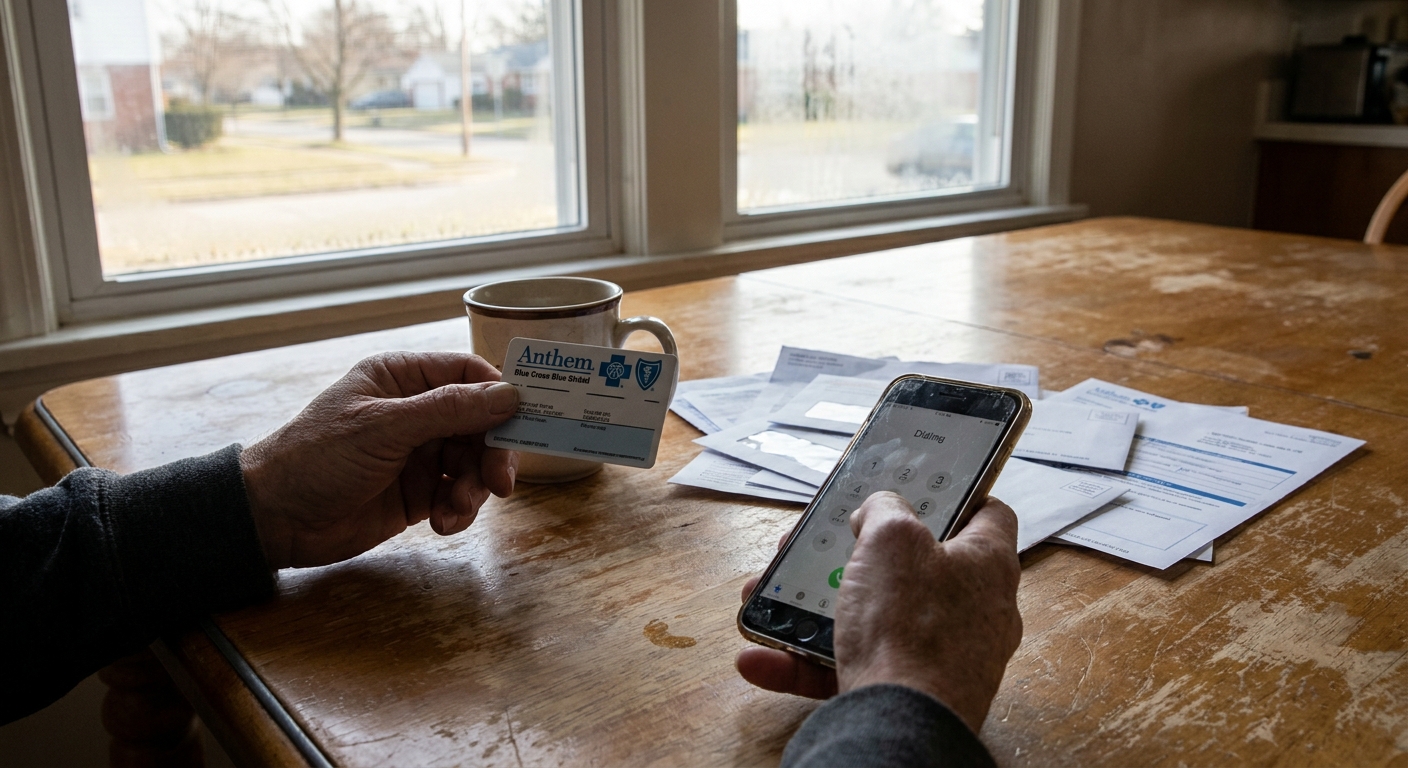
Both levels are covered by Ohio Medicaid managed-care plans, including CareSource, Buckeye, Molina, Anthem, Aetna, AmeriHealth Caritas, and Humana, as well as commercial plans including Aetna, Anthem BCBS, Cigna, and Optum. Coverage is mandated under Ohio’s mental health parity law, but prior authorization requirements vary by plan and level of care. Confirm prior authorization requirements with your specific plan before the first appointment, not after, to avoid unexpected billing complications.
Insurance and payment in lucas county: what to know before you call
According to Ohio Department of Medicaid data, Lucas County has one of the higher Medicaid enrollment rates among Ohio’s urban counties, with a substantial share of residents covered through managed-care plans rather than commercial insurance. The Kaiser Family Foundation’s analysis of Ohio behavioral health coverage confirms that Ohio’s mental health parity law requires insurers to cover co-occurring disorder treatment at levels comparable to medical and surgical benefits. This means insurers cannot impose stricter prior authorization requirements, lower visit limits, or higher cost-sharing for dual-diagnosis treatment than they apply to comparable medical conditions.
If your preferred provider is out-of-network, request a single-case agreement. This is a negotiated arrangement between the provider and your insurer that allows out-of-network care at in-network rates for a defined episode of treatment. Admissions teams at experienced dual-diagnosis programs handle these negotiations routinely.
Ohio medicaid managed care plans
Ohio’s Medicaid managed-care system operates through eight plans: CareSource, Buckeye Health Plan, Molina Healthcare, Anthem, Aetna, AmeriHealth Caritas, Humana, and UnitedHealthcare Community Plan. All eight are contractually required to cover behavioral health services including integrated dual-diagnosis treatment. The distinction that matters is network: each plan maintains its own provider network, meaning a program that accepts CareSource may not be contracted with Molina, even if both plans are legally obligated to cover the same services.
The specific action here is to call the member services number on your Medicaid card and ask the representative for a list of providers in Lucas County certified to treat co-occurring PTSD and substance use disorder. Request the list in writing, either by email or mail, so you have a documented starting point for your calls.
Commercial insurance and tricare in northwest ohio
For commercial plan members on Aetna, Anthem BCBS, Cigna, or Optum, the federal Mental Health Parity and Addiction Equity Act (MHPAEA) mandates coverage for substance use and mental health treatment on the same terms as medical and surgical benefits. Non-quantitative treatment limitations, such as requirements for prior authorization or restrictions on which providers qualify, must be applied no more stringently to behavioral health than to physical health conditions.
Tricare covers both PTSD and substance use disorder treatment for active duty service members, veterans enrolled in the VA system, and military family members. Out-of-pocket costs under Tricare for behavioral health treatment are often lower than equivalent commercial plan cost-sharing, particularly for veterans receiving care through VA community partners. Ask the treatment center’s admissions team to run a full benefits verification before you commit to a program. This is standard practice at experienced facilities and takes one to two business days.
Finding trauma-informed care specifically in lucas county
The Lucas County Alcohol, Drug Addiction, and Mental Health Services (ADAMHS) Board is the local public authority responsible for planning, funding, and coordinating behavioral health services in Lucas County. The Board maintains a provider directory and can identify which local programs hold dual-diagnosis certification and carry staff trained in trauma-focused therapies. Ohio’s 2023 Drug Overdose Data Report identified Lucas County as one of the state’s high-burden counties for opioid-related overdose deaths, with fentanyl involved in the large majority of fatal overdoses. That context matters not to catastrophize, but because it shapes the clinical landscape: programs in this county are actively managing high-severity presentations, and the better programs have built their clinical capacity accordingly.
The 988 Suicide and Crisis Lifeline connects Lucas County residents to trained crisis counselors around the clock, including warm transfers to local crisis stabilization and treatment resources. Contact the Lucas County ADAMHS Board directly for a provider directory filtered specifically by dual-diagnosis capability, rather than relying on general online searches that may not reflect current program status or capacity.
Veterans and first responders: specialized PTSD and addiction care
The U.S. Department of Veterans Affairs reports that veterans with PTSD are three to four times more likely to develop a substance use disorder compared to the general population. Among first responders, including law enforcement, firefighters, and emergency medical personnel, a 2022 Substance Abuse and Mental Health Services Administration report estimated co-occurring PTSD and SUD rates significantly above the civilian average, driven by cumulative occupational trauma exposure.
Lucas County veterans have access to VA Community Based Outpatient Clinics in the Toledo area, with more comprehensive specialty services available through the Chalmers P. Wylie VA Ambulatory Care Center in Columbus. The MISSION Act expanded community care options, meaning eligible veterans can access dual-diagnosis treatment at non-VA providers in Lucas County when VA facilities cannot provide timely or geographically accessible care. Tricare and VA benefits can sometimes be used in combination, depending on eligibility status, though the coordination requires verification. Call the Veterans Crisis Line by dialing 988 and pressing 1 to get a same-day referral to a VA or community provider equipped to treat both PTSD and substance use.
For veterans specifically, understanding how dual diagnosis programs are structured provides a useful foundation before navigating VA and community care options.
What to ask when evaluating a treatment program
SAMHSA’s National Standards for Trauma-Informed Care and CARF accreditation criteria both provide a framework for evaluating whether a program is genuinely equipped to treat PTSD alongside addiction. The first question to ask is whether PTSD and substance use disorder are treated simultaneously by the same clinical team, not by separate departments that communicate occasionally. Programs that cannot give a direct yes to this question are delivering parallel treatment at best.
The second question is which specific trauma-focused therapies the program delivers and whether the therapists providing those services hold specific training or certification in CPT, PE, or EMDR. A general counseling license does not confer trauma therapy competency. Third, ask about the staff-to-client ratio during therapy groups and individual sessions. Lower ratios allow more individualized treatment planning, which matters significantly in co-occurring treatment where presentations vary widely. Fourth, ask how the program handles mental health crises during outpatient hours, specifically whether there is a crisis clinician available by phone and what the protocol is for escalating to a higher level of care. A program that can’t answer this question clearly is showing you something important about how it operates day-to-day.
Common mistakes that delay recovery
SAMHSA’s 2022 National Survey on Drug Use and Health found that among adults who needed but did not receive treatment for a co-occurring substance use and mental health disorder, the most common reason cited was not recognizing that both conditions required simultaneous treatment. The delay between the onset of co-occurring symptoms and the start of integrated treatment averages over a decade in population studies. That gap has real consequences for physical health, relationships, and the severity of both conditions by the time treatment begins.
The first mistake is treating only the substance use disorder and deferring the PTSD work. Sobriety without trauma treatment leaves the primary driver of relapse unaddressed. The second mistake is waiting until the trauma “settles down” before entering treatment. PTSD symptoms do not resolve on their own without clinical intervention; waiting for a calm window is waiting for something that does not come. The third mistake is choosing a program based on proximity or availability alone, rather than confirming that the program has documented clinical capability in trauma-focused treatment. Geography matters for access, but not at the cost of clinical fit. The fourth mistake is exiting treatment after initial stabilization, when early symptom relief is real but the underlying trauma processing work is incomplete. Share this framework with a family member or support person before making the first call, so someone in your circle can help you hold the decision-making criteria when urgency or fatigue tempts shortcuts.
For those also dealing with depression alongside these conditions, the guide on treating depression and substance use together in Toledo addresses how overlapping mood disorders factor into the treatment picture.
What to try this week
Call the Lucas County ADAMHS Board at their main line and ask for a current list of dual-diagnosis-certified providers in the county. That one call, today or tomorrow, starts the process with the most accurate and locally verified information available, rather than a general web search. Tell them specifically that you need a provider capable of treating PTSD and substance use disorder simultaneously. The Board exists precisely for this function and can accelerate access to the right program.
Integrated treatment, not sequential treatment, is the clinical standard that produces lasting recovery. The research is not ambiguous on this point. The only remaining question is which program in Lucas County delivers it.
Frequently asked questions
What is the difference between PTSD treatment and dual-diagnosis treatment for PTSD and addiction?
PTSD treatment alone addresses trauma symptoms, including intrusive memories, hypervigilance, and avoidance, through therapies such as CPT or EMDR without necessarily addressing substance use. Dual-diagnosis treatment for PTSD and addiction treats both conditions simultaneously within the same program, using coordinated care that recognizes how each condition drives the other. Treating PTSD without addressing substance use, or vice versa, produces significantly lower long-term recovery rates than integrated dual-diagnosis care.
Does ohio medicaid cover PTSD and addiction treatment at the same time?
Yes. All eight Ohio Medicaid managed-care plans, including CareSource, Buckeye, Molina, Anthem, Aetna, AmeriHealth Caritas, Humana, and UnitedHealthcare Community Plan, are required to cover behavioral health services including integrated dual-diagnosis treatment. Coverage applies across levels of care from detox and residential through PHP, IOP, and outpatient. Prior authorization requirements vary by plan, so confirm your specific plan’s requirements before the first appointment.
How do I find a dual-diagnosis program in lucas county that treats both PTSD and substance use?
The most direct path is contacting the Lucas County ADAMHS Board, which maintains a current provider directory filtered by clinical specialty and can identify programs certified for dual-diagnosis care. Calling 988 (Ohio’s Suicide and Crisis Lifeline) also connects you to local crisis counselors who can provide referrals to dual-diagnosis-certified providers in Lucas County within the same call.
Are there specialized programs in lucas county for veterans with PTSD and addiction?
Veterans in Lucas County can access VA Community Based Outpatient Clinic services in the Toledo area, with specialty dual-diagnosis care available through the Chalmers P. Wylie VA Ambulatory Care Center in Columbus. The MISSION Act allows eligible veterans to receive care at non-VA community providers in Lucas County when VA services are not timely or accessible. Veterans experiencing a crisis can call 988 and press 1 to reach the Veterans Crisis Line for a same-day referral.
What level of care do I need for co-occurring PTSD and substance use disorder?
Placement depends on the severity of both conditions assessed together using ASAM criteria. Active, destabilizing PTSD symptoms combined with moderate-to-severe substance use disorder typically require residential or PHP-level care. Partial hospitalization or IOP is appropriate when housing is stable, the home environment supports recovery, and both conditions are clinically managed enough to allow daily community living. Ask any program to explain their placement recommendation using the ASAM dimensions, particularly Dimension 3, which covers emotional and behavioral conditions.
Can family members be involved in PTSD and addiction treatment in lucas county?
Family involvement is a recognized component of trauma-informed care and most quality dual-diagnosis programs in Lucas County offer family education sessions, family therapy, or structured family involvement in discharge planning. Ask any prospective program directly what family participation looks like and at which stage of treatment family members are typically included. Family support that understands the integrated nature of co-occurring PTSD and addiction reduces relapse risk during the transition to lower levels of care.