Choosing outpatient rehab in Youngstown, Ohio is a decision with real stakes, and the difference between a program that works and one that wastes your time often comes down to a handful of criteria most people don’t know to look for. This guide walks you through every factor that matters, from understanding the levels of care to verifying insurance coverage to asking the questions that separate quality programs from substandard ones.
What outpatient rehab actually means in youngstown
Outpatient rehab is treatment you attend during scheduled hours while continuing to live at home. Unlike inpatient or residential care, where you stay at a facility around the clock, outpatient programs let you maintain your daily life while receiving structured clinical support. That distinction matters practically: you can keep your job, stay close to family, and sleep in your own bed.
This is not a lesser alternative to residential care. According to SAMHSA’s 2022 National Survey on Drug Use and Health, outpatient treatment is the most commonly utilized level of SUD care in the United States, with millions of adults receiving effective, evidence-based treatment without ever entering a residential setting. For the right person, outpatient produces outcomes comparable to inpatient care at a fraction of the disruption to everyday life.
The difference between IOP, PHP, and standard outpatient
Outpatient care spans three distinct intensity levels, and understanding the difference is the first step in choosing correctly.
Partial Hospitalization Programs (PHP) sit at the highest intensity within the outpatient spectrum: typically 20 to 30 hours per week, five days a week, with structured therapeutic programming that resembles a day treatment model. PHP is designed for people who need intensive clinical support but have a stable enough home environment to avoid overnight stays.
Intensive Outpatient Programs (IOP) step down from PHP, usually running nine to 15 hours per week across three to five days. IOP is built for people managing early recovery who still need frequent clinical contact, group therapy, and accountability structures, but who can function with more independence between sessions.
Standard outpatient, the lowest-intensity level, typically means one to two sessions per week. This level is designed for people further along in recovery who are actively rebuilding their work, family, and social lives. The focus shifts from stabilization to maintenance: reinforcing coping strategies, continuing therapy, and addressing the practical reintegration challenges that come with sustained recovery. The American Society of Addiction Medicine (ASAM) patient placement criteria, the clinical standard used across Ohio, guide clinicians in matching patients to the appropriate level based on six specific dimensions of their life and health.
When you call a program, ask which level they are recommending for you and why they landed there based on those criteria.
How to know if outpatient is the right level of care
The honest answer to “am I a candidate for outpatient?” depends on a formal clinical assessment, not a self-assessment or a website quiz. ASAM’s six-dimension framework evaluates withdrawal risk, medical and psychiatric conditions, readiness to change, relapse potential, and your living environment before any placement recommendation is made.
Factors that push toward a higher level of care include significant withdrawal risk (particularly with alcohol or benzodiazepines), unstable or unsafe housing, a co-occurring psychiatric condition that is not yet stabilized, or a history of repeated incomplete treatment episodes. Factors that make outpatient a strong clinical fit include a stable home environment, reliable social support, and obligations like employment or childcare that residential care would disrupt.
Before enrolling anywhere, ask the admissions team directly: do you conduct a formal ASAM assessment before placement? A program that skips this step and assigns everyone to the same level regardless of clinical need is not operating to standard.
What to look for in a youngstown-area outpatient program
The features that matter in an outpatient program are clinical, not cosmetic. NIDA’s Principles of Drug Addiction Treatment identifies several factors that consistently separate effective programs from ineffective ones: individualized treatment planning, evidence-based modalities, adequate duration of treatment, and the capacity to address co-occurring conditions alongside addiction.
In practice, that means looking for licensed and credentialed clinical staff. Ohio requires counselors working in SUD settings to hold credentials such as LCDC II or III (Licensed Chemical Dependency Counselor), LPCC (Licensed Professional Clinical Counselor), or LISW (Licensed Independent Social Worker). Programs staffed primarily by unlicensed peer support workers without clinical supervision are not equipped to handle the complexity most people bring into treatment.
Evidence-based modalities are non-negotiable. Cognitive Behavioral Therapy (CBT), Medication-Assisted Treatment (MAT) where medically appropriate, and contingency management are the treatment approaches with the strongest outcome data. Programs that rely exclusively on 12-step attendance or undefined “holistic” programming without these clinical anchors are operating outside the evidence.
For people navigating the full spectrum of outpatient levels, co-occurring mental health treatment capacity matters enormously. Ask whether the program treats both addiction and mental health in the same setting or whether they refer psychiatric needs elsewhere. Integrated care in one place consistently produces better outcomes than split treatment across providers.
Questions to ask before you enroll
Five questions cut through the noise on any first call. Is the program accredited by CARF or The Joint Commission? What credentials do the clinical staff hold? What specific treatment modalities do they use? What insurance do they accept? And what happens if your needs intensify mid-treatment and you require a higher level of care?
Write these down before making the call. Programs that answer these questions directly and confidently are operating transparently. Programs that deflect or give vague answers are telling you something important.
Red flags to avoid
Walk away from any program that cannot produce its accreditation on request. SAMHSA and the FTC have both documented patterns in substandard treatment facilities: no individualized treatment plans, no licensed clinical staff, refusal or inability to offer MAT when medically appropriate, and vague promises about how quickly you will recover or how high their success rates are. No ethical program guarantees timelines.
The absence of aftercare planning is a serious warning sign. Programs that focus only on the active treatment period and have nothing to say about what comes next are not thinking about your long-term recovery.
Insurance and cost: what youngstown residents need to know
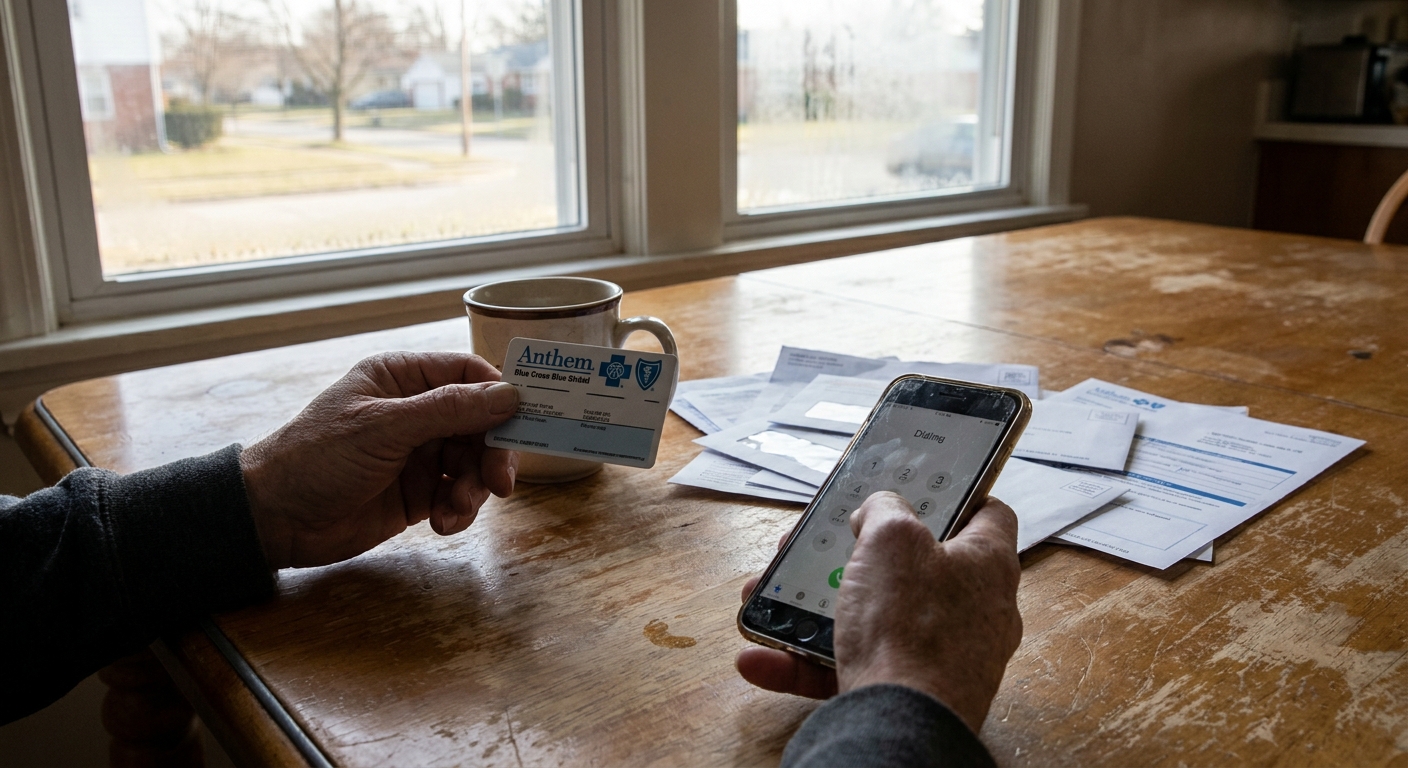
The Mental Health Parity and Addiction Equity Act (MHPAEA) requires commercial insurers, including Aetna, Anthem BCBS, Cigna, and Optum, to cover outpatient SUD treatment on the same terms as medical and surgical benefits. Tricare, which covers military members and their families, carries similar parity obligations for addiction treatment services.
Ohio Medicaid covers outpatient SUD treatment across all of its managed-care plans: CareSource, Buckeye Health Plan, Molina Healthcare, Anthem, Aetna, AmeriHealth Caritas, and Humana. According to the Ohio Department of Medicaid, the vast majority of outpatient behavioral health providers in Ohio accept at least one Medicaid managed-care plan. If you are enrolled in any of these plans, outpatient treatment is a covered benefit.
Before your first appointment, call your insurer’s member services line and ask specifically what outpatient SUD benefits are included in your plan, whether prior authorization is required, and what your out-of-pocket costs look like. Getting this confirmed before you enroll prevents billing surprises later.
What to do if you’re uninsured or underinsured
The Mahoning County ADAMHS (Alcohol, Drug Addiction and Mental Health Services) Board is the local funding authority for residents who cannot afford care. Federal block grant dollars flow through the ADAMHS system to community behavioral health centers, which often offer sliding-scale fees based on income. Not having insurance does not mean not getting treatment in Mahoning County.
Contact the Mahoning County ADAMHS board directly and ask about financial assistance pathways before ruling out care based on cost. The answer is almost always more accessible than people expect.
Co-occurring mental health conditions: why integrated care matters
SAMHSA’s 2022 National Survey on Drug Use and Health found that roughly 17 million adults in the United States had both a substance use disorder and a co-occurring mental illness in the past year. In the Youngstown area, as in most post-industrial Ohio communities, that overlap is common rather than exceptional.
Treating addiction without addressing the underlying mental health condition dramatically reduces long-term success rates. Depression, anxiety, PTSD, and bipolar disorder frequently drive substance use patterns, and programs that treat only the surface behavior leave the root cause untouched.
When you call a program, ask directly: can your clinical staff treat both my addiction and my mental health diagnosis in the same setting, or do you refer mental health out to another provider? Integrated care, where both conditions are managed by the same clinical team under one roof, is the standard to hold programs to. Anything less creates gaps that undermine recovery.
How to compare programs side by side
When evaluating two or three programs at once, compare on specifics rather than impressions. Accreditation status (CARF or The Joint Commission) is verifiable and meaningful. Staff-to-client ratios affect the quality of attention you receive. The treatment modalities offered tell you whether the program is evidence-based or not. Schedule flexibility matters practically: evening and weekend hours determine whether working adults in Youngstown can actually attend consistently.
A 2019 study published in the Journal of Substance Abuse Treatment identified transportation access and schedule conflicts as two of the leading reasons people drop out of outpatient care early, regardless of how much they wanted to complete treatment. Proximity to your home or workplace, and access to public transit routes in the Youngstown area, are not logistical afterthoughts. They are retention factors.
Map each program’s location against your actual daily schedule before committing. If getting there requires a 90-minute bus ride you cannot reliably make, the best program in Mahoning County will not help you. For residents in the surrounding area, exploring nearby options like those in Austintown can make consistent attendance far more realistic.
What the transition out of outpatient looks like
Step-down planning is a decision factor most people overlook when choosing a program, and overlooking it is a mistake. A quality outpatient program maps out the full continuum from your first day: how you will move from IOP to standard outpatient as your stability increases, what peer support and recovery community resources exist in Youngstown once formal treatment ends, how MAT will be continued if you are on it, and what your relapse prevention plan looks like in concrete terms.
According to NIDA’s research on long-term recovery outcomes, engagement in aftercare support after formal treatment ends is one of the strongest predictors of sustained recovery. Programs that frame discharge as the finish line misunderstand how recovery works. The standard outpatient phase, and what comes after it, matters as much as the treatment itself.
Ask any program you are considering what their specific aftercare plan looks like for someone at your stage. A quality program answers this question on day one, not on discharge day. If they cannot articulate what happens after treatment ends, that gap in thinking will show up in your care.
What to do this week
Identify two outpatient programs in the Youngstown area and call each one this week. Ask one question on each call: do you conduct a formal ASAM assessment before making a placement recommendation? That single question separates programs built around clinical standards from those that are not. Everything else in this guide gives you the framework, but that question is the fastest filter available. Make the calls.
Frequently asked questions
What is the difference between outpatient rehab and inpatient rehab in youngstown?
Inpatient or residential rehab requires you to live at the treatment facility for the duration of care, typically 28 to 90 days. Outpatient rehab in Youngstown allows you to attend scheduled treatment sessions while continuing to live at home. The right level depends on your clinical needs, withdrawal risk, and home stability, which a formal ASAM assessment determines.
Does ohio medicaid cover outpatient rehab in the youngstown area?
Yes. All of Ohio’s Medicaid managed-care plans, including CareSource, Buckeye, Molina, Anthem, Aetna, AmeriHealth Caritas, and Humana, cover outpatient substance use disorder treatment. Call your plan’s member services line to confirm your specific benefits and whether prior authorization is required before your first appointment.
How many hours per week does outpatient rehab require?
It depends on the level. Partial Hospitalization Programs (PHP) run 20 to 30 hours per week. Intensive Outpatient Programs (IOP) typically require nine to 15 hours per week. Standard outpatient, the maintenance level focused on reintegration, usually involves one to two sessions per week. Your clinical assessment determines which level fits your situation.
What if I cannot afford outpatient rehab and don’t have insurance?
Contact the Mahoning County ADAMHS board. Federal block grant funding flows through this system to community behavioral health centers in the area, many of which offer sliding-scale fees based on income. Cost is a barrier worth addressing directly rather than assuming it rules out treatment.
What does a quality outpatient program look like for co-occurring mental health conditions?
Look for integrated care, meaning the same clinical team treats both your substance use disorder and your mental health diagnosis in one setting. Programs that refer mental health needs out to separate providers create care gaps that reduce treatment effectiveness. Ask any program you contact directly whether they handle both conditions in-house.
How do I know which outpatient rehab in youngstown is accredited?
Ask the program directly for their accreditation status and the name of the accrediting body. CARF (Commission on Accreditation of Rehabilitation Facilities) and The Joint Commission are the two recognized accreditors for behavioral health programs in Ohio. Both maintain public directories on their websites where you can verify a program’s status independently.