Mahoning County recorded 148 opioid overdose deaths in a single recent year, according to the Ohio Department of Health’s overdose data dashboard. That number shapes everything about how opioid rehab in Youngstown, Ohio should work, and it’s why picking the right facility matters far more than picking the nearest one.
Why youngstown’s opioid crisis demands a specific response
The Ohio Department of Health’s county-level overdose dashboard shows Mahoning County consistently ranking among the hardest-hit counties in Northeast Ohio, with synthetic opioids, particularly fentanyl, driving the majority of fatal overdoses. Before you call any facility, pull up that dashboard at odh.ohio.gov and look at the current numbers. The profile you’ll see, fentanyl-dominant, with significant polysubstance involvement, means generic 12-step programming alone isn’t enough. Effective opioid rehab in Youngstown has to be built around medication-supported treatment, trauma-informed care, and the kind of individualized planning that accounts for what’s actually killing people in this community.
The practical step: search “Mahoning County overdose data” on the Ohio Department of Health website before making a single call. Knowing what the local data says helps you ask sharper questions when you speak with an admissions team.
What “the right fit” actually means in addiction treatment
NIDA’s research on treatment matching consistently shows that placement into an appropriate level of care, one that fits the severity of use, the presence of co-occurring conditions, and the individual’s life circumstances, produces significantly better retention and long-term sobriety outcomes than placement based on convenience or availability alone. A 2019 analysis published in the Journal of Substance Abuse Treatment found that matched placements reduced 90-day dropout rates by more than 30% compared to unmatched placements.
What this means in practice: the right fit is not just about geography. It’s about whether the facility offers the level of care your situation requires, whether they accept your insurance, whether they prescribe medications for opioid use disorder, and whether they treat the mental health conditions that almost always travel alongside addiction. Before making your first call, write down three non-negotiables. Examples might be: “must accept CareSource,” “must offer buprenorphine,” or “must have dual diagnosis capability.” That list keeps the conversation focused when admissions staff are trained to fill beds rather than answer hard questions.
The levels of care available in the youngstown area
The American Society of Addiction Medicine (ASAM) defines a continuum of care that runs from medically managed intensive inpatient services all the way down to standard outpatient. Understanding where you or your family member falls on that continuum is the first clinical question to answer, and it determines which facilities are even relevant to your search.
Medical detox: the starting point for opioid dependence
The CDC has documented that opioid withdrawal, while rarely fatal on its own for heroin or prescription opioids, carries serious risks including severe dehydration, dangerous cardiovascular stress, and an acute spike in overdose vulnerability immediately post-detox due to lost tolerance. A 2020 report from the Substance Abuse and Mental Health Services Administration (SAMHSA) noted that unsupervised opioid detox significantly increases the risk of relapse within the first 72 hours, often at lethal doses.
In the Youngstown area, medical detox means 24-hour nursing supervision, access to medications that manage withdrawal symptoms, and a clinical team monitoring vital signs. It is not a treatment program on its own. It is the door you walk through to get to treatment. If physical dependence is present, detox is the first call to make, not an outpatient intake.
Residential and inpatient rehab
Residential treatment is indicated when someone has a high relapse risk, an unstable or using home environment, or multiple prior treatment episodes that didn’t stick at lower levels of care. A 2018 study in Drug and Alcohol Dependence found that individuals with opioid use disorder who completed a residential program of 90 days or longer had significantly higher abstinence rates at one-year follow-up compared to those in shorter stays.
Length of stay matters. Thirty-day residential programs are common and marketable, but the research consistently points toward 60 to 90 days as the threshold where outcomes improve meaningfully. When evaluating a residential program near Youngstown, ask specifically what the average length of stay is, and whether they extend treatment based on clinical need or discharge on a fixed schedule.
Intensive outpatient and partial hospitalization programs (IOP/PHP)
IOP and PHP are the middle-ground options available throughout the Youngstown and Austintown corridor. PHP typically involves treatment five days a week for six or more hours a day. IOP usually runs three to five days a week for three to four hours per session. Both allow you to live at home while receiving structured clinical care.
SAMHSA data indicates that IOP produces outcomes comparable to residential treatment for individuals with stable housing and strong social support, making it a genuinely effective option rather than a consolation prize. IOP and PHP are particularly well-suited for employed adults, caregivers who can’t step away for residential care, or people stepping down from a residential program and needing continued structure. If you’re weighing which level of care fits your situation, the same framework applies whether the primary substance is opioids or alcohol.
Standard outpatient and medication-assisted treatment (MAT) clinics
A landmark 2020 study in the New England Journal of Medicine confirmed what NIDA had been documenting for years: medication-assisted treatment with buprenorphine, methadone, or naltrexone reduces opioid overdose mortality by 50% or more compared to treatment without medication. This is not a peripheral finding. It is the central evidence base for modern opioid treatment.
Youngstown has both opioid treatment programs (OTPs), which dispense methadone under federal regulations, and office-based buprenorphine prescribers operating through standard outpatient settings. MAT functions as both a standalone treatment for people who are stable and don’t need higher levels of care, and as a step-down option for people transitioning out of residential or IOP. When you call any facility, ask directly: “Is MAT integrated into your program, or do you refer out?” A facility that refers out for medication is asking you to manage two separate treatment relationships, which creates gaps.
How to evaluate a rehab facility before you commit
A 2021 SAMHSA report on quality indicators in substance use treatment identified accreditation status, staff-to-client ratios, medication availability, and dual diagnosis capability as the strongest predictors of positive treatment outcomes. Those four criteria are your due diligence checklist.
Accreditation and licensing
CARF International and The Joint Commission are the two major accrediting bodies for behavioral health facilities. Accreditation from either signals that the facility has met independently verified standards for clinical practice and patient safety. Ohio’s Mental Health and Addiction Services (MHAS) licensing is the state-level requirement: every legitimate SUD treatment provider in Ohio must hold an MHAS license.
The action here is simple. Verify any facility’s license on the Ohio MHAS provider directory before scheduling a tour. The search takes under five minutes and removes any guesswork about whether you’re dealing with a regulated clinical program.
Staff credentials and the role of medication
A 2020 study published in Psychiatric Services found that counselor-to-client ratios below 1:8 were associated with significantly better treatment retention in outpatient SUD programs. More directly: a facility without a licensed prescriber, a physician, nurse practitioner, or physician assistant with a DEA waiver or OTP registration on staff cannot properly deliver MAT.
Ask specifically: “Who prescribes and manages medications in your program, and are they on-site?” This question alone will tell you whether MAT is a genuine clinical service or a talking point.
Dual diagnosis capability
SAMHSA’s 2022 National Survey on Drug Use and Health found that more than 60% of people with opioid use disorder have at least one co-occurring mental health condition, most commonly depression, anxiety, or PTSD. Treating addiction without addressing those conditions is a clinically incomplete approach, and it’s a reliable path back to relapse.
Dual diagnosis capability means psychiatric evaluation is part of the intake process, not an add-on. It means the clinical team can diagnose and treat depression or trauma while simultaneously addressing opioid use. Ask any facility whether psychiatric evaluation happens at intake or is scheduled separately weeks later. The answer reveals whether dual diagnosis treatment is integrated or cosmetic. This matters especially when looking at what drives opioid addiction beneath the surface, because unaddressed trauma is one of the most common relapse triggers.
Insurance and payment: navigating coverage in mahoning county
SAMHSA’s 2022 National Survey on Drug Use and Health found that cost and insurance concerns were among the top reasons people who needed SUD treatment did not receive it. Coverage navigation is a solvable problem, not a permanent barrier.
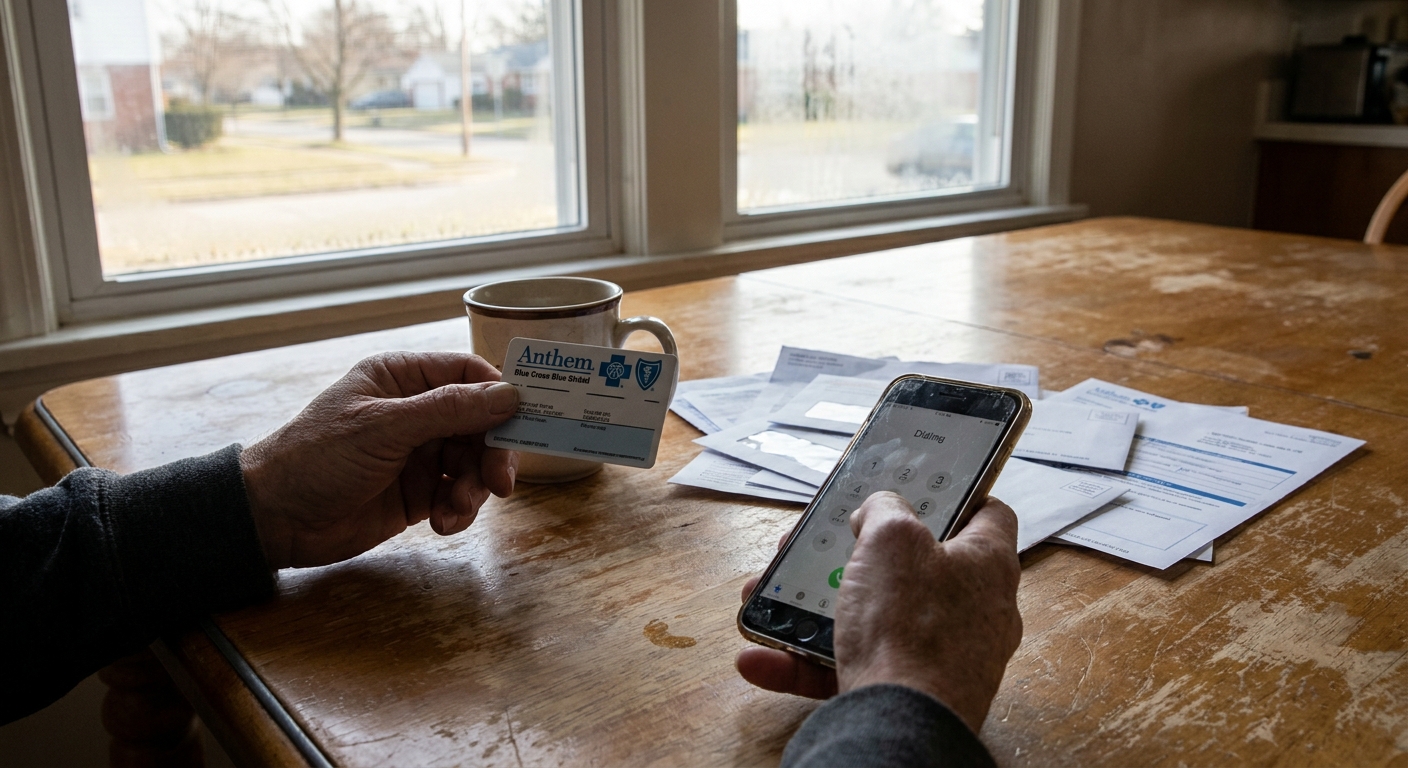
Commercial insurance (aetna, anthem BCBS, cigna, optum)
The Mental Health Parity and Addiction Equity Act (MHPAEA) legally requires commercial insurers to cover substance use disorder treatment at parity with medical and surgical benefits. In plain language: if your plan covers inpatient medical care, it must cover inpatient SUD treatment under comparable terms.
The move that works: call member services, ask specifically for your “SUD benefits,” and ask for your out-of-pocket maximum for both residential and IOP levels of care. Don’t ask generally about “behavioral health,” because SUD benefits are often administered separately from mental health benefits, and the general answer won’t give you the numbers you need.
Ohio medicaid managed care plans (CareSource, buckeye, molina, anthem, aetna, AmeriHealth caritas, humana)
Ohio Medicaid covers the full continuum of SUD treatment, from detox through residential to outpatient MAT. The complication is that each managed care plan has its own provider network and its own prior authorization rules, which means a facility that accepts CareSource may not accept Buckeye, even though both are Ohio Medicaid plans.
Call your plan’s behavioral health line directly, not the general member services number. Ask specifically for a list of Mahoning County SUD providers who are in-network for your plan, and ask whether prior authorization is required for detox or residential admission. Getting that list narrows your search immediately. For those also looking at local options across the broader Mahoning County area, the same network verification process applies.
Tricare and veterans’ benefits
The Youngstown area has a significant veteran population served by the VA Northeast Ohio Healthcare System. Tricare covers SUD treatment, including MAT, for eligible beneficiaries, with coverage rules varying by Tricare plan type (Prime, Select, or Reserve Select). The most direct path is contacting the Youngstown VA outpatient clinic and asking specifically about opioid use disorder treatment coordination, including whether community care referrals are available if wait times are long.
Common mistakes that delay recovery
A 2019 study in the Journal of Substance Abuse Treatment found that early treatment dropout, defined as leaving within the first 30 days, was most strongly predicted by poor clinical match, not by motivation or severity of use. The decisions made before entering treatment shape whether someone stays long enough for it to work.
Choosing proximity over clinical match
The nearest facility is not automatically the right one. Research on treatment access consistently shows that travel distance becomes a barrier mainly when it exceeds 45 to 60 minutes, but within that range, clinical match predicts outcomes far more reliably than convenience. If the facilities closest to Youngstown don’t offer MAT, don’t treat dual diagnosis, or don’t accept your insurance, expand your search radius to 30 to 45 minutes. A program that actually fits your clinical needs, even in a neighboring county, outperforms a local facility that doesn’t.
Waiting for “rock bottom”
William Miller’s foundational research on motivational interviewing, developed over decades of clinical trials, directly contradicts the rock-bottom myth. Earlier intervention consistently produces better long-term outcomes. The belief that someone must hit rock bottom before treatment “takes” is not supported by the evidence and has cost lives.
If someone in your life is using opioids daily, today is early enough to call. Severity of use does not determine readiness for treatment; readiness is something that can be supported and developed, and waiting for crisis escalates medical risk dramatically.
Skipping aftercare planning
A 2018 study in Drug and Alcohol Dependence found that relapse rates in the first 90 days post-discharge were significantly higher for individuals who left treatment without a structured aftercare plan, specifically MAT continuation, peer support, or regular outpatient appointments. Recovery doesn’t end at discharge. Ask any facility, before you enroll, what their discharge planning process looks like and what support is in place for the first 90 days after you leave. A program that can’t answer that question clearly hasn’t thought carefully enough about long-term outcomes.
What to do this week
Open SAMHSA’s treatment locator at findtreatment.gov, filter for Mahoning County and opioid treatment, and make one call today. Not to research, not to think about it, but to ask two specific questions: “Do you accept my insurance?” and “Do you offer medication-assisted treatment?” Those two questions will tell you more in five minutes than hours of online searching. The people who get help are the ones who make that call.
Frequently asked questions
What is the difference between an opioid treatment program (OTP) and an office-based buprenorphine provider?
An OTP is a federally certified clinic that dispenses methadone daily under direct supervision and may also offer buprenorphine. Office-based providers, typically primary care physicians or psychiatrists, prescribe buprenorphine through regular appointments without the daily clinic visit requirement. Both are legitimate MAT options; the right choice depends on the medication that’s clinically appropriate and the structure that fits your daily life.
Does ohio medicaid cover residential opioid rehab in the youngstown area?
Yes. Ohio Medicaid covers the full SUD treatment continuum, including residential care, when it is clinically indicated. Your managed care plan (CareSource, Buckeye, Molina, and others) manages network access and prior authorization. Call your plan’s behavioral health line, not general member services, to confirm which residential providers are in-network for your specific plan.
How long does opioid rehab typically take?
There is no universal timeline. Medical detox typically lasts five to ten days. Residential treatment is most effective at 60 to 90 days based on outcome research. IOP usually runs eight to twelve weeks. MAT with buprenorphine or methadone is frequently continued for a year or longer, because the evidence supports extended duration. Be skeptical of any program that gives you a fixed discharge date at admission without a clinical rationale.
What if I have a co-occurring mental health condition like depression or PTSD?
Look specifically for a program with integrated dual diagnosis treatment, meaning psychiatric evaluation at intake and the ability to treat both the mental health condition and the opioid use disorder simultaneously. More than 60% of people with OUD have a co-occurring mental health condition, according to SAMHSA, so this is not a specialized edge case. It’s the norm, and treatment that ignores it produces predictably worse outcomes.
Can I go to opioid rehab if I have a job or family responsibilities?
Yes. IOP and PHP are specifically designed for people who cannot step away from employment or caregiving. PHP typically runs during daytime hours; evening IOP programs are common and allow people to maintain work schedules. MAT through an office-based provider may require only weekly or biweekly appointments once stabilized. Residential treatment remains the right choice when the home environment is not safe or when outpatient structure hasn’t been sufficient, but it’s not the only path.
What should I ask when I call a youngstown-area rehab facility for the first time?
Ask four questions: Does the facility hold an Ohio MHAS license and CARF or Joint Commission accreditation? Is MAT available on-site with a licensed prescriber? Does intake include a psychiatric evaluation for co-occurring conditions? And what does discharge planning look like for the first 90 days after treatment? The answers to those four questions reveal whether the program is clinically serious or primarily focused on filling beds.