The first call to an opioid addiction treatment program is one of the hardest a person makes. It’s also one of the most consequential decisions in recovery, and making it without knowing what to look for can lead to choosing a program that simply doesn’t fit.
Why the first decision matters most
According to SAMHSA’s 2022 National Survey on Drug Use and Health, fewer than 20% of the 2.5 million Americans with opioid use disorder received any form of specialty treatment in the prior year. Of those who did enter treatment, early dropout was the single strongest predictor of relapse and overdose. The type of program chosen in the first 30 days, the level of care, the medication policy, and the presence of mental health support shapes long-term outcomes more than almost any other variable.
The research is blunt about this. A 2020 NIDA analysis of treatment retention data found that patients who stayed in treatment for 90 days or more had dramatically better outcomes across employment, criminal justice involvement, and sustained abstinence compared to those who left in the first month. Most early dropout traces back to poor initial match: the wrong level of care, a program that doesn’t address co-occurring conditions, or a medication policy that leaves someone in unmanaged withdrawal.
This guide exists to solve that problem. By the time you finish reading, you’ll know exactly what questions to ask, what red flags to take seriously, and how to match your situation to the right kind of care.
What evidence-based opioid addiction treatment actually means
“Evidence-based” is one of the most overused phrases in addiction treatment marketing. Every program uses it. Few define it. In clinical practice, it means three specific things: the use of FDA-approved medications for opioid use disorder (MOUD), behavioral therapies with randomized controlled trial support, and structured outcome tracking that the program can actually show you.
A 2022 NIDA review of treatment modalities confirmed what a decade of research had already established: programs that combine medication with behavioral therapy produce significantly better outcomes than either approach alone. Specifically, buprenorphine and methadone were associated with a 50% or greater reduction in overdose mortality when sustained over 12 months.
Here’s how to use that finding when making calls: ask every program directly whether they prescribe FDA-approved medication for opioid use disorder. The answer tells you more than any brochure. A program that hedges, says they “evaluate it case by case,” or steers the conversation toward abstinence before assessing your medical needs is telling you something important about how they approach treatment.
The three FDA-approved medications and what they do
Buprenorphine, methadone, and naltrexone are the three medications FDA-approved for opioid use disorder, and they work through distinct mechanisms suited to different situations.
Buprenorphine is a partial opioid agonist. It binds to opioid receptors and reduces cravings and withdrawal symptoms without producing the full euphoric effect of opioids like heroin or oxycodone. It’s prescribed in office-based settings, which makes it highly accessible. A 2021 study published in the New England Journal of Medicine found that extended buprenorphine treatment reduced illicit opioid use by 36% compared to placebo over a 24-week period. It’s often the right starting point for people with moderate-to-severe opioid dependence who have stable enough housing to manage outpatient care.
Methadone is a full opioid agonist with a long half-life. It eliminates withdrawal symptoms and cravings entirely when dosed correctly. It requires daily dispensing at a licensed opioid treatment program (OTP), which creates structure but also a logistical commitment. Decades of research support its effectiveness, particularly for people with long-term high-dose opioid use. The daily clinic requirement can be a barrier, but it’s also a built-in touchpoint with care staff.
Naltrexone is an opioid antagonist. It blocks opioid receptors entirely, meaning that using opioids while on naltrexone produces no effect. The extended-release injectable form (Vivitrol) is administered monthly, which removes the daily adherence burden. The catch is that a patient must be fully detoxed before starting naltrexone, since taking it while any opioids remain in the system triggers immediate severe withdrawal. It fits best for people who have already completed detox and are highly motivated to maintain abstinence.
Knowing which medications a program offers lets you match your medical situation, lifestyle, and prior treatment history to the right level of care before you walk through the door.
Why “medication-free” programs often underperform
A 2019 study published in JAMA Psychiatry followed patients discharged from residential programs that prohibited medication-assisted treatment. Within one month of discharge, 66% had relapsed to opioid use. Overdose mortality in the 30 days following discharge from abstinence-only residential care was substantially elevated compared to peers who continued buprenorphine or methadone.
The mechanism is straightforward: opioids restructure brain chemistry over time, reducing the brain’s natural dopamine production and altering how it processes reward, stress, and motivation. Willpower doesn’t reverse neurochemical changes. Medication does, and behavioral therapy reinforces those changes over time.
If a program frames medication as “a crutch” or tells you the goal is to get off all substances including buprenorphine on a compressed timeline, ask directly for their outcome data: 90-day retention rates, post-discharge overdose rates, one-year sobriety figures. A program confident in their approach will share that data. One that deflects is giving you an answer even when they don’t say anything.
The levels of care and how to know which one fits
The American Society of Addiction Medicine (ASAM) developed the continuum of care framework specifically to match treatment intensity to clinical need. An ASAM-aligned assessment evaluates six dimensions: withdrawal risk, biomedical conditions, emotional and behavioral conditions, readiness to change, relapse potential, and living environment. The result is a placement recommendation, not a sales pitch.
A 2019 study in the Journal of Addiction Medicine found that ASAM-guided placement improved 90-day retention by 23% compared to programs that used self-selection or convenience-based placement. The takeaway: the right intensity of care matters as much as the quality of the program.
Medically managed detox
Detox is the process of clearing opioids from the body under medical supervision while managing withdrawal symptoms. For opioids, withdrawal is rarely life-threatening in otherwise healthy adults, but it is intensely uncomfortable, and unmanaged withdrawal is the most common reason people abandon early recovery. Medical detox uses medications to ease that process and keep patients safe.
Detox is not treatment. It is the prerequisite for treatment. A 2018 SAMHSA advisory on opioid withdrawal management explicitly noted that detox alone, without a structured transition into ongoing care, has near-zero long-term success rates for opioid use disorder. Ask any program whether detox is followed by a defined treatment plan with a named next step, and whether medication management continues after the acute withdrawal phase ends.
Residential and inpatient programs
Residential treatment provides 24-hour structured care in a live-in facility. It’s the appropriate level for people who have co-occurring mental health conditions that require close monitoring, who lack stable and sober housing, or who have attempted outpatient care multiple times without sustained success.
A 2020 analysis from the Journal of Substance Abuse Treatment found that high-complexity patients placed in residential care had significantly better 12-month outcomes than similar patients placed in outpatient, particularly when residential programs included integrated psychiatric care and continued MOUD. The key word is complexity. Residential is not inherently better; it’s better for the right person.
To assess whether you or a family member fits residential criteria, consider three factors: Is the home environment currently stable and substance-free? Is there meaningful social support from people not actively using? Have outpatient attempts been made before, and what happened? If two of those three are problems, residential is worth pursuing seriously.
Outpatient and intensive outpatient programs (IOP)
Intensive outpatient programs typically require nine or more hours of treatment per week, structured across three to five days. Standard outpatient runs fewer hours. Both allow participants to live at home, maintain employment, and stay connected to family while receiving structured care.
A 2022 SAMHSA report on opioid treatment outcomes found that IOP combined with MOUD produced retention rates comparable to residential care for patients without severe co-occurring conditions or housing instability. For people with strong home environments and family support, IOP is often the right entry point. It also fits real life in ways that residential cannot: you can keep your job, stay present for your kids, and begin rebuilding daily structure in the actual environment where long-term recovery has to happen.
If you’re exploring options for opioid care in the Youngstown area, understanding whether a program offers IOP alongside medication management is one of the most useful questions you can ask at first contact.
Co-occurring mental health conditions: the factor most programs overlook
SAMHSA’s 2023 National Survey on Drug Use and Health found that 53% of adults with opioid use disorder also met criteria for at least one co-occurring mental health condition, most commonly depression, anxiety disorders, and post-traumatic stress disorder. More than half of people seeking opioid treatment are carrying an additional diagnosis, and many don’t know it yet.
Treating opioid use disorder without addressing the underlying mental health condition is a documented path to relapse. The addiction and the psychiatric condition feed each other: opioids become a way to manage untreated anxiety or trauma, and stopping opioids without treating those drivers leaves the original pain in place. A whole-person approach addresses both simultaneously, in the same clinical setting, with integrated treatment planning.
Ask every program directly: do you provide dual-diagnosis psychiatric care on-site, or do you refer out for mental health treatment? Referral-only models create gaps. Integration is the standard worth holding programs to. If you’re also navigating related prescription drug concerns in the Toledo area, this integrated approach matters just as much for prescription opioid addiction as it does for heroin.
How to evaluate a program’s actual track record
A 2023 Government Accountability Office report on substance use treatment programs found significant gaps between marketed outcomes and documented clinical results. Many programs produce testimonials. Far fewer produce auditable outcome data.
The metrics that actually matter are retention rate at 30, 60, and 90 days; overdose rates among patients during and after treatment; and post-discharge employment and housing stability. Secondary markers include voluntary discharge rates and the percentage of patients who transition to a lower level of care rather than simply leaving.
Request a program’s outcome report before committing to intake. Frame it as a reasonable ask, because it is. Any program unwilling to provide documented outcome data is telling you something more useful than any marketing brochure could.
Questions to ask before enrolling
The first phone call is diagnostic. You’re not just getting information; you’re assessing whether the program knows what good care looks like. Ask whether the program prescribes buprenorphine, methadone, or naltrexone, and what their policy is on continuing a patient’s existing MOUD prescription. Ask about staff credentials: are clinical staff licensed as LISW, LPCC, or holding a CDCA credential? Ask the counselor-to-patient ratio, because caseloads above 40:1 are a warning sign for any individualized treatment claim. Ask what family involvement options exist, since family engagement in treatment is associated with better 12-month outcomes. Finally, ask what the aftercare plan looks like at discharge, and whether the program maintains contact at six months post-discharge.
A strong program answers these questions directly. Vague answers about “individualized care” that circle back to the same talking points without specifics are a signal to keep looking.
Insurance, medicaid, and what coverage actually pays for in ohio
Cost is the most frequently cited reason people delay opioid addiction treatment. The assumption is that care is unaffordable, and that assumption keeps people sick. In Ohio, it is often wrong.
The Mental Health Parity and Addiction Equity Act requires commercial insurance plans to cover substance use disorder treatment at parity with medical and surgical benefits. A 2022 analysis from the Milbank Quarterly found persistent violations of parity requirements, particularly around prior authorization and limits on residential stays, but the legal obligation exists and it is enforceable.
Ohio Medicaid covers opioid use disorder treatment through its managed-care plans: CareSource, Buckeye Health Plan, Molina Healthcare, Anthem, Aetna, AmeriHealth Caritas, and Humana. All seven plans are required to cover MOUD, behavioral health counseling, and appropriate levels of care under Ohio Medicaid’s behavioral health benefit. Commercial payers operating in Ohio, including Aetna, Anthem BCBS, Cigna, Optum, and Tricare, carry the same parity obligations at the federal level.
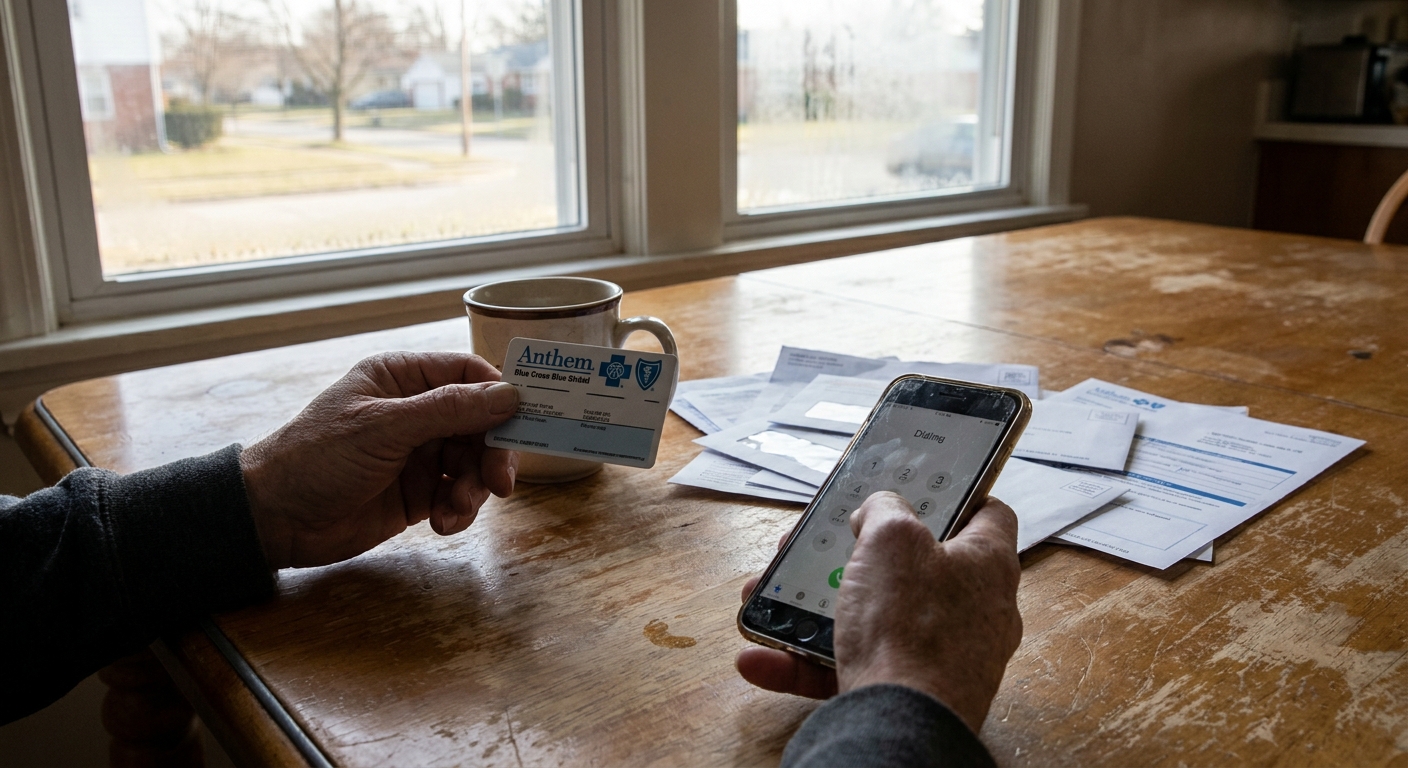
The concrete action: call the member services number on the back of your insurance card and ask two specific questions. First, what in-network programs provide opioid use disorder treatment? Second, is prior authorization required for medication-assisted treatment? Getting those answers before calling programs saves time and removes a common barrier to starting.
Local treatment access in northwest ohio and mahoning county
Ohio’s opioid crisis has not been distributed evenly. According to the Ohio Department of Health’s 2022 overdose data, Lucas County and Mahoning County both posted unintentional drug overdose death rates above the state average, with fentanyl involved in the substantial majority of those deaths. The need for accessible, high-quality opioid treatment in Toledo and Youngstown is not abstract.
Access barriers in these markets are real. Transportation to daily methadone clinic appointments is a documented obstacle in both Lucas and Mahoning Counties. Wait times for residential placement create gaps that cost lives. Knowing what to ask for shortens that gap.
For the Toledo area, including Maumee and Lucas County, same-day assessment availability and office-based buprenorphine prescribing through outpatient programs are the fastest entry points into care. In the Youngstown and Austintown area, including Mahoning County, programs offering telehealth buprenorphine initiation alongside in-person counseling address both the access and clinical needs simultaneously. If you’re looking at heroin addiction treatment options in Mahoning County, telehealth-enabled buprenorphine initiation is worth asking about specifically.
The action: call a local program this week and ask whether they offer same-day or next-day intake appointments. Access speed is not a convenience metric; it’s a clinical one. Research consistently shows that the window between deciding to seek help and completing intake is the period of highest dropout risk.
Aftercare and long-term recovery support
A 2022 study in the Journal of Substance Abuse Treatment found that people with opioid use disorder who engaged with peer recovery support specialists post-discharge were 40% less likely to relapse at 12 months compared to those who received no continuing support. The mechanism is not complicated: sustained connection to people and structures that reinforce recovery decisions reduces the friction of staying sober when life gets hard.
Opioid use disorder is a chronic condition. Treating it as a short-term crisis to resolve and then leave behind is the fastest route back to the same crisis. Strong aftercare looks like continued medication management through an outpatient prescriber, regular counseling sessions, peer support through a certified recovery specialist or community group, and a named point of contact at the treatment program who remains reachable after discharge.
Before completing intake at any program, ask what the aftercare structure looks like at 90 days and whether the program has a formal six-month post-discharge follow-up protocol. Programs that plan for your life after treatment are the ones that take long-term recovery seriously. For those also navigating related concerns like alcohol use alongside opioid addiction, aftercare planning that accounts for multiple substance use patterns is a standard worth requiring.
What to do this week
Everything in this guide points to one move. Call a program today and ask two questions: do you prescribe FDA-approved medication for opioid use disorder, and do you accept my insurance? Those two answers will tell you whether the conversation is worth continuing.
A 2021 NIDA analysis of treatment access data found that patients who initiated MOUD within 72 hours of their first call to a treatment program had significantly higher 90-day retention rates than those who waited for a scheduled assessment. Speed matters, and one phone call starts the clock.
Treatment for opioid use disorder works. The evidence is not ambiguous. Programs combining medication with behavioral therapy and integrated mental health care produce sustained recovery in the majority of patients who stay engaged. The first call is the move that changes everything.
Frequently asked questions
How long does opioid addiction treatment typically last?
There is no single timeline that fits every situation. A 2020 NIDA analysis found that outcomes improve substantially when patients remain in treatment for at least 90 days, and many clinical guidelines recommend 12 months of ongoing care for opioid use disorder. Medication management often continues well beyond the formal treatment phase, which is appropriate for a chronic condition.
Can someone start buprenorphine treatment without going to a clinic every day?
Yes. Unlike methadone, buprenorphine can be prescribed in office-based settings and, since federal regulations changed in 2023, through telehealth without a prior in-person visit for most patients. This makes it significantly more accessible in areas like Northwest Ohio and Mahoning County where daily clinic attendance creates a transportation barrier.
What if a family member refuses to go to treatment?
Family involvement in treatment planning is associated with better outcomes, and it also plays a role in a person’s decision to seek help. CRAFT (Community Reinforcement and Family Training) is a structured, evidence-based approach that helps family members influence a loved one’s treatment engagement without confrontation or enabling. Ask programs whether they offer family education or CRAFT-based support.
Does ohio medicaid cover residential opioid treatment?
Ohio Medicaid covers residential treatment for opioid use disorder when clinical criteria are met through an ASAM-aligned level of care determination. All seven Ohio Medicaid managed-care plans (CareSource, Buckeye, Molina, Anthem, Aetna, AmeriHealth Caritas, and Humana) are required to cover this benefit. Prior authorization is typically required, so confirm the process with the specific managed-care plan before placement.
Is opioid addiction treatment different for heroin versus prescription opioids?
Physiologically, heroin and prescription opioids act on the same receptors, and the FDA-approved medications work for both. The clinical differences lie primarily in the social and psychological context: prescription opioid use disorder often begins with legitimate pain management, which may require additional attention to chronic pain treatment as part of the recovery plan. The evidence base for buprenorphine, methadone, and naltrexone is strong across both presentations.
What does “dual diagnosis” treatment actually mean in practice?
Dual diagnosis treatment means that both the substance use disorder and any co-occurring mental health condition (depression, anxiety, PTSD, bipolar disorder) are treated within the same program by coordinated clinical staff, rather than addressing one and referring elsewhere for the other. In practice, it means psychiatric evaluation is part of intake, medication management may address both conditions, and therapy addresses the relationship between mental health and substance use simultaneously.