
Meth Withdrawal Symptoms and Timeline: What to Expect When You Stop Using

pained woman holding head from the Long Term Effects of Meth Abuse

Stopping methamphetamine can feel overwhelming, especially when the emotional and psychological symptoms of withdrawal begin to take hold. While many people expect withdrawal to be primarily physical, meth withdrawal often brings intense depression, exhaustion, cravings, and an inability to experience pleasure that can make recovery feel impossible without support. Understanding what to expect and knowing that effective meth withdrawal treatment is available, can make all the difference. At Midwest Recovery Center, we provide compassionate, evidence-based care, including same-day assessments, to help individuals safely navigate withdrawal and begin building a foundation for long-term recovery.

The Truth About Meth Withdrawal

Methamphetamine withdrawal doesn’t look the way most people picture drug withdrawal. There are no seizures, no dramatic physical collapse. What there is and what makes meth withdrawal so difficult to get through, is a profound neurological crash that strips away the ability to feel pleasure, motivation, or hope for days or weeks at a time.

The brain on meth has been flooded with dopamine far beyond anything it can naturally produce. When meth is removed, the dopamine system shuts down. The result is a withdrawal experience that is almost entirely psychological and for that reason, often dismissed or minimized. It shouldn’t be.

Why Meth Withdrawal Is Primarily Psychological

Meth causes the brain to release massive quantities of dopamine, estimates suggest 3 to 5 times more than cocaine, and far more than any natural reward. Over time, the brain responds by reducing its own dopamine receptor density and natural dopamine production. It stops trying to compete with the drug.

When meth is removed, the dopamine system is severely depleted. There’s not enough dopamine to generate normal feelings of motivation, pleasure, or reward. Food tastes like nothing. Activities that used to feel good are flat. Sleep is overwhelming but doesn’t restore anything. This is anhedonia the inability to feel pleasure and it’s the defining feature of meth withdrawal.

Meth Withdrawal Symptoms

Psychological Symptoms

  • Severe depression often described as the worst they’ve ever felt
  • Anhedonia – complete inability to feel pleasure from anything
  • Intense fatigue and lack of motivation
  • Anxiety and agitation
  • Intense cravings for meth
  • Cognitive difficulties, slow thinking, poor concentration, memory problems
  • Paranoia (particularly in people who experienced meth-induced psychosis)
  • Suicidal ideation – a serious risk during the depressive phase of withdrawal

Physical Symptoms

  • Profound fatigue – sleeping 18–20 hours per day is not uncommon in the early phase
  • Increased appetite (meth suppresses appetite; withdrawal reverses this sharply)
  • Headaches
  • Muscle aches
  • Dehydration
  • Hypersomnia transitioning to insomnia

Psychosis-Related Symptoms

People who developed meth-induced psychosis during active use may experience lingering or re-emerging psychotic symptoms during withdrawal, hallucinations, paranoid ideation, delusional thinking. These require immediate clinical attention and are not typical meth withdrawal; they indicate a more serious neurological picture that needs psychiatric evaluation.

Meth Withdrawal Timeline

Hours 24–48: The Crash

Within 24 hours of the last use, the crash begins. Energy disappears. Mood drops sharply. Hunger surges. Most people sleep heavily, for extended periods. The crash is the brain’s emergency response to the sudden absence of the dopamine stimulation it’s been relying on. It’s uncomfortable but represents the body beginning to regulate.

Days 3–10: Peak Withdrawal

This is the hardest phase. The overwhelming sleep of the crash gives way to a state that’s neither restful nor alert, exhausted but unable to sleep soundly, depressed but unable to relax. Cravings are intense. Depression is at its deepest. Cognitive function is significantly impaired.

This is the highest-risk window for relapse. Without clinical structure and support, most people use again during this phase — not because they’ve decided recovery isn’t worth it, but because the neurological pain is genuinely overwhelming and meth provides immediate relief.

Weeks 2–4: Stabilization

Physical symptoms begin to ease. Sleep improves, appetite normalizes, and the most acute depression starts to lift. Cravings remain significant, particularly in response to stress or environmental cues. Cognitive function slowly improves but is not yet back to baseline.

Weeks 4–16+: Post-Acute Withdrawal Syndrome (PAWS)

Meth PAWS is among the most prolonged of any substance. Symptoms, primarily depression, anhedonia, cognitive difficulties, and cue-triggered cravings, can persist for 3 to 6 months, and in long-term heavy users, neurological recovery continues for up to a year or more.

Research using brain imaging has shown that the dopamine system in long-term meth users can take 12 to 18 months of abstinence to return to near-normal function. This isn’t discouraging, it’s important context. People in long-term meth recovery routinely report that mood, motivation, and the ability to feel joy return. The recovery window is just longer than most people expect.

Is Meth Withdrawal Dangerous?

Meth withdrawal doesn’t carry the seizure risk of alcohol or benzo withdrawal. But two risks deserve serious attention:

  • Suicidal ideation: The severe depression of meth withdrawal can include active suicidal thoughts. This is a medical emergency, not a symptom to manage at home. Anyone experiencing suicidal ideation during meth withdrawal needs immediate clinical support.
  • Overdose on relapse: Tolerance drops rapidly during abstinence. People who relapse during or after meth withdrawal and return to their previous dose are at serious risk of overdose, particularly if they’ve been using fentanyl-contaminated supply.

How Meth Withdrawal Is Treated

There is currently no FDA-approved medication specifically for meth withdrawal, though several are used clinically to manage specific symptoms:

  • Antidepressants (e.g., bupropion) — may help with depression and have some evidence base for reducing meth cravings
  • Modafinil — used in some clinical settings to address the severe fatigue and cognitive impairment of early withdrawal
  • Mirtazapine — helps with sleep, appetite, and anxiety during acute withdrawal
  • Antipsychotics — for patients with meth-induced psychosis or severe paranoia

The evidence base most clearly supports behavioral treatment for meth use disorder. Contingency Management, a structured reward-based therapy, has the strongest research support of any intervention for stimulant addiction. CBT is also highly effective for relapse prevention.

Midwest Recovery Center’s meth withdrawal treatment and IOP program combine medical support, evidence-based therapy, and peer accountability to address both the acute withdrawal phase and the longer road of recovery that follows.

Why Professional Support Makes the Difference

Meth withdrawal is survivable at home. But the combination of severe depression, profound anhedonia, intense cravings, and cognitive impairment makes home-based cessation extremely difficult to sustain through the hardest weeks. Clinical support doesn’t just make withdrawal more comfortable, it provides the external structure that compensates for the internal motivation and executive function the dopamine crash temporarily removes.

Call Midwest Recovery Center at (833) 657-0858 or verify your insurance online. Our team is available for same-day assessments and can walk you through every step of the process.

Frequently Asked Questions

How long does meth withdrawal last?

The acute crash begins within 24 hours and lasts 2–3 days. Peak withdrawal symptoms occur in days 3–10. Most acute symptoms resolve within 2–4 weeks. Post-acute withdrawal syndrome primarily depression, anhedonia, and cognitive difficulties can persist for 3 to 6 months, with full neurological recovery taking up to 12–18 months in long-term heavy users.

Is meth withdrawal physically dangerous?

Unlike alcohol or benzo withdrawal, meth withdrawal does not typically cause seizures. The primary dangers are psychiatric, severe depression, suicidal ideation, and psychotic symptoms in some users as well as overdose risk if a person relapses after a period of abstinence has reduced their tolerance.

What does meth withdrawal feel like?

Most people describe it as a profound, all-encompassing exhaustion combined with the worst depression they’ve ever felt. The inability to feel pleasure, anhedonia, is often the hardest part to tolerate. Things that used to bring enjoyment feel completely flat. This resolves over time, but the early weeks of meth withdrawal are genuinely difficult.

Does insurance cover meth addiction treatment?

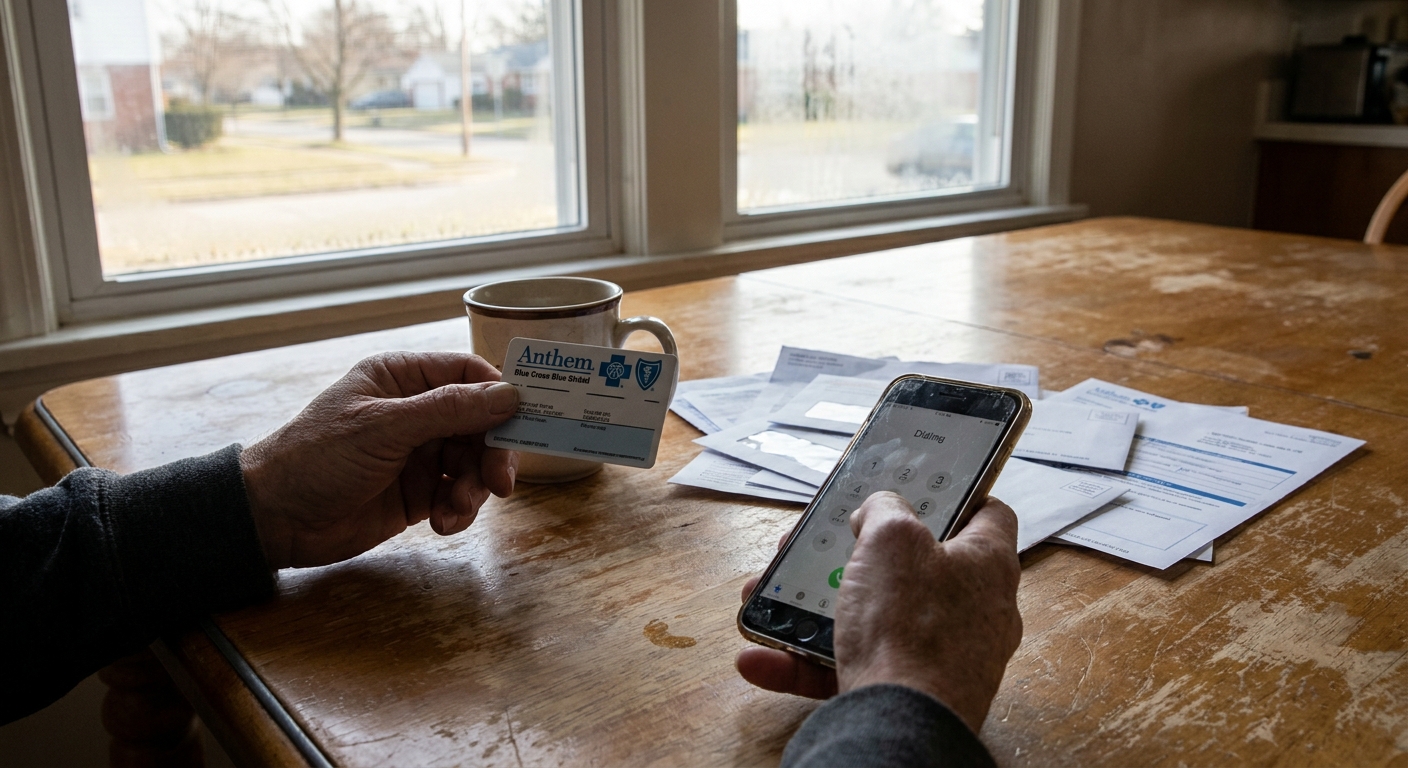
Yes. Meth addiction is a covered substance use disorder under most major insurance plans. Midwest Recovery Center accepts Aetna, Anthem, Blue Cross Blue Shield, Cigna, UnitedHealthcare, Molina, and many others. Verify your coverage here.

*The stories shared in this blog are meant to illustrate personal experiences and offer hope. Unless otherwise stated, any first-person narratives are fictional or blended accounts of others’ personal experiences. Everyone’s journey is unique, and this post does not replace medical advice or guarantee outcomes. Please speak with a licensed provider for help.

Level Of Care

PHP (Partial Hospitalization Program)
Daytime treatment with structure, therapy, and support—return home each night.

IOP (Intensive Outpatient Program)
Flexible therapy a few days a week to balance life and recovery.

OP (Outpatient Program)
Ongoing therapy and support to maintain progress.

MAT (Medication-Assisted Treatment)
Evidence-based care using medication and counseling to reduce cravings.

Ready to Start?
Call (833) 657-0858: to learn which program fits your recovery goals.

Who are you seeking help for? *

We’re here to listen and help you find the right path forward. Please tell us who needs care so we can match you with the best program and support.

💬 Your responses are 100% confidential and never shared outside our admissions team.

Recovery Shouldn’t Have to Wait — Begin Treatment Today.

At Ohio Treatment Center in Toledo, Ohio, we make it simple to take that first step toward healing. Our streamlined admissions process can often lead to same-day placement in treatment for MAT, PHP, IOP and more..

Call today for a free, confidential consultation with our caring admissions team — we’ll walk you through every step with compassion and clarity.

Call (833) 657-0858
Why call us?

Check Your Insurance Coverage in Minutes

We’ll handle the insurance details — so you can focus on getting better.

At Ohio Treatment Center, we work with most major private insurance providers to make treatment affordable and accessible. Complete our quick, confidential form below, and we’ll let you know if your plan is in-network — without contacting your insurance company.

Commonly accepted providers include:
Blue Cross Blue Shield (BCBS) • Aetna • Cigna • UnitedHealthcare • Humana • Anthem • Tricare

What Happens Next

  • Fill out the short form below
  • Our team reviews your benefits
  • We’ll contact you with your coverage details

Getting help shouldn’t be stressful. Let’s find out what your insurance can cover today.

Level Of Care

Detox
Begin recovery safely with 24/7 medical support. Our detox program helps you manage withdrawal comfortably and prepares you for the next step.

Residential Treatment
Continue healing in a supportive, structured setting with daily therapy, wellness activities, and round-the-clock care.

Aftercare
Before you leave, we’ll help you create a plan for ongoing support and lasting recovery.

Ready to Start?
Call (833) 657-0858: to learn which program fits your recovery goals.

Who are you seeking help for? *

We’re here to listen and help you find the right path forward. Please tell us who needs care so we can match you with the best program and support.

💬 Your responses are 100% confidential and never shared outside our admissions team.

Recovery Shouldn’t Have to Wait — Begin Treatment Today.

At Midwest Detox Center in Maumee, Ohio, we make it simple to take that first step toward healing. Our streamlined admissions process can often lead to same-day placement in treatment for medically supervised detox and residential treatment programs.

Call today for a free, confidential consultation with our caring admissions team — we’ll walk you through every step with compassion and clarity.

Call (833) 657-0858
Why call us?

Check Your Insurance Coverage in Minutes

We’ll handle the insurance details — so you can focus on getting better.

At Midwest Detox, we work with most major private insurance providers to make treatment affordable and accessible. Complete our quick, confidential form below, and we’ll let you know if your plan is in-network — without contacting your insurance company.

Commonly accepted providers include:
Blue Cross Blue Shield (BCBS) • Aetna • Cigna • UnitedHealthcare • Humana • Anthem • Tricare

What Happens Next

  • Fill out the short form below
  • Our team reviews your benefits
  • We’ll contact you with your coverage details

Getting help shouldn’t be stressful. Let’s find out what your insurance can cover today.

Level Of Care

Medical Detox
24/7 medically supervised detox to help you safely withdraw from drugs or alcohol while managing symptoms and preventing complications.

Inpatient Treatment
A structured, residential setting that provides continuous medical care, counseling, and therapeutic support to build a foundation for long-term recovery.

Residential Program
Comfortable, home-like housing where you can focus fully on healing with daily therapy, peer support, and holistic recovery services.

Ready to Start?
Call (833) 657-0858: to learn which program fits your recovery goals.

Who are you seeking help for? *

We’re here to listen and help you find the right path forward. Please tell us who needs care so we can match you with the best program and support.

💬 Your responses are 100% confidential and never shared outside our admissions team.

Recovery Shouldn’t Have to Wait — Begin Detox Today

At Ohio Detox Center in Maumee, Ohio, we make it simple to take that first step toward healing. Our streamlined admissions process can often lead to same-day placement in detox or inpatient treatment for substance use and co-occurring mental health conditions.

Call today for a free, confidential consultation with our caring admissions team — we’ll walk you through every step with compassion and clarity.

Call (833) 657-0858
Why call us?

Check Your Insurance Coverage in Minutes

We’ll handle the insurance details — so you can focus on getting better.

We’ll take care of the details — so you can focus on getting better.
At Ohio Detox Center, we work with Ohio Medicaid and most major insurance providers to make treatment affordable and accessible.

Here’s how it works:

  1. Fill out the short form below
  2. Our team reviews your benefits
  3. We’ll contact you with your coverage details

Getting help shouldn’t be stressful. Let’s find out what your insurance can cover today.

Levels of Care

Detox
We understand that taking the first step can feel overwhelming. Our detox program offers a compassionate, medically supported environment where you can rest, heal, and begin recovery safely. You’ll never go through it alone — our team is with you every step of the way.

IOP (Intensive Outpatient Program)
A flexible treatment option that lets you maintain work, school, or family responsibilities while attending therapy several days a week. IOP focuses on relapse prevention, coping skills, and long-term recovery through group and individual sessions.

Residential
Residential care gives you the time and space to focus fully on healing. Surrounded by supportive staff and peers, you’ll work through underlying causes of addiction, rebuild healthy routines, and rediscover confidence in your recovery journey.

MAT (Medication-Assisted Treatment)
Combining FDA-approved medications with counseling and behavioral therapy, MAT helps reduce cravings and withdrawal symptoms related to opioid or alcohol use. Each treatment plan is closely monitored to ensure comfort, safety, and lasting recovery.

Ready to Start?
Call (833) 657-0858: to learn which program fits your recovery goals.

Who are you seeking help for? *

We’re here to listen and help you find the right path forward. Please tell us who needs care so we can match you with the best program and support.

Myself

A loved one or family member

💬 Your responses are 100% confidential and never shared outside our admissions team.

Check Your Insurance Coverage in Minutes

We’ll handle the insurance details — so you can focus on getting better.

At Midwest Centers at Youngstown, we work with most major private insurance providers to make treatment affordable and accessible. Complete our quick, confidential form below, and we’ll let you know if your plan is in-network — without contacting your insurance company.

Commonly accepted providers include:
Blue Cross Blue Shield (BCBS) • Aetna • Cigna • UnitedHealthcare • Humana • Anthem • Tricare

What Happens Next

  • Fill out the short form below
  • Our team reviews your benefits
  • We’ll contact you with your coverage details

Getting help shouldn’t be stressful. Let’s find out what your insurance can cover today.

Recovery Shouldn’t Have to Wait — Begin Treatment Today.

At Midwest Centers at Youngstown in Ohio, we make it simple to take that first step toward healing. Our streamlined admissions process can often lead to same-day placement in treatment for substance use or co-occurring mental health disorders.

Call today for a free, confidential consultation with our caring admissions team — we’ll walk you through every step with compassion and clarity.

Level Of Care

Partial Hospitalization Program (PHP)
Our PHP offers a highly structured, supportive environment where you can focus on recovery during the day and return home at night. It’s an ideal step between inpatient and outpatient care, providing daily therapy, accountability, and a strong recovery routine.

Intensive Outpatient Program (IOP)
Our IOP gives you the flexibility to continue work, school, or family life while receiving evidence-based treatment several days a week. You’ll participate in group and individual therapy focused on relapse prevention, coping skills, and long-term healing.

Outpatient Program (OP)
For those transitioning from a higher level of care or seeking ongoing support, our outpatient program offers continued therapy at a pace that fits your lifestyle. It’s a supportive bridge that helps you maintain recovery and stay connected to care.

Medication-Assisted Treatment (MAT)
MAT combines FDA-approved medications with therapy and counseling to reduce cravings and support long-term recovery from opioid or alcohol addiction. Our team monitors each plan closely to ensure safety, comfort, and effectiveness.

Ready to Start?
Call (833) 657-0858: to learn which program fits your recovery goals.

Who are you seeking help for? *

We’re here to listen and help you find the right path forward. Please tell us who needs care so we can match you with the best program and support.

Myself

A loved one or family member

💬 Your responses are 100% confidential and never shared outside our admissions team.

Recovery Shouldn’t Have to Wait — Begin Treatment Today.

At Midwest Recovery Center in Toledo, Ohio, we make it simple to take that first step toward healing. Our streamlined admissions process can often lead to same-day placement in treatment for substance use or co-occurring mental health disorders.

Call today for a free, confidential consultation with our caring admissions team — we’ll walk you through every step with compassion and clarity.

Check Your Insurance Coverage in Minutes

We’ll handle the insurance details — so you can focus on getting better.

At Midwest Recovery Center, we work with most major private insurance providers to make treatment affordable and accessible. Complete our quick, confidential form below, and we’ll let you know if your plan is in-network — without contacting your insurance company.

Commonly accepted providers include:
Blue Cross Blue Shield (BCBS) • Aetna • Cigna • UnitedHealthcare • Humana • Anthem • Tricare

What Happens Next

  • Fill out the short form below
  • Our team reviews your benefits
  • We’ll contact you with your coverage details

Getting help shouldn’t be stressful. Let’s find out what your insurance can cover today.