Alcohol use disorder affects roughly 1 in 10 Ohio adults, yet fewer than 10 percent of those who need treatment ever receive it, according to SAMHSA’s 2022 National Survey on Drug Use and Health. If you’re looking into IOP for alcohol addiction in Mahoning County, Ohio, this guide walks you through what the level of care actually involves, how to evaluate a program, and what to do before you make your first call.
What intensive outpatient treatment actually is
SAMHSA’s Treatment Improvement Protocol (TIP) 47 defines intensive outpatient programs as structured treatment delivered in a community setting, typically nine or more hours of clinical contact per week across three to five days. You attend therapy during the day or evening, then return home. That distinction matters: IOP is not a watered-down version of inpatient care. It is a distinct level of care designed for people who are medically stable and ready to practice recovery skills in their actual environment.
A standard IOP runs eight to twelve weeks, combining group therapy, individual counseling, psychoeducation, and family sessions. The concrete way to confirm a program qualifies: ask whether it meets the nine-hour-per-week minimum and whether it uses a licensed clinical staff to deliver evidence-based modalities. If the answer to either is no, keep looking.
How IOP compares to other levels of care
A 2020 review published in the Journal of Substance Abuse Treatment, analyzing outcomes across more than 2,400 patients, found that IOP produced comparable sobriety rates to residential treatment for patients who were appropriately matched to the level of care. The phrase “appropriately matched” is doing a lot of work there. Matching matters as much as the treatment itself.
The three levels most people encounter form a continuum. Medical detox or inpatient residential care provides 24-hour supervision, most appropriate when withdrawal risk is high or the home environment cannot support early recovery. IOP sits in the middle: structured enough to deliver meaningful clinical intervention, flexible enough to preserve work and family responsibilities. Standard outpatient, typically one to two sessions per week, works for people with strong support and an already-established recovery foundation.
For a broader look at how intensive outpatient programs are structured, that breakdown covers the clinical components in more detail.
Who IOP is the right fit for
The American Society of Addiction Medicine (ASAM) Patient Placement Criteria identify the key markers for IOP candidacy: medical stability with no significant withdrawal risk, motivation to engage in outpatient treatment, and a living situation that supports rather than undermines recovery. You do not need a perfect home life, but you do need a home environment where you can sleep safely and avoid active triggers on a daily basis.
The plain-language version: IOP works when your home is a place you can return to, not a place you need to escape. Before enrolling, ask any provider directly: “Based on my history and current situation, can you confirm IOP is the right level of care, or should I be evaluated for something more intensive first?”
When to consider a higher level of care first
The 2022 NIAAA report on alcohol withdrawal notes that approximately 15 percent of people with alcohol use disorder experience clinically significant withdrawal, with a subset at risk for seizures or delirium. If you have a history of severe withdrawal symptoms, multiple prior treatment attempts that ended in early relapse, or an unsafe living situation, starting with medical detox or residential care is sequencing, not failure. IOP is often the level of care that follows.
The action here is straightforward: before committing to any IOP program, identify one person who can assess your withdrawal risk. A primary care physician or addiction medicine specialist can complete this evaluation. Do not skip this step.
What to look for in a mahoning county IOP program
A 2021 study in JAMA Psychiatry, drawing on data from 4,100 treatment episodes, found that programs integrating cognitive behavioral therapy, motivational interviewing, and medication-assisted treatment produced significantly better 12-month abstinence outcomes than programs relying on a single modality. Quality programs in Mahoning County should offer all three.
The factors that separate effective programs from ineffective ones: licensed clinical staff (look for LCDCs, LPCCs, or LSWs), the availability of medication-assisted treatment for alcohol use disorder (naltrexone and acamprosate are first-line options), integrated dual diagnosis treatment for co-occurring mental health conditions, and a documented aftercare plan. Programs built around the Youngstown-area treatment landscape reflect how these criteria apply locally. Bring these questions to the first phone call, not after you’ve signed intake paperwork.
Verifying insurance coverage in mahoning county
According to a 2023 SAMHSA report, IOP is covered by the majority of commercial insurance plans and all Ohio Medicaid managed-care plans as a medically necessary behavioral health benefit. In practical terms, this means Aetna, Anthem BCBS, Cigna, Optum, and Tricare all typically cover IOP when medical necessity criteria are met. Ohio Medicaid plans, including CareSource, Buckeye, Molina, AmeriHealth Caritas, and Humana, cover IOP under the state’s behavioral health benefit package.
“In-network” determines your out-of-pocket cost, not whether coverage exists. The exact question to ask the billing department or your insurance company: “Is this specific provider in-network for my plan, and what is my cost-sharing for outpatient behavioral health after my deductible?” Get the answer in writing before your first session.
What a typical week in IOP looks like
SAMHSA’s TIP 47 describes a standard IOP week as a combination of group therapy (the core modality), individual therapy sessions, psychoeducation on the biology of addiction, relapse prevention planning, and optional family involvement. Drug screening is a routine part of accountability. Programs typically offer morning or evening tracks specifically to accommodate work schedules.
Knowing the schedule before you commit is what makes IOP compatible with the rest of your life. Ask any program you are evaluating for a sample weekly schedule. If they cannot produce one, that tells you something about how organized the program is.
Common mistakes to avoid when choosing an IOP
A 2021 analysis in JAMA Network Open, examining 6,800 treatment episodes, found that poor treatment matching was the single strongest predictor of early dropout, outpacing cost and scheduling barriers. Three errors drive most bad matches.
The first is choosing a program based on location or convenience without verifying clinical quality. The second is skipping the co-occurring mental health screening: unaddressed depression or anxiety is the most common driver of relapse, and a program without dual diagnosis capability will not catch it. The third is enrolling in IOP before completing medical detox when withdrawal risk is present.
One question screens for all three at intake: “Do you complete a co-occurring mental health assessment at admission, offer medication-assisted treatment, and perform a withdrawal risk evaluation before placing patients in IOP?”
How to take the next step this week
A 2020 Yale School of Medicine study of 1,200 patients seeking alcohol treatment found that individuals who initiated treatment within seven days of their first contact were 2.3 times more likely to complete 90 days of care than those who waited longer than two weeks. Same-week action is not urgency for its own sake. It is the single variable most associated with engagement.
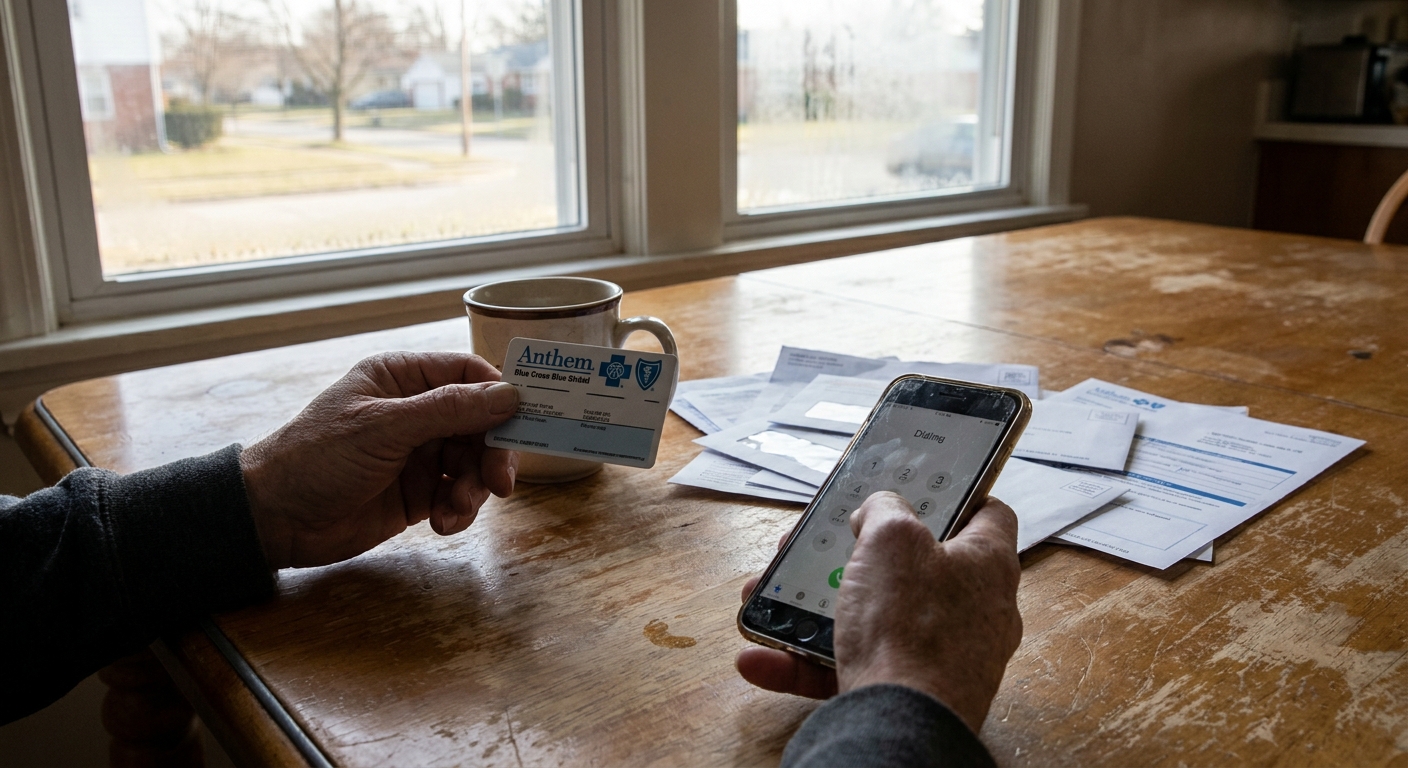
The move: make one call before the end of the week. Have your insurance card ready, the name of your primary care physician, and a clear description of your current drinking pattern, including daily amount, duration, and any prior withdrawal history. Ask about availability, insurance verification, and whether the program offers a co-occurring mental health assessment at intake.
That one call answers most of your questions and starts the clock on the outcome data that matters.
Frequently asked questions
How many hours per week does IOP require for alcohol treatment?
A clinically recognized IOP requires a minimum of nine hours of structured programming per week, typically spread across three to five days. Many programs run three-hour sessions on three weekdays, though evening and morning scheduling options exist to accommodate work.
Does IOP work for alcohol addiction specifically, or is it designed for other substances?
IOP is effective for alcohol use disorder specifically. Evidence-based modalities like cognitive behavioral therapy and motivational interviewing are validated for alcohol treatment, and medication-assisted treatment options, including naltrexone and acamprosate, are alcohol-specific FDA-approved medications that quality programs integrate into IOP.
Will ohio medicaid cover IOP for alcohol treatment in mahoning county?
Yes. All Ohio Medicaid managed-care plans, including CareSource, Buckeye, Molina, Anthem, Aetna, AmeriHealth Caritas, and Humana, cover IOP as a behavioral health benefit when medical necessity criteria are met. Call your plan’s member services line to confirm in-network providers in Mahoning County.
Do I need to complete detox before starting IOP?
If you have a history of heavy daily drinking or prior withdrawal complications, a medical withdrawal evaluation is a necessary first step. Alcohol withdrawal carries seizure risk for a subset of patients, and IOP is not equipped to manage active withdrawal. A physician or addiction medicine provider can assess your risk before you enroll.
Can I keep working while attending IOP?
Most IOP programs in Mahoning County offer morning or evening tracks precisely because maintaining employment is a realistic goal during treatment. Confirm the specific schedule options with any program you contact, and ask whether the schedule has flexibility for shift workers or variable schedules.
What happens after IOP ends?
Completion of IOP typically transitions to standard outpatient care, one to two sessions per week, combined with peer support groups and ongoing medication management if applicable. A quality program builds this aftercare plan before your final IOP session, not after. Ask about aftercare structure during your initial intake call.