Not every person who needs addiction treatment needs to check into a residential program, and not every person can afford to step away from work, family, or daily responsibilities to do so. IOP addiction treatment in Toledo, Ohio fills that gap with structure and clinical rigor, and knowing what to look for before you enroll makes the difference between a program that works and one that wastes critical time.
What intensive outpatient treatment actually is
The Substance Abuse and Mental Health Services Administration reports that over 1.5 million Americans received treatment in outpatient settings in a recent National Survey on Drug Use and Health, yet a significant share enrolled in programs that lacked the intensity required for lasting recovery. Intensive outpatient treatment, commonly called IOP, sits at a specific level of care between standard weekly therapy and inpatient or residential treatment. Where standard outpatient might mean one or two hours of counseling per week, IOP requires a minimum of nine hours of structured clinical programming per week, typically spread across three to five days. Most programs run between nine and fifteen hours weekly.
You live at home during IOP. You keep your job, care for your family, and sleep in your own bed. The clinical work happens during scheduled group and individual therapy sessions at the treatment facility. That combination of daily structure and community living is the design, not a compromise. IOP exists specifically for people whose addiction or co-occurring mental health condition is serious enough to need frequent clinical contact but stable enough that round-the-clock supervision is not required. Qualifying conditions span alcohol use disorder, opioid use disorder, stimulant use disorder, benzodiazepine dependence, and a wide range of co-occurring conditions including depression, anxiety, and PTSD.
How to know if IOP is the right level of care
A 2019 SAMHSA Treatment Episode Data Set analysis found that patients placed at a treatment level matched to their clinical needs were significantly more likely to complete treatment and less likely to require a higher level of care within 30 days. The tool professionals use to determine that match is the American Society of Addiction Medicine (ASAM) criteria, a six-dimension assessment covering intoxication and withdrawal risk, biomedical conditions, emotional and behavioral conditions, readiness to change, relapse potential, and living environment.
In plain terms, ASAM criteria answer one question: does this person need 24-hour supervision, structured daily programming, or weekly check-ins? IOP is the right level when withdrawal risk is manageable, when the home environment is reasonably stable, and when the person has enough motivation to engage actively in treatment without constant oversight. Co-occurring mental health conditions, specifically depression, anxiety, and trauma, do not disqualify someone from IOP. They are a reason to ensure the program has integrated dual diagnosis treatment built into its model, not treated as a separate concern.
Before you call any program, ask directly: “Do you conduct a full ASAM criteria assessment before placement, and what happens if my needs change during treatment?” A credible program answers that question without hesitation. For a broader overview of how this level of care is structured, it helps to understand the full continuum before your first call.
The non-negotiables: what a quality toledo IOP program must have
A 2020 study published in the Journal of Substance Abuse Treatment analyzed 340 outpatient programs and found that programs delivering evidence-based modalities with licensed clinical staff had retention rates 38% higher than programs that did not. In a field where dropout is the primary threat to recovery, retention is the outcome that matters most. The structural features of a program are not administrative details. They are predictors of whether treatment actually works.
Accreditation and ohio licensure
Ohio’s Mental Health and Addiction Services (MHAS) agency licenses addiction treatment programs at the state level. Any IOP operating in Toledo must hold this certification, and you can verify it directly through the Ohio MHAS provider search before you make a single call. National accreditation from CARF International or The Joint Commission adds an independent layer of clinical accountability. These bodies conduct site visits, review clinical records, and audit staff credentials on a recurring cycle. Licensure tells you a program meets the legal minimum. Accreditation tells you a third party has reviewed the actual quality of care.
The action here is simple: look up the program’s name in the Ohio MHAS licensure database and confirm it appears before scheduling an intake.
Evidence-based treatment modalities
The National Institute on Drug Abuse (NIDA) identifies Cognitive Behavioral Therapy (CBT) as one of the most studied and effective treatments for substance use disorder across multiple substances, with strong evidence for both reducing use and preventing relapse. Alongside CBT, Dialectical Behavior Therapy (DBT) has a strong evidence base for patients with co-occurring emotional regulation difficulties, and contingency management has shown particularly strong results for stimulant use disorders.
In a real IOP session, CBT looks like structured group discussion where a therapist guides participants through identifying triggers, challenging distorted thinking, and practicing coping responses. What it does not look like is open-ended “talk it out” group time without a clinical framework. Ask any program directly: “Which evidence-based modalities do your licensed therapists use, and how are they incorporated into weekly sessions?” Vague answers are a signal worth taking seriously.
Medication-assisted treatment integration
A 2019 New England Journal of Medicine analysis found that buprenorphine and naltrexone each reduced opioid relapse rates by approximately 50% compared to behavioral treatment alone. For Toledo-area residents dealing with opioid use disorder specifically, Medication-Assisted Treatment (MAT) is not an optional add-on. It is a standard of care supported by decades of research. A quality IOP either provides MAT directly through a prescribing clinician on staff or coordinates actively with a prescriber outside the program.
Ask this specific question: “Does your IOP provide MAT, or do you coordinate with an outside prescriber, and how does that coordination work in practice?” Any program that cannot answer clearly, or that treats MAT as controversial, is operating behind the current evidence.
Insurance coverage and what it means for toledo residents
The Mental Health Parity and Addiction Equity Act (MHPAEA) requires that health insurers cover addiction treatment at the same level they cover other medical conditions. In practice, this means major commercial insurers including Aetna, Anthem BCBS, Cigna, Optum, and Tricare are required to cover IOP services. Ohio Medicaid managed-care plans, including CareSource, Buckeye, Molina, Anthem Medicaid, Aetna Medicaid, AmeriHealth Caritas, and Humana, also cover IOP under the behavioral health benefit.
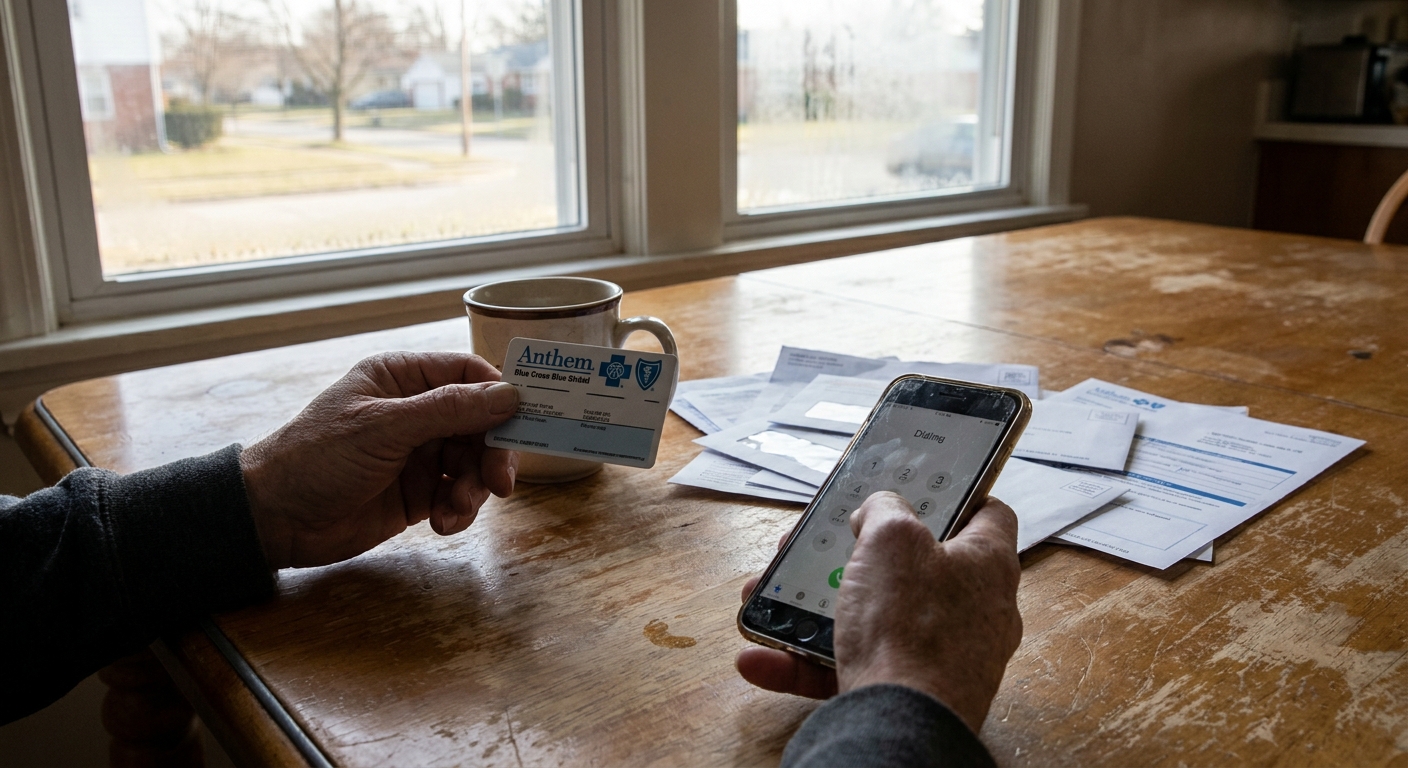
What “in-network” means in practice is straightforward: you pay your plan’s standard copays or coinsurance, and the insurer reimburses the provider at a pre-negotiated rate. Out-of-network use of benefits, when available at all, typically costs you significantly more out of pocket. The two questions to ask when you call the member services number on the back of your insurance card are: “Is this IOP provider in-network under my plan?” and “What is my out-of-pocket cost per session or per day of IOP?” Having those answers before your intake appointment removes one source of stress from an already demanding process.
Schedule formats: day, evening, and weekend programming
A 2021 study published in Psychiatric Services tracked 600 outpatient treatment participants and found that scheduling conflicts with work or childcare were the leading reported reason for early dropout, accounting for 41% of exits before program completion. Toledo-area IOP programs vary substantially in when they run sessions, and that variation matters more than most people expect when they start.
Morning programs typically run between 9 a.m. and 12 p.m. and work well for people who are not currently employed or whose schedule opens up later in the day. Evening programs, generally running from 5 p.m. to 8 p.m., are designed for people maintaining full-time or part-time employment. Some programs offer Saturday sessions to fill gaps in weekday schedules. If you have shift work, childcare obligations, or unpredictable scheduling, ask for the full weekly schedule in writing before you commit. A mismatch between your schedule and a program’s hours is a predictable dropout risk, and it is entirely preventable.
Family involvement and aftercare planning
A SAMHSA-published review of family therapy research found that including family members in substance use treatment reduced 12-month relapse rates by as much as 20% compared to individual treatment alone. Family involvement is not a courtesy feature. It is a clinical tool with documented outcomes. Quality IOP programs build family sessions into the schedule at regular intervals, provide psychoeducation for family members about the nature of addiction, and offer support that addresses the family system rather than treating the patient in isolation.
Ask any program you’re considering: “How often are family members included in sessions, and what does that look like?” A program that treats family involvement as optional or logistically difficult is leaving evidence-based clinical support on the table.
Aftercare planning deserves equal attention. A strong IOP has a documented discharge plan from the first week of treatment, not something assembled in the final sessions before you leave. Step-down to standard outpatient, connection to peer support groups, and access to alumni programming are the features that extend the gains made during IOP into the following months. If you are also exploring options in nearby counties, treatment programs serving Mahoning County follow the same criteria outlined here and merit the same evaluation.
Red flags to avoid when choosing an IOP in toledo
SAMHSA’s guidance on predatory practices in addiction treatment identifies patient brokering as one of the clearest warning signs: programs that pay for referrals or that pressure people into enrollment before conducting a proper clinical assessment. The Federal Trade Commission has also published consumer guidance specifically addressing misleading claims by treatment providers.
The clearest warning signs in plain terms: a program that cannot provide its Ohio MHAS license number when asked, a program whose clinical staff credentials are vague or unverifiable, a program that pressures you to enroll immediately without a formal assessment, a program that makes no mention of evidence-based modalities or MAT when you ask directly, and a program that deflects questions about accreditation. Run any program you’re seriously considering through the Ohio MHAS provider search before signing anything. That one step costs nothing and takes under five minutes.
What the first week of IOP looks like
Research published in Drug and Alcohol Dependence found that 40 to 60% of treatment dropout in outpatient programs occurs within the first two weeks, most often because patients did not know what to expect and found the reality of treatment more uncomfortable than they had anticipated. A concrete mental model of the first week reduces that surprise significantly.
Day one is typically an intake appointment and a full biopsychosocial assessment conducted by a licensed clinician. The assessment covers medical history, substance use history, mental health history, and current living situation. From that assessment, the treatment team develops an individualized treatment plan before group sessions begin. The first group session is structured, not open-ended. A licensed therapist facilitates it with a clinical objective. You will not be expected to share anything you are not ready to share. What you will be expected to do is show up, engage with the material, and attend consistently.
For people considering how Lucas County programs are structured alongside Toledo options, the intake process follows the same pattern, though specifics vary by provider. The emotional texture of the first week typically includes discomfort, some relief, and an adjustment period as the daily routine of treatment takes shape. That is normal and expected. The concrete thing you can do today to prepare: gather your insurance card, a list of current medications, and emergency contacts. Having those ready shortens the intake process and removes friction from your first appointment.
What to try this week
Call the member services number on the back of your insurance card today, confirm that the Toledo-area IOP you’re considering is in-network, and ask what your out-of-pocket cost per session will be. That single call turns an abstract decision into a concrete one, and it is the fastest path from considering treatment to actually starting it.
Frequently asked questions
How many hours per week does IOP require in toledo?
Most IOP programs in Toledo require between nine and fifteen hours of structured clinical programming per week, spread across three to five days. The minimum threshold recognized by SAMHSA for intensive outpatient classification is nine hours per week. Programs with higher weekly hour requirements typically offer more intensive support during early recovery.
Does ohio medicaid cover IOP in toledo?
Yes. All Ohio Medicaid managed-care plans, including CareSource, Buckeye, Molina, Anthem Medicaid, Aetna Medicaid, AmeriHealth Caritas, and Humana, cover intensive outpatient treatment under the behavioral health benefit. Contact your specific plan’s member services line to confirm in-network providers and any prior authorization requirements before you enroll.
What is the difference between IOP and partial hospitalization (PHP)?
Partial hospitalization programs (PHP) typically run five to six hours per day, five days per week, for a total of 25 to 30 or more hours of weekly programming. IOP is a step below PHP in intensity, generally running nine to fifteen hours per week. In a step-down treatment model, IOP follows PHP as the patient demonstrates clinical stability and readiness for a less intensive level of care.
Can I work full-time while attending IOP in toledo?
Many Toledo-area IOP programs offer evening sessions specifically designed for people maintaining employment. Scheduling formats vary by provider, so ask for a full weekly schedule before enrolling to confirm the program’s hours align with your work obligations. The research is clear that scheduling mismatches are a leading cause of early dropout, making this one of the most practical questions to resolve before you start.
Does IOP treat co-occurring mental health conditions like anxiety or depression?
A quality IOP uses an integrated dual diagnosis model that addresses addiction and co-occurring mental health conditions simultaneously rather than treating them as separate issues. Not every program has this capability. Ask directly whether the program employs licensed mental health clinicians alongside addiction counselors and whether co-occurring conditions are addressed within the same treatment plan.
How long does IOP typically last?
Most IOP programs run between eight and twelve weeks, though duration varies based on individual clinical progress. A good program does not set a rigid endpoint at enrollment. Instead, the treatment team reassesses your progress regularly and adjusts the discharge timeline based on clinical milestones rather than calendar dates alone.