Finding the right level of addiction treatment in Lucas County takes more than a quick Google search. An intensive outpatient program sits at a specific point in the continuum of care, and understanding what it actually offers, and whether it fits your situation, makes the difference between treatment that works and treatment you abandon after two weeks.
What an intensive outpatient program actually is
According to SAMHSA’s 2023 National Survey on Drug Use and Health, adults who participated in structured outpatient treatment were significantly more likely to sustain recovery at the 12-month mark than those who received no formal treatment. An intensive outpatient program, or IOP, is structured treatment that does not require an overnight stay. You attend sessions at a facility, then return home each evening.
The format is consistent across most credible programs: group therapy sessions form the core, supplemented by individual counseling and psychoeducation on topics like relapse prevention, coping skills, and the neuroscience of addiction. The weekly time commitment runs between 9 and 15 hours, typically spread across three to five days. That structure is deliberate. It creates enough frequency to build new habits and process difficult material, without requiring you to leave your job, your family, or your home.
The practical takeaway: IOP is not a lighter version of residential care. It is a distinct treatment model designed for people who are medically stable and ready to practice recovery skills in real time, while maintaining daily life.
How IOP differs from other levels of care
The American Society of Addiction Medicine (ASAM) developed the Patient Placement Criteria to give clinicians a standardized way to match people to the right level of care. The continuum moves from medical detox at the highest intensity, through residential and inpatient programs, into partial hospitalization (PHP), then IOP, and finally standard outpatient at the lowest intensity.
Clinicians use six dimensions in the ASAM criteria to make that placement decision: intoxication and withdrawal potential, medical conditions, emotional and behavioral conditions, readiness to change, relapse potential, and living environment. If you score low enough on withdrawal risk and have a stable home, IOP is frequently the appropriate starting point or step-down destination after a higher level of care.
The rule of thumb is straightforward. IOP fits when you are medically stable, have a safe living situation, and need structured support without stepping away from daily life entirely. If any of those three conditions is not met, a higher level of care is indicated.
When PHP makes more sense than IOP
Partial hospitalization typically runs five to six hours per day, five days per week, which is closer to a full-time schedule. A 2021 study published in the Journal of Substance Abuse Treatment found that clients with recent relapse history showed better 90-day outcomes when placed in PHP before stepping down, compared to clients who entered IOP directly.
PHP is the right call when psychiatric symptoms are not yet stabilized, when housing is unstable or unsafe, or when a recent relapse has demonstrated that IOP-level support is not yet sufficient. Think of PHP as the bridge that makes IOP more likely to succeed. For readers exploring Toledo-area options across the full continuum, understanding where PHP ends and IOP begins is the first organizing question.
When standard outpatient is enough
Standard outpatient typically means one to two sessions per week, often with a therapist or counselor. It is appropriate when substance use is at an early stage, social support is strong, and relapse risk is assessed as low. If you have already completed IOP and made significant progress, standard outpatient is often the right step-down.
The honest gauge: if you are reading this because someone close to you is in active crisis, or if multiple treatment attempts have not produced lasting results, standard outpatient is not the starting point.
What to expect week by week in an IOP
The intake process is more thorough than most people expect. A proper biopsychosocial assessment covers substance use history, mental health history, medical conditions, family dynamics, and living situation. That assessment drives the treatment plan, so it takes time and it matters.
The first week is mostly orientation: understanding the program schedule, meeting the clinical team, joining groups for the first time, and completing any remaining assessment components. Most people describe the first week as disorienting but manageable. By the second and third weeks, the therapeutic work deepens. Group sessions typically cover cognitive-behavioral skills, emotional regulation drawn from Dialectical Behavior Therapy, and relapse prevention planning. Individual sessions run in parallel, addressing personal history and trauma in a more private setting.
A 2022 study from the National Institute on Drug Abuse found that programs incorporating both group and individual therapy components produced better retention rates than programs relying on group therapy alone. Treatment plans are adjusted as progress is made, and drug screening is a routine part of the process. Family involvement varies by program but is generally encouraged, particularly for identifying patterns that affect recovery at home.
The time commitment across a week, between 9 and 15 hours, is real. Plan for it before you enroll rather than discovering it mid-first-week.
Key factors to evaluate when choosing an IOP in lucas county
Not all intensive outpatient programs are equal, and the research on what predicts recovery is clear enough to give you a concrete evaluation framework. The factors below are the ones that consistently separate programs with strong outcomes from those that do not.
Accreditation and licensing
The Commission on Accreditation of Rehabilitation Facilities (CARF) and The Joint Commission are the two nationally recognized accreditation bodies for behavioral health programs. Accreditation is not automatic. Programs undergo rigorous review of clinical practices, staff qualifications, safety protocols, and client rights. The Ohio Department of Mental Health and Addiction Services (OhioMHAS) licensure is the baseline legal requirement for operating in Ohio.
The verification step is simple: visit the OhioMHAS provider search tool at mha.ohio.gov and confirm a program’s license status before you call. A licensed program will also be able to tell you their CARF or Joint Commission status on the first inquiry call.
Dual diagnosis capability
SAMHSA’s 2023 data indicates that approximately 21.5 million adults in the United States have co-occurring substance use and mental health disorders. Anxiety, depression, PTSD, and trauma histories are common alongside addiction, and treating only the substance use without addressing what underlies it produces reliably worse outcomes.
Midwest Recovery Center’s IOP carries an integrated dual diagnosis approach, meaning psychiatric care and addiction treatment happen within the same program rather than in separate systems that rarely communicate. When evaluating any program in Lucas County, ask directly: does your clinical team include a licensed psychiatrist or psychiatric nurse practitioner who manages medication alongside the addiction counseling? If the answer is vague, keep looking.
Evidence-based treatment modalities
The therapies with the strongest research support are Cognitive Behavioral Therapy (CBT), Dialectical Behavior Therapy (DBT), Motivational Interviewing (MI), EMDR for trauma processing, and Medication for Opioid Use Disorder (MOUD) where clinically indicated. A 2023 Cochrane Review confirmed that CBT-based interventions produced consistent reductions in substance use across multiple substance categories.
The question to ask on an inquiry call: which specific evidence-based modalities does your program use, and how are they delivered? Programs with strong clinical foundations will answer that question without hesitation.
Staff credentials and caseload
Staff credentials to look for include Licensed Professional Clinical Counselors (LPCCs), Licensed Social Workers (LSWs), Licensed Alcohol and Drug Counselors (LADCs), and access to psychiatry. A 2020 meta-analysis in Psychotherapy found that therapeutic alliance, the quality of the relationship between client and clinician, is one of the strongest predictors of treatment outcome across all mental health and addiction conditions.
That alliance is harder to build when a counselor carries too many clients. Ask directly: what is the typical caseload per counselor? A reasonable ratio for an IOP is no more than 10 to 12 active clients per primary counselor.
Location, schedule flexibility, and transportation
Lucas County covers Toledo and surrounding communities including Maumee, Sylvania, Oregon, and Waterville. Getting to sessions consistently matters as much as which sessions you attend. A 2019 study in the Journal of Substance Abuse Treatment found that transportation barriers were among the top reasons cited for IOP non-completion.
Evening and weekend scheduling is not a luxury for people balancing work and family. It is a retention tool. Ask any program about available start times and whether the schedule can accommodate a standard work day. If a program only offers daytime sessions and you work full-time, the fit problem will surface within the first two weeks.
Insurance and payment in lucas county
The Mental Health Parity and Addiction Equity Act requires that insurance plans cover behavioral health treatment, including IOP, at benefit levels comparable to medical and surgical treatment. That law applies to commercial plans, which means Aetna, Anthem BCBS, Cigna, and Optum are all required to cover IOP when it is medically necessary. Tricare, which covers active-duty service members, veterans, and their families, also covers IOP as a covered behavioral health benefit.
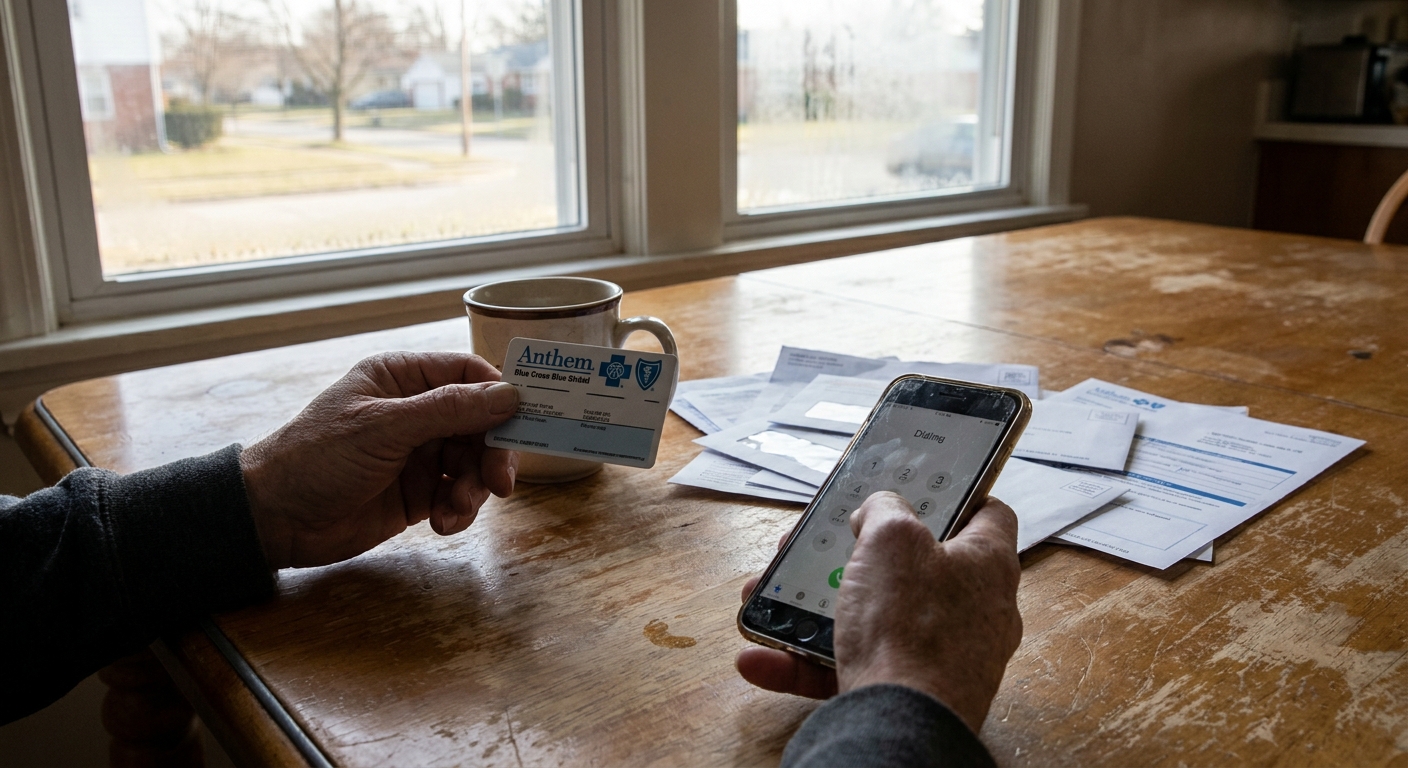
The first step is the call to the number on the back of your insurance card. Before that call, review the basics of what IOP covers and how coverage works so you know what you are asking about.
What to ask your insurance provider
Three questions cover what you need to know. First: does my plan cover intensive outpatient programs for substance use disorder? Second: what is my out-of-pocket cost after my deductible for IOP services? Third: does IOP require prior authorization, and if so, who initiates that process?
The first answer tells you whether IOP is a covered benefit at all. The second gives you the financial picture. The third determines whether the program or you needs to take action before treatment starts. Most prior authorizations are initiated by the treatment program, but confirming that eliminates a common delay.
Medicaid coverage for IOP in ohio
All managed care plans administered under Ohio Medicaid cover IOP as a behavioral health service. The plans include CareSource, Buckeye Health Plan, Molina Healthcare, Anthem, Aetna, AmeriHealth Caritas, and Humana. Coverage exists across the board. What varies is network status.
Before enrolling, verify that the specific Lucas County program you are considering is in-network with your plan. Call your managed care plan directly and provide the program’s name and NPI number. An out-of-network placement is not automatically a barrier, but it changes your cost calculation significantly.
Common mistakes to avoid when selecting an IOP
The decisions that lead to poor outcomes or early dropout follow recognizable patterns. These are the ones worth knowing before you make a call.
Choosing based on location alone
Proximity is a practical factor, but it is not the most important one. A program that is a five-minute drive from home but lacks dual diagnosis capability or relies on non-evidence-based treatment delivers worse outcomes than a program twenty minutes away with the right clinical fit. Completion data supports this. A 2022 study in Drug and Alcohol Dependence found that clinical alignment between client need and program services was a stronger predictor of completion than geographic accessibility.
Skipping the assessment step
A thorough intake assessment, covering mental health history, substance use history, medical conditions, trauma, and social support, is what connects a person to the right treatment plan. Programs that conduct only a brief phone screen and then assign clients to a standard group track are misaligning treatment to need from day one. A proper assessment takes 60 to 90 minutes, sometimes across two appointments. If a program moves you through intake in under 30 minutes, ask what was not covered.
Underestimating the time commitment
The most common early dropout driver is a scheduling conflict that was foreseeable. Nine to 15 hours per week is a significant addition to a working adult’s calendar. Before committing to a program, map those hours against your actual week, including childcare, work shifts, and existing obligations. Bring scheduling conflicts to the program before you start rather than after. Most programs have more flexibility than the standard schedule implies, but that conversation needs to happen at intake, not week three.
What recovery support looks like after IOP
IOP is not the end point. A 2017 NIDA-supported study of continuing care interventions found that clients who participated in structured aftercare following IOP had relapse rates 20 percent lower at the 12-month mark than those who received no continuing care. The step-down from IOP typically leads to standard outpatient, which maintains therapeutic contact at a lower frequency while you consolidate the skills built in IOP.
Alumni programs, peer support specialists, 12-step groups, and SMART Recovery meetings fill the social support piece that clinical treatment alone does not cover. If housing stability is a concern, sober living environments provide an additional layer of structure between IOP discharge and fully independent living. For anyone comparing options across Northeast Ohio, understanding how Youngstown-area programs handle this transition provides a useful reference point.
Ask any program you are considering one direct question before enrolling: what does your discharge planning and continuing care process look like? The answer reveals whether the program treats the end of IOP as a finish line or as a transition point.
What to do this week
Make one call in the next 48 hours. Call the number on the back of your insurance card, ask the three questions from the insurance section above, and write down the answers. That single call tells you which programs in Lucas County are in-network, what your out-of-pocket cost will be, and whether prior authorization is required. Everything else in your decision, location, schedule, clinical fit, follows from knowing the financial picture first. Do not wait for the perfect moment to start. Make the call today.
Frequently asked questions
How many hours per week does an IOP in lucas county require?
Most intensive outpatient programs require between 9 and 15 hours per week, spread across three to five days. Some programs offer morning and evening tracks to accommodate work schedules. The specific schedule varies by program, so ask about available session times during your first inquiry call.
What is the difference between IOP and PHP?
Partial hospitalization (PHP) runs approximately 25 to 30 hours per week and is designed for people who need more intensive daily support than IOP provides. IOP runs 9 to 15 hours per week and is appropriate for people who are medically stable and have a safe home environment. PHP often precedes IOP in a step-down sequence.
Does medicaid cover IOP in lucas county?
Yes. All Ohio Medicaid managed care plans, including CareSource, Buckeye, Molina, Anthem, Aetna, AmeriHealth Caritas, and Humana, cover intensive outpatient programs as a behavioral health benefit. Verify that the specific program you are considering is in-network with your plan before enrolling.
What does dual diagnosis mean in an IOP setting?
Dual diagnosis refers to the simultaneous presence of a substance use disorder and a mental health condition such as depression, anxiety, PTSD, or bipolar disorder. A dual diagnosis IOP treats both conditions within the same program using an integrated clinical team, rather than referring mental health care out to a separate provider.
Can you work or attend school while in an IOP?
Yes, and that is the point. IOP is specifically designed for people who need structured treatment without stepping away from daily responsibilities. Programs with evening or weekend scheduling options make it possible to maintain employment and family commitments alongside treatment.
How long does an IOP typically last?
Most IOPs run between 8 and 12 weeks, though the actual duration depends on the individual treatment plan and clinical progress. Some programs adjust length based on how well a client is meeting treatment goals, and discharge planning typically begins several weeks before the formal end date.