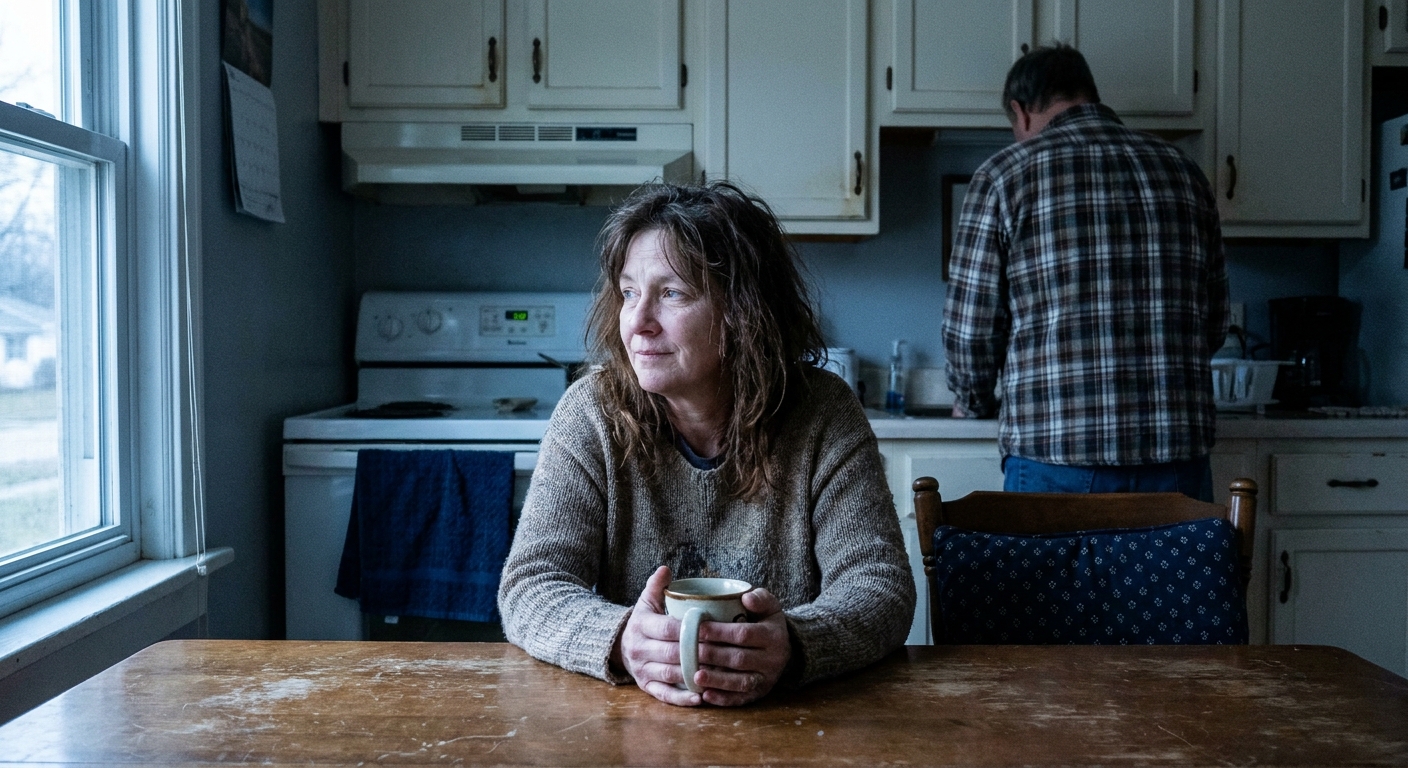
Maybe it started with a tiredness in your husband that never seems to lift. Maybe it was a faint yellow tint you noticed in his eyes under the bathroom light, or the nausea he waves off as a stomach bug. These quiet details are often what a spouse notices first. They are also easy to explain away, because the liver keeps working while it is being harmed. It is a bit like a filter that clogs slowly while it still runs. So what are the first signs of liver damage from alcohol? Most often they are vague: tiredness that does not lift, nausea, a weak appetite, weight loss, and discomfort under the right ribs. Only a doctor’s exam and blood tests can show whether the liver is actually being harmed.
This guide is written for you, the husband or wife who sees these changes up close and is trying to work out what they mean. You may be scared, worn out, and quietly hoping there is a way through this. This guide covers which body changes call for a doctor today and which mean calling 911. It explains why a spouse who drinks heavily every day should not quit suddenly at home, how to tell when drinking has moved past “a rough patch,” and how to raise the subject without a fight. It ends with a practical Toledo, OH path, from a primary care visit to an assessment at Midwest Recovery Center. Nothing here can diagnose your spouse. It can help you know what to watch for, what to say, and who to call.
What are the first signs of liver damage from alcohol?
The first signs of liver damage from alcohol are usually mild and easy to blame on something else: ongoing fatigue, nausea, loss of appetite, weight loss, and an ache or fullness in the upper right belly. In the early stages, many people have no clear symptoms at all.
Doctors call this alcohol-related liver disease, and it tends to develop in stages. The clinical review of alcohol-associated liver disease in StatPearls describes a range that starts with fatty liver, where fat builds up inside liver cells. It can move on to alcohol-related hepatitis, where the liver becomes inflamed, and then to fibrosis, where scar tissue begins to form. The most advanced stage is cirrhosis. In cirrhosis, scarring spreads and changes how the liver is built and how well it works. Not everyone moves through these stages in neat order, and a person can have more than one at the same time.
A plain way to picture it is a furnace filter. The filter keeps letting air through while dust slowly builds up, so the house stays warm and nobody thinks about it. You only notice something is wrong when the airflow drops. The liver can work the same way. It keeps breaking down alcohol and doing its other jobs while damage builds. That is why the National Institute on Alcohol Abuse and Alcoholism (NIAAA) points clinicians toward liver blood tests and a careful history instead of waiting for symptoms. A person can feel fairly normal while the liver is under real strain.
Early signs that MedlinePlus lists for alcohol-related liver disease include fatigue, nausea, loss of appetite, belly pain, weight loss, and dry mouth with increased thirst. At home, those signs may look like this:
- Tiredness that sleep does not fix, or naps that used to be rare
- Nausea most mornings, brushed off as “a bad stomach”
- Skipped meals, or a plate pushed away half full
- Weight loss without trying, often showing in the face and arms
- Rubbing the right side under the ribs, or saying it feels full or sore there
- A water glass that never seems to leave their hand
Any one of these on its own can have many causes, which is exactly why they are so easy to dismiss. What matters is the pattern: several of these signs together, lasting for weeks, alongside heavy or daily drinking. Start a simple note on your phone with the date, what you saw, and roughly how much your spouse drank. That record is useful to a doctor, and it also helps you trust what you are seeing on the days when you start to doubt yourself. This article cannot tell you whether your spouse’s liver is damaged. Only a doctor’s exam and blood tests can.
Which liver warning signs need a doctor today, and which mean calling 911?
Yellow skin or eyes, dark urine, pale stools, new swelling, easy bruising, and unusual confusion or sleepiness call for a same-day call to your spouse’s doctor. Vomiting blood, black or tarry stools, or sudden confusion mean you should call 911 right away.
The early signs above are easy to miss. The later signs are harder to ignore, and many of them appear in MedlinePlus’s overview of alcohol-related liver disease. Here is how they tend to look from where you stand.
Call your spouse’s doctor today if you notice:
- A yellow tint in the whites of the eyes or on the skin (jaundice)
- Urine that looks dark, like tea, or stools that look pale or clay-colored
- Swollen ankles, legs, or belly, or pants that suddenly will not button even as your spouse loses weight elsewhere
- Bruises with no bump they can remember, or gums or a nose that bleed easily
- Small red spider-shaped blood vessels on the face, chest, or shoulders
- Itching that will not stop, or palms that look unusually red
- Forgetfulness, fogginess, or sleepiness that seems new and is not explained by a night of drinking
Call 911 now if you see:
- Vomiting blood, or vomit that looks like coffee grounds
- Black, tarry, or bloody stools
- Sudden confusion, not knowing where they are, or being very hard to wake
- A seizure or fainting
When you call the doctor, say plainly how much and how often your spouse drinks. It can feel like you are betraying them. Still, doctors need that information to read blood tests correctly and to decide what to check next. If your spouse will not get on the phone, you can still describe what you have seen. For anything on the 911 list, you do not need their permission.
This checklist is not a diagnosis. Some of these signs come from conditions that have nothing to do with alcohol, and a spouse with none of them can still have liver damage. The checklist simply gives you a way to act on what you see while a professional sorts out the cause.
Why does the liver question lead to a withdrawal question?
If your spouse drinks heavily every day, the liver is only half of the safety question. Stopping suddenly can set off alcohol withdrawal, which can turn dangerous. The safer first step is a medical conversation, and often medical detox, before anyone stops cold turkey at home.
Once you see a yellow tint or swelling, your instinct may be to pour every bottle down the sink tonight. That instinct comes from love. The trouble is that steady heavy drinking, day after day, does more than strain the liver. It also teaches the brain and nervous system to expect alcohol. When alcohol disappears all at once, the body can swing hard in the other direction. Liver problems can also change how the body handles some medicines. That is one more reason a clinician, not a kitchen-table decision, should shape the plan.
You may already be seeing the early edge of withdrawal without having a name for it. Picture a spouse who needs a drink in the morning to “steady” shaky hands, who sweats through the sheets after a night without alcohol, or who turns jittery and short-tempered by mid-afternoon. That person may be going through mild withdrawal between drinks. The NIAAA’s guide to understanding alcohol use disorder lists withdrawal signs such as shakiness, trouble sleeping, nausea, sweating, a racing heart, seizures, and sensing things that are not there. Treat any of these as a reason to get medical help before your spouse stops:
- Shaking hands or a trembling body a few hours after the last drink
- Heavy sweating, especially at night
- A racing or pounding heart
- Nausea or vomiting
- Seeing, hearing, or feeling things that are not there
- Confusion or not knowing where they are
- A seizure
Call 911 right away for a seizure or for confusion. Do not try to manage either one at home.
You may be wondering whether detox itself is safe. That is a fair worry, and it is one many spouses carry into the first phone call. Medical detox means withdrawal happens with medical monitoring, so symptoms are watched and care can respond if things change. How any one person’s body reacts varies, and no one can predict it in advance.
This is where the way Midwest Recovery Center works may matter for your family. Midwest Recovery Center provides medical detox combined with evidence-based therapies, so stopping alcohol under medical supervision and starting addiction treatment can happen on one connected path instead of two separate searches. After detox, the same center offers residential care, partial hospitalization (PHP), intensive outpatient (IOP), outpatient care, and medication-assisted treatment (MAT). Each person’s course differs. Still, a plan with no gap between detox and ongoing treatment removes one of the hardest handoffs families face.
How do you know when drinking has crossed into needing treatment?
Drinking may have crossed into needing professional treatment when your spouse keeps drinking despite harm to their health, work, or your marriage, has tried to cut back and could not, or has withdrawal symptoms when they stop. A clinician makes the final call, but those patterns are a reason to book an assessment.
Clinicians use the diagnostic criteria in the DSM-5. The NIAAA’s guide to understanding alcohol use disorder turns those criteria into 11 plain questions about the past year. It explains that two or more suggest alcohol use disorder. Severity is described as mild (two or three), moderate (four or five), or severe (six or more). You cannot diagnose your spouse with these questions, and the goal is not to hand them a label. The goal is to describe what you have seen so a doctor or counselor has real information to work with. Think back over the past 12 months. Has your spouse:
- Drunk more, or for longer, than they meant to
- Wanted to cut down or stop, or tried, and could not
- Spent a lot of time drinking, being sick, or getting over the effects
- Talked about strong urges or cravings to drink
- Let drinking, or being sick from it, get in the way of home, family, or work
- Kept drinking even though it caused trouble with you, family, or friends
- Given up activities they used to care about in order to drink
- Ended up in risky situations, like driving after drinking
- Kept drinking after it made them depressed or anxious, or after a health warning such as abnormal liver tests
- Needed more alcohol to feel the same effect
- Had withdrawal symptoms when the alcohol wore off
If several of these sound familiar, you are not imagining things. For a wider look at behaviors like hiding alcohol, missing work, and getting defensive, see this guide to the broader signs of alcohol use disorder.
Here is a rough way to connect what you see to the kind of care that might come up in an assessment. Suppose your spouse matches only a few of these questions, drinks less than daily, and shows no withdrawal signs. Then a primary care visit and an assessment is a sensible start, and outpatient care may be part of that discussion. Now suppose drinking is clearly slipping into work and family life, but your spouse can still get through a day without alcohol. An assessment might point toward IOP or PHP, which provide structured therapy several days a week while the person lives at home. Finally, suppose your spouse drinks heavily every day, drinks in the morning, shows withdrawal signs, or has any liver warning signs from the checklist above. In that case, medical detox may be the safer first step, often followed by residential care.
Midwest Recovery Center offers each of these levels: detox, residential, PHP, IOP, outpatient, and MAT. The assessment is where the starting point gets decided, based on your spouse’s health, drinking pattern, and history. Use this framework to start the conversation, not as a prescription.
How can you talk with your spouse about drinking and liver health without a fight?
Choose a calm, sober moment. Start with care and one specific body change you have noticed, describe behaviors rather than labels, and make one small ask: a doctor visit for liver blood tests. A health-first conversation may be easier for a defensive spouse to hear than a talk about rehab.
Knowing the signs is one thing. Saying them out loud to the person you love is another, and it is often the part spouses dread most. Try this sequence:
- Pick the moment. Talk when your spouse is sober and rested, not during or right after drinking, and not in front of the kids.
- Lead with care. Say why you are raising it: you love them and you are worried.
- Name what you have seen. Use one or two concrete observations about their body and their drinking, framed as “I noticed” instead of “you always.”
- Make one small, clear ask. “Will you see the doctor for liver blood tests?” is far easier to agree to than “You need rehab.”
- Listen more than you talk. Let them push back without arguing every point.
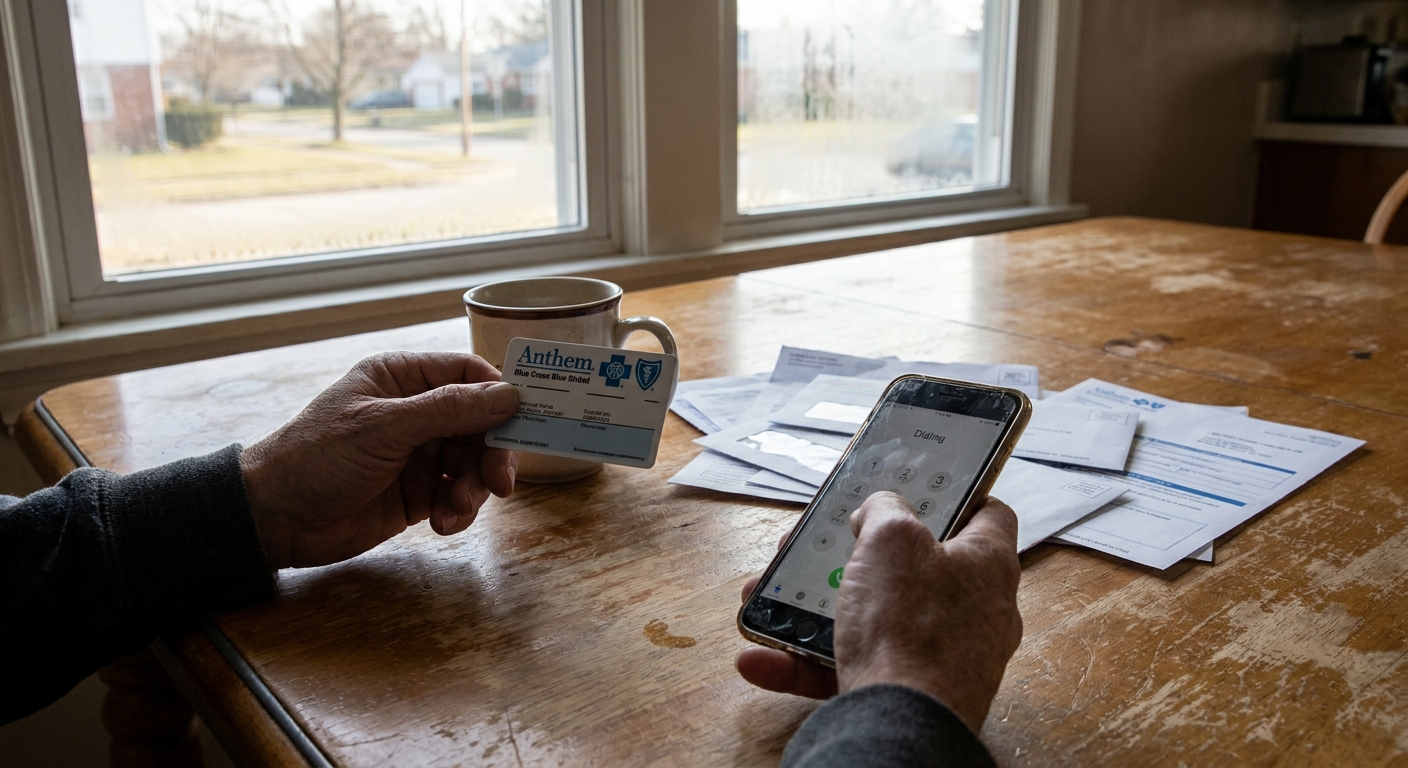
- Have the next step ready. Know which doctor, what times are open, and where the insurance card is, so a yes can turn into an appointment that day.
- End kindly and leave the door open. If the answer is no, say you will bring it up again, and then do.
A short script might sound like this:
“I love you, and I’ve been worried. This week I noticed your eyes looked a little yellow in the bathroom light, and you’ve been sick to your stomach most mornings. You’ve also been drinking more most nights than you used to. I’m not trying to start a fight. I’d feel a lot better if you saw the doctor for some liver blood tests. Can I call and set it up for this week?”
Some phrases often make things harder. Try to avoid:
- “You’re an alcoholic.” Labels can make people defend the label instead of hearing the worry.
- “If you loved me, you’d stop.” It turns a health problem into a test of love.
- “You’re killing yourself.” Fear lectures can end the conversation.
- “Just quit. How hard can it be?” It stings, and quitting suddenly after heavy daily drinking can be unsafe.
- “You’re just like your father.” Comparisons can land as attacks.
- Threats you are not ready to carry out.
- Anything said while your spouse is drinking.
What if your spouse says no?
A first no is common, and it does not mean the conversation failed. Many people need to hear the concern more than once. A calm, consistent message can sometimes go further over time than one big confrontation.
Meanwhile, you can set limits that protect you and your family without trying to control your spouse. Limits are about your own actions. You can decide that you will not ride in a car they drive after drinking, and that the kids will not either. You can stop calling their employer with excuses. You can move some money into an account only you control so the household bills get paid. If you ever feel unsafe at home, you can leave for the night and decide the rest later. Some families also work with a counselor to plan a more structured conversation when gentle talks have not moved anything.
Call 911 if your spouse has a seizure, becomes confused, vomits blood, has black or tarry stools, talks about harming themselves, or threatens or harms anyone. You do not need their agreement to get emergency help. For everything short of an emergency, SAMHSA’s National Helpline at 1-800-662-4357 is free, confidential, and open 24/7. It can help you find treatment and support options in your area, including support for yourself.
What if your spouse agrees, then wants to leave early?
You may be afraid of getting your hopes up, only to watch him walk out on day two. That fear makes sense, especially if you have been through broken promises before. Wanting to leave is common in the first days, when withdrawal and nerves can be at their worst. It does not mean treatment has failed.
A few things can help. Talk through that possibility before admission, so the urge to leave does not come as a surprise to either of you. Ask the treatment team how they handle those moments and how you can stay involved. When your spouse calls wanting to come home, you can say you love them and want them to finish what they started, without arguing or threatening. And if they do leave, the door does not close. Some people return to care later. The connected path from detox into ongoing treatment exists in part so that one hard day does not have to undo the whole plan.
What can stopping alcohol mean for the liver, and what is it doing to your marriage and your own health?
Stopping alcohol is considered the most important step for protecting the liver. Depending on how advanced the damage is, the liver may improve or further damage may slow. At the same time, the strain on you, your finances, your children, and your safety is real and deserves attention now, whatever your spouse decides.
The StatPearls review describes stopping alcohol as the cornerstone of treatment for alcohol-related liver disease. Earlier changes, such as fatty liver, may improve after drinking stops. Advanced scarring generally does not undo itself, though stopping may still slow further harm. Where your spouse falls on that range is something only a clinician can judge, usually with blood tests and sometimes imaging. A doctor’s exam and blood tests come first, and they shape what happens next.
While you focus on your spouse’s body, it is easy to lose sight of what the drinking is doing to the rest of your life. Money is often the first place it shows: missed shifts, a lost job, spending you cannot account for, or bills you quietly cover. Parenting shifts too. You may be doing bedtime, homework, and driving alone, while also deciding what to tell the kids about why their parent is “sick” again. Children often notice more than adults think. They may need a simple, honest explanation that the drinking is not their fault. Safety can slip without anyone saying it out loud: drinking and driving, falls, arguments that get too loud, a stove left on.
Then there is your own health. Many spouses describe living on alert. They listen for the car, check the recycling, and lie awake doing the math on bills. That kind of constant worry can wear down sleep, mood, and patience, and it can build into anxiety or depression of your own. Taking care of yourself is not selfish. A few practical steps:
- Book your own checkup and tell your doctor what is happening at home
- Tell one trusted person the truth, so you are not carrying this alone
- Look for a support group for family members, or a therapist of your own
- Make a simple safety plan: where you and the kids would go, and who you would call
- Protect a small block of time each week that has nothing to do with drinking
What does a Toledo, OH path to an assessment look like?
Start with a Toledo-area primary care doctor for an exam and liver blood tests. Then contact Midwest Recovery Center to ask about an assessment, medical detox, and your spouse’s insurance benefits. If withdrawal signs or emergency symptoms appear at any point, go to medical care or call 911 first.
The primary care visit gives everyone a starting point. Ask for liver blood tests, bring your notes on symptoms and drinking, and ask directly whether it is safe for your spouse to stop drinking without medical help. If your spouse does not have a regular doctor, many Toledo-area practices and urgent care centers can order basic blood work. Ask for copies of the results so you can share them with a treatment provider.
Next, call Midwest Recovery Center in Toledo, OH at 833-657-0858. The center serves families across Toledo, Maumee, and Lucas County. Its stated mission is to deliver “a high-quality, end-to-end healthcare experience that is affordable and accessible to everyone seeking treatment.” Midwest Recovery Center offers medical detox, residential care, PHP, IOP, outpatient care, and MAT. Its evidence-based therapies include Cognitive Behavioral Therapy (CBT), which helps people spot and change the thoughts behind drinking. They also include Dialectical Behavioral Therapy (DBT), which builds skills for handling strong emotions. If your spouse’s drinking is tangled up with depression or anxiety, ask about Midwest Recovery Center’s Dual Diagnosis and Mental Health Treatment programs. These address mental health and substance use together instead of one at a time.
Every center runs its first call a little differently, but most will ask about the same basics. Having them ready keeps the call short. Expect questions about:
- What your spouse drinks, how much, how often, and when they last had a drink
- Any withdrawal signs you have seen
- Liver test results or other health conditions
- Current medications
- Any mental health concerns
- Insurance details, so keep the card in hand
You can also ask your own questions: which level of care might fit, what admission looks like, and what your spouse should bring.
Insurance should not be the reason your family waits. Midwest Recovery Center is in-network with Aetna, Blue Cross Blue Shield, Cigna, Curative Health, Frontpath, Medical Cost Containment, Multiplan, TRICARE, and UnitedHealthcare (including commercial, exchange, and Medicaid plans). For Ohio Medicaid, the center is in-network with several Medicaid plans, including those through Aetna, Blue Cross Blue Shield, and UnitedHealthcare. CareSource and Molina, both commercial and Medicaid plans, are accepted but not in-network. Medicare is not accepted.
Being in-network or accepted does not by itself mean a stay is covered. Benefits depend on your spouse’s specific plan, so ask Midwest Recovery Center about them when you call. Federal law also works in your favor. The Mental Health Parity and Addiction Equity Act generally prevents health plans that cover substance use disorder care from setting stricter limits on it than on comparable medical care. The U.S. Department of Labor explains how that applies to employer plans. If you want to compare other options, FindTreatment.gov, the federal treatment locator, lets you search by location and payment type.
What else do spouses ask about drinking and liver health?
These are the questions that tend to come up once a spouse starts paying close attention.
What are the first signs of liver damage from alcohol in someone who seems healthy?
Even in someone who looks well, the first signs of liver damage from alcohol tend to be vague: tiredness, nausea, a poor appetite, weight loss, or discomfort under the right ribs. Early stages often cause few symptoms or none. Feeling fine does not rule out damage, so only a doctor’s exam and blood tests can show whether the liver is affected.
Is yellow skin or eyes from drinking an emergency?
Yellow skin or eyes (jaundice) calls for a same-day call to a doctor. Vomiting blood, black or tarry stools, or sudden confusion is an emergency, so call 911.
Is it safe for my spouse to stop drinking cold turkey at home?
After heavy daily drinking, stopping suddenly at home can be dangerous because withdrawal can become serious. A medical professional should guide the first step, and medical detox is often recommended.
Is medical detox safe?
Medical detox means withdrawal happens with medical monitoring instead of alone at home. Responses differ from person to person, and no one can predict how a specific person will react.
Can the liver heal if my spouse stops drinking?
Stopping alcohol may help the liver improve or slow further damage, depending on how advanced the damage is. Only a clinician can stage it.
Does Midwest Recovery Center take my insurance?
Midwest Recovery Center is in-network with Aetna, Blue Cross Blue Shield, Cigna, Curative Health, Frontpath, Medical Cost Containment, Multiplan, TRICARE, UnitedHealthcare, and several Ohio Medicaid plans. It also accepts CareSource and Molina. Medicare is not accepted. Benefits depend on the specific plan, so ask about yours when you call.
What if my spouse refuses to get help?
Stay calm, and keep raising your concern at sober moments. Set limits that protect your safety and your children, and get support for yourself. Call 911 for seizures, confusion, vomiting blood, black stools, or any threat of harm.
What is the one step to take this week?
If your spouse has body changes or drinks heavily every day, book a primary care visit for liver blood tests this week. Then call Midwest Recovery Center in Toledo, OH at 833-657-0858 to ask about an assessment, medical detox, and your spouse’s insurance benefits. Those two calls can move your family from worrying toward knowing more.
Bring the notes you have been keeping: the yellow tint you saw on a Tuesday, the mornings he could not eat, the nights the drinking ran later than planned. The details you have been explaining away are the same details a doctor and an admissions team need to choose a safe first step. You do not need your spouse to agree to everything before you start. You only need the next appointment on the calendar.
If you need to talk to someone tonight, SAMHSA’s National Helpline at 1-800-662-4357 is free, confidential, and open 24/7.
You Don’t Have to Wait for Things to Get Worse
If you’ve noticed changes in your spouse and wonder whether it’s serious enough to act, that worry is reason enough to reach out. Early signs of liver damage from alcohol can be easy to explain away, but you don’t have to sort it out alone. The team at Midwest Recovery Center in Toledo, OH can talk with you about medical detox and what a safe first step might look like for your family.
This article is general information, not medical advice, and individual experiences and outcomes vary. It cannot diagnose liver disease or alcohol use disorder. For emergency symptoms, call 911.