More than 9 million adults in the United States live with both a substance use disorder and a mental health condition at the same time, according to SAMHSA’s 2022 National Survey on Drug Use and Health. If you’re reading this for yourself or someone you care about, that number matters, because it means what you’re facing is not unusual, and there are treatment approaches built specifically for it. This guide explains what dual diagnosis treatment is, how it works, what to look for in a program, and what recovery actually looks like on the other side.
What you’ll learn in this guide:
- What dual diagnosis means and why it’s so common
- How the two conditions reinforce each other
- The most frequent pairings and how to recognize them
- What integrated treatment looks like step by step
- How levels of care work for co-occurring conditions
- What Ohio insurance plans cover
- How to evaluate and choose the right program
- What to do this week to move from reading to acting
What dual diagnosis actually means
Dual diagnosis, also called a co-occurring disorder, means one person is carrying both a substance use disorder and a mental health condition at the same time. These aren’t two separate problems that happen to coexist by coincidence. They’re intertwined conditions that feed each other, and treating one without the other leaves the underlying driver in place.
SAMHSA’s 2022 data puts the national prevalence at 21.5 million adults meeting criteria for co-occurring disorders, yet only 7.4 percent received treatment for both conditions. That gap is not a gap in diagnosis. It’s a gap in how treatment has historically been structured, with addiction programs on one side and mental health services on the other, rarely integrated into a single, coordinated approach.
If you recognize this combination in yourself or a family member, you’re looking at the rule, not the exception.
Why the two conditions can’t be treated separately
The relationship between substance use and mental health is a feedback loop, not a one-way street. Mental health symptoms drive substance use as a way to self-medicate, and substance use chemically alters the brain in ways that worsen the underlying mental health condition. Each cycle through that loop makes both conditions harder to treat.
A 2018 study published in the Journal of the American Medical Association reviewed outcomes across 52 randomized controlled trials and found that patients who received treatment for only their substance use disorder, without concurrent mental health treatment, relapsed at significantly higher rates within 12 months than those who received integrated care. The mechanism is straightforward: if anxiety or depression or PTSD goes untreated, those symptoms don’t pause while someone works on sobriety. They continue to generate the same pressure that drove substance use in the first place.
What this means in practice: a program that treats the addiction and then refers you somewhere else for mental health care is treating half the problem. The concrete question to ask when evaluating any program is whether the same clinical team manages both conditions simultaneously from the first day of treatment, not sequentially.
The most common co-occurring combinations
Certain pairings show up with striking consistency in treatment settings. A 2021 report from the National Institute on Drug Abuse identified anxiety disorders, depression, PTSD, and bipolar disorder as the mental health conditions most commonly comorbid with substance use disorders. Alcohol use disorder, opioid use disorder, and stimulant use disorder make up the substance side of the most frequent combinations. Knowing where your situation fits helps you understand what integrated treatment needs to address, though it’s worth saying clearly: you don’t need to self-diagnose before seeking an assessment. That’s what a good intake team is for.
Anxiety and alcohol use disorder
Anxiety and alcohol co-occur at a rate that researchers have studied extensively. A 2012 review published in Alcohol Research: Current Reviews found that roughly 20 percent of people with an alcohol use disorder also meet criteria for an anxiety disorder, with the self-medication hypothesis explaining a large share of cases. People with untreated anxiety turn to alcohol because it temporarily suppresses the central nervous system and blunts the physiological experience of anxiety.
Day-to-day, this looks like a drink to take the edge off before social situations, then two drinks, then drinking to feel normal rather than to feel good. The pattern escalates because alcohol disrupts sleep architecture and depletes serotonin over time, both of which worsen baseline anxiety. The result is a person who feels more anxious than they did before they started drinking, and who needs more alcohol to get the same relief. If this resonates, exploring what integrated anxiety and addiction care looks like in practice gives you a clearer picture of how treatment addresses this specific cycle.
PTSD and opioid or stimulant use
Veterans and trauma survivors in Ohio’s Lucas County and Mahoning County communities carry a disproportionate burden of this pairing. A 2019 study published in JAMA Psychiatry, drawing on data from more than 1.6 million veterans receiving VA care, found that veterans with PTSD were three times more likely to receive an opioid prescription and two times more likely to develop an opioid use disorder than veterans without PTSD. Stimulant use follows a similar pattern, used to manage hyperarousal, emotional numbness, and the functional impairment that PTSD produces.
For veterans covered by Tricare and residents in Lucas County seeking care, understanding how PTSD and substance use treatment can be coordinated locally is a practical starting point. The key takeaway here is that trauma-informed care isn’t optional in these cases. It’s the load-bearing structure of treatment.
Depression and stimulant or alcohol use
Depression sits at both ends of the co-occurring equation. A 2014 study in the Journal of Affective Disorders analyzing data from over 40,000 adults found that heavy alcohol and stimulant use both directly suppress dopamine regulation over time, producing or deepening depressive symptoms. Depression is a driver of use and a consequence of it simultaneously.
This matters especially in early recovery, when the neurochemical disruption from stopping substance use often causes a temporary worsening of depressive symptoms. If a program isn’t managing depression alongside the substance use disorder from the outset, that window in early recovery becomes a relapse window. Addressing the depression as part of treatment from day one, not after stabilization, is what integrated care is designed to do. For people in the Toledo area, local options for depression and addiction treatment outline what that looks like in a Northwest Ohio setting.
How dual diagnosis treatment works
Dual diagnosis treatment isn’t a single service. It’s a sequence of events that move you from crisis stabilization through active treatment and into a sustainable recovery plan, with both conditions addressed at every stage. SAMHSA’s Treatment Improvement Protocol 42 (TIP 42), first published in 2005 and updated through subsequent guidance, remains the foundational clinical framework for co-occurring disorders treatment in the United States. It establishes that integrated treatment, in which mental health and substance use care are delivered by the same clinical team in the same setting, produces better outcomes than sequential or parallel models.
The sequence typically moves through assessment, stabilization, integrated therapy, medication management, and continuing care. Each phase builds on the last, and the clinical team coordinates across all of them rather than handing off between specialties.
Integrated assessment: where it starts
A thorough intake assessment screens for both the substance use disorder and any co-occurring mental health conditions at the same time, using validated tools. Common instruments include the Addiction Severity Index (ASI), which evaluates problem severity across seven domains, the AUDIT for alcohol use specifically, the PHQ-9 for depression, and the PCL-5 for PTSD symptoms. Together, these give the clinical team a complete picture before treatment planning begins.
The signal to pay attention to: if a program only screens for substance use during intake and says the mental health piece will be evaluated “later” or by a separate provider, ask directly whether both will be addressed by the same team from the first week. That question alone filters out programs that operate a sequential rather than an integrated model.
Medication-assisted treatment and psychiatric medication together
The question readers carry quietly into this topic is whether someone can take MAT, buprenorphine or naltrexone for opioid or alcohol use disorder, alongside psychiatric medication for depression, anxiety, or PTSD. The answer is yes, and doing so is standard practice in well-designed integrated programs.
A 2019 study published in JAMA Internal Medicine found that patients receiving combined pharmacotherapy (MAT plus psychiatric medication) had significantly better 12-month retention in treatment and lower rates of relapse than those receiving either medication alone. In an integrated dual diagnosis program, a prescribing psychiatrist or addiction medicine physician manages both medication categories, monitoring for interactions and adjusting as treatment progresses. The two medication streams don’t compete. They address different neurobiological targets, and coordinating them through a single clinical team eliminates the gaps that occur when addiction and psychiatric prescribing happen in separate offices.
Evidence-based therapies used in dual diagnosis care
Several therapy modalities have strong research support for co-occurring conditions specifically. Cognitive Behavioral Therapy (CBT) works for this population because it targets the thought patterns that drive both substance use and mental health symptoms. A 2018 meta-analysis in Psychological Medicine covering 91 studies confirmed CBT’s efficacy across anxiety, depression, and substance use disorders. Dialectical Behavior Therapy (DBT), developed originally for borderline personality disorder, addresses emotional dysregulation, which is a common driver of substance use in people with co-occurring conditions, with a 2020 study in Drug and Alcohol Dependence showing meaningful reductions in substance use among DBT participants with co-occurring diagnoses.
EMDR (Eye Movement Desensitization and Reprocessing) is the evidence-based standard for trauma processing and is increasingly used in dual diagnosis settings where PTSD is part of the picture, supported by a 2017 study in the Journal of Clinical Psychology showing its efficacy for trauma-related substance use. Motivational Interviewing works by resolving ambivalence about change rather than confronting it, which is especially important when someone is uncertain whether they want treatment for mental health at all. Each of these is a tool with a specific mechanism. A strong dual diagnosis program doesn’t pick one and call it treatment. It matches the modality to the individual’s clinical presentation.
The role of peer support and group therapy
Group therapy with peers who share both a substance use disorder and a mental health condition accelerates recovery in ways that individual therapy alone doesn’t replicate. A 2020 study from SAMHSA’s National Survey found that individuals in peer support programs alongside professional treatment showed a 40 percent reduction in substance use at 12-month follow-up compared to those receiving professional treatment alone.
The mechanism is normalization and accountability. When you’re sitting with people who have managed the same dual burden, the stigma that keeps many people from being honest in treatment drops, and honesty is the raw material that therapy works with. When evaluating a program, ask specifically whether the group therapy is designed for people with co-occurring disorders or whether it’s a general addiction group. The distinction matters because a group built around dual diagnosis addresses both the mental health and the substance use dynamics, rather than focusing only on sobriety.
Levels of care: matching treatment intensity to your situation
Dual diagnosis treatment occurs across a continuum of care, and where someone enters that continuum depends on the severity of both conditions. The American Society of Addiction Medicine (ASAM) criteria provide the clinical framework for determining appropriate level of care, evaluating six dimensions including withdrawal risk, medical conditions, emotional and behavioral conditions, readiness to change, relapse risk, and living environment.
For most people with co-occurring conditions, the appropriate starting level is higher than they initially expect. Medical detox addresses physical withdrawal and stabilizes someone enough to engage in active treatment. Residential or inpatient care provides 24-hour psychiatric and addiction support during the most vulnerable early phase. Partial Hospitalization Programs (PHP) offer structured daily treatment, typically 5 to 6 hours per day, while allowing the person to return home or to sober housing at night. Intensive Outpatient Programs (IOP), usually 3 hours per day, 3 to 5 days per week, bridge the step-down from higher levels of care to standard outpatient. Standard outpatient therapy then maintains the gains.
Stepping down through this continuum is planned, not abrupt. A well-run dual diagnosis program maps the step-down plan from the beginning of treatment and adjusts it based on clinical progress. When comparing programs, ask whether they have the full continuum in-house or whether they refer out at each step. Internal continuity of care reduces the gaps where relapse risk spikes.
Insurance coverage for dual diagnosis treatment in ohio
The Mental Health Parity and Addiction Equity Act (MHPAEA), federal law enacted in 2008 and strengthened by subsequent regulations, legally requires insurers to cover mental health and substance use disorder treatment at the same level as they cover medical and surgical care. In plain language, parity law means your mental health and SUD benefits must match your physical health benefits. A commercial insurer cannot impose stricter prior authorization requirements on addiction treatment than it applies to a comparable medical condition.
For Ohio residents, this applies across commercial plans including Aetna, Anthem BCBS, Cigna, and Optum, as well as Tricare for military families. Ohio Medicaid managed-care plans, including CareSource, Buckeye, Molina, Anthem, AmeriHealth Caritas, and Humana, cover dual diagnosis services including assessment, medication management, therapy, and levels of care from residential through outpatient under Ohio’s behavioral health benefit framework.
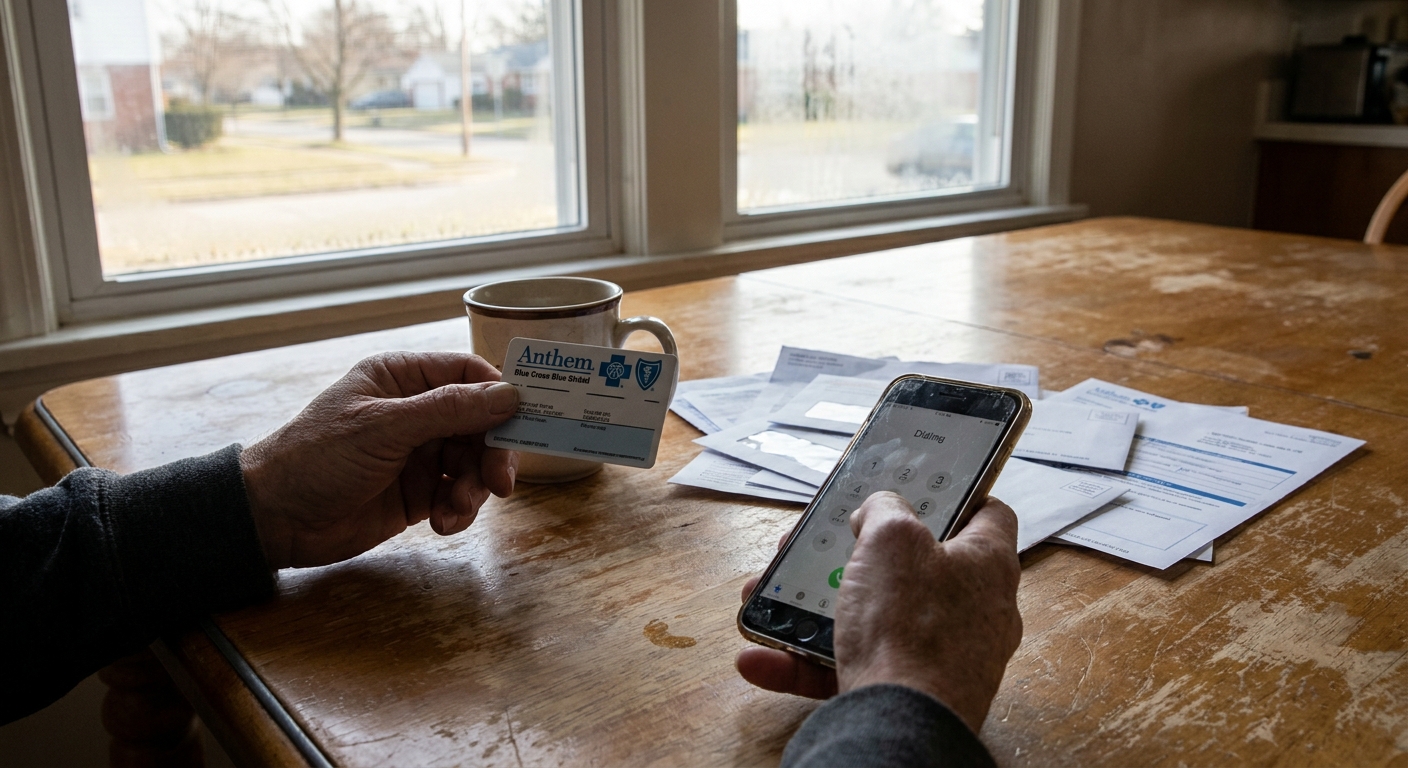
The one question to ask your insurance plan before selecting a program: “Is this specific provider in-network, and does my plan cover both substance use disorder and mental health treatment at the same facility?” That single question, asked before admission, eliminates the most common source of unexpected cost.
What to look for in a dual diagnosis program
The single most important filter when evaluating a dual diagnosis program is this: does the program treat both the substance use disorder and the mental health condition simultaneously, using one integrated clinical team, from the first day of treatment? Everything else, amenities, location, program length, is secondary to this.
A 2019 study published in Psychiatric Services compared integrated versus sequential treatment models across 37 programs and found that patients in integrated programs had 28 percent higher treatment completion rates and significantly lower 6-month relapse rates than those whose conditions were treated by separate providers in sequence. The research is unambiguous on this point.
When you call a program, the question to ask directly is: “Does the same team manage both my mental health treatment and my addiction treatment, or do you refer out for one of them?” If the answer involves referrals to an outside psychiatrist or a separate mental health agency, you’re looking at a parallel model, not an integrated one.
For people in the Youngstown area evaluating options, a closer look at what makes a dual diagnosis rehab genuinely integrated covers the local landscape with specifics.
Warning signs that a program is not truly integrated
Several patterns signal that a program describes itself as dual diagnosis but doesn’t operate that way. The first is requiring a period of sobriety before psychiatric evaluation begins. This directly contradicts the integrated model and leaves the mental health condition untreated during the phase when it’s most actively driving relapse risk. The second is referring psychiatric care to an outside provider, which means two clinical teams who may never communicate, creating gaps in medication management and therapy coordination. The third is having no licensed mental health clinicians on staff, meaning psychiatrists, licensed professional counselors, or clinical social workers with mental health training, distinct from addiction counselors.
A 2016 study in Drug and Alcohol Dependence found that treatment dropout rates were 33 percent higher in programs that operated sequential rather than integrated models, with patients citing inadequate mental health support during active treatment as the primary reason. Knowing these red flags lets you ask sharper questions before committing to a program rather than discovering the limitations after admission.
What recovery looks like after dual diagnosis treatment
Recovery from co-occurring conditions is not a single event. It’s a maintained state that requires a continuing care plan as structured as the treatment itself.
A 2017 study in the Journal of Substance Abuse Treatment followed 1,326 adults with co-occurring disorders for two years post-treatment. Those who completed integrated dual diagnosis treatment and engaged with continuing care, including outpatient therapy, medication management, and peer support, had a 52 percent lower relapse rate at 24 months than those who completed treatment without a continuing care plan. The research consistently shows that the step-down from treatment to nothing is where outcomes fall apart.
Continuing care after dual diagnosis treatment typically includes ongoing outpatient therapy targeting both conditions, psychiatric medication management with regular follow-up appointments, peer support groups specific to co-occurring conditions (not just general AA/NA, which doesn’t address the mental health piece), and a relapse prevention plan that identifies early warning signs for both substance use and mental health deterioration. Setting expectations honestly: early recovery often involves periods of increased mental health symptoms as the brain recalibrates without substances. A continuing care plan anticipates this and has clinical support in place before it happens, rather than scrambling to respond after.
What to try this week
Stop researching and start asking. Call a dual diagnosis program and ask two questions: “Do you treat mental health and substance use at the same time with the same team?” and “Do you accept my insurance?” Those two questions, asked in that order, tell you nearly everything you need to know about whether a program is built for your situation. If the answers are yes and yes, schedule the assessment. That single call moves you from reading to acting, and the assessment itself will tell you more about your situation than any article can.
Midwest Recovery Center serves adults across the Toledo and Northwest Ohio area, including Maumee and Lucas County, as well as the Youngstown and Mahoning County area, including Austintown, with dual diagnosis treatment built on exactly this integrated model.
Frequently asked questions
What is the difference between dual diagnosis and co-occurring disorders?
The two terms mean the same thing. Dual diagnosis and co-occurring disorders both refer to the presence of a substance use disorder and a mental health condition in the same person at the same time. Clinical literature tends to use “co-occurring disorders” as the more current term, while “dual diagnosis” remains widely used among the public and in program descriptions. Either term describes the same clinical reality.
Can someone be treated for dual diagnosis on medicaid?
Yes. Ohio Medicaid managed-care plans, including CareSource, Buckeye, Molina, Anthem, AmeriHealth Caritas, and Humana, cover dual diagnosis treatment including assessment, medication management, individual and group therapy, and multiple levels of care. Coverage specifics vary by plan and by provider network, so confirming that the specific program is in-network before beginning treatment is the practical step that avoids billing surprises.
How long does dual diagnosis treatment take?
Duration depends on the severity of both conditions and the level of care involved. Detox typically runs 5 to 10 days for medically managed withdrawal. Residential treatment commonly runs 28 to 90 days. PHP and IOP programs run weeks to months depending on progress. The honest answer is that dual diagnosis treatment takes longer on average than treating either condition alone, because addressing two interrelated conditions requires more time to stabilize, process, and build relapse prevention skills. A program that quotes a fixed length without assessing your specific situation first is giving you a marketing answer, not a clinical one.
What if someone refuses to acknowledge they have a mental health condition?
This is common, and a well-trained dual diagnosis clinical team expects it. Motivational Interviewing, one of the core modalities in integrated treatment, is specifically designed to work with ambivalence rather than against it. A person doesn’t need to fully accept a psychiatric diagnosis to benefit from integrated treatment. Engagement with the therapeutic process often shifts perception over the first weeks of treatment as symptoms become clearer in the absence of substances.
Is it safe to take psychiatric medication while on MAT like buprenorphine or naltrexone?
Yes, when both are managed by a physician or psychiatrist with expertise in addiction medicine. Drug interactions exist and require monitoring, but the combination is standard clinical practice in integrated dual diagnosis programs. The 2019 JAMA Internal Medicine study cited earlier found that combined pharmacotherapy produced better 12-month outcomes than either medication alone. The key is having a single prescribing team managing both, rather than two separate providers who may not communicate about the full medication picture.
How do you know if a program truly offers dual diagnosis treatment versus just claiming to?
Ask two direct questions when you call: “Does the same clinical team treat both my mental health condition and my substance use disorder from the first day?” and “Are licensed mental health clinicians, psychiatrists or licensed counselors, on staff, not contracted out?” A program that answers yes to both and can describe its integrated assessment process specifically is operating a genuine dual diagnosis model. A program that hedges, mentions referrals to outside providers, or describes mental health services as an “add-on” is describing a parallel model, not an integrated one.