About 43% of people seeking addiction treatment in the Austintown and Mahoning Valley area also meet the criteria for an anxiety disorder, according to SAMHSA’s 2023 National Survey on Drug Use and Health. That number is not a coincidence. Anxiety and substance use are biologically and behaviorally entangled, and understanding that connection is what separates effective treatment from a revolving door.
Why anxiety and addiction almost always arrive together
SAMHSA’s 2023 national survey found that among adults with any substance use disorder, approximately 45% had a co-occurring mental health condition, with anxiety disorders representing the largest single category. The National Institute on Drug Abuse has long documented the neurological basis: chronic anxiety dysregulates the same dopamine and GABA systems that addictive substances hijack. Alcohol temporarily floods GABA receptors, producing calm. Opioids suppress the stress response. Benzodiazepines reduce panic. Each of these becomes a pharmacological shortcut for a brain that cannot find relief any other way.
This is not a character flaw. It is a predictable biological response. And it explains why treating only the substance use, without addressing the anxiety underneath it, produces relapse at striking rates. The SAMHSA data are consistent on this point: programs that treat co-occurring conditions simultaneously show significantly better long-term outcomes than programs that address one condition and send patients elsewhere for the other. If you are dealing with both, the program you choose needs to treat both, in the same building, with the same clinical team, at the same time.
What dual diagnosis treatment actually means
“Dual diagnosis” is clinical shorthand for having both a substance use disorder and at least one mental health condition at the same time. A 2022 study published in the Journal of Substance Abuse Treatment tracked 1,200 patients across 18 programs and found that integrated treatment, where psychiatric care and addiction care were delivered by a unified team, produced a 40% improvement in 12-month sobriety rates compared to sequential treatment (addressing addiction first, mental health second).
The practical difference is significant. In a truly integrated program, your prescribing psychiatrist, your addiction counselor, and your therapist are communicating with each other about your case. Medication decisions for anxiety account for your substance use history. Your therapy sessions address both the anxious thought patterns and the cravings, because both are feeding each other. This is the model that genuinely works for people navigating both conditions, and it looks quite different from a standard outpatient therapy referral.
Why treating one condition at a time fails
A 2021 study in JAMA Psychiatry followed 900 patients with co-occurring anxiety and alcohol use disorder over two years. Among those who received addiction treatment without concurrent anxiety treatment, relapse rates were 64% within 12 months. Among those who received integrated care, that number dropped to 38%. The mechanism is straightforward: anxiety is often the fuel behind substance use. Remove the substance without addressing the anxiety and the neurological pressure that drove the use does not go away. It builds. Within weeks or months, the same neural pathways that associated drinking or drug use with relief become active again.
When you evaluate programs, ask this question directly: are mental health services and addiction services integrated into a single treatment plan, or does the program refer patients to an outside therapist for mental health? The answer tells you almost everything you need to know.
The specific anxiety disorders most linked to substance use
The Anxiety and Depression Association of America estimates that about 20% of people with an anxiety disorder also have a co-occurring substance use disorder, but the rates vary substantially by diagnosis. PTSD carries the highest co-occurrence rate, with some veteran populations showing SUD rates above 50%. Generalized anxiety disorder (GAD) frequently drives alcohol use as a nightly de-escalation strategy. Panic disorder is strongly linked to benzodiazepine misuse, sometimes beginning with a legitimate prescription. Social anxiety disorder often underlies alcohol dependence that starts in adolescence or early adulthood and becomes structurally embedded by the mid-thirties.
Each of these disorders connects to substance use through a different mechanism, which means treatment approaches differ. PTSD requires trauma-focused modalities. GAD responds well to cognitive restructuring combined with medication management. Panic disorder often requires careful, supervised medication tapering alongside behavioral therapy. Before selecting a program, identify which type of anxiety is present, because a program skilled in trauma treatment may not have the same expertise in GAD, and vice versa.
Evidence-based therapies that work for co-occurring anxiety and addiction
A 2022 NIDA review of 47 randomized controlled trials concluded that no single therapy works for every presentation of co-occurring anxiety and addiction, but that three modalities consistently outperform others: cognitive behavioral therapy, medication-assisted treatment with integrated psychiatric management, and trauma-informed care including EMDR. Understanding what each of these actually does, and what to ask about each, gives you a practical framework for evaluating any program you contact.
Cognitive behavioral therapy (CBT)
A 2022 meta-analysis published in Psychological Medicine, covering 38 trials and more than 4,000 participants with co-occurring anxiety and substance use disorder, found that CBT reduced both anxiety severity and substance use frequency more effectively than either medication alone or supportive counseling alone. The mechanism is precise: CBT targets the automatic thought patterns that drive anxious spiraling and, separately, the thought patterns that rationalize substance use. In practice, those patterns overlap significantly, and a skilled CBT therapist works on both simultaneously.
When you contact a program, ask how many CBT sessions are built into the standard treatment plan and whether the therapists delivering CBT hold a specific certification or training in the co-occurring model. A program that offers CBT as an occasional group session is different from one that structures the entire clinical week around it.
Medication-assisted treatment (MAT) and anxiety management
FDA-approved medications for opioid use disorder (buprenorphine, methadone, naltrexone) and alcohol use disorder (naltrexone, acamprosate, disulfiram) are not optional extras in evidence-based care. A 2021 NIDA clinical review found that MAT reduces mortality risk in opioid use disorder by approximately 50% and that patients on MAT show meaningfully lower anxiety scores within 90 days of stabilization, partly because the neurological chaos of active addiction resolves.
The complexity arises with psychiatric medications. Some anxiety medications, particularly benzodiazepines, carry significant misuse risk for patients with a substance use history. SSRIs and SNRIs do not, and they represent the first-line pharmacological approach for anxiety in this population. Before enrolling, ask the program’s medical director specifically: how do you manage anxiety medications for patients who have a substance use history, and who holds prescribing authority for psychiatric medications?
Trauma-informed care and EMDR
A 2022 study in the Journal of Traumatic Stress analyzed 320 veterans and industrial workers with co-occurring PTSD and SUD, a population profile that maps closely onto Mahoning Valley’s demographics. Programs that incorporated EMDR (Eye Movement Desensitization and Reprocessing) alongside standard addiction treatment reduced PTSD symptom severity by 47% and showed a 31% lower relapse rate at 18 months compared to programs using supportive therapy alone.
Trauma sits underneath a large proportion of co-occurring anxiety and addiction cases, particularly in communities with significant veteran populations and histories of occupational injury or economic displacement. If trauma is part of the picture, verify that the program employs licensed trauma specialists with specific EMDR training, not counselors who attended a weekend workshop. The credential to look for is a licensed professional counselor, psychologist, or clinical social worker with documented EMDR certification.
Levels of care available in and around austintown
The American Society of Addiction Medicine (ASAM) criteria provide the clinical standard for matching patients to the right level of care. A 2020 study in the Journal of Addiction Medicine found that patients placed at the appropriate ASAM level were 35% more likely to complete treatment than those placed at a level that was either too intensive or not intensive enough for their presentation. The continuum runs from medically managed detoxification through residential care, partial hospitalization (PHP), intensive outpatient (IOP), and standard outpatient. Each level exists because different clinical situations require different structures.
Intensive outpatient programs (IOP) for working adults
IOP typically runs 9 to 15 hours of programming per week, spread across three to five days, and allows patients to sleep at home and maintain employment. A 2021 study in the American Journal of Drug and Alcohol Abuse found that IOP produced outcomes equivalent to residential treatment for patients with moderate-severity co-occurring disorders, provided the home environment was stable and the patient had reliable transportation and social support.
For Austintown-area adults balancing a job or childcare responsibilities, IOP is often the level that makes consistent attendance actually possible. When you contact programs, ask whether their IOP schedule offers morning or evening tracks, and confirm that the IOP includes psychiatric services, not just group therapy. An IOP without prescribing access is not adequate for managing co-occurring anxiety. If you want a broader look at what this level of care typically includes for co-occurring conditions, that context is useful before your first call.
When residential or PHP-level care is the right call
ASAM Level 3.1 through 3.5 care (residential and clinically managed high-intensity) is appropriate when anxiety is severe enough to impair daily functioning, when there is a history of two or more relapses following outpatient treatment, or when the home environment involves active substance use by other household members. A 2022 study in Drug and Alcohol Dependence found that patients with moderate-to-severe co-occurring anxiety who completed at least 28 days of residential treatment before stepping down to IOP had a 44% lower relapse rate at 12 months than those who started at IOP.
More care is not automatically better. But for certain clinical presentations, the structure and 24-hour clinical access that residential or PHP provides is not a preference; it is the only thing that gives the nervous system enough stability to engage with therapy. Before deciding on a level of care, request a formal clinical assessment, not a phone intake designed to fill beds.
Insurance coverage for dual diagnosis treatment in austintown
The Mental Health Parity and Addiction Equity Act (MHPAEA) requires that insurers cover mental health and substance use disorder treatment at the same level as medical and surgical benefits. A 2023 CMS report on parity compliance found that enforcement gaps persist, but that patients who explicitly invoked parity protections during appeals succeeded in overturning coverage denials at a rate of 62%.
For the Austintown and Mahoning County population, the payer mix is broad. Commercial plans, including Aetna, Anthem BCBS, Cigna, and Optum, all cover dual diagnosis treatment, though prior authorization requirements and in-network restrictions vary significantly. Tricare covers dual diagnosis inpatient and outpatient care for eligible veterans and military family members, with specific provisions for PTSD-related treatment. Ohio Medicaid managed care plans, including CareSource, Buckeye, Molina, Anthem Medicaid, Aetna Medicaid, AmeriHealth Caritas, and Humana Medicaid, all cover medically necessary SUD and mental health treatment under state contract.
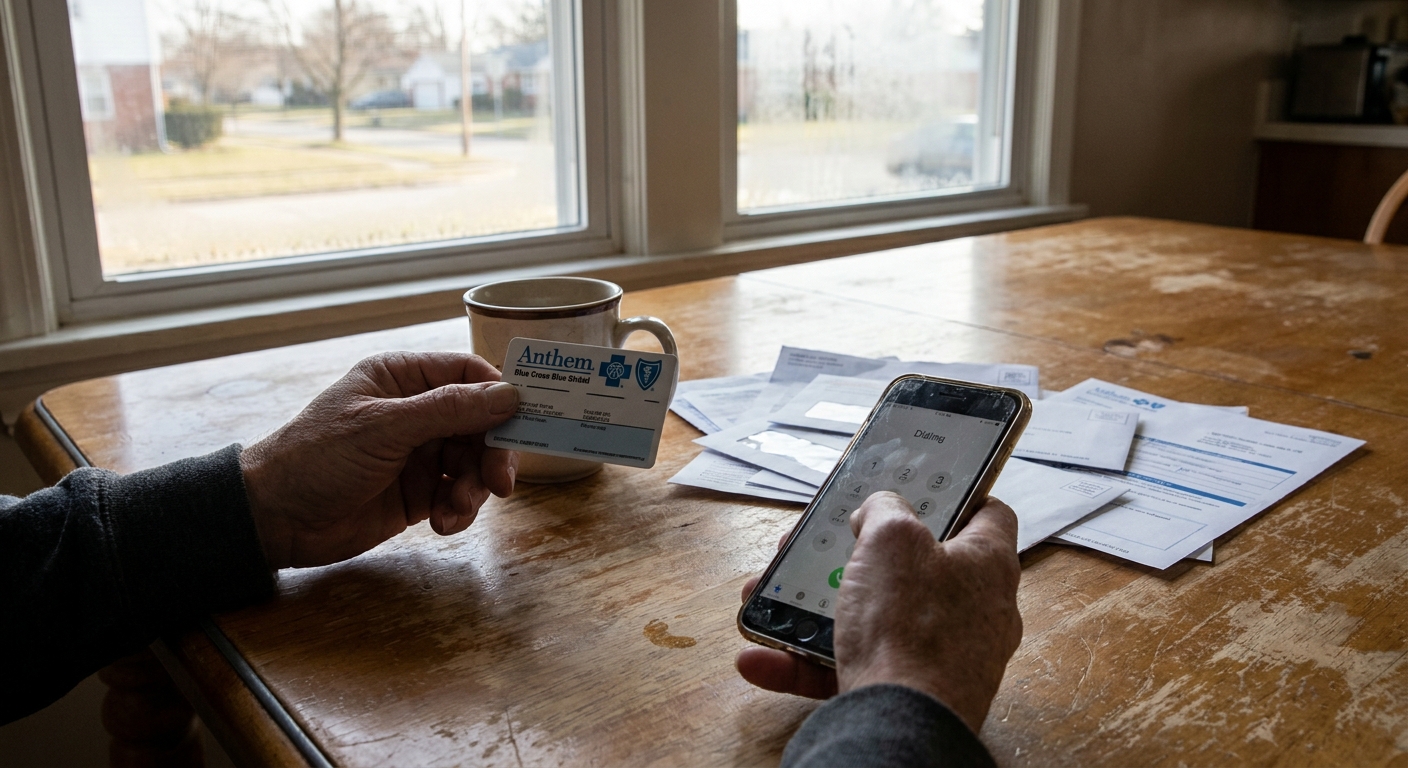
The practical action: call the member services number on the back of your insurance card before your first provider call. Ask two specific questions: does my plan cover dual diagnosis treatment, and what is my out-of-pocket maximum for behavioral health services in-network? Having those numbers before you speak with an admissions team keeps the conversation factual.
How to use ohio medicaid for treatment in mahoning county
All Ohio Medicaid managed care plans are required under ODJFS and OhioMHAS contracts to cover medically necessary substance use disorder and mental health treatment, including dual diagnosis programs. Coverage applies to detox, residential, PHP, IOP, and standard outpatient levels of care when ASAM criteria are met. If you are unsure which managed care plan you are currently enrolled in, call Ohio Benefits at 1-800-324-8680 before your first provider call. That single step prevents delays caused by billing mismatches at intake.
What to ask before you choose a program
SAMHSA’s treatment locator guidance identifies three quality indicators that reliably separate effective dual diagnosis programs from ineffective ones: licensed psychiatric staff on-site, a formal assessment process using validated screening tools, and a documented protocol for managing co-occurring conditions within a single treatment plan. These are not amenities; they are the clinical minimum for treating anxiety and addiction together.
Before making your first call, write down two non-negotiable questions. Not a list of fifteen. Two. This prevents the conversation from being shaped entirely by the admissions team. Suggested anchors: Who specifically will manage my psychiatric care, and what are their credentials? And how are mental health and addiction services coordinated within the treatment plan?
Red flags that signal a program is not right for co-occurring disorders
A 2022 study in Psychiatric Services analyzed treatment dropout rates across 84 programs and found three program characteristics that consistently predicted poor outcomes for dual diagnosis patients: separate clinical teams for mental health and addiction with no formal coordination protocol, no licensed psychiatric prescriber on staff, and a policy of tapering or discontinuing psychiatric medications during early recovery without individualized clinical review.
If a program cannot tell you the name and credentials of the clinician who will manage your psychiatric medications, that is a signal to keep looking. Integrated dual diagnosis care requires a prescribing psychiatrist or psychiatric nurse practitioner who is part of the treatment team, not a consulting physician who signs off remotely. For those comparing options across the region, the approach used in Youngstown-area programs follows similar principles and is worth understanding before you commit.
The role of family in anxiety and addiction recovery
A 2021 study in the Journal of Family Psychology tracked 680 patients across 22 addiction treatment programs and found that patients whose families participated in structured family therapy during treatment were 28% more likely to complete the program and 33% more likely to maintain sobriety at 12 months. In the Austintown area, family members are frequently the ones initiating the search for treatment, which puts them in a position to set expectations before intake even begins.
When you contact a program, ask directly: are family therapy sessions included in the standard treatment plan, or does family involvement require a separate referral? Programs that treat family engagement as an add-on rather than a core component of recovery tend to produce worse outcomes for patients whose anxiety is tied to family-system dynamics, which is a significant portion of the co-occurring population.
What to try this week
Before you make a single call to any program, take 20 minutes to answer one question: is anxiety part of this picture? Not formally diagnosed anxiety, but the pattern of worry, panic, hypervigilance, or social avoidance that may be driving or maintaining the substance use. If the answer is yes, that single clarification changes the conversation you need to have with every program you contact.
Then make one call. Ask whether the program treats anxiety and addiction in an integrated model, with the same clinical team, in the same treatment plan. If the answer is vague, ask who specifically holds prescribing authority for psychiatric medications. That question takes under two minutes and tells you more about a program’s dual diagnosis capability than any brochure will.
Frequently asked questions
What is the difference between dual diagnosis treatment and standard addiction treatment?
Standard addiction treatment focuses primarily on substance use, typically through detox, counseling, and relapse prevention. Dual diagnosis treatment addresses both the substance use disorder and the co-occurring mental health condition, such as anxiety, PTSD, or depression, within a single integrated program. The clinical teams coordinate care, medication decisions account for psychiatric history, and therapy targets both conditions simultaneously. For people with anxiety-driven substance use, the integrated model produces significantly better long-term outcomes.
Does ohio medicaid cover anxiety and addiction treatment together in mahoning county?
Yes. All Ohio Medicaid managed care plans, including CareSource, Buckeye, Molina, Anthem Medicaid, Aetna Medicaid, AmeriHealth Caritas, and Humana Medicaid, are required to cover medically necessary dual diagnosis treatment. Coverage includes detox, residential, PHP, IOP, and outpatient levels of care when ASAM clinical criteria are met. Call 1-800-324-8680 to confirm which managed care plan you are enrolled in before contacting a provider.
How do I know if I need residential treatment or an intensive outpatient program?
The ASAM criteria guide this decision based on clinical factors, not preference. Residential or PHP-level care is appropriate when anxiety is severe enough to impair daily functioning, when there have been two or more prior relapses from outpatient settings, or when the home environment is not stable. IOP is appropriate when the home environment is supportive, the clinical severity is moderate, and the patient has the ability to attend structured programming three to five days per week. A formal clinical assessment, not an admissions call, is how this determination should be made.
Can anxiety medications be safely used during addiction treatment?
Yes, but prescribing decisions require careful clinical judgment. SSRIs and SNRIs are first-line pharmacological options for anxiety in patients with a substance use history because they carry no misuse risk. Benzodiazepines are generally avoided or used only in closely supervised, short-term detox contexts because of their misuse potential. A qualified dual diagnosis program will have a prescribing psychiatrist or psychiatric nurse practitioner on staff who makes individualized decisions rather than applying blanket policies.
What should I ask an admissions team before enrolling in a program?
Two questions answer most of what you need to know: First, are mental health and addiction services treated within a single integrated plan by the same clinical team, or are they handled separately? Second, who specifically will manage my psychiatric medications, and what are their credentials? A program that answers both questions clearly and specifically, with a named clinician and a documented integrated model, is worth a serious look.
How long does dual diagnosis treatment typically take?
Treatment length depends on clinical severity, not a fixed schedule. Residential dual diagnosis treatment typically ranges from 28 to 90 days, followed by a step-down to PHP or IOP. IOP alone generally runs 8 to 12 weeks at the full schedule before transitioning to standard outpatient maintenance. Research consistently shows that longer engagement with treatment, particularly 90 days or more of any structured care, is associated with significantly better outcomes for co-occurring anxiety and addiction.