Mahoning County has one of the highest rates of alcohol-related hospitalizations in Northeast Ohio, and Austintown sits at the center of that crisis. If you are looking for alcoholism treatment in Austintown, Ohio, this guide breaks down exactly what local options exist, how insurance works, and what the clinical evidence says about getting lasting results.
How bad is the problem in mahoning county?
According to the Ohio Department of Health, Mahoning County consistently ranks among the top Ohio counties for alcohol-related emergency department visits, with rates that outpace the statewide average by a meaningful margin. The Ohio Substance Abuse Monitoring Network’s 2023 report identified the Youngstown metro area, which includes Austintown township, as a region where alcohol use disorder is both underreported and undertreated. Nationally, the Substance Abuse and Mental Health Services Administration (SAMHSA) estimates that roughly 29.5 million Americans meet criteria for alcohol use disorder, yet fewer than 8% receive any form of specialty treatment in a given year.
What this means for Austintown residents specifically: the gap between people who need help and people who access it is enormous, and most of that gap is explained by knowledge barriers, not motivation. Understanding what local options exist, and how to pay for them, is the practical difference between getting into treatment this week and waiting another year.
What alcoholism treatment actually involves
The treatment process for alcohol use disorder is not a single event. It is a structured sequence of care levels, each designed for a different stage of recovery. SAMHSA’s National Survey on Drug Use and Health consistently shows that people who complete a full continuum of care, from detox through aftercare, have significantly better one-year sobriety outcomes than those who engage with only one level.
That continuum runs from medical detox at the front end, through inpatient or residential rehabilitation, into outpatient programming, and finally into ongoing aftercare and peer support. Knowing where you enter that continuum and why is the single most useful thing you can do before making your first call. When you understand how care levels are matched to treatment needs, you stop guessing and start asking the right questions.
Medical detox: the first and most critical step
The National Institute on Alcohol Abuse and Alcoholism (NIAAA) is unambiguous on this point: alcohol withdrawal is medically unique among substance withdrawals because it carries a documented risk of life-threatening seizures and a syndrome called delirium tremens. Roughly 3 to 5 percent of people withdrawing from alcohol without medical supervision will experience severe complications. That statistic makes medically supervised detox non-negotiable for anyone with a significant drinking history, not optional.
What you should expect in the first 72 hours of supervised detox: clinical staff will monitor vital signs, administer medications such as benzodiazepines to prevent seizure activity, and manage symptoms like severe anxiety, tremors, and nausea. By hour 72, the acute withdrawal phase typically begins to resolve. The physical discomfort is real, but it is manageable in a clinical setting in a way that it simply is not at home. Knowing this timeline before you walk through the door removes one of the biggest fears that keeps people from going.
Inpatient vs. outpatient: matching level of care to your situation
The American Society of Addiction Medicine (ASAM) placement criteria provide clinicians with a standardized framework for determining which level of care fits which patient. The core factors are medical complexity, psychiatric stability, social support at home, and the severity of the addiction itself.
Residential or inpatient treatment makes the most sense when home is not a safe recovery environment, when there is a co-occurring psychiatric condition that needs structured support, or when previous outpatient attempts have not held. Intensive outpatient programs (IOP) are an evidence-supported alternative for people who have stable housing, a supportive social environment, and a work or family schedule that makes residential care impractical. A 2020 study published in the Journal of Substance Abuse Treatment found that IOP produced comparable outcomes to residential treatment for patients who met appropriate placement criteria, meaning severity of illness, not preference, is the deciding variable.
If your living situation involves active drinking by others in the household, or if you have had multiple prior relapses following outpatient care alone, residential treatment is the clinically supported choice.
Medication-assisted treatment for alcohol use disorder
Three medications have FDA approval for alcohol use disorder: naltrexone, acamprosate, and disulfiram. A landmark trial published in the New England Journal of Medicine, the COMBINE Study, found that naltrexone significantly reduced heavy drinking days and increased abstinence rates compared to placebo. The evidence for acamprosate is similarly strong for maintaining abstinence once detox is complete.
The misconception worth correcting directly: medication-assisted treatment (MAT) for alcohol use disorder does not create a new dependency. Naltrexone and acamprosate have no abuse potential. They work by reducing cravings and the neurological reward response to alcohol, not by substituting another substance. When you contact any treatment provider, ask specifically whether MAT is integrated into their counseling model. A program that treats the brain chemistry alongside the behavioral patterns is more effective than one that addresses only one side of the equation.
Local and nearby treatment options serving austintown
Austintown residents have access to a realistic range of options within Mahoning County and the broader Youngstown metro area. The picture is not as sparse as many people assume once you know where to look.
Community-based programs in mahoning county
Meridian HealthCare, headquartered in Youngstown, is one of the largest behavioral health organizations in Mahoning County and offers both outpatient substance use treatment and mental health services. Compass Family and Community Services also operates in the county and provides addiction counseling as part of a broader behavioral health continuum. Both organizations accept Ohio Medicaid managed-care plans including CareSource, Buckeye Health Plan, Molina Healthcare, Anthem, Aetna Better Health, AmeriHealth Caritas, and Humana, along with most major commercial insurance.
The Mahoning County Alcohol, Drug Addiction, and Mental Health Services (ADAMHS) Board functions as a free navigation resource. If you call them directly, a staff member can identify which county-funded providers have open capacity and which accept your specific insurance. This call costs nothing and can compress a days-long search into a single conversation.
Intensive outpatient programs (IOP) near austintown
IOP typically runs three days per week, three hours per session, for an average of eight to twelve weeks. That structure is designed specifically to accommodate employment and family obligations, which makes it the most commonly chosen level of care for working adults in the Youngstown area.
A 2019 study published in Substance Abuse found that patients who completed IOP while maintaining employment had significantly higher treatment retention rates at six months than those who attended IOP without any occupational structure. The conclusion from researchers: employment stability and IOP reinforce each other when the schedule is compatible. For Austintown residents, Youngstown-area IOPs are accessible by short commute, making this a practical first step for many people who cannot take weeks away from work.
Those exploring options beyond Mahoning County should note that comparable IOP and residential programs in the broader Northeast Ohio corridor serve Mahoning County residents and accept the same insurance plans.
Residential and inpatient options within driving distance
The clinical research on residential treatment length is consistent. A NIAAA-cited analysis comparing 28-day residential outcomes to 90-day stays found that patients who completed 90 days of residential care had significantly lower relapse rates at the one-year mark. The 28-day model became standard largely for insurance reimbursement reasons, not clinical ones.
Residential options accessible to Mahoning County residents include facilities in the broader Northeast Ohio corridor, as well as programs in Northwest Ohio for those willing to travel for a more intensive stay. When evaluating any residential program, ask directly about their average length of stay and whether they provide transition planning to outpatient care upon discharge. A residential program that ends without a defined outpatient follow-up plan is an incomplete course of treatment.
Insurance coverage for alcohol treatment in ohio
The Mental Health Parity and Addiction Equity Act (MHPAEA), enacted federally and enforced by the Ohio Department of Insurance, requires insurers to cover substance use disorder treatment on equal terms with medical and surgical care. The Affordable Care Act extended this parity requirement to all marketplace plans and Medicaid expansion coverage. In practical terms, your insurer cannot legally cover a chronic medical condition like diabetes or heart disease while denying coverage for alcohol use disorder treatment.
Parity violations do happen, but they are reportable to both the Ohio Department of Insurance and the federal Department of Labor. If a claim is denied on grounds that feel inconsistent with how other chronic conditions are covered, that denial is worth appealing.
Ohio medicaid and managed care plans
Ohio Medicaid contracts with eight managed-care plans to deliver services to Medicaid beneficiaries: CareSource, Buckeye Health Plan, Molina Healthcare, Anthem, Aetna Better Health of Ohio, AmeriHealth Caritas, Humana, and Elevate. All eight are required under their state contracts to cover addiction treatment services, including detox, IOP, residential care, and MAT.
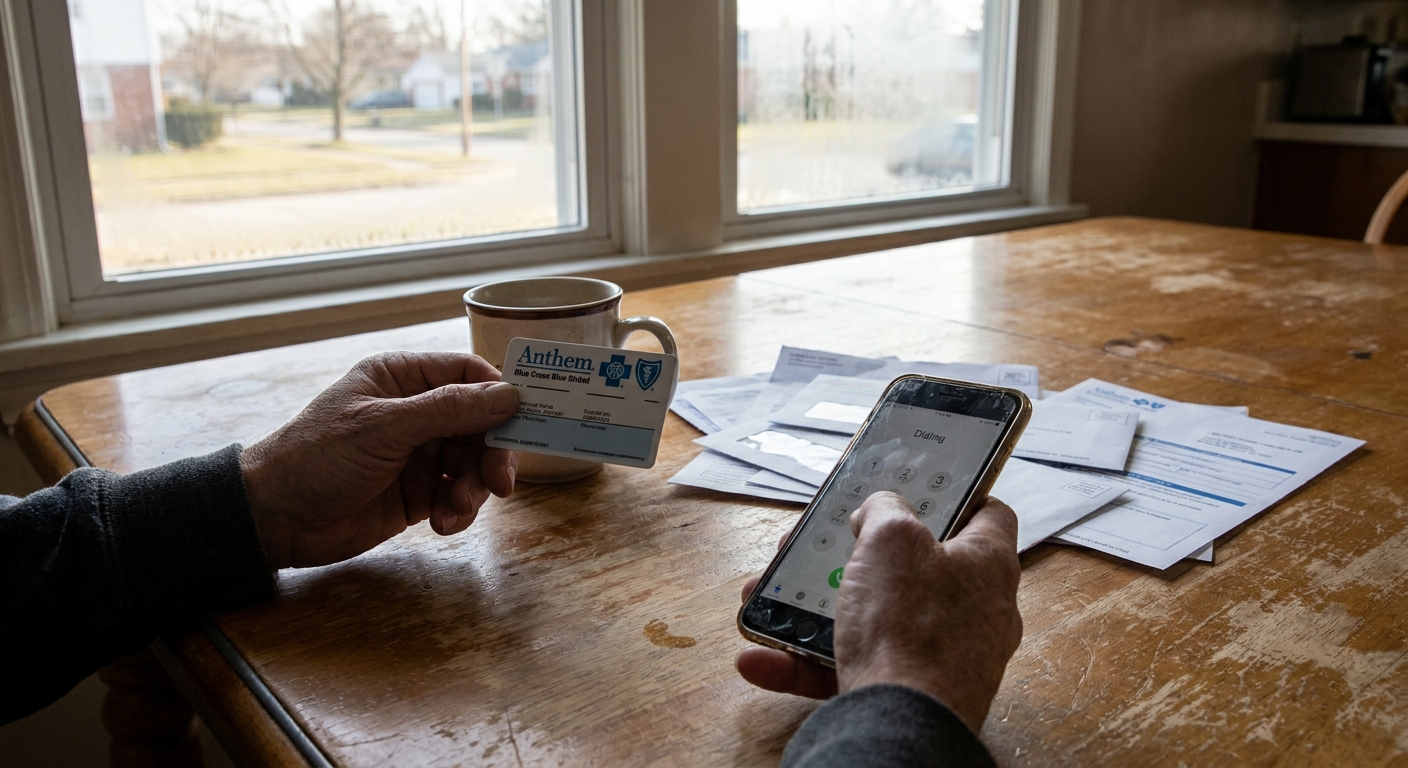
The action here is direct: call the member services number on the back of your Medicaid card and ask for a list of in-network alcohol treatment providers in Mahoning County. Request that the representative note any providers with current availability. This call takes less than fifteen minutes and gives you a vetted, coverage-confirmed list to work from.
Commercial insurance and tricare
Aetna, Anthem BCBS, Cigna, and Optum all cover alcohol use disorder treatment under their commercial plans, though prior authorization is standard for residential and IOP levels of care. Prior auth requirements feel daunting if you have never dealt with them, but the process is straightforward: ask the treatment provider to submit the prior authorization on your behalf. Every established treatment program has a dedicated utilization review process for exactly this purpose. You do not navigate it alone, and you do not need to understand the paperwork to start treatment.
Tricare covers substance use disorder treatment for eligible service members, veterans, and their families under both Tricare Prime and Tricare Select. Coverage includes detox, inpatient, outpatient, and MAT. The behavioral health benefits coordinator at your nearest military treatment facility can confirm covered providers in the Mahoning County area.
What to do if you can’t afford treatment
Cost is the most commonly cited barrier to treatment entry, but it is also the most solvable one. SAMHSA’s 2023 National Survey on Drug Use and Health found that 43% of people who needed treatment and did not receive it cited cost or insurance as the primary reason. That number reflects a knowledge gap more than an actual funding gap.
Ohio’s Mental Health and Addiction Services (OhioMHAS) system funds state-subsidized treatment slots specifically for uninsured and underinsured residents. The Mahoning County ADAMHS Board administers local access to those slots and can determine eligibility in a single intake call. Sliding-scale fees are also available at most community behavioral health centers in Mahoning County, with payments based on income.
SAMHSA’s National Helpline, available at 1-800-662-4357, operates 24 hours a day, seven days a week, at no cost. Counselors can identify local providers, confirm funding availability, and help you schedule an intake appointment. For anyone unsure where to start, this call is the fastest path to a covered provider. For those managing co-occurring issues, understanding how prescription drug and alcohol treatment are often addressed together can also help frame the conversation with any intake coordinator.
How family members can help without making it worse
A 2012 randomized controlled trial from the University of New Mexico, the foundational CRAFT (Community Reinforcement and Family Training) study, found that family members trained in CRAFT succeeded in moving their loved one into treatment at a rate of 64 to 74 percent, compared to 17 percent for traditional Al-Anon participation and 30 percent for intervention-style approaches. The mechanism is not confrontation. It is systematic reinforcement of treatment-seeking behavior combined with reduction of enabling behaviors.
The practical distinction between support and enabling comes down to whether your behavior reduces consequences or removes them. Paying rent so your family member can stay housed while entering treatment is support. Covering rent so they can continue drinking without consequence is enabling. If you are uncertain where that line falls in your specific situation, Al-Anon meetings in the Youngstown and Austintown area are free, require no commitment, and provide a structured, evidence-informed peer community for family members. Locate the nearest meeting through the Al-Anon website and attend one this week. That is the lowest-stakes, highest-value first step available to family members right now.
Common mistakes that delay real recovery
The most documented barrier to treatment entry is waiting for rock bottom. Research published in the journal Addiction in 2020 found no clinical evidence that a more severe addiction history improves treatment outcomes. People who enter treatment earlier in their disorder consistently show better prognosis. Rock bottom is a cultural myth, not a clinical threshold.
Choosing detox-only without a defined follow-up plan is the next most common mistake. Detox addresses physical dependence. It does not address the behavioral, psychological, or social factors that sustain alcohol use disorder. A 2021 NIAAA-cited review found that patients who discharged from detox without an outpatient or residential follow-up plan relapsed at rates exceeding 80% within 30 days.
Stopping MAT early is similarly well-documented as a relapse driver. NIAAA guidelines recommend naltrexone and acamprosate use for a minimum of six to twelve months. Stopping at 30 days because things feel manageable is a premature end to a protocol that is still doing its job.
Isolation after discharge is the final common error. A 2019 study in Drug and Alcohol Dependence found that patients with at least one peer recovery support contact per week in the 90 days post-discharge were significantly more likely to maintain sobriety at six months. Recovery is not a solo project. It is a social one.
These are not character flaws. They are predictable gaps in system knowledge that are correctable with the right information.
What to do this week
Call the Mahoning County ADAMHS Board or SAMHSA’s National Helpline at 1-800-662-4357 today. Tell them your insurance status, your county of residence, and that you need help with alcohol use disorder. A navigator will match you to a covered local provider and help you schedule an intake appointment.
That single call opens every other door in this guide.
Frequently asked questions
How long does alcohol treatment typically take in austintown, ohio?
The length of treatment depends on the severity of alcohol use disorder and which level of care is recommended. Medical detox typically lasts 5 to 10 days. Residential treatment runs 28 to 90 days, with evidence supporting longer stays for better long-term outcomes. IOP programs generally run 8 to 12 weeks. Aftercare and MAT continue beyond formal programming, often for 6 to 12 months or longer.
Does ohio medicaid cover alcohol rehab in mahoning county?
Yes. All eight Ohio Medicaid managed-care plans, including CareSource, Buckeye, Molina, Anthem, Aetna Better Health, AmeriHealth Caritas, Humana, and Elevate, are required to cover addiction treatment services. Coverage includes detox, outpatient, IOP, residential care, and medication-assisted treatment. Call the member services number on the back of your Medicaid card to get a list of in-network providers in Mahoning County.
What is the difference between inpatient and outpatient alcohol treatment?
Inpatient or residential treatment means you live at the facility for the duration of treatment, with 24-hour clinical support. Outpatient treatment, including IOP, means you attend scheduled sessions during the week and return home each day. Inpatient is the right choice when home is not a safe recovery environment or when medical and psychiatric complexity requires constant monitoring. IOP is appropriate for people with stable housing, a supportive home environment, and obligations that make residential care impractical.
Is medication-assisted treatment available for alcohol use disorder near austintown?
Yes. FDA-approved medications for alcohol use disorder, including naltrexone, acamprosate, and disulfiram, are available through providers in Mahoning County. Ask any treatment program you contact whether MAT is integrated into their counseling model. Evidence from the COMBINE Study confirms that naltrexone significantly reduces heavy drinking days when combined with behavioral treatment.
What if I do not have insurance and cannot afford treatment?
OhioMHAS funds state-subsidized treatment slots for uninsured and underinsured residents. The Mahoning County ADAMHS Board administers local access to those slots at no cost to you. Most community behavioral health centers in Mahoning County also offer sliding-scale fees based on income. SAMHSA’s National Helpline at 1-800-662-4357 is free, available 24/7, and can connect you to funded local providers immediately.
Can a family member get help if their loved one refuses treatment?
Yes. The CRAFT model, which stands for Community Reinforcement and Family Training, gives family members evidence-based strategies to increase the likelihood that their loved one will enter treatment, even without their agreement at the outset. University of New Mexico researchers found CRAFT achieved treatment entry rates of 64 to 74 percent. Al-Anon meetings in the Youngstown and Austintown area are also free and provide ongoing community support for family members navigating this situation.