Alcohol withdrawal kills people every year, and most of those deaths are preventable. If you or someone you love is dependent on alcohol and considering quitting, understanding your alcohol detox options in Toledo, Ohio, is the decision that determines everything else.
Why alcohol detox is the critical first step
According to a 2022 SAMHSA report, approximately 2.5 million people in the United States meet criteria for alcohol use disorder but do not receive any form of treatment, and among those who do attempt to stop drinking, withdrawal complications are the most common reason early recovery fails. The NIAAA estimates that up to 5% of people experiencing alcohol withdrawal will develop delirium tremens, a life-threatening complication with a mortality rate of up to 37% without medical treatment.
What this means in practice: detox is not optional, and it is not something to attempt alone at home. The research is clear that medically supervised alcohol detox is the clinically appropriate first step before any form of therapy, counseling, or residential treatment begins. The body must be stabilized first. Everything else follows from that.
The action here is simple and non-negotiable: call a detox facility before you stop drinking. Do not taper on your own, do not “cut back gradually” without monitoring, and do not wait to see how withdrawal feels. Make the call first.
What happens to your body during alcohol withdrawal
A 2021 review published in the New England Journal of Medicine, covering over 1,000 clinical cases of alcohol withdrawal syndrome, documented the predictable progression that occurs when a long-term drinker stops consuming alcohol. The nervous system, which has been chronically suppressed by alcohol, becomes hyperactive in alcohol’s absence. This is not discomfort. It is a physiological crisis with a defined timeline.
Early symptoms appear within 6 to 12 hours of the last drink: anxiety, tremors, sweating, elevated heart rate, nausea, and insomnia. These feel manageable, which is exactly why people underestimate what comes next. By 12 to 24 hours, symptoms intensify and the risk of seizure climbs significantly.
The danger window: 24 to 72 hours
A 2019 study published in Alcohol and Alcoholism, analyzing 847 patients admitted for alcohol withdrawal, found that 86% of alcohol-related seizures occurred between 24 and 48 hours after the last drink, and that patients with no prior seizure history still carried a meaningful seizure risk if their drinking history involved high daily volume over an extended period.
This is precisely why home detox fails during this window. At home, there is no benzodiazepine protocol to suppress seizure activity, no IV fluid management to address dehydration and electrolyte imbalance, and no physician on call if the situation deteriorates. Supervised medical detox provides continuous clinical monitoring during these 48 hours, with medication dosing adjusted in real time based on vital signs and symptom severity.
When withdrawal becomes a medical emergency
The warning signs that require immediate emergency intervention are: tonic-clonic seizures, visual or auditory hallucinations, severe uncontrollable tremors, disorientation or confusion, and a heart rate above 120 beats per minute at rest. These are signs of delirium tremens.
According to a landmark 2014 study in Critical Care Medicine analyzing 204 ICU admissions for delirium tremens, the case fatality rate for treated DTs was approximately 5 to 10%, and for untreated cases it exceeded 30%. If these symptoms appear in you or someone near you, call 911 or go to the nearest Toledo emergency room immediately. Do not wait to see if the symptoms pass.
Medical detox vs. quitting cold turkey: what the research says
A 2020 Cochrane Review comparing medically supervised alcohol detox against unsupported cessation analyzed outcomes across 64 randomized controlled trials involving over 4,800 participants. Patients in medically supervised programs were 58% more likely to complete the detox process without a medical complication, and significantly less likely to relapse within the first 30 days compared to those who attempted cessation without clinical support.
Cold turkey sounds straightforward. The reality is that “cold turkey” for alcohol is not the same as quitting caffeine or stopping a mild habit. Alcohol physiologically rewires the central nervous system’s inhibitory and excitatory balance, and abrupt cessation without medication creates a dangerous neurological overshoot. The data from the Cochrane Review confirms what clinicians have known for decades: unsupported cessation is both less safe and less effective than medically supervised detox.
If you have a family member who is minimizing the need for professional detox, this section’s evidence is the conversation. The question is not whether professional detox is “necessary” for people who are “really sick.” The question is whether they have a daily drinking habit. If yes, supervised detox is the appropriate level of care.
Your alcohol detox options in toledo, ohio
The Toledo and Northwest Ohio region, including Maumee and Lucas County, offers several distinct settings for alcohol detox. These fall into three main categories: inpatient hospital-based detox, residential detox programs, and outpatient medical detox. According to Ohio’s Mental Health and Addiction Services (OhioMHAS) 2023 statewide treatment capacity report, Lucas County has seen a sustained increase in medically supervised detox admissions over the past three years, reflecting both greater awareness and greater demand. Choosing among these options is not about preference. It is about clinical fit.
Inpatient hospital-based detox
Hospital-based detox places you inside an acute medical facility with 24-hour nursing, physician oversight, continuous cardiac monitoring, and immediate access to emergency interventions. A 2021 protocol review published in JAMA Internal Medicine outlined the standard clinical approach: benzodiazepines (most commonly lorazepam or diazepam) dosed using the Clinical Institute Withdrawal Assessment for Alcohol (CIWA-Ar) scale, alongside IV fluids and thiamine supplementation to prevent Wernicke’s encephalopathy.
This level of care is appropriate if you have a prior history of alcohol withdrawal seizures, currently use alcohol in very high daily quantities (10 or more drinks per day), or have co-occurring medical conditions such as liver disease, heart arrhythmia, or diabetes that complicate the withdrawal process. Toledo-area hospital systems have internal medicine and emergency medicine departments equipped to manage acute withdrawal. If any of the above applies to you, hospital-based detox is not overcautious. It is the right call.
Residential detox programs
Residential detox occurs within a licensed treatment facility rather than a hospital. The typical stay runs 5 to 10 days, depending on withdrawal severity and the individual’s clinical picture. What distinguishes residential detox from hospital-based care is the environment: structured, therapeutic, and designed to begin the transition into ongoing treatment from day one.
A 2019 study in the Journal of Substance Abuse Treatment, following 622 patients through residential detox programs, found that patients who transitioned directly from detox into residential treatment on the same campus were 40% less likely to drop out of treatment within the first 30 days compared to those who required a facility transfer. The mechanism is continuity. Every handoff between facilities is a potential exit point. When detox and residential treatment are co-located, that exit point disappears. Ask any residential program directly whether detox and ongoing treatment happen on the same campus. The answer matters more than the brochure.
For those seeking a fuller picture of how detox fits into the treatment continuum, understanding how supervised withdrawal connects to residential and outpatient levels of care clarifies why facility selection is so important from the start.
Outpatient medical detox
Outpatient medical detox is an option for individuals with lower-severity alcohol dependence, stable home environments, and reliable social support. The American Society of Addiction Medicine (ASAM) criteria for outpatient detox include: no prior history of severe withdrawal or seizures, a drinking pattern that, while problematic, does not involve extreme daily quantities, and a home environment free of alcohol access and with at least one sober, supportive person present.
In outpatient detox, you attend a clinic daily (sometimes twice daily) for vitals monitoring, medication management, and breathalyzer testing. You do not stay overnight. This model works for a specific population. It does not work for high-severity dependence. Use the ASAM criteria in this section honestly. If your drinking history involves any of the higher-risk variables listed above, outpatient detox is under-placement, and under-placement carries real medical risk.
Medications used in alcohol detox and why they matter
A 2022 NIH-funded review of 3,200 detox admissions across multiple facilities found that medication-assisted detox reduced the incidence of alcohol withdrawal seizures by 79% compared to symptom-management-only approaches. This number should end any debate about whether medication is appropriate for alcohol detox.
The primary medication class used in alcohol detox is benzodiazepines. Chlordiazepoxide (Librium) and lorazepam (Ativan) are the most commonly used, with dosing titrated to CIWA-Ar scores to prevent both under-treatment (seizure risk) and over-treatment (respiratory depression). For individuals with liver impairment, lorazepam is preferred because it does not require hepatic metabolism. Gabapentin is increasingly used as an adjunct to manage anxiety, insomnia, and mild withdrawal symptoms, particularly in individuals with lower severity scores. Naltrexone is sometimes introduced in the late detox or early post-detox phase to begin reducing cravings for alcohol.
Protocols vary significantly between facilities. Ask any Toledo detox program specifically which medications they use, how dosing decisions are made, and whether a physician or advanced practice nurse manages the medical protocol directly. Facilities where medication decisions are made by nursing staff without direct physician or APRN oversight represent a meaningful quality gap.
How to know which level of care is right for you
The clinical standard for matching a patient to the appropriate detox level is the ASAM criteria, supplemented by the CIWA-Ar assessment scale. A 2020 study in the American Journal of Psychiatry, covering 1,400 patients assessed using ASAM’s six-dimension framework, found that appropriate level-of-care placement reduced 30-day readmission rates by 31% compared to placement based on self-report alone.
The variables that determine your appropriate level of care are: how much you drink daily and for how long, whether you have experienced prior withdrawal seizures or DTs, what co-occurring medical or psychiatric conditions you carry, how stable and alcohol-free your home environment is, and how strong your immediate social support is. These are the actual clinical variables. Not your motivation level, not your “willpower,” and not your prior treatment history.
The practical step here is honesty on your intake assessment. Underreporting your drinking history, even out of embarrassment or minimization, leads to under-placement. Under-placement leads to higher medical risk. If you are unsure about detox levels and what to expect from supervised medical withdrawal, reviewing the process in advance helps you prepare accurate answers for your intake screening.
Insurance coverage for alcohol detox in toledo
A 2023 CMS report on Mental Health Parity and Addiction Equity Act compliance found that insurers are legally required to cover substance use disorder treatment, including detox, at the same level they cover other medical conditions. This is federal law, not a policy option. Despite this, a 2022 SAMHSA enforcement analysis found that 28% of commercial insurance prior authorization denials for SUD services were overturned on appeal, which means denials are not final and fighting them works.
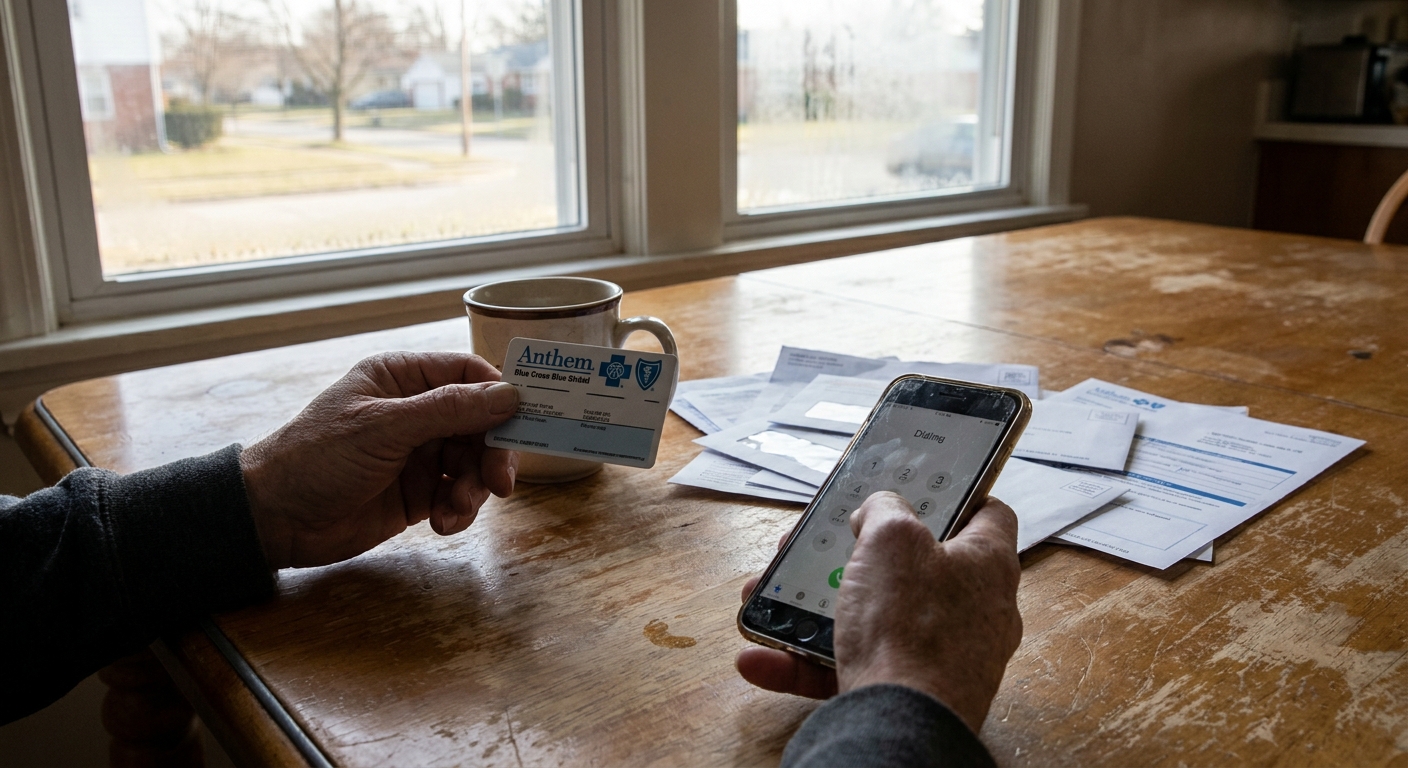
For the Toledo area, the payer landscape includes commercial plans from Aetna, Anthem BCBS, Cigna, and Optum, along with Tricare for military members and dependents, and Ohio Medicaid managed-care plans including CareSource, Buckeye, Molina, Anthem, Aetna, AmeriHealth Caritas, and Humana. Most commercial plans cover medically necessary detox, but prior authorization is typically required. Tricare covers alcohol detox under its Substance Use Disorder Program (SUDP) benefit for eligible beneficiaries. Before admission, call the member services number on your insurance card and ask three specific questions: Is medical detox a covered benefit under my plan? Do I need prior authorization for inpatient or residential detox? What is my deductible or out-of-pocket responsibility for this level of care?
Using ohio medicaid for detox
Ohio’s Medicaid managed-care plans, including CareSource, Buckeye, and Molina, cover medically necessary alcohol detox services. According to a 2023 OhioMHAS report on Medicaid-funded substance use disorder treatment, over 61,000 Ohio Medicaid members received some form of SUD treatment service in the prior fiscal year, with detox representing one of the most commonly authorized levels of care.
For acute medical detox, most Ohio Medicaid managed-care plans do not require prior authorization for the first 72 hours of care when the admission is for medically necessary acute withdrawal management. After 72 hours, continued stay authorization is typically required. The action here: confirm your specific managed-care plan before admission, not after, to understand any plan-specific requirements and avoid unexpected billing.
Using commercial insurance and tricare
Commercial plans from Aetna, Anthem BCBS, Cigna, and Optum typically require prior authorization for inpatient and residential detox. In-network facilities simplify this process significantly; the facility’s admissions team handles most of the authorization work on your behalf. Out-of-network detox is possible but requires more active management on your part.
Tricare covers alcohol detox under its SUDP benefit, with coverage available at both military treatment facilities and authorized civilian providers. A 2022 CMS parity compliance review found that commercial insurer denial rates for SUD inpatient services ran approximately 11 to 14% at initial submission. If your claim is denied, request a peer-to-peer review between your physician and the insurer’s medical reviewer. If your preferred facility is out-of-network, request a single-case agreement in writing before admission.
What happens after detox and why it is not the end of treatment
A 2018 NIDA analysis of 1,162 patients who completed alcohol detox but did not enter any subsequent treatment found that 80% relapsed within the first year, with the majority relapsing within the first 30 days. Detox removes alcohol from your body. It does not treat addiction. These are two separate things, and conflating them is one of the most dangerous misunderstandings in early recovery.
The continuum of care that follows detox includes residential treatment, partial hospitalization programs (PHP), intensive outpatient programs (IOP), standard outpatient counseling, and long-term aftercare. Each level corresponds to a different phase of recovery and a different intensity of clinical support. The transition from detox into the next level of care is the highest-risk moment in the early recovery process. Discharge without a confirmed placement is not a plan.
Before your detox admission date, identify your next level of care and confirm that placement in writing. Not “research it.” Confirm it. The facilities that manage this transition well, keeping patients within the same system from detox through ongoing treatment, produce measurably better outcomes. Local resources covering detox across Lucas County can help you map the available options in the Northwest Ohio region and understand how different programs handle the handoff between levels of care.
Questions to ask any toledo detox facility before you commit
A 2021 SAMHSA study examining program quality variables across 312 licensed detox programs found that facilities with on-site psychiatric consultation, physician-managed medication protocols, and formalized transition planning had completion rates 34% higher than facilities lacking these features. What a facility tells you when you call is more informative than what its website says.
Ask about medical staffing first: Is there a physician or APRN on site during all shifts, or only on call? On-call coverage is not the same as on-site coverage for a patient in acute withdrawal. Ask specifically which medications the program uses and how dosing decisions are made. Ask whether the facility has on-site psychiatric support for co-occurring mental health conditions, because alcohol use disorder and depression, anxiety, or trauma frequently present together. Ask what the average length of stay is and what determines discharge readiness. Ask how the program handles the transition to residential or outpatient treatment and whether they have established referral relationships with continuing care providers.
The answer to the transition planning question is particularly telling. Facilities that treat detox as a self-contained episode, rather than as the entry point to a continuum, produce worse long-term outcomes. The best programs begin discharge planning on day one.
Taking the first step toward detox in toledo this week
According to a 2022 SAMHSA national survey, only 6.3% of adults who needed substance use disorder treatment in the prior year actually received it. The most commonly cited reason for not seeking treatment was not cost or access. It was not believing treatment was necessary. That belief, not the logistics, is the barrier most people face.
Detox is not a last resort for people who have “hit rock bottom.” It is the clinically appropriate first move for anyone with alcohol dependence who wants to stop drinking safely. The research on supervised detox is not ambiguous. Medical oversight during withdrawal saves lives, reduces complications, and dramatically improves the odds that someone will stay in treatment long enough for treatment to work.
Make one call today. Call the member services number on your insurance card and ask whether medical detox is a covered benefit. Or call a Toledo-area detox program and ask about availability, intake requirements, and what the admissions process looks like. Either call takes less than ten minutes and answers the two questions that are keeping most people from moving forward: Can I afford this? And where do I start?
Those are the only two questions that matter right now. Make the call before this week ends.
Frequently asked questions
How long does alcohol detox take in toledo?
Most medically supervised alcohol detox programs last between 5 and 10 days, depending on the severity of dependence and how quickly withdrawal symptoms stabilize. The acute danger window is the first 72 hours. Some individuals with milder dependence stabilize within 4 to 5 days, while those with severe, long-term dependence or complicated withdrawal histories may require 7 to 10 days of monitoring before it is clinically appropriate to step down to the next level of care.
Can I detox from alcohol at home in ohio?
Home detox from alcohol is not safe for anyone with physical dependence on alcohol. Unlike some other substances, alcohol withdrawal carries a genuine risk of fatal complications, including seizures and delirium tremens. No medically credible framework recommends unsupervised home detox for alcohol. If you are dependent on alcohol and want to stop drinking, the appropriate step is contacting a medically supervised detox program, not attempting to manage withdrawal on your own.
Does ohio medicaid cover alcohol detox in toledo?
Yes. Ohio Medicaid managed-care plans, including CareSource, Buckeye, and Molina, cover medically necessary alcohol detox. For acute withdrawal management, most plans do not require prior authorization for the first 72 hours of care. After 72 hours, continued stay authorization is typically needed. Confirm your specific plan’s requirements before admission so there are no surprises after discharge.
What is the difference between detox and rehab?
Detox is the medically supervised process of clearing alcohol from your body and managing withdrawal safely. Rehab, which includes residential treatment, PHP, and IOP, addresses the behavioral, psychological, and social dimensions of addiction. Detox is the first step in the treatment continuum, not a standalone solution. Research consistently shows that completing detox without entering a subsequent level of treatment results in relapse rates above 80% within the first year.
How do I know if I need inpatient or outpatient detox?
The determination is based on clinical variables, not personal preference. Inpatient or residential detox is appropriate if you have a history of withdrawal seizures, drink at high daily volumes, have co-occurring medical or psychiatric conditions, or lack a stable and alcohol-free home environment. Outpatient detox is appropriate for lower-severity dependence in individuals with strong social support and no prior severe withdrawal history. A licensed clinician using the ASAM criteria or the CIWA-Ar assessment scale can make this determination accurately during an intake evaluation.
What medications are used in alcohol detox?
The primary medications are benzodiazepines, most commonly lorazepam (Ativan) or chlordiazepoxide (Librium), which are dosed to prevent seizures and manage withdrawal severity. Gabapentin is frequently used as an adjunct for anxiety and sleep disruption. Thiamine (vitamin B1) is given to prevent neurological complications. Naltrexone may be introduced in the later stages of detox or early post-detox period to reduce cravings. Specific medication protocols vary by facility and should be managed by a physician or advanced practice nurse, not nursing staff alone.