
Many spouses expect that saying the hard truth out loud, even bluntly, will finally get through. But when the kitchen-table talk ends in a slammed door or a quick promise to cut back, the words you chose may have closed the conversation before it began. If you have since searched “What not to say to an alcoholic?” you are not looking for a way to win an argument. You want words that may help your husband or wife keep talking and keep the door to help open.
The answer is often not more force. It may be different words: one specific moment you saw, a feeling you can own, and one small next step. The nine items below pair the lines spouses often regret with replacements built that way. They also explain how to tell when drinking may need a medical team, and what to say when your spouse is ready to explore help in Toledo, OH.
1. Why Does Knowing What Not to Say to an Alcoholic Spouse Matter So Much?
Your words can shape whether your spouse hears worry or an attack. Labels, guilt, and threats often trigger a defense. Calm, specific “I” statements may give a person more room to acknowledge that something feels wrong.
Before any phrase, one safety point matters most. A person who drinks heavily every day should not stop suddenly without medical guidance. Alcohol withdrawal can become dangerous, and the risk is higher for people who have been drinking a lot for a long time. That is why Midwest Recovery Center begins addiction treatment with medical detox. You will see this point again in item 7, because “just stop” is one of the most common things spouses say, and one of the riskiest.
A second ground rule: this guide describes behaviors. It does not diagnose. You do not need to decide whether your spouse “is” anything. Your role is to notice what is happening, speak about it honestly, and encourage your spouse to seek a professional assessment.
Warning signs a spouse often sees first
A spouse often notices a pattern like this before anyone else does:
- Hiding bottles, drinking alone, or drinking before work or in the car
- Missing work, family events, or plans because of drinking or hangovers
- Trying to cut back and not managing it
- Needing more alcohol over time to feel the same effect
- Mood swings, irritability, or anger when drinking comes up
- Drinking even after a DUI, a health warning, or a serious fight
- Losing interest in hobbies, friends, or family time that used to matter
- Making promises about drinking that keep getting broken
Physical signs alcohol may be affecting your spouse’s health
Heavy drinking can also show up in the body. Watch for:
- Shaking, sweating, nausea, or poor sleep when they have not had a drink
- A flushed or puffy face
- Weight loss or weight gain without a clear reason
- Frequent stomach pain, heartburn, or diarrhea
- Possible signs of liver problems, such as yellow skin or eyes, a swollen belly or legs, easy bruising, or dark urine. These need a doctor soon.
- Frequent falls, injuries, or bruises your spouse cannot explain
You are not a bystander here. You share a home, a bank account, and maybe children with this person. That is why your words carry so much weight, and why it is so easy to say the wrong thing when you are tired and scared.
Phrases to avoid at a glance
If you only have a minute, here is a short answer to “What not to say to an alcoholic?” Avoid:
- Labels like “You’re an alcoholic” or “You’re a drunk”
- Love tests like “If you loved me, you would stop”
- Threats you will not carry out, like “This is the last time”
- Willpower lines like “Why can’t you just have one?”
- Blame aimed at the family, like “You’re ruining the kids’ lives,” said mid-fight
- “Just stop tomorrow,” said to someone who drinks heavily every day
Each item below explains why these lines often backfire and what to say instead.
2. Do Not Say “You Are an Alcoholic”: Describe What You Saw Instead
Consider swapping the label for one thing you saw and how it made you feel. “I felt scared when you drove home after drinking Saturday” may open a conversation. “You are an alcoholic” more often invites a flat denial.
A label can turn the talk into a yes-or-no fight about identity. Your spouse only has to say “No, I’m not” to end it, and now you are debating a word instead of a problem. Labels also carry shame. The National Institute on Alcohol Abuse and Alcoholism treats alcohol use disorder as a medical condition and notes that stigma can keep people from seeking care. A word meant to wake your spouse up may push them further from help.
A label also claims something only a professional can confirm. Alcohol use disorder is diagnosed through a clinical assessment that looks at patterns over time. You do not have to prove a diagnosis at the kitchen table. You can simply describe what you have seen, which is harder to argue with.
Here is how the swap works in practice:
- Instead of “You’re a drunk,” try “Last night you fell asleep at the table before dinner, and I was worried.”
- Instead of “You always ruin everything,” try “When you missed Emma’s game, I felt alone and hurt.” Use your own child’s name or event.
- Instead of “You have a problem,” try “I’ve noticed you’re drinking more than you used to, and I’m concerned.”
Each one names a single event, ties it to a feeling you own, and leaves out words like “always” and “never.” Midwest Recovery Center lists transparent, forthright communication paired with compassion among its core values, and that same balance can be applied at home. Be honest about what you saw and gentle in how you say it.
3. Do Not Say “If You Loved Me, You Would Stop”
Consider replacing the love test with this: “I love you, I am worried, and I want to help you find support.” Alcohol use disorder is not a measure of how much your spouse loves you, and it is not a measure of their character.
“If you loved me, you would stop” comes from a real place. You feel unchosen, as if the bottle keeps winning. But the line turns a health problem into a loyalty test, and your spouse can only fail it. Many people who drink heavily already feel deep guilt. Adding “you don’t love me enough” may feed the shame that can keep drinking going, and it often ends with your spouse defending their love instead of looking at the drinking.
The alternative line puts love and concern side by side. It tells your spouse that you are on their side, that you see the problem, and that you want to help, not extract a confession. Here is a simple order for your next conversation:
- Pick a calm, sober moment. Not during or right after drinking, and not in the middle of a fight.
- Lead with love. “I love you, and I want to talk about something that’s been on my mind.”
- Name one behavior. “On Saturday you drove home after drinking.”
- Say how it affected you. “I was scared something would happen to you.”
- Ask, then listen. “How have you been feeling about your drinking lately?” Let silence happen.
- Offer one next step. “Would you be willing to talk to a doctor or a treatment center with me?”
Put together, the talk might sound like this: “I love you, and I’ve been worried. When you drove home after drinking Saturday, I was scared. I’m not trying to blame you. I want to help you find support. Would you be willing to make one call with me this week?” Your spouse may not say yes the first time. Even so, you will have offered something different from a guilt trip.
4. Do Not Make Threats You Will Not Keep: Say What You Will Actually Do
Consider swapping “I’ll leave if you do it again” for a boundary you intend to hold, such as “I will not ride in the car if you have been drinking.” Boundaries you keep can build trust, while threats you break tend to wear it down.
Empty ultimatums are a common trap for spouses. You say “This is the last time” or “I’ll take the kids and go,” then the next weekend comes and nothing changes. Each broken threat can teach your spouse that your words do not lead to action, and it can teach you to doubt yourself. Guidance from MedlinePlus on helping a loved one with a drinking problem cautions against threats and lecturing, and against covering up for the person’s drinking.
A boundary is different from a threat. A threat tries to control what your spouse does. A boundary describes what you will do, and you can carry it out without your spouse’s cooperation. For example:
- “I will not ride in the car if you have been drinking.”
- “I won’t call your boss to say you’re sick when you’ve been drinking.”
- “I’m not going to keep this from my family anymore. If they ask, I’ll tell them the truth.”
- “I’ll leave the room when you’ve been drinking, and we can talk tomorrow.”
- “I’m not buying alcohol for the house.”
Covering for missed work and hiding the drinking can feel like protecting your family. Over time, though, they may mostly protect the drinking. When your spouse faces the natural results of their choices, the gap between “I’m fine” and reality may become harder to ignore. State each boundary once, calmly, when your spouse is sober. Then follow through quietly, without a speech. Steady follow-through often speaks louder than a raised voice.
5. Do Not Say “You Just Need More Willpower” or “Why Can’t You Have Just One Drink?”
Consider replacing these with a question or an offer of help, such as “What would make it easier to get help?” Willpower lines frame a medical condition as a character flaw, and they may deepen shame instead of supporting change.
From the outside, it looks simple. Other people have one glass of wine and stop, so why can’t your spouse? One reason is that heavy, long-term drinking can change how the brain handles reward, stress, and self-control. The National Institute on Drug Abuse’s guidance on terms to use and avoid when talking about addiction explains that addiction is a treatable medical condition, not a moral failing, and that stigmatizing language can get in the way of care. When you say “just have one,” you may be asking your spouse to use the very control that alcohol has weakened.
These phrases also miss what is often going on underneath. Many people drink to quiet anxiety, low mood, poor sleep, or old trauma. If that is true for your spouse, “try harder” overlooks the reason the drinking may have started. Other options include:
- “What’s been hardest for you lately?”
- “Is the drinking helping with something else, like stress or sleep?”
- “Would you be open to talking with someone who treats this?”
Midwest Recovery Center uses evidence-based therapies that address the thoughts and feelings connected to drinking, not just the drinking itself. Cognitive Behavioral Therapy (CBT) helps a person notice the thoughts and triggers that lead to a drink and practice other responses. Dialectical Behavioral Therapy (DBT) builds skills for handling strong emotions and distress. For a spouse who also experiences anxiety, depression, or trauma, Midwest Recovery Center offers Dual Diagnosis treatment and Mental Health Treatment so both concerns can be addressed together. Experiences differ from person to person.
6. Do Not Say “Think of the Kids” or Bring Up Money in the Heat of an Argument
Name the impact on your family without blame, and save it for a calm moment. “I’ve noticed the kids get quiet when you’ve been drinking, and I want our home to feel safe for all of us” may land very differently than “You’re ruining their lives.”
Drinking can strain a marriage in ways that are hard to explain to anyone outside it. You may be managing bills that keep slipping, telling the children a parent is “tired,” taking over chores and school pickups, and lying awake waiting for the car to pull in. When all of that spills out mid-argument as “Think of the kids” or “Do you know how much you’ve spent?”, your spouse may hear an attack and fight back. The real issue can get buried under who said what.
Facts about family impact still matter. Share them when your spouse is sober, and keep them specific and calm:
- “We were short on the mortgage this month, and I’m stressed about money. Can we look at the budget together this weekend?”
- “Our son asked me why you were yelling last night. I want him to feel safe at home.”
- “I’ve been carrying a lot on my own, and I’m worn out.”
There are also things you can do for yourself, whatever your spouse decides. You can protect money for essentials, find your own support, and lean on people you trust. The SAMHSA National Helpline (1-800-662-4357) is free, confidential, and open 24 hours a day, every day of the year. It can point you toward support and treatment options, and you do not need your spouse’s permission to call. Taking care of yourself is not giving up on your marriage. It can help you stay steady while you support your spouse.
If drinking ever leads to violence, or you or your children feel unsafe, your safety comes first. Get to a safe place and call 911.
7. Do Not Say “Just Stop Tomorrow”: Why People Who Drink Heavily Need a Medical Team First
“Just stop tomorrow” can put a person who drinks heavily every day at real risk, because stopping suddenly can cause dangerous withdrawal. A safer message is “Let’s talk to a medical team first.”
This is the line spouses say out of love and relief: “Fine. Then quit. Starting tomorrow.” It can feel like the answer you have been waiting for. But a body used to heavy, daily alcohol adjusts to having it there. Take it away all at once, and the nervous system can swing into overdrive. For some people, withdrawal stays mild. For others, it can become a medical emergency within hours to a few days of the last drink, and it is hard to predict at home which way it will go.
So medical detox is not just one option among many. It is a decision point. If your spouse drinks every day and has ever had the shakes, sweats, or nausea when skipping a drink, ask about medical detox before any attempt to quit. In detox, a medical team watches for warning signs and can treat withdrawal symptoms as they appear, so your spouse is not riding it out on the couch while you guess what is normal.
You may be wondering whether detox itself is safe, or whether withdrawal could hurt your spouse even with help. That fear makes sense. The purpose of medical detox is that someone trained is watching throughout, so changes can be caught early instead of in the middle of the night at home.
Withdrawal red flags that call for medical help or 911
Watch for these signs if your spouse cuts back or stops:
- Shaking hands or body tremors
- Heavy sweating, fast heartbeat, or high blood pressure
- Nausea or vomiting
- Severe anxiety, agitation, or trouble sleeping
- Confusion or not knowing where they are
- Seeing, hearing, or feeling things that are not there
- Seizures
If your spouse has a seizure, becomes confused, has chest pain, or will not wake up, call 911 right away. Do not wait to see if it passes.
Midwest Recovery Center offers medical detox connected to its evidence-based therapies, so a person can stop drinking under medical supervision and move from withdrawal into ongoing treatment within one program. Detox addresses the first, most physically risky stage. Ongoing treatment addresses the reasons the drinking started. Because both happen within the same program, your family does not have to piece together the next step alone after detox ends.
8. What Do You Say When Your Spouse Refuses Help?
Keep the door open with one calm sentence, hold your boundaries, and stop talking long enough to let your spouse think. If your spouse has a seizure, confusion, chest pain, or is unresponsive, stop the conversation and call 911.
A “no” is not always the final answer. Many people refuse the first time, and the second, before something shifts. What you say after a refusal matters as much as what you said before it. Avoid arguing, repeating the same speech, or listing past failures. Instead, try:
- “Okay. I’m not going anywhere, and the offer stands.”
- “I’m going to keep my boundaries, because I need them.”
- “If you change your mind, even at 2 a.m., tell me. We’ll call together.”
Then stop. Silence is hard, but it can let your spouse sit with the conversation instead of fighting you.
Picture how this might play out. On Sunday night, your husband says no and walks out of the room. You do not follow him. On Wednesday, after a rough morning, he mentions that his hands were shaking. Because you stayed calm on Sunday, he may feel safe enough to tell you. A small opening like that is sometimes how a yes begins.
A gentle way to return to the subject later is a self-check. The NIAAA’s Rethinking Drinking site offers questions a person can answer privately, without anyone calling them anything. They ask things like whether, in the past year, your spouse has:
- Ended up drinking more, or longer, than they meant to
- Wanted to cut down or tried to, but could not
- Kept drinking even though it made them feel anxious or low, or after a memory blackout
- Needed to drink much more than before to get the same effect
- Had shakiness, sweating, nausea, restlessness, or trouble sleeping as alcohol wore off
You might say, “I found some questions about drinking. Would you look at them on your own? You don’t have to tell me your answers.”
How do I know when drinking has crossed from heavy use into needing rehab?
Drinking may have moved past what a home conversation can address when your spouse cannot cut back despite trying, keeps drinking despite real harm, or has withdrawal symptoms between drinks. At that point, a professional assessment is a reasonable next step.
That assessment looks at how much and how often your spouse drinks, their physical health, any mental health concerns, and past attempts to quit. It helps determine whether your spouse may need medical detox first or can start at a lower level of care. You do not have to make that call yourself, and you do not have to be sure before you reach out.
If refusals keep coming, you have outside options. Some families work with a professional interventionist, who helps plan a structured, caring conversation. The SAMHSA National Helpline can help you think through next steps. You can also call a treatment center yourself to ask questions on your spouse’s behalf, even before your spouse agrees to anything.
Many spouses also worry about what happens if their partner agrees, then wants to leave early. That fear is real too. Ask about it directly when you call. Ask how the program supports people on hard days and how families can stay involved.
9. What Do You Say When Your Spouse Says Yes? A Toledo, OH Path to Medical Detox
Consider saying, “Thank you. Let’s make the call together, right now.” Acting while the yes is fresh may help, because willingness can fade by morning.
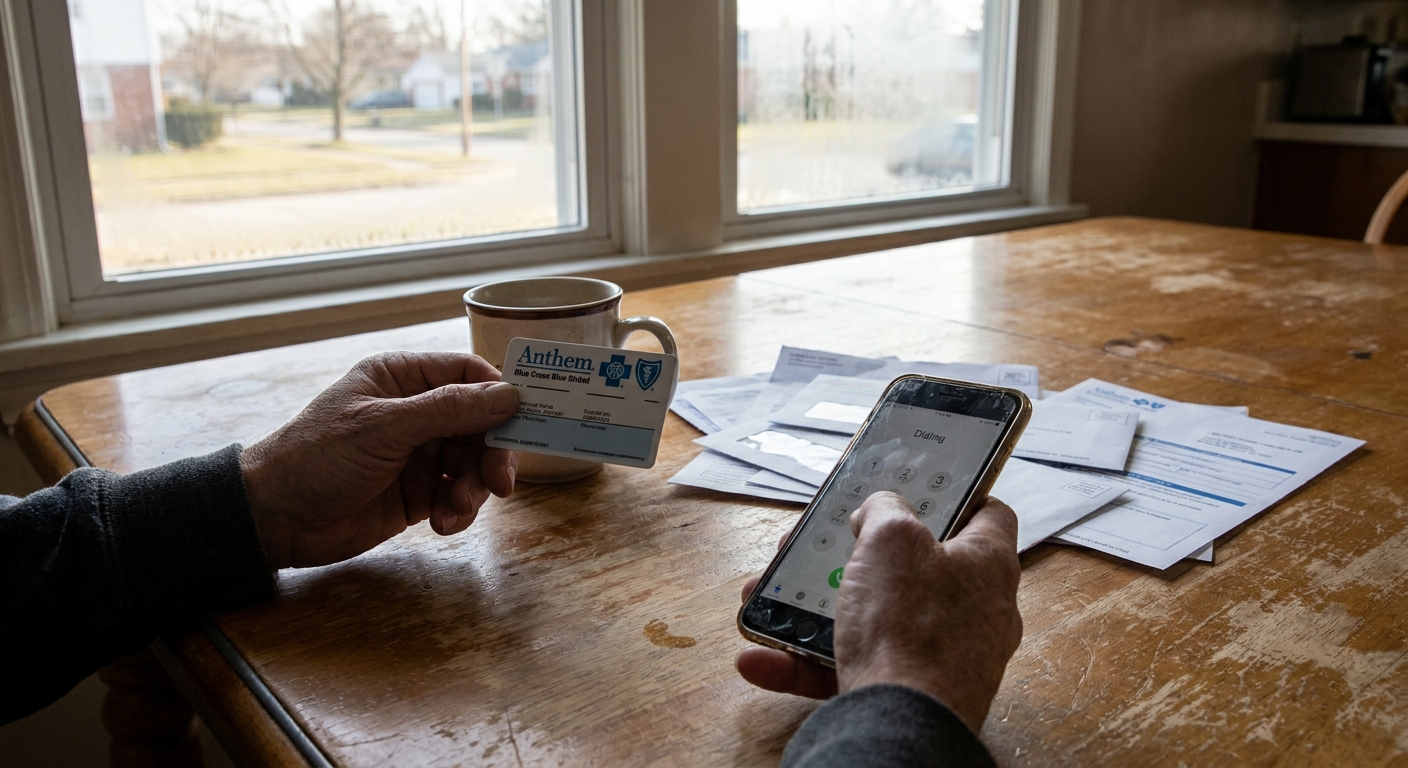
That moment may come after a scare, a hard morning, or simple exhaustion. Try not to celebrate too loudly or bring up the past. Sit down together, keep the tone simple, and make the call. You can ask what the first step looks like, whether medical detox is recommended, and how your insurance applies. Have your spouse’s insurance card ready, along with a rough idea of how much and how often they drink. If your spouse has had shakes or sweats when skipping a drink, say so early.
Midwest Recovery Center serves families in Toledo, OH, and its levels of care form a ladder. A person can step down as their needs change:
- Medical detox: Supervised withdrawal, the first step for many people who drink heavily every day.
- Residential: Living on-site with full-day structure and therapy.
- Partial hospitalization (PHP): Intensive daytime treatment while sleeping at home.
- Intensive outpatient (IOP): Several sessions a week, often scheduled around work.
- Outpatient (OP): Regular sessions for ongoing support.
- Medication-assisted treatment (MAT): Medications combined with therapy for some people, as a clinician recommends.
Which level fits depends on the assessment. A spouse with daily heavy drinking and withdrawal signs will often start with detox. Someone with milder patterns may start lower on the ladder.
Insurance is often the next worry. Midwest Recovery Center is in-network with Aetna (commercial and Medicaid plans), Blue Cross Blue Shield (commercial and Medicaid plans), Cigna, Curative Health, Frontpath commercial plans, Medical Cost Containment, Multiplan, TRICARE, and UnitedHealthcare (commercial, exchange, and Medicaid plans), along with Ohio Medicaid. CareSource and Molina (commercial and Medicaid plans) are accepted, though not in-network. Medicare is not accepted, which matters for older couples to know up front. Benefits vary by plan, so ask for a verification when you call.
Federal rules also apply. Marketplace plans must cover substance use disorder services, and parity law generally means that plans covering addiction treatment cannot limit it more strictly than medical care.
If you came here asking what not to say to an alcoholic, you now have more than a list of lines to avoid. You have a way to speak that keeps love, honesty, and safety in the same conversation, and a place to turn when your spouse is ready.
If your spouse drinks daily or has had shakes when skipping a drink, call Midwest Recovery Center in Toledo, OH, at 833-657-0858. Ask what the first step toward a medical detox assessment looks like, and have your insurance checked. If you need to talk to someone first, the free, confidential SAMHSA National Helpline is open 24/7. If there is a seizure, confusion, or chest pain, call 911.
One detail to bring to that call: if your spouse’s hands shake in the morning and settle after a drink, say that first. It tells a medical team how carefully stopping may need to be planned.
You Don’t Have to Find the Perfect Words Alone
Choosing what to say to a spouse who drinks too much is hard, and it is normal to worry that one wrong sentence could push them further away. Your care for them matters more than getting every word right, and support is available for both of you. If you’re in Toledo, OH and wondering whether medical detox could be a safe first step, the team at Midwest Recovery Center is here to talk it through, so call the office when you’re ready.
Experiences and responses to treatment vary from person to person; this article is general information, not medical advice, and does not diagnose any condition.