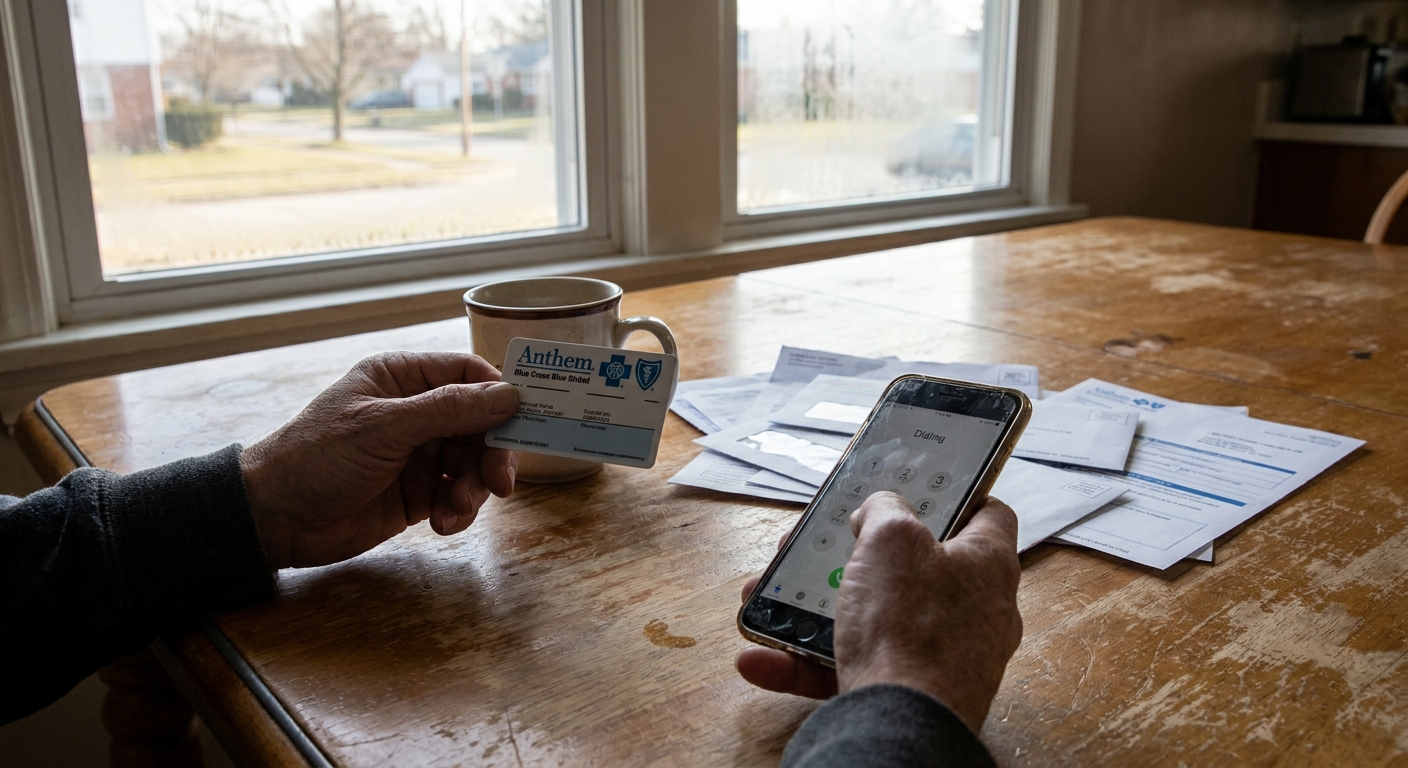
You are holding an Anthem Blue Cross Blue Shield card in one hand and a phone in the other. You already know detox may be a needed step, so that is not the question keeping you up tonight. The question is whether your insurance will cover it, whether you can afford it, and whether your loved one can start soon. Put plainly, you are asking one thing: does Anthem cover detox, and will it cover it here, for the person you love? This page answers that question for families in Toledo, Maumee, and across Lucas County.
Does Anthem Cover Detox at Midwest Recovery Center? Yes, and the Network Matters
Yes. Midwest Recovery Center accepts two Anthem plan types: Anthem BCBS Commercial and Anthem BCBS Medicaid. Coverage for addiction treatment still depends on the details of your plan and on medical necessity, and the admissions team confirms both before admission.
Anthem is not the only option. Midwest Recovery Center also accepts Aetna Commercial, Aetna Medicaid, Amerihealth Caritas Medicaid, and Buckeye Community Medicaid, and private pay is available. If your family’s coverage changes, or if one person in the household has Anthem and another has a different plan, the same admissions team can check each one.
So what does network status mean for your family? “In-network” means a provider has a contract with the insurer, and that contract sets the rates Anthem pays for care. When your loved one gets care from an in-network provider, your share of the cost is figured at your plan’s in-network level, which is usually the lowest cost-sharing tier your plan offers. Out-of-network care works differently. Some plans pay a smaller share of out-of-network costs, and some HMO or EPO plans pay nothing for out-of-network care except in emergencies. You can also be billed for the gap between what the provider charges and what the plan pays. Confirming network status before admission is one way to understand potential costs, and the admissions team checks it for you.
Substance use treatment is not an “extra” that insurance can easily skip. Federal parity rules generally require many health plans to cover mental health and substance use disorder care on terms no more restrictive than medical and surgical care, as SAMHSA explains in its guidance on parity. That does not mean every plan covers every day of every program. It does mean your Anthem plan likely has real benefits for addiction treatment, and Midwest Recovery Center’s admissions staff can help you find them.
You may be carrying a quiet fear that you will do everything right and still hear “not covered.” That fear makes sense. Insurance language is confusing, and calling during a crisis makes it even harder. The difference here is that you do not have to decode the plan alone, because the team handles the Anthem call and then tells you what they found in plain words.
How Do You Verify Your Anthem Benefits Before Detox Starts?
You verify Anthem benefits for detox by calling Midwest Recovery Center’s admissions team at 502-830-3523 with the insurance card in hand. The team contacts Anthem for you and reports back on coverage and estimated cost.
Here is how the verification call usually goes:
- You share the card details. The admissions team asks for the member ID and group number on the Anthem card, the policyholder’s name and date of birth, and the name and date of birth of the person who needs detox. If your loved one is covered under your plan, you can make this call for them.
- You answer a short screening. Staff ask what substances your loved one uses, how much, when they last used, and whether they have had withdrawal symptoms before. They also ask about medical and mental health conditions. These answers matter because Anthem bases detox approval on medical necessity.
- The team contacts Anthem. Admissions staff confirm that the plan is active, that substance use benefits apply, how the plan treats Midwest Recovery Center’s network status, and whether prior authorization is required before admission.
- The team confirms the numbers. They ask Anthem about the deductible and how much of it is already met, any copay, the coinsurance percentage, and the out-of-pocket maximum and how close you are to reaching it.
- You hear the results and the next step. Staff explain what Anthem may pay, what your family may owe, and when your loved one can come in.
Timing depends largely on how quickly Anthem responds. If you call late at night or on a weekend, the team can still collect information and start the screening, and some details may be confirmed once Anthem’s lines open.
Now picture the alternative. You sit on hold with Anthem yourself, get transferred twice, and hear terms like “facility benefit” and “concurrent review” with no context. You hang up more confused than before. When Midwest Recovery Center makes that call instead, you get answers translated into the one question that matters: what happens next for the person you love.
Which Detox Services at Midwest Recovery Center Can Your Anthem Plan Pay For?
Once you know your plan is active, the next question is what it may pay for. Your Anthem plan may help pay for the medical and clinical services that make up detox at Midwest Recovery Center, as long as each service is medically necessary under your plan. Medical detox here is combined with evidence-based therapies, so your loved one can receive care for the body and the mind from the first day.
Services available during medical detox and early stabilization include:
- Medical monitoring throughout withdrawal, so staff can watch for warning signs and respond when symptoms change
- Opioid addiction treatment, for people withdrawing from heroin, fentanyl, or prescription opioids
- Cognitive Behavioral Therapy (CBT), which helps a person notice and change the thoughts that lead to use
- Dialectical Behavioral Therapy (DBT), which builds skills for handling intense emotions and cravings
- Dual Diagnosis treatment, for people living with a mental health condition alongside a substance use disorder
- Mental Health Treatment, so anxiety, depression, or trauma symptoms can be addressed while the body heals
CBT and DBT are recognized, evidence-based therapies, and treating a co-occurring mental health condition at the same time as addiction is a core part of Dual Diagnosis care. Midwest Recovery Center’s clinical team decides which approach may fit your loved one’s health and history. Anthem reviews these services under its own medical necessity rules, so the admissions team confirms what your plan includes before treatment starts.
This matters to you for one reason: safety. You may be asking yourself whether detox is safe and whether withdrawal could hurt the person you love. Withdrawal from some substances, especially alcohol and certain sedatives, can become a medical emergency without supervision. In a medical detox setting, your loved one is not alone with those symptoms at 3 a.m., because trained staff are watching. That is the whole point of detox: stopping use safely, with help close by.
How Much Will You Pay Out of Pocket for Detox With Anthem?
Knowing the services may be covered is a relief, but most families still want to know what they will owe. What you pay out of pocket for detox with Anthem depends on your plan type, how much of your deductible you have already met, and your out-of-pocket maximum. Midwest Recovery Center’s admissions team calculates your estimated share during benefits verification, before your loved one arrives.
With an Anthem BCBS Commercial plan, which most people get through an employer or the insurance marketplace, costs usually work in layers. First comes the deductible, which is the amount you pay each plan year before Anthem starts sharing costs. Deductibles vary widely from plan to plan, and high-deductible plans ask families to pay more before coverage begins. Once the deductible is met, coinsurance usually starts, meaning you pay a percentage of the in-network rate and Anthem pays the rest. Some plans use a flat copay for certain services instead of, or along with, coinsurance. All of this stops at the out-of-pocket maximum. Once your family reaches that cap, the plan typically pays 100 percent of covered in-network care for the rest of the plan year.
Timing can work in your favor. If your loved one has already had hospital visits, ER trips, or other medical care this year, you may be closer to your deductible or out-of-pocket maximum than you think. The admissions team asks Anthem exactly how much has been met. Sometimes a family expects a large bill and learns the remaining cost is much smaller. Other times the deductible is fresh because a new plan year just started, and it helps to know that up front rather than after discharge.
Anthem BCBS Medicaid works differently. Ohio Medicaid members usually have little or no cost sharing for covered services, and substance use disorder treatment, including withdrawal management, is a covered Medicaid benefit when it is medically necessary. Because Midwest Recovery Center accepts Anthem BCBS Medicaid, along with Aetna Medicaid, Amerihealth Caritas Medicaid, and Buckeye Community Medicaid, the main questions for a Medicaid member are usually approval and timing, not a large bill. Either way, the team tells you what to expect before admission, and private pay is available if your family needs another option.
How Many Days Will Anthem Cover for Inpatient Detox, and What If Your Loved One Needs More?
There is no fixed number of days. Anthem typically approves detox in short periods based on medical necessity, and some detox stays last several days to about a week, with more days approved when the clinical picture supports a longer stay.
Insurers, including Anthem, commonly use a process called concurrent review. Anthem approves an initial number of days, and as that period ends, the clinical team sends updated notes showing how your loved one is doing. If withdrawal symptoms are still active, or if your loved one is not yet medically stable, the team can request more days. Anthem’s reviewers look at the same kind of information doctors use: the substance involved, how severe withdrawal is, vital signs, and any other health risks.
Several things can make a longer stay medically necessary. Withdrawal from alcohol or benzodiazepines can be more medically complex than withdrawal from some other substances. Opioid withdrawal can be intense enough that people leave early to make the symptoms stop. Using more than one substance at once can make symptoms harder to predict. A co-occurring mental health condition, such as severe depression or anxiety, may need stabilization before your loved one can safely step down. Because Midwest Recovery Center offers Dual Diagnosis treatment and Mental Health Treatment, the clinical team can document those needs clearly when it asks Anthem for more time.
This is also where a common concern comes up: what if your loved one leaves early? You may worry they will feel a little better on day three and want to go home. Adults in detox are there by choice, so discharge decisions rest with the individual. What may help is a team that keeps talking with them about why the next few days matter and what comes after detox. As NIDA explains, relapse after treatment does not mean treatment failed, and recovery often involves multiple episodes of care over time. A safe, complete detox followed by ongoing care can give your loved one a steadier start than stopping halfway.
What Happens If Anthem Requires Prior Authorization or Denies Detox?
Even with good coverage, families often worry about paperwork getting in the way. If your Anthem plan requires prior authorization, Midwest Recovery Center’s admissions team submits the clinical information Anthem needs for you. If Anthem denies coverage or asks for more information, the team responds with medical records, works with Anthem’s reviewers, and helps you request an appeal.
Prior authorization means Anthem wants to review the case before approving payment. Not every Anthem plan requires it for detox, but many plans do for higher levels of care. During verification, the team finds out whether your plan needs it. If so, staff send Anthem the screening results and clinical details that show why medical detox may be needed. You do not need to fill out insurer forms or argue your loved one’s case on the phone.
A denial is not always the final word. Sometimes Anthem asks for more information, or it decides a lower level of care would work. When that happens, the team can provide more documentation and may request a review between a clinician and Anthem’s medical reviewer. When a delay could put someone’s health at risk, plans generally offer an urgent or expedited appeal that moves faster than a standard one, and the team can help you make clear to Anthem what is at stake.
If authorization cannot be secured right away, you still have options. Midwest Recovery Center offers private pay, and the team can talk with you about what that would look like while an appeal moves forward. What matters most is that your loved one does not sit at home in dangerous withdrawal while paperwork moves through the system. The team’s job is to keep the path to safe medical care open, not to hand the problem back to you.
Questions Toledo Families Ask About Anthem and Detox
The questions below come up often when families call to ask, “Does Anthem cover detox?” Each answer is short, and the admissions team can apply it to your specific plan.
Does Anthem Blue Cross Blue Shield Medicaid cover detox in Ohio?
Sometimes, when detox is medically necessary. Anthem Blue Cross and Blue Shield is one of the managed care plans that serves Ohio Medicaid members, and Midwest Recovery Center accepts Anthem BCBS Medicaid. Ohio Medicaid covers substance use disorder treatment, including withdrawal management, when medically necessary.
Is detox considered hospitalization under Anthem BCBS plans?
Usually not in the general medical sense. Medical detox is most often billed under your plan’s substance use or behavioral health benefits, not as a standard hospital stay for a medical illness. How your plan groups these benefits, and whether they share a deductible with medical care, varies by plan, so the admissions team asks Anthem exactly how your plan treats it.
Will my Anthem insurance cover continuing care after detox at Midwest Recovery Center?
Sometimes, when the next level of care is medically necessary. Anthem plans commonly include benefits for partial hospitalization (PHP), intensive outpatient (IOP), and outpatient (OP) care, and Midwest Recovery Center offers all three. Each new level may need its own authorization, and the same admissions team handles that request so you do not have to start over.
What if I do not know whether we have Anthem commercial insurance or Anthem Medicaid?
Look at the front of the card. A Medicaid card usually says “Medicaid” or names the Ohio Medicaid program, while a commercial card usually lists a group number tied to an employer or a marketplace plan. If you are still unsure, read the card details to the admissions team, and they will confirm the plan type with Anthem.
Can we use our Anthem insurance if we live outside Toledo?
In some cases, yes. Blue Cross Blue Shield plans from other areas can sometimes be used with Blue providers in Ohio, though benefits depend on how your plan handles care outside its home area. Midwest Recovery Center has multiple locations across the Ohio region, and the admissions team checks your coverage during verification, the same way it does for local plans.
Does Midwest Recovery Center help with Anthem appeals if detox coverage is denied?
Yes. The admissions team submits clinical documentation, works with Anthem’s medical review staff, and helps you request an urgent appeal when a delay could put your loved one at risk. Private pay is also available if your family needs to start care while the appeal is pending.
Can Your Loved One Start Detox at Midwest Recovery Center Soon With Anthem?
In some cases, yes. Once Anthem confirms benefits, any required authorization is in place, and a bed is available, your loved one can begin medical detox at Midwest Recovery Center.
The path is simple. You call the admissions line at 502-830-3523 and share the Anthem member ID and policy details. Staff complete the short screening and contact Anthem. Once the plan is confirmed, your loved one comes to Midwest Recovery Center in Toledo, OH [VERIFY ZIP BEFORE PUBLISHING: 43617 is unconfirmed; replace with ZIP from the facility’s official address] for a medical intake. It helps to bring a photo ID, the insurance card, and a list of current medications. If your loved one is unsure today, you can still start verification so everything is ready the moment they say yes.
Detox is one step in a longer process, not the whole plan. Midwest Recovery Center offers medical detox, PHP, IOP, and outpatient care as part of comprehensive addiction treatment programs. When detox ends, your loved one may be able to move into the next level of care with a team that already knows their history, including any Dual Diagnosis or opioid addiction needs identified during detox. The admissions staff already know your Anthem plan too, so the next authorization request starts with everything in hand. You can explore the full range of addiction treatment programs at Midwest Recovery Center to see what that next step could look like.
For families in Toledo, Maumee, and Lucas County, staying close to home matters. You can stay involved, join family conversations when the clinical team includes you, and help plan the return home without driving hours each way. What you want is simple: your loved one safe, sober, and back in a life where you are not afraid every day. A safe medical detox close to home, with coverage confirmed before the first night, can be one way to begin.
So, does Anthem cover detox for your family? The fastest way to know for sure is to let the team check for you. Call Midwest Recovery Center’s admissions line at [VERIFIED TOLEDO ADMISSIONS NUMBER] and have the Anthem Blue Cross Blue Shield card in front of you. Before you call, write down three things the team will ask: what your loved one uses, when they last used, and any medical or mental health conditions you know about. With those answers ready, the team can verify benefits and walk you through every cost and coverage detail before your loved one arrives.
Find Out Your Anthem Detox Coverage Today
If you or someone you care about is ready to take the first step toward recovery, questions about insurance coverage should not stand in the way. Our admissions team at Midwest Recovery Center can verify your Anthem benefits and walk you through what your plan covers for medical detox. Reach out now to get clear answers about your coverage and how we can help you begin treatment in Toledo.
Insurance coverage, network status, costs, and outcomes vary based on individual plans, circumstances, and medical necessity. This page does not guarantee specific benefits, payment, or treatment results. If someone is in immediate danger or showing signs of severe withdrawal or overdose, call 911.