Opioid use disorder has a proven, medically effective treatment, and for many adults in Youngstown and Mahoning County, Suboxone is it. This review breaks down how Suboxone treatment works, who it’s right for, what the process actually looks like, and how to get started, so you can make a clear decision instead of wading through conflicting information.
What suboxone treatment actually does to opioid dependency
A 2020 study published in JAMA Psychiatry, analyzing data from over 40,000 patients across the U.S., found that buprenorphine-based treatment reduced opioid overdose mortality by 38% compared to no medication treatment. That number isn’t a soft benefit. It’s the difference between life and relapse, and for many people, the difference between life and death.
Suboxone works by binding to the same opioid receptors in the brain that heroin, fentanyl, and prescription painkillers activate, but it does so differently than a full opioid agonist. It reduces cravings and prevents withdrawal without producing the intense euphoria that drives compulsive use. Understanding what medication-assisted treatment actually does at the biological level helps clarify why this approach outperforms abstinence-only programs for opioid use disorder across nearly every outcome measure, including retention, employment, and reduced criminal justice involvement.
The active ingredients and why they work together
Suboxone contains two active ingredients: buprenorphine and naloxone. Buprenorphine is a partial opioid agonist, which means it activates opioid receptors but only to a limited degree. This is the “ceiling effect” in plain English: after a certain dose, taking more buprenorphine produces no additional effect. That ceiling makes it dramatically safer than full agonists like oxycodone or fentanyl, where higher doses continue to increase the risk of respiratory depression. Naloxone is an opioid antagonist added specifically to deter misuse. If the film is dissolved and injected rather than taken sublingually as prescribed, the naloxone becomes active and precipitates withdrawal immediately.
What suboxone does not do
The “substituting one addiction for another” framing is one of the most persistent misconceptions in addiction medicine, and the data doesn’t support it. A 2018 review published in Addiction examined 48 studies and found that patients maintained on buprenorphine showed normalized brain function over time, reduced drug-seeking behavior, and improved social functioning. Physical dependence on buprenorphine exists, but dependence is not addiction. Addiction involves compulsive use despite harm; maintenance treatment involves a stable, prescribed dose that allows people to rebuild their lives.
The opioid crisis in youngstown and mahoning county
Mahoning County consistently ranks among Ohio’s hardest-hit counties for opioid overdose. According to the Ohio Department of Health, Mahoning County recorded an unintentional drug overdose death rate significantly above the state average in recent reporting years, driven heavily by fentanyl contamination in the local supply. Ohio as a whole recorded 5,228 unintentional drug overdose deaths in 2022, with synthetic opioids involved in the vast majority of cases.
Why local context changes treatment urgency
In a fentanyl-dominated drug supply, the margin for error during active use is almost nonexistent. A 2021 report from the Centers for Disease Control found that illicitly manufactured fentanyl was present in over 80% of overdose deaths in states like Ohio. What this means in practice: delays in accessing treatment aren’t just setbacks, they’re genuinely dangerous. The window of motivation that opens after someone decides to seek help is real and time-limited. Acting on that motivation within 24 to 72 hours produces significantly better treatment engagement than waiting for an intake appointment weeks out.
How to know if suboxone treatment is the right fit for you
SAMHSA guidelines identify the core clinical criteria for Suboxone candidacy as a diagnosis of opioid use disorder, current physiological dependence (demonstrated by withdrawal symptoms when opioids are stopped), and the ability to participate in outpatient treatment. You don’t need to have failed every other treatment modality first. Suboxone is appropriate as a first-line intervention for moderate to severe OUD.
A 2022 study in Drug and Alcohol Dependence tracking 1,200 OUD patients found that earlier initiation of buprenorphine treatment, rather than waiting until crisis, was associated with significantly higher 12-month retention rates. The practical takeaway: if you’re using opioids daily, experiencing withdrawal when you stop, and finding that you can’t stop despite wanting to, those are the criteria that matter.
Who is not a strong candidate
Suboxone is not appropriate for everyone. If you have significant benzodiazepine or alcohol dependence alongside opioid use disorder, the combination creates respiratory risk that requires a higher level of medical supervision, often inpatient or residential care first. Certain liver conditions require adjusted monitoring given buprenorphine’s hepatic metabolism. Pregnancy requires a specific conversation with a provider, as buprenorphine monotherapy (Subutex, without naloxone) is the standard of care during pregnancy, not Suboxone. None of these are reasons to avoid treatment, but they are reasons to be direct with your provider about your full medical history from day one.
The intake and onboarding process at a youngstown-area clinic
A 2019 study in Health Affairs found that intake complexity was one of the strongest predictors of treatment dropout in the first 30 days. Clinics that streamlined their onboarding process and reduced time from first contact to first prescription saw a 22% improvement in 30-day retention. Knowing what to expect before you walk in removes friction and sets you up to stay engaged.
Your first appointment at a Youngstown-area MAT clinic will include a medical history review, a physical assessment, a urine drug screen, and a clinical evaluation to determine your appropriate starting dose. The visit typically takes one to two hours. At Midwest Recovery Center, that intake process feeds directly into an individualized treatment plan, not just a prescription, because medication management is one part of a broader clinical structure that includes therapy and dual-diagnosis care.
What to bring to your first appointment
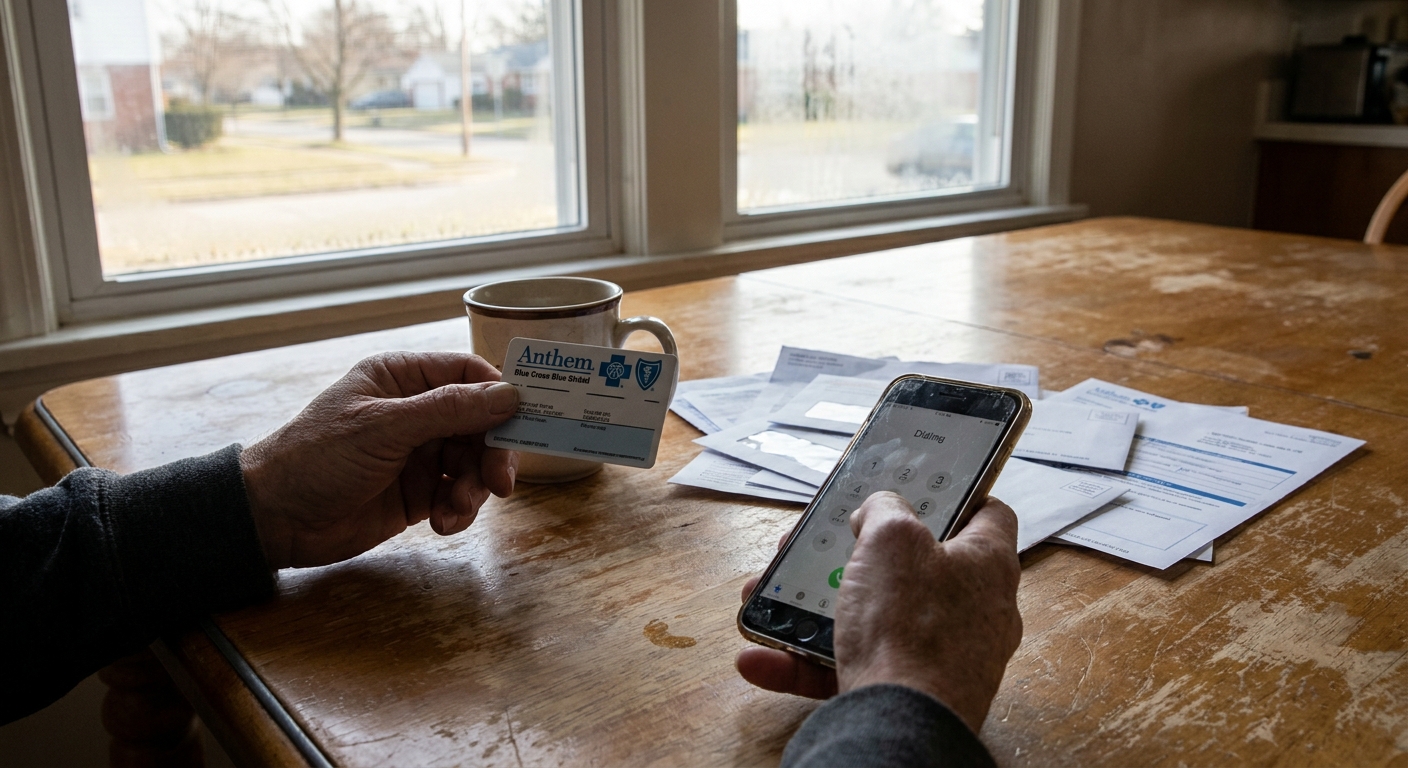
Bring your insurance card (commercial plans including Aetna, Anthem BCBS, Cigna, Optum, and Tricare are commonly accepted, as are Ohio Medicaid managed-care plans including CareSource, Buckeye, Molina, AmeriHealth Caritas, and Humana), a government-issued photo ID, a list of all current medications, and any prior treatment records you have access to. If you don’t have prior records, that won’t prevent you from being seen, but having them speeds up the clinical picture.
The induction phase explained
The first 24 to 72 hours of Suboxone treatment are the induction phase, and timing is the part most people underestimate. You need to be in mild to moderate opioid withdrawal before taking your first dose, typically at least 12 to 24 hours after your last short-acting opioid use, or 24 to 48 hours for longer-acting opioids. Taking Suboxone too early triggers precipitated withdrawal, an abrupt and intensely uncomfortable state caused by the buprenorphine displacing opioids from receptors before they’ve naturally cleared. Your provider will walk you through exactly how to time this. Your dose is then adjusted over the first several days until cravings stabilize and withdrawal symptoms resolve.
Co-occurring mental health treatment alongside suboxone
A 2020 study published in Psychiatric Services, drawing on a national sample of over 10,000 adults with OUD, found that 60% had at least one co-occurring mental health condition, most commonly depression, anxiety, or PTSD. Treating opioid dependence without addressing those underlying conditions produces predictably worse outcomes. Cravings and relapse triggers don’t exist in isolation from mental health, and Suboxone alone doesn’t resolve trauma, mood dysregulation, or chronic anxiety.
Integrated dual-diagnosis care means your mental health treatment and your MAT aren’t managed as separate programs. At Midwest Recovery Center, both are part of the same individualized plan, managed by the same care team, so the clinical picture is complete rather than fragmented.
Therapy formats that pair well with MAT
A 2017 Cochrane review of 27 randomized controlled trials found that cognitive behavioral therapy combined with buprenorphine treatment produced better retention and lower rates of illicit opioid use than medication alone. Trauma-informed care addresses the adverse experiences that frequently underlie substance use disorder, and group counseling adds peer accountability and social support that individual therapy alone can’t replicate. Before enrolling in any program, ask directly: does this clinic offer CBT or trauma-informed therapy integrated with the medication management, or is it a separate referral? The answer tells you a great deal about the level of care you’ll receive.
Insurance coverage and cost for suboxone treatment in youngstown
The Mental Health Parity and Addiction Equity Act requires that commercial insurers cover substance use disorder treatment at parity with medical and surgical benefits. In practice, this means your Aetna, Anthem BCBS, Cigna, Optum, or Tricare plan covers MAT, though prior authorization requirements and formulary details vary. Ohio Medicaid managed-care plans, including CareSource, Buckeye, Molina, AmeriHealth Caritas, and Humana, cover buprenorphine treatment without lifetime visit limits under state policy. The concrete step before your first call to a clinic: contact your insurer directly and ask whether outpatient MAT with buprenorphine is a covered benefit, what your copay or coinsurance is, and whether a referral is required.
For a broader look at what the MAT process involves across Ohio, including what to expect from the clinical side, the structure is largely consistent across compliant outpatient programs.
Out-of-pocket costs if you are uninsured or underinsured
If you don’t have insurance or your coverage is limited, sliding-scale fees are available at many Ohio MAT clinics based on household income. SAMHSA’s Substance Abuse Prevention and Treatment block grant funds treatment for uninsured Ohioans who meet income criteria. Ask the billing coordinator at any clinic you contact specifically about state-funded treatment slots and sliding-scale eligibility before assuming cost is a barrier.
What long-term suboxone treatment looks like
A landmark 2015 study published in The New England Journal of Medicine found that patients who discontinued buprenorphine treatment at 12 weeks relapsed at dramatically higher rates than those maintained on medication long-term. The clinical consensus is clear: longer treatment duration produces better outcomes. There is no standard endpoint, and tapering is a clinical decision made collaboratively between you and your provider based on stability, life circumstances, and personal goals, not an arbitrary timeline.
Medication management visits and urine screenings
Early in treatment, visits are typically weekly. As stability increases, they move to biweekly, then monthly. Urine drug screens are a standard part of ongoing prescribing decisions and test for opioids, benzodiazepines, stimulants, and buprenorphine compliance. The monitoring process isn’t punitive. It’s the clinical basis for adjusting your care plan and demonstrating treatment response over time.
Pros and cons of suboxone treatment
Advantages backed by outcome data
Suboxone treatment cuts opioid overdose mortality by more than a third, as noted in the JAMA Psychiatry data above. A 2016 study in JAMA Internal Medicine found that buprenorphine-treated patients were 74% less likely to be hospitalized for opioid-related causes than untreated patients. Return-to-work rates and social functioning scores improve substantially over 12 months of maintained treatment. These aren’t marginal gains.
Honest limitations to understand before starting
Physical dependence on buprenorphine is real, and stopping without a gradual taper produces withdrawal symptoms. Treatment compliance, including regular appointments and urine screenings, requires consistent effort. Suboxone is not effective for alcohol use disorder or stimulant use disorder. If those are your primary concerns, other medication-assisted options exist that are better matched to your specific situation.
Who suboxone treatment in youngstown is best for
Suboxone MAT is the right path for adults with diagnosed opioid use disorder who are medically stable for outpatient treatment and have insurance coverage or access to state-funded options. It’s specifically right for you if you’ve been unable to stop using opioids despite wanting to, if prior abstinence-only attempts haven’t held, or if you’re in early recovery and need a medically supervised foundation while you rebuild. If your OUD is severe enough that you cannot maintain safety in an outpatient setting, or if co-occurring psychiatric conditions require intensive stabilization, residential or higher levels of care should come first, with MAT integrated into that continuum.
What to do this week if you are ready to start
Call your insurance plan today and ask one specific question: “Is outpatient medication-assisted treatment with buprenorphine a covered benefit, and what’s my cost-sharing?” Write down the representative’s name, the date, and what they tell you. Then call a Youngstown-area MAT clinic, tell them you have OUD, that you’ve verified your coverage, and that you want to schedule an intake appointment. Have your insurance card, photo ID, and a rough list of your current medications ready for that call. That’s the entire action. You can complete it within the next 24 hours.
Frequently asked questions
How long does it take to get a suboxone prescription at a youngstown clinic?
Most outpatient MAT clinics in the Youngstown area can schedule an intake evaluation within a few days of your initial call. At that first appointment, if you meet clinical criteria and are assessed as ready to begin induction, you can receive your first prescription the same day.
Do I have to be in withdrawal to start suboxone?
Yes. You need to be in mild to moderate opioid withdrawal before your first dose to avoid precipitated withdrawal. Your provider will give you specific timing instructions based on which opioid you’ve been using and how recently you last used.
Will my ohio medicaid plan cover suboxone treatment?
Ohio Medicaid managed-care plans, including CareSource, Buckeye, Molina, Anthem, Aetna, AmeriHealth Caritas, and Humana, cover buprenorphine-based MAT. Coverage doesn’t have a lifetime cap under current Ohio policy. Verify your specific plan’s prior authorization requirements by calling member services before your appointment.
Can I receive suboxone treatment through telehealth?
Federal rules expanded telehealth prescribing for buprenorphine during the COVID-19 public health emergency, and many of those provisions have been extended. Some Youngstown-area providers offer virtual intake and ongoing medication management visits. Ask specifically about telehealth availability when you call.
Is suboxone treatment confidential?
Yes. Federal law under 42 CFR Part 2 provides substance use disorder treatment records with stricter confidentiality protections than standard HIPAA. Your treatment information cannot be disclosed without your written consent, including to employers or family members.
What happens if I miss an appointment or have a positive urine screen?
A single missed appointment or a positive screen for another substance doesn’t automatically result in discharge from a compliant MAT program. Your provider will review the circumstance and adjust your care plan accordingly. Transparency with your care team about what happened produces a better outcome than avoidance.