Alcohol use disorder affects roughly 1 in 8 adults in Ohio, and Lucas County hospitalizations tied to alcohol-related conditions consistently run above the state average, according to the Ohio Department of Mental Health and Addiction Services 2023 county-level data. If you’re searching for alcohol addiction treatment in Toledo, Ohio, the question isn’t whether help exists , it’s how to tell the difference between programs that work and programs that just look like they do. This guide gives you the framework to make that call.
How bad is the problem in toledo right now
The Ohio Department of Mental Health and Addiction Services reported in 2023 that Lucas County carries one of the highest rates of alcohol-related emergency department visits in Northwest Ohio, with alcohol being the primary substance of concern in a significant share of admissions to publicly funded treatment programs. Beyond the clinical numbers, the impact lands on jobs, families, and housing: alcohol use disorder is a leading driver of workplace absenteeism and family disruption across the Toledo metro area.
Knowing the scale of the problem is step one. Knowing what to do about it is step two.
What the evidence says actually works
The National Institute on Alcohol Abuse and Alcoholism (NIAAA) 2023 national survey of treatment outcomes found that fewer than 10% of people with alcohol use disorder receive any formal treatment in a given year, and among those who do, outcomes vary sharply based on the type of care received. The treatments with the strongest evidence are medication-assisted treatment, cognitive behavioral therapy, and motivational enhancement therapy. Approaches marketed as “holistic detox,” “spiritual recovery,” or proprietary 12-step-adjacent programs without clinical integration consistently show weaker outcomes in controlled trials.
Not every treatment labeled “addiction therapy” carries the same success rate. The label matters far less than the specific modality behind it.
Medication-assisted treatment (MAT) for alcohol use disorder
Three medications hold FDA approval for alcohol use disorder: naltrexone, acamprosate, and disulfiram. Naltrexone blocks the brain’s opioid receptors, reducing the reward signal from drinking. Acamprosate stabilizes the brain’s glutamate system during early sobriety, reducing the physical discomfort of abstinence. Disulfiram creates an aversive physical reaction to alcohol, functioning as a deterrent.
A 2022 study published in JAMA Psychiatry examining extended-release naltrexone across 1,383 patients found a 17% reduction in heavy drinking days compared to placebo, with the greatest benefit in patients who had already completed detox. The practical takeaway is direct: if a Toledo program doesn’t offer or discuss MAT during intake, ask why. Omitting it means leaving a proven tool off the table.
Behavioral therapies with the strongest track record
Project MATCH, the largest randomized alcohol treatment trial ever conducted with 1,726 participants across eight years, found that cognitive behavioral therapy (CBT) and motivational enhancement therapy (MET) produced durable outcomes across a wide range of patient profiles. What the trial made clear is that therapy format matters as much as modality , individual outpatient CBT consistently outperforms generic group counseling in relapse prevention, particularly in the first six months post-treatment.
When evaluating a Toledo program, ask specifically which evidence-based modalities the therapists are credentialed in. “Counseling” is not an answer. CBT and MET are.
Levels of care: matching treatment intensity to your situation
The American Society of Addiction Medicine (ASAM) defines a continuum of care that moves from medically managed intensive inpatient detox through residential, partial hospitalization (PHP), intensive outpatient (IOP), and standard outpatient. SAMHSA guidance is consistent on one point: intensity of treatment should be matched to clinical need, not to bed availability or a program’s default offering. More intensive is not always more effective , matching is what drives outcomes.
A proper intake assessment tells you which level fits your situation. If a Toledo program steers everyone into residential without completing an individual assessment first, treat that as a red flag, not a sign of thoroughness.
Medical detox: when it’s non-negotiable
Alcohol withdrawal is one of the few substance withdrawal syndromes that can be fatal. According to ASAM clinical guidelines, approximately 5% of people going through unsupervised alcohol withdrawal progress to delirium tremens, a life-threatening condition involving seizures, severe disorientation, and cardiovascular instability. Medically supervised detox provides 24-hour monitoring, benzodiazepine tapering to manage withdrawal severity, and vital sign management throughout the process.
If you’re drinking daily or in large quantities, do not attempt to stop cold turkey. Start with a medically supervised detox program in Toledo before making any other treatment decision. Everything else follows from there.
Intensive outpatient programs (IOP) in toledo
IOP is the level of care most adults with jobs, children, or insurance actually use, and the evidence supports it. A SAMHSA analysis comparing IOP to residential treatment outcomes for non-severe alcohol use disorder found comparable six-month sobriety rates when patients were appropriately matched to the lower level of care. A standard Toledo IOP schedule runs three days per week, three hours per session, over eight to twelve weeks , structured enough to provide clinical support without requiring you to leave work or family.
IOP works when your home environment is stable. If your living situation involves active alcohol use by others in the household, unsafe conditions, or a high-stress environment with limited recovery support, that changes the calculus and points toward a higher level of care.
For readers considering options across both Northwest Ohio markets, treatment options in the Youngstown area follow the same ASAM framework and are worth reviewing if you’re closer to Mahoning County.
Residential treatment: who actually needs it
Residential treatment, whether 28 days or 90 days, is appropriate for specific clinical situations, not as a default for anyone seeking help. A 2019 Cochrane Review of alcohol treatment studies found no consistent evidence that residential treatment produces superior long-term outcomes compared to well-matched outpatient care for moderate alcohol use disorder.
The clinical indicators that genuinely point toward residential care are clear: no stable housing, one or more prior failed attempts at outpatient treatment, or severe co-occurring mental health conditions that require around-the-clock support. Residential is the right call in those circumstances. For many adults in Toledo, a well-run IOP with proper aftercare planning delivers equivalent outcomes without requiring a leave of absence from your life.
Co-occurring mental health conditions: why treating both matters
SAMHSA’s 2022 National Survey on Drug Use and Health found that approximately 50% of people with alcohol use disorder have at least one co-occurring mental health condition, most commonly depression, anxiety disorders, or PTSD. Treating alcohol use alone while leaving those conditions untreated is one of the primary drivers of relapse. The brain doesn’t separate the two, and treatment that does is structurally limited.
Integrated dual-diagnosis treatment addresses both conditions simultaneously within the same clinical team, using a coordinated treatment plan. Sequential treatment , finishing alcohol rehab and then getting a mental health referral , introduces a gap where relapse risk is highest. Ask any Toledo program directly whether they provide integrated dual-diagnosis care or refer out for mental health, and what the wait time for that referral is. If the answer is “we refer out and they’ll get an appointment in four to six weeks,” that is not integrated care.
A whole-person approach to alcohol use disorder means the underlying psychological drivers , the anxiety, the trauma, the depression that alcohol was managing , get addressed alongside the addiction itself. Programs that treat only the surface behavior without engaging those drivers have a structural ceiling on their outcomes.
If managing both alcohol and prescription medication concerns, what to look for in prescription drug addiction support in Toledo covers the overlap in clinical criteria.
Using insurance to pay for treatment in toledo
Lucas County residents carry a wide mix of coverage: commercial plans including Aetna, Anthem BCBS, Cigna, and Optum; Tricare for military members and dependents; and Ohio Medicaid managed-care plans including CareSource, Buckeye, Molina, Anthem, Aetna, AmeriHealth Caritas, and Humana. The Mental Health Parity and Addiction Equity Act (MHPAEA) requires that insurers cover addiction treatment at parity with medical and surgical benefits, meaning your plan cannot impose more restrictive limits on behavioral health coverage than it does on physical health care.
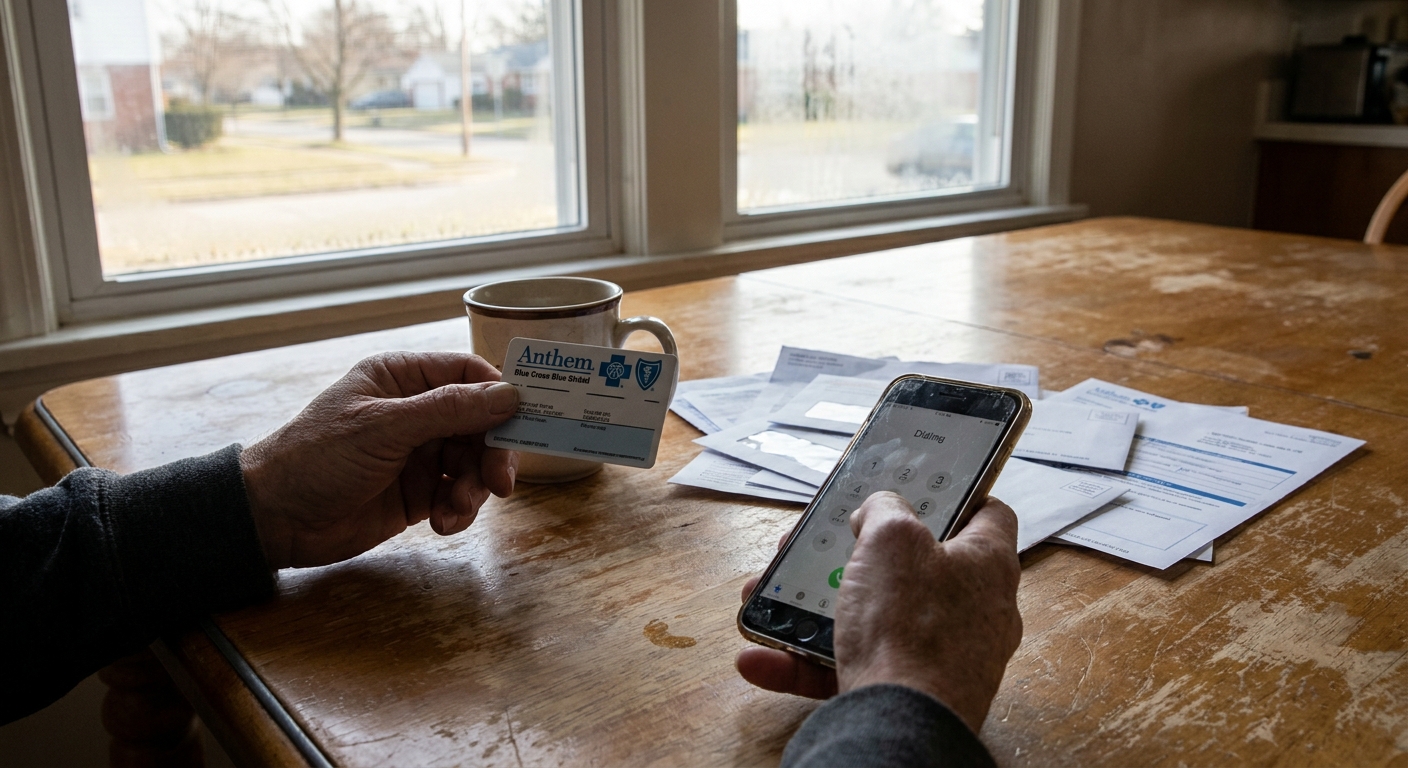
Before touring any facility, call the member services number on your insurance card and ask three questions: does this facility accept my plan, what is my deductible for behavioral health services, and is there a pre-authorization requirement for detox. Getting those answers in writing before intake prevents billing surprises after discharge.
What ohio medicaid covers for alcohol treatment
Ohio Medicaid managed-care plans, including CareSource, Buckeye, and Molina, cover the full ASAM continuum for members with an alcohol use disorder diagnosis, from medically supervised detox through standard outpatient care. Ohio’s 1115 Medicaid demonstration waiver expanded behavioral health coverage significantly, adding peer recovery support services, community-based addiction counseling, and medication-assisted treatment to the covered benefit set.
If you’re enrolled in any Ohio Medicaid plan, the benefits are in place. The barrier is navigation, not coverage. Call the plan’s behavioral health line specifically, not the general member services line, to get accurate information on covered facilities. The general line will frequently route you back to the wrong department.
Red flags when evaluating a toledo treatment program
NIDA’s 13 Principles of Effective Treatment provide the most widely accepted benchmark for quality addiction care. Based on that framework and SAMHSA guidance, five concrete red flags signal that a program is not meeting the standard.
The first is no licensed clinical staff. Every treatment team should include credentialed clinicians, specifically Licensed Chemical Dependency Counselors (LCDC) or Licensed Independent Social Workers (LISW). The second is no individualized treatment plan. If a program uses the same structure for every patient, it’s not treating your situation. The third is MAT not offered or even discussed during intake. The fourth is no family involvement option, since family engagement improves outcomes in research consistently. The fifth is pressure to commit to a program before completing a full assessment.
Bring three questions to any intake call: who will be my primary clinician, what is their license, and how will my treatment plan be updated over time. The answers tell you whether the program treats individuals or just processes admissions.
What happens after treatment: the relapse window
A 2020 NIAAA-funded longitudinal study on post-treatment alcohol relapse found that the first 90 days after discharge carry the highest risk, with the majority of relapses occurring in the first 30 days. That window is not a failure of willpower , it reflects predictable neurological and environmental vulnerability that continuing care is designed to address.
The three protective factors with the strongest evidence are continuing care through step-down outpatient, peer recovery support through structured groups, and continuation of MAT through the post-discharge period. All three are available in Toledo, and none requires special circumstances to access.
Before finishing any program, confirm that a specific continuing care appointment is booked , not promised, booked , within seven days of discharge. An unscheduled “we’ll follow up” is not continuing care.
Understanding how the full alcohol rehab continuum connects from detox through aftercare helps you ask better questions during discharge planning.
Recovery support in toledo and lucas county
Toledo has active AA intergroup resources through the Toledo Area Intergroup (419-380-9862), with meetings running seven days a week across Lucas County. SMART Recovery meetings, which use a cognitive-behavioral rather than spiritual framework, are available both in-person in the Toledo area and online through the SMART Recovery meeting locator. Ohio’s Medicaid benefit set now covers peer recovery support services delivered by certified peer recovery supporters, meaning a Medicaid member can access structured peer support without out-of-pocket cost.
A 2022 SAMHSA evidence review on peer support services found that peer recovery support reduced relapse rates and increased treatment retention across multiple substance use categories including alcohol. The mechanism is consistency of contact and lived-experience credibility that clinical staff alone can’t replicate.
Pick one meeting or peer support contact before discharge. Not after. The difference in outcomes between “I’ll find something when I’m out” and “I have a meeting on Thursday at 6pm” is measurable.
Frequently asked questions
How long does alcohol addiction treatment in toledo typically take?
Duration depends on the level of care and the individual’s clinical needs. Medical detox runs three to seven days for most people. IOP programs in Toledo typically span eight to twelve weeks. Residential stays range from 28 to 90 days depending on severity. Continuing care after primary treatment adds another three to twelve months of structured support. There is no universally correct timeline, which is why a thorough intake assessment matters.
Does my ohio insurance cover alcohol treatment in toledo?
Yes, with specifics varying by plan. All Ohio Medicaid managed-care plans, including CareSource, Buckeye, Molina, Anthem, Aetna, AmeriHealth Caritas, and Humana, cover the full ASAM continuum for alcohol use disorder. Commercial plans (Aetna, Anthem BCBS, Cigna, Optum) are required under MHPAEA to cover addiction treatment at parity with medical benefits. Call the behavioral health line on your card before intake to confirm coverage details.
What is the difference between alcohol detox and alcohol rehab?
Detox addresses the physical withdrawal process, typically lasting three to seven days under medical supervision. Rehab is the treatment phase that follows: behavioral therapy, MAT continuation, group and individual counseling, and relapse prevention planning. Detox without rehab has a very high relapse rate. They serve different clinical functions and one does not replace the other.
Can I go directly to outpatient treatment without doing detox first?
Only if a clinical assessment confirms that detox is not medically necessary, which depends on your drinking history, quantity, and duration. Alcohol withdrawal carries serious medical risk for daily or heavy drinkers, including seizure risk. A licensed clinician should make that determination during intake. Do not self-assess withdrawal risk.
What is dual-diagnosis treatment and do I need it?
Dual-diagnosis treatment addresses alcohol use disorder alongside a co-occurring mental health condition such as depression, anxiety, or PTSD in the same integrated program. SAMHSA data shows roughly half of people with alcohol use disorder have at least one co-occurring condition. If you have a mental health history or have used alcohol to manage anxiety, low mood, or trauma symptoms, an integrated dual-diagnosis program produces better outcomes than treating each condition separately.
What should I do if i’m not ready to commit to treatment but want to talk to someone?
Call Ohio’s CareLine at 1-800-720-9616, available 24 hours a day, seven days a week. SAMHSA’s National Helpline is available at 1-800-662-4357, also 24/7 and free. Both lines provide confidential guidance and can connect you to Toledo-area resources without requiring a commitment. An initial intake assessment call with a local program costs nothing and typically takes 20 minutes. It’s the move that starts everything else.
What to do this week
The single most important step is an intake assessment call with a licensed Toledo treatment provider. The call takes roughly 20 minutes, costs nothing, and produces a clinical recommendation for your specific situation. If you don’t know where to start, call SAMHSA’s National Helpline at 1-800-662-4357 or Ohio’s CareLine at 1-800-720-9616. Both are available around the clock, both are confidential, and both can connect you to Lucas County resources directly.
If you have insurance, pull the card out now and note the behavioral health line number. Call that number before your intake call so you arrive knowing your coverage. If you’re on Ohio Medicaid, the benefit is already in place.
The assessment call is the move. Everything else follows from it.