In Ohio, opioid use disorder touches nearly every community, and Lucas County is no exception. If you’re looking into opioid detox in Maumee, Ohio, the single most important thing to understand before you pick up the phone is this: detox is not treatment. It’s the beginning of treatment, and choosing it well changes everything that comes after.
What opioid detox actually involves
According to the Ohio Department of Mental Health and Addiction Services, opioid-related overdose deaths in Ohio exceeded 5,000 in a single recent year, making it one of the highest-burden states in the country. Behind each of those numbers is someone who, at some point, needed a safe first step toward recovery and either couldn’t access it or didn’t know what it looked like.
Detox, in clinical terms, is medical stabilization. It is the process of allowing opioids to leave the body while managing the withdrawal symptoms that follow, under professional supervision. It is not rehab. It is not therapy. It does not address the psychological drivers of addiction. What it does is get your body to a place where real treatment can begin.
When opioids are removed from a dependent system, the brain’s norepinephrine pathways, which were suppressed during active use, become suddenly overactive. The result is a cascade of symptoms: muscle pain, nausea, vomiting, sweating, insomnia, anxiety, and in some cases, severe cardiovascular stress. The intensity depends on how long you’ve used, what you’ve used, and whether other substances are involved. What this means in practice is that the severity of withdrawal is highly individual, and that’s exactly why standardized, medically supervised care outperforms guesswork every time.
Why location matters more than you think
A 2020 SAMHSA analysis of treatment engagement data found that geographic distance is one of the strongest predictors of whether someone completes a full course of care. Every additional mile between a patient and their treatment facility increases the likelihood of dropout, missed appointments, and early termination. The research is blunt: proximity matters.
For people in Maumee and across Lucas County, this has a practical implication. Choosing a facility close to home means your support network stays within reach. Family members can attend family programming. Your employer is nearby if work accommodations need to be arranged. The people and places that give you a reason to stay in treatment are accessible, rather than hundreds of miles away.
Here’s how to use location as a real screening filter: before you evaluate any facility’s clinical offerings, confirm it’s within a reasonable distance from where your support system lives. A world-class program you can’t sustain because it’s too far from home is not the right program. Once you’ve filtered by geography, then you evaluate everything else. For a broader picture of what supervised withdrawal looks like regardless of location, understanding what detox actually involves medically is a useful starting point.
The four levels of detox care
The American Society of Addiction Medicine’s (ASAM) patient placement criteria define four distinct levels of withdrawal management, ranging from outpatient monitoring to hospital-based medical management. Knowing which level applies to your situation is not something to guess at, but the framework gives you a basis for an informed conversation with a clinician.
The simplest version of this: severity of dependence, medical history, and the presence of co-occurring conditions determine the level. A brief phone screening with a licensed facility is enough to get a preliminary read on where you likely fall.
Outpatient detox
Ambulatory detox, ASAM’s Level 1-WM, is appropriate for people with mild to moderate dependence, stable living situations, and reliable support at home. A typical day involves reporting to a clinic for evaluation, medication administration, and monitoring, then returning home. Clinical staff check vital signs, assess withdrawal symptoms using a standardized scoring tool, and adjust medications accordingly.
Outpatient detox is not appropriate if you have a history of withdrawal seizures, polysubstance use that includes alcohol or benzodiazepines, a prior detox that required hospitalization, or if your home environment is unstable or actively involves substance use. In those situations, a higher level of care is not optional.
Inpatient and residential detox
ASAM’s Level 3-WM places you in a residential setting with 24-hour clinical monitoring. Nursing staff check vital signs around the clock. Physicians and nurse practitioners manage medication protocols. If you experience complications, clinical staff are present, not reachable by phone. This level is designed for people with moderate to severe dependence, a history of complicated withdrawal, polysubstance use, or co-occurring medical or psychiatric conditions that require observation.
The evidence strongly favors this level for anyone with a significant use history. The structure removes the temptation to leave early, the monitoring catches complications before they escalate, and the environment is separated from the triggers that drive continued use. Choosing this level is not a sign of weakness; it’s a sign that you understand what your body is actually dealing with.
Medically managed intensive detox
ASAM’s Level 4-WM is hospital-based care. It’s reserved for the highest-severity presentations: severe withdrawal with active seizure risk, significant cardiac complications, respiratory distress, or cases where psychiatric crisis and substance withdrawal are happening simultaneously. After stabilization at this level, the transition pathway leads downward to residential or outpatient care as medical stability is achieved.
Most people seeking opioid detox do not require Level 4. But if your history includes prior seizures during withdrawal, serious medical comorbidities, or overdose requiring resuscitation, this is the level your intake clinician will likely recommend, and it’s the right recommendation.
Medications used in opioid detox
The FDA’s approval of buprenorphine for opioid withdrawal management, first granted in 2002 and subsequently expanded, was a turning point in detox medicine. A landmark 2009 Cochrane Review of 22 randomized controlled trials found that buprenorphine was significantly more effective than clonidine for managing withdrawal symptoms and retaining patients in treatment. The data on medication-assisted detox versus non-medicated detox is not ambiguous: patients given evidence-based medication protocols complete detox at substantially higher rates.
Understanding what each medication does helps you ask better questions when you call a facility.
Buprenorphine and methadone
Buprenorphine is a partial opioid agonist. It binds to the same receptors as heroin or prescription opioids but produces a ceiling effect that limits euphoria while preventing withdrawal. During detox, it reduces symptom severity, keeps patients comfortable enough to stay in treatment, and can be tapered over days to weeks depending on the protocol.
Methadone is a full opioid agonist used in detox under tightly controlled, medically supervised conditions. It has a long half-life, which smooths out the withdrawal curve and prevents the sharp peaks and valleys of shorter-acting opioids. NIDA research consistently shows that both buprenorphine and methadone, when continued into the maintenance phase of treatment rather than stopped at detox, dramatically reduce relapse rates and overdose mortality. The distinction matters: these medications used during detox to ease withdrawal are the same medications that, continued into recovery, become medication-assisted treatment (MAT). The question to ask any facility is whether medication is stopped at discharge or continued as part of an ongoing treatment plan.
Clonidine and adjunct medications
Clonidine is not an opioid. It’s a blood pressure medication that targets the autonomic symptoms of withdrawal: sweating, elevated heart rate, anxiety, and cramping. It doesn’t address cravings or the full breadth of withdrawal, which is why it’s used as an adjunct rather than a primary agent. Facilities that rely on clonidine alone, without buprenorphine or methadone, are offering a narrower protocol.
A full medication protocol also includes anti-nausea medications, sleep aids, and non-opioid pain management. Ask any facility you call to walk you through their complete withdrawal medication protocol, not just whether they offer medication. The specifics tell you much more than a yes-or-no answer.
How to evaluate a detox facility in maumee
A 2018 study published in the Journal of Substance Abuse Treatment found that facility accreditation status and physician involvement in withdrawal management were two of the strongest predictors of patient retention during detox. What this means in practice: where a facility is licensed and who is supervising care on the floor matters more than how the building looks or what the website says.
Accreditation and licensing to look for
Ohio MHAS (Mental Health and Addiction Services) licensure is the baseline. Any facility providing detox services in Ohio must hold this license. Joint Commission accreditation and CARF (Commission on Accreditation of Rehabilitation Facilities) certification indicate that the facility has passed an independent external audit of its clinical processes, staffing, and safety protocols. These aren’t marketing credentials; they’re evidence that an outside reviewer confirmed the facility meets defined standards.
To verify licensure, visit the Ohio MHAS provider directory at mha.ohio.gov. You can search by county or facility name and confirm active licensure status in under five minutes. Do this before your first visit, not after.
Staff credentials and medical supervision
Adequate medical staffing during opioid detox means physician or nurse practitioner oversight of medication protocols, licensed nursing staff providing around-the-clock monitoring during inpatient care, and access to psychiatric evaluation for patients presenting with co-occurring mental health conditions. Withdrawal management is a medical event, and the staff credentials during that window matter as much as the therapists you’ll see later.
One signal of an under-resourced program: withdrawal management handled primarily by counseling staff without documented physician involvement in medication decisions. Ask directly: who supervises withdrawal medication orders, and what is the nursing staff-to-patient ratio during overnight hours?
Transition planning from detox to ongoing treatment
A 2019 NIDA analysis found that patients who transition directly from detox into continued treatment have relapse rates roughly half those of patients who complete detox and return home without a defined next step. Detox alone does not produce lasting recovery. The medical stabilization it provides is real and necessary, but it doesn’t address the neurological, psychological, or social drivers of addiction. Those are addressed in what comes after.
A quality transition plan includes a confirmed placement in a higher level of care (partial hospitalization, intensive outpatient, or residential treatment), MAT continuation if applicable, case management handoff, and a scheduled first appointment before discharge. Ask every facility you call: what does your step-down protocol look like, and how do you confirm placement before a patient leaves? If the answer is vague, that’s a meaningful signal. For more detail on what the full detox process looks like from a clinical standpoint, the step-down pathway is worth understanding before you begin.
Insurance coverage for opioid detox in ohio
The Affordable Care Act’s mental health parity provisions require that insurance plans cover substance use disorder treatment on the same terms as medical and surgical care. In practical terms, this means detox is a covered benefit under commercial insurance and Ohio Medicaid, but the specifics of coverage, authorization requirements, and cost-sharing vary by plan.
How ohio medicaid covers detox
Ohio Medicaid managed-care plans, including CareSource, Buckeye Health Plan, Molina Healthcare, Anthem, Aetna, AmeriHealth Caritas, and Humana, all cover medically necessary detox services. In Lucas County and Mahoning County, these plans are the primary payers for a large share of people seeking treatment. Coverage typically includes both inpatient and outpatient detox, but prior authorization is frequently required before admission.
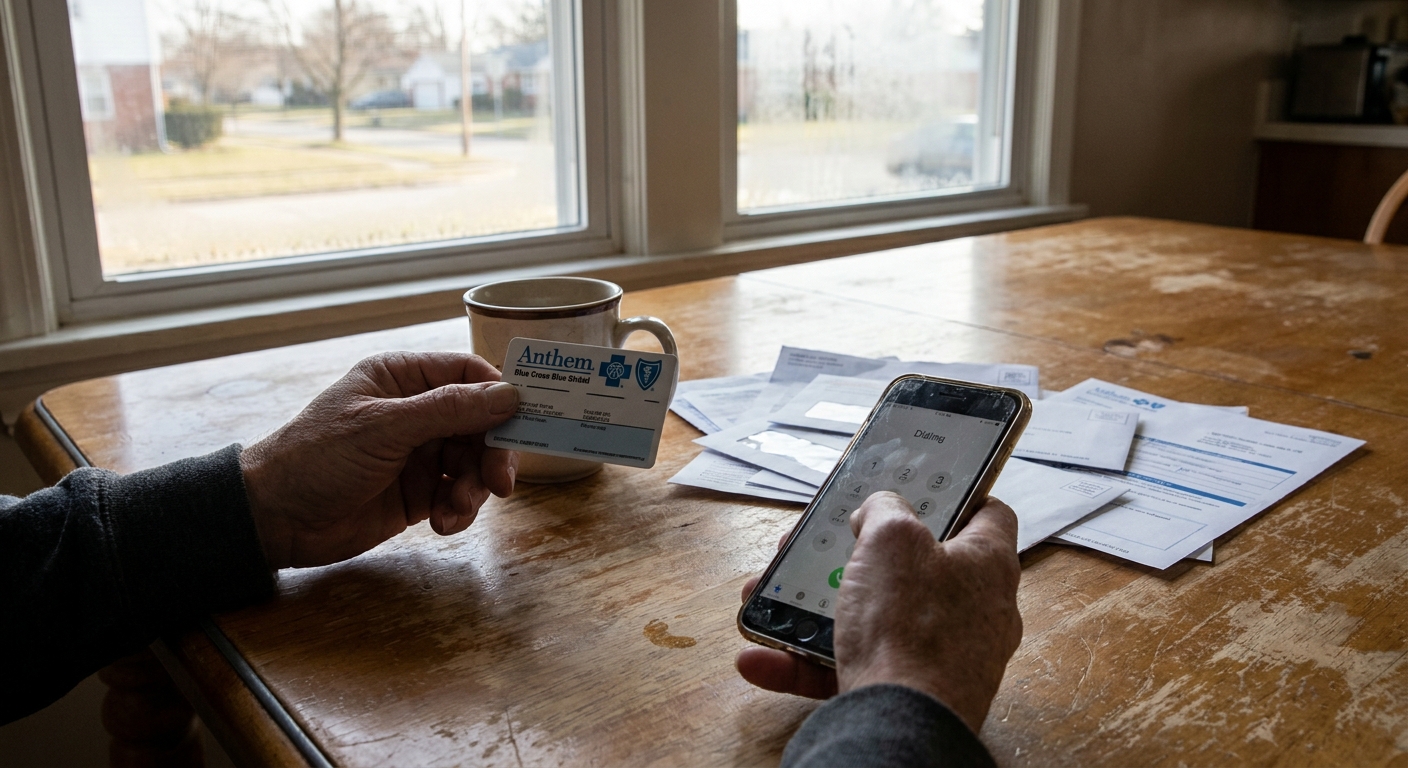
To confirm coverage, call the member services number on your Medicaid card and ask three specific questions: Is medically supervised detox covered under my plan? Does it require prior authorization? Which facilities in Lucas County are in-network? Ohio MHAS also maintains a safety-net system for individuals who are uninsured or underinsured, so lack of coverage is not a reason to delay a call.
Using commercial insurance and tricare
Commercial plans through Aetna, Anthem BCBS, Cigna, and Optum generally cover detox under behavioral health benefits. Medical necessity criteria typically require documentation of opioid dependence and clinical justification for the level of care requested. Out-of-network facilities cost significantly more, so confirming in-network status before admission avoids unexpected bills.
Tricare covers substance use disorder treatment for veterans and eligible dependents in Northwest Ohio. The pathway differs from commercial insurance in that Tricare often requires a referral from a primary care manager for non-emergency treatment. Veterans in the Maumee and Toledo area should call the Tricare regional contractor to confirm the fastest authorization pathway.
The single most useful action before your first appointment: call the facility’s billing or admissions team and ask them to run a benefits check on your insurance. A reputable facility does this routinely and will tell you exactly what your plan covers, what prior auth they’ll need to obtain, and what your expected out-of-pocket cost will be.
Co-occurring mental health conditions and detox
SAMHSA’s 2022 National Survey on Drug Use and Health found that approximately 50 percent of people with opioid use disorder also meet criteria for at least one co-occurring mental health condition, most commonly depression, anxiety, and PTSD. This isn’t coincidence. Many people use opioids in part to manage psychological distress, which means that detox without psychiatric assessment leaves half the clinical picture unaddressed.
Programs that offer integrated dual diagnosis assessment during intake, not as an add-on after detox is complete, produce meaningfully better outcomes. The psychological drivers of use don’t pause during withdrawal; they often intensify. A program that pairs medical stabilization with psychiatric evaluation from day one addresses both dimensions of what’s happening.
When you call a facility, ask two specific questions: Do you conduct psychiatric evaluation during the detox phase or after? And does your clinical team include licensed mental health professionals who are present during withdrawal, not just during scheduled therapy sessions? The answers tell you whether the program treats the whole person or just the withdrawal.
Common mistakes when choosing opioid detox
The errors people make when seeking detox care aren’t random. They cluster around a few predictable misconceptions, and each one carries a real consequence.
Attempting detox without medical supervision
According to CDC data, a significant proportion of opioid overdose deaths occur in people who had recently reduced or stopped use, often during an attempted self-detox. The reason is physiological: tolerance drops rapidly when opioids leave the system. If someone relapses after several days of abstinence, they use at their prior dose and their body can no longer handle it.
Medical supervision catches complications, manages the discomfort that drives people to use again, and keeps someone alive through the most dangerous window. Home detox misses all of this. It also misses the dehydration risk from vomiting and diarrhea, the cardiovascular stress of autonomic rebound, and the psychiatric crises that can emerge when withdrawal intersects with untreated mental health conditions. Before making any decision about how to proceed, call a licensed facility for a phone screening. It costs nothing and gives you a clinical picture of what your situation actually requires.
Treating detox as the end of treatment
A 2020 NIDA review of post-detox outcomes found that without continued care, the majority of patients relapse within the first 30 days. Detox clears the substance. It does not rewire the learned associations, the emotional dysregulation, the social patterns, or the environmental cues that drive ongoing use. Those require continued treatment: residential care, partial hospitalization, intensive outpatient, and ongoing medication management.
Before entering detox, confirm where you are going next. A quality facility has this conversation with you before admission, not on the day of discharge. The care continuum should be a planned pathway, not an improvised series of decisions made under duress. Facilities that build their detox program as the first phase of an integrated continuum, with residential and outpatient levels that follow directly, reduce the gap between stabilization and real treatment to zero.
What to expect during the detox process
The timeline of opioid withdrawal depends on which opioids were used. Short-acting opioids like heroin and immediate-release oxycodone produce withdrawal onset within 8 to 24 hours of last use, with symptoms peaking around 36 to 72 hours and beginning to resolve by day five to seven. Long-acting opioids like extended-release morphine or methadone have a delayed onset, sometimes 36 to 48 hours, with a longer, flatter withdrawal curve that can extend two weeks or more.
Clinical teams monitor withdrawal severity using the Clinical Opiate Withdrawal Scale (COWS), a structured assessment tool that quantifies symptoms including heart rate, sweating, restlessness, pupil dilation, gastrointestinal distress, and anxiety. Scores guide medication adjustments throughout the process. This is not a general wellness assessment; it’s a clinical instrument that tracks physiological change in real time.
Comfort measures during a supervised detox include medication management, hydration support, nutrition, and around-the-clock nursing availability. Medically supervised detox for opioids typically lasts between five and ten days for most patients, though individual timelines vary. What to bring: insurance card, a list of all medications and substances used (including alcohol and benzodiazepines), comfortable clothing, and any prescribed medications. Leave valuables at home.
The experience is uncomfortable. That’s honest. But discomfort managed in a clinical setting with support and medication is a profoundly different experience than withdrawal alone. If you want a detailed look at what supervised detox in Maumee involves specifically, that breakdown is worth reading alongside this guide.
How to start the process in maumee this week
The move that works is not spending another week researching. It’s making one phone call to a licensed facility for a phone screening.
Here is the sequence. First, call a licensed detox facility in Maumee or Lucas County and ask for an intake screening. You’ll answer questions about your use history, medical history, and insurance. The screener will tell you which level of care fits your situation. This call is confidential and carries no commitment.
Second, have your insurance card ready and ask the admissions or billing team to run a benefits check before your first appointment. Get specifics: Is prior authorization required? Is this facility in-network under your plan? What is your expected copay or deductible responsibility?
Third, ask about the step-down plan before you commit to admission. Where does the facility expect you to go after detox? Is that next level of care available within the same system, or will you be handed a list of referrals and wished well? The answer to this question is as important as anything else you learn about the program.
The same evaluation criteria apply whether you’re calling a facility in Maumee, Toledo, or a program serving the Youngstown and Mahoning County area. Licensure, accreditation, medication protocols, staff credentials, and transition planning are not regional variables. They’re the standard against which every facility should be measured, regardless of geography.
The first step is the call. Everything else follows.
Frequently asked questions
How long does opioid detox take in maumee, ohio?
For most people using short-acting opioids, medically supervised detox lasts between five and seven days. Long-acting opioids like methadone can extend the process to two weeks or more. The exact timeline depends on your use history, the substances involved, and how your body responds to withdrawal management medications. A clinical assessment at admission gives you the most accurate estimate.
Can I detox from opioids at home instead of going to a facility?
Attempting opioid withdrawal without medical supervision carries real risk. Tolerance drops quickly during abstinence, which significantly increases overdose risk if relapse occurs. Dehydration from vomiting and diarrhea, cardiovascular stress, and psychiatric complications are all medical events that require clinical response. The appropriate starting point is a phone screening with a licensed facility, not a home plan.
Does insurance cover opioid detox in ohio?
Yes. Under ACA mental health parity requirements, both commercial insurance and Ohio Medicaid managed-care plans cover medically necessary detox services. Commercial plans through Aetna, Anthem BCBS, Cigna, and Optum typically require prior authorization. Ohio Medicaid plans including CareSource, Buckeye, and Molina cover detox in Lucas County and Mahoning County, also generally with prior auth. The fastest way to confirm your specific coverage is to have the facility’s admissions team run a benefits check on your behalf.
What medications are used during opioid detox?
The most effective medications for opioid withdrawal are buprenorphine and methadone, both of which reduce symptom severity and improve treatment retention. Clonidine is used as an adjunct to manage autonomic symptoms like sweating and elevated heart rate. Anti-nausea medications and non-opioid comfort medications are also part of a complete protocol. Ask any facility you contact to describe their full withdrawal medication approach, not just whether they offer medication.
What is the difference between detox and addiction treatment?
Detox is medical stabilization: it manages the physical process of opioids leaving your body under clinical supervision. Addiction treatment addresses the psychological, behavioral, and social dimensions of opioid use disorder. Detox is the first phase of care, not the complete solution. Research consistently shows that detox without continued treatment leads to relapse at high rates. The transition from detox into residential, partial hospitalization, or intensive outpatient care is where lasting recovery begins.
How do I know which level of detox care I need?
The ASAM criteria define four levels of withdrawal management, from ambulatory outpatient detox to hospital-based intensive care. Which level fits your situation depends on your dependence severity, use history, prior withdrawal complications, medical history, and home environment. A licensed clinician makes this determination through a structured intake assessment. The fastest way to find out where you fall is a phone screening with a licensed facility in the Maumee or Lucas County area.