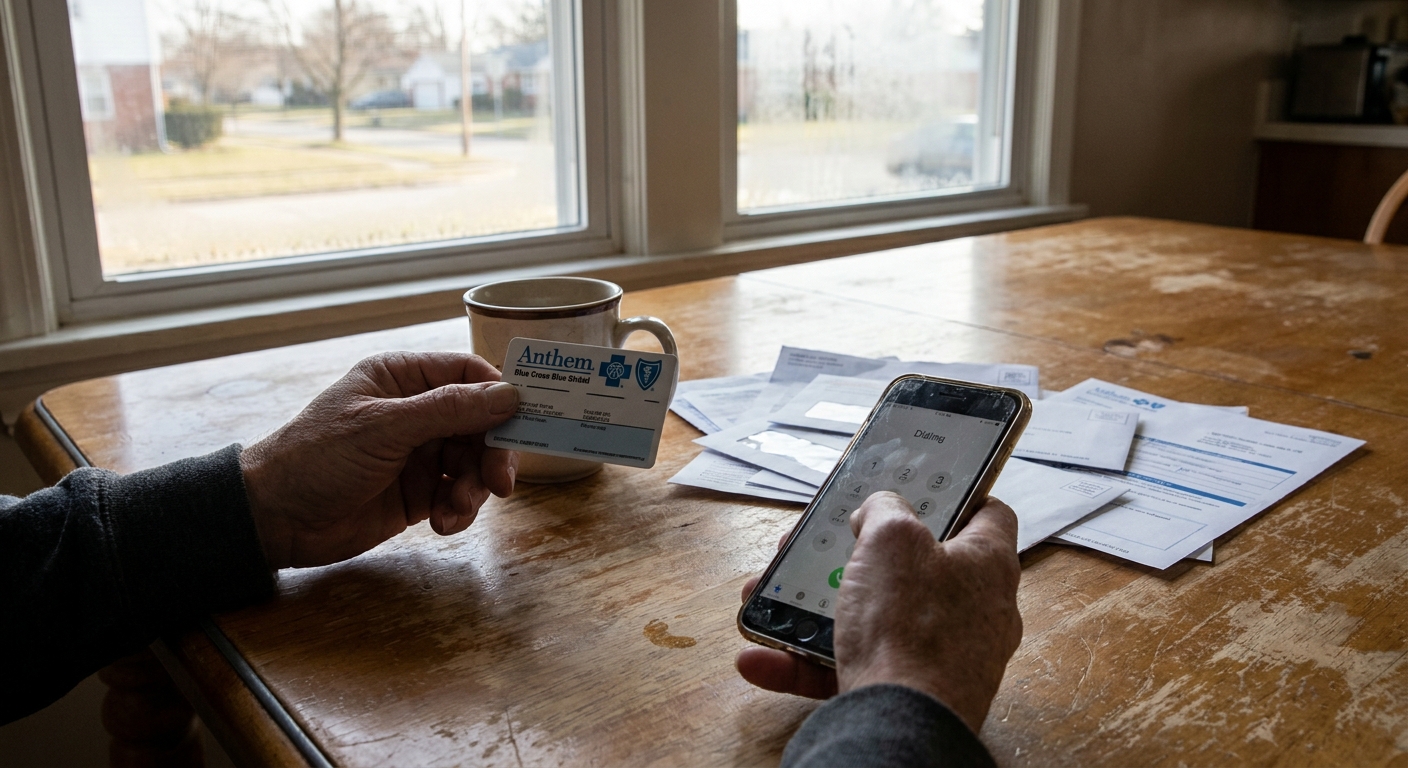

I remember speaking with someone who spent almost a month researching treatment before making a phone call.
They weren’t in denial.
They weren’t refusing help.
In fact, they knew they needed support.
What stopped them was fear.
Not fear of recovery.
Fear of the unknown.
Every day they opened another website.
Every day they searched another question.
Every day they told themselves they were gathering information.
But underneath all the research was one question that kept showing up:
“How much of my life is this going to take?”
When people search for information about structured daytime addiction treatment, they often ask about schedules.
Hours.
Daily commitments.
Program length.
At first glance, those seem like practical questions.
As a treatment team, we’ve learned they are often emotional questions.
The person asking is rarely worried about a calendar.
They’re worried about their future.
They’re wondering:
“Will I still be myself?”
“Will I lose control of my life?”
“Will treatment become my entire identity?”
“Will I be able to handle this?”
If you’re newly diagnosed, newly considering treatment, or simply overwhelmed by the amount of information you’re trying to process, we want you to know something important:
You are not the only person asking these questions.
And asking them does not mean you’re weak.
It means you’re human.
Many individuals begin exploring community-based recovery support after realizing they need structure but are still trying to understand what that structure actually looks like.
That uncertainty is normal.
Fear Loves Empty Spaces
One thing we’ve noticed over the years is that fear becomes strongest when information is incomplete.
The less someone understands about treatment, the more room fear has to create stories.
Stories like:
“I’m going to lose my freedom.”
“I’ll be in therapy all day.”
“I won’t have any personal time.”
“My entire life will revolve around recovery.”
The human brain dislikes uncertainty.
When information is missing, it often fills the gaps with worst-case scenarios.
That’s not because you’re irrational.
It’s because you’re trying to protect yourself.
The problem is that imagined scenarios often become scarier than reality.
Many people spend weeks worrying about treatment only to discover that what they feared most wasn’t actually what treatment looked like at all.
The Real Cost Nobody Talks About
People spend a lot of time calculating the cost of getting help.
They rarely calculate the cost of waiting.
That’s understandable.
Treatment feels like a commitment.
Waiting feels passive.
But waiting has a cost too.
Another month of anxiety.
Another month of cravings.
Another month of uncertainty.
Another month of telling yourself you’ll figure it out later.
Imagine a small leak in your ceiling.
At first, it seems manageable.
You place a bucket underneath it.
The bucket works.
For a while.
But the leak continues.
Eventually, the damage becomes larger than it was in the beginning.
This is what happens for many people who postpone treatment.
The goal isn’t to scare anyone.
It’s simply to acknowledge that doing nothing is also a decision.
And every decision has consequences.
Why Newly Diagnosed People Often Feel Overwhelmed
Being newly diagnosed can feel like learning a new language.
Suddenly there are unfamiliar terms.
Unfamiliar recommendations.
Unfamiliar treatment options.
People start discussing things you’ve never thought about before.
Many individuals tell us:
“I feel like everyone understands this except me.”
That’s rarely true.
Most people entering treatment feel overwhelmed at first.
The difference is that some people believe they’re the only ones feeling overwhelmed.
They’re not.
The early stages of recovery often involve learning.
Not perfection.
Not certainty.
Learning.
And learning takes time.
The Question Behind the Question
When someone asks:
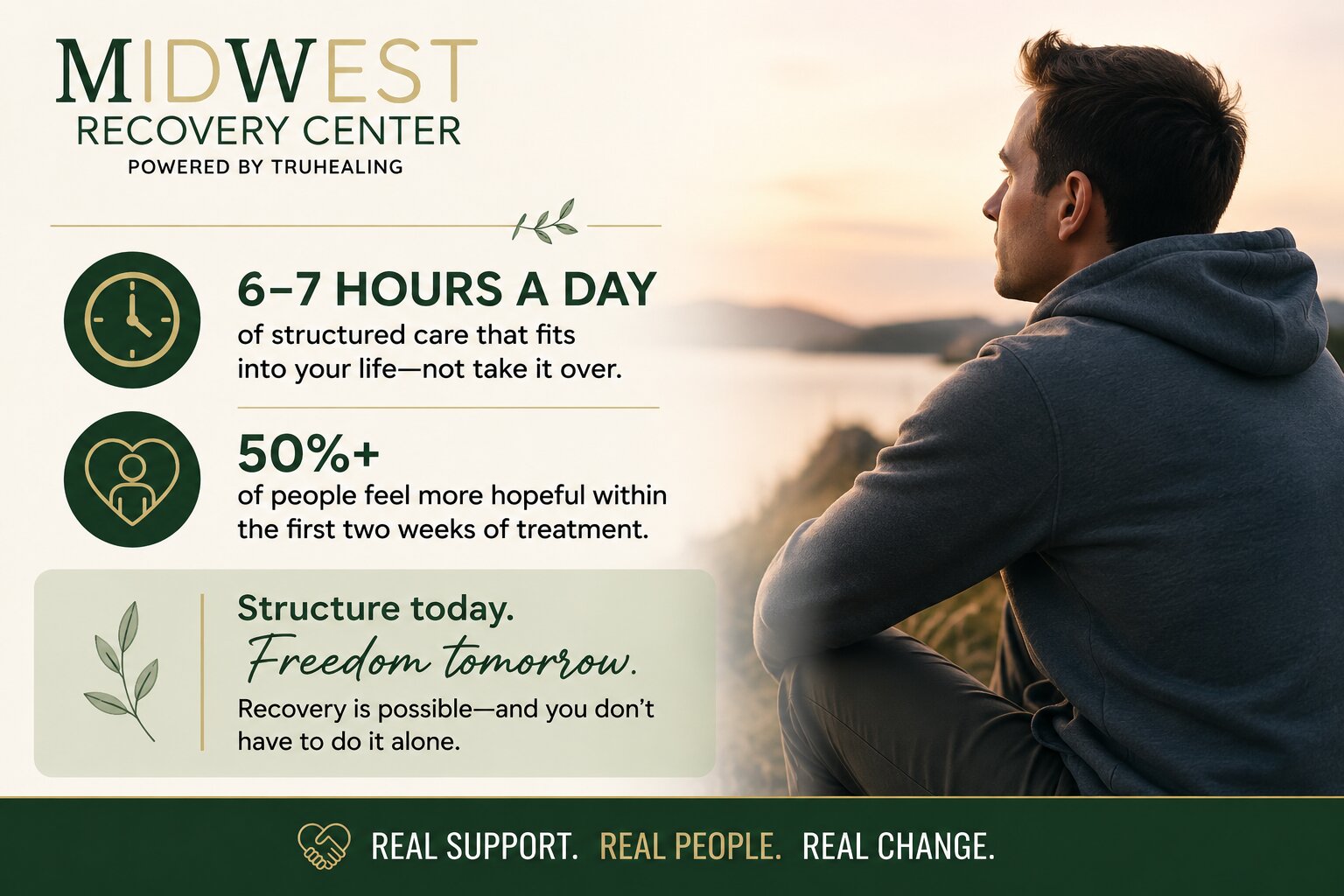
“How many hours a day is treatment?”
They’re often asking something deeper.
Questions like:
“Will I still have time to think?”
“Will I still have time to breathe?”
“Will I still have a life outside recovery?”
“What if I can’t handle everything being asked of me?”
These are valid concerns.
Because treatment isn’t just about logistics.
It’s about trust.
Trusting people you’ve never met.
Trusting a process you’ve never experienced.
Trusting yourself when you’re already uncertain.
That can feel incredibly vulnerable.
Why Structure Feels Strange Before It Feels Helpful
Many people entering recovery have spent months or years living in unpredictability.
Their emotions feel unpredictable.
Their substance use feels unpredictable.
Their sleep feels unpredictable.
Their motivation feels unpredictable.
Then treatment introduces structure.
At first, structure can feel uncomfortable.
Not because it’s bad.
Because it’s unfamiliar.
Think about stepping off a rocking boat onto solid ground.
For a moment, steady footing feels strange.
Eventually, it feels safe.
Many people describe a similar experience in recovery.
The routines that initially felt restrictive later become sources of stability.
The predictability becomes comforting.
The structure becomes supportive.
The consistency becomes healing.
The People Who Inspire Us Most
One thing we’ve learned at Midwest Recovery Center is that the people who eventually thrive in recovery are not always the people who feel confident.
They’re often the people who feel scared.
The difference is that they stop waiting for fear to disappear.
We’ve worked with people who were terrified of medication.
Terrified of treatment.
Terrified of change.
Terrified of failure.
Some were convinced recovery wouldn’t work for them.
Others were convinced they weren’t strong enough.
Many later became some of the strongest recovery advocates we know.
Not because they were fearless.
Because they kept moving despite their fear.
That’s an important distinction.
What Community Changes
One of the most surprising parts of treatment for many individuals is realizing they’re not alone.
Before treatment, people often assume everyone else has things figured out.
Everyone else seems stronger.
More prepared.
More confident.
Then they meet others.
People asking the same questions.
People carrying the same fears.
People worried about the same future.
The isolation begins to fade.
Connection begins to grow.
And connection can be incredibly powerful.
Because addiction often thrives in isolation.
Recovery often grows through connection.
Why Recovery Isn’t About Losing Yourself
Many newly diagnosed individuals worry that treatment will somehow erase who they are.
That recovery will change them into someone completely different.
What often happens is the opposite.
People begin reconnecting with parts of themselves that have been buried.
Parts that existed before anxiety.
Before addiction.
Before fear.
Before survival mode.
Recovery is not usually about becoming someone new.
It’s about rediscovering someone familiar.
Someone who has been difficult to reach for a long time.
The Hidden Benefit of Asking Questions
Many people feel embarrassed by how many questions they have.
They worry they’re asking too much.
Or that they should already know the answers.
The truth is that questions are often a sign of engagement.
People who ask questions are trying to understand.
Trying to make informed decisions.
Trying to move forward carefully.
That’s not weakness.
That’s wisdom.
Some of the most successful recovery journeys begin with a single question.
Then another.
Then another.
Eventually, those questions become clarity.
What We Hope You Remember
If you’re reading this because you’re trying to understand treatment, schedules, expectations, or next steps, we hope you remember one thing:
You do not need every answer before taking the first step.
Many people believe they need complete certainty before they can move forward.
Most never get complete certainty.
They get enough information to take one step.
Then another.
Then another.
Whether you’re seeking support in locations or exploring recovery resources in Youngstown, remember that fear does not have to make every decision.
Questions are allowed.
Uncertainty is allowed.
Hope is allowed too.
Frequently Asked Questions
Why am I so nervous about treatment?
Fear of the unknown is extremely common. Most people entering treatment have concerns about what to expect.
Is it normal to feel overwhelmed after being diagnosed?
Yes. New information, unfamiliar terminology, and important decisions can feel overwhelming.
What if I’m scared of medication?
Many people have concerns about medication. Asking questions and learning about your options can help you make informed decisions.
Why do I keep researching instead of taking action?
Research can sometimes provide a sense of control. For some people, it also becomes a way to postpone difficult decisions.
Will treatment take over my entire life?
Many people discover that treatment feels more balanced and manageable than they originally imagined.
What if I’m not ready?
Many individuals begin treatment before feeling completely ready. Readiness often develops through action.
Is it normal to have so many questions?
Absolutely. Questions are one of the most common parts of the treatment process.
What if I don’t know which option is right for me?
You don’t need to figure everything out alone. Treatment professionals can help explain available options.
Why does structure feel intimidating?
For people who have experienced instability, structure can initially feel unfamiliar before it starts feeling supportive.
Can recovery really work for someone like me?
Many people who once believed recovery wouldn’t work for them eventually found meaningful change and stability.
You Don’t Have to Feel Ready to Move Forward
Many of the people we remember most weren’t the ones who felt confident.
They were the ones who felt scared and kept asking questions anyway.
They took one step.
Then another.
And eventually discovered that the unknown was far less frightening than they imagined.
Call (833) 657-0858 or visit our community housing and recovery support services to learn more about our programs, community housing program services in Maumee, Ohio.