
In early recovery, everything can feel backwards. You’re not drinking. You’re doing the work. So why does it feel harder now than it did before?
Why do the days stretch out painfully long? Why does everyone else seem fine while you feel like you’re breaking inside?
What you’re feeling is not failure—it’s adjustment.
At Midwest Recovery Center, we support people through this exact season. We know it’s full of grief, loneliness, and quiet pain. We also know it doesn’t stay this way forever.
Below are answers to some of the most common questions we hear from people in early sobriety—questions you might be afraid to ask but deserve honest answers to.
Why do I feel worse now that I’ve stopped drinking?
Because drinking numbed everything—including the pain. When alcohol is removed, all the feelings come back. Even the ones you’ve buried for years.
You may also be grieving. Not just the substance, but the version of yourself that leaned on it. Even if alcohol hurt you, it once made you feel safe. Losing that can feel raw and strange.
What you’re feeling isn’t wrong. It’s part of emotional detox—not just physical.
Is it normal to feel so deeply alone?
Absolutely. Nearly everyone in early sobriety describes this same ache. You might have stepped away from people you used to drink with. You might feel like no one around you understands. And even if you’re surrounded by support, you can still feel incredibly alone.
That loneliness doesn’t mean you made a mistake. It means you’re in the space between what was and what’s coming next. A quieter space. But not an empty one forever.
What does alcohol addiction treatment help with after detox?
Detox gets alcohol out of your body. Treatment helps get it out of your patterns, your emotions, your relationships.
In early sobriety, your brain and body are still adjusting. You might be grieving, confused, emotionally numb or overwhelmed. That’s where treatment makes a difference.
Our program in Toledo includes:
- One-on-one therapy for shame, trauma, and mental health
- Group support that removes isolation
- Skills for handling triggers, stress, and emotional spikes
- Structured care to rebuild a life with purpose
- Help repairing relationships—starting with yourself
If you’re in Maumee or Oregon, Ohio, we can connect you to treatment close to home.
When will I start to feel like myself again?
There’s no perfect timeline. Some people feel emotional shifts after a few weeks. For others, it takes months.
Your brain is rebalancing chemistry, learning how to release dopamine without alcohol. It’s doing heavy work behind the scenes, even if you can’t feel the progress yet.
Think of early recovery as physical therapy for your emotions. It’s slow. Sometimes painful. But it’s working.
What if I feel like I’m faking it?
You’re not alone. A lot of people in early recovery smile through meetings and say, “I’m fine,” when inside they’re struggling.
It’s okay to not be okay. You don’t have to perform wellness. Real healing happens when you get honest—with yourself, and in safe spaces like therapy or group support.
Being honest doesn’t make you weak. It makes you real.
Can I still benefit from alcohol addiction treatment if I’m already sober?
Yes—especially now. Sobriety doesn’t mean the healing is done. In fact, for many, it’s just the beginning.
You might need help understanding emotions that feel overwhelming. Or support finding community. Or structure when life suddenly feels uncomfortably quiet.
Alcohol addiction treatment isn’t just about quitting—it’s about staying quit in a way that feels manageable and meaningful.
Why don’t I feel proud of myself?
Because your body and mind are still catching up. And because shame doesn’t disappear the moment you stop drinking.
Pride in recovery builds slowly. It shows up in moments—when you answer a hard question honestly, when you stay present during a rough day, when you go to bed sober even if it wasn’t easy.
Don’t wait for a giant breakthrough. Celebrate the quiet wins.
What if I think about drinking again?
Thinking about drinking isn’t a failure. It’s a signal. Usually, it means you’re tired, overwhelmed, or disconnected—not that you don’t want recovery.
Having cravings doesn’t mean you’re weak. It means your brain remembers a pattern. Treatment helps build new ones.
Craving is not a command. It’s a chance to pause, notice, and choose.
How do I connect with people now?
Start small. One group meeting. One phone call. One invitation you almost decline, but accept anyway.
Social reconnection in sobriety can feel awkward. You may not laugh as loudly or connect as quickly. That’s normal. It doesn’t mean you’re broken. It just means your social self is rebuilding, too.
Connection is a skill—not just a feeling. And like all skills, it gets stronger with practice.
What if I’m not sure I want this anymore?
It’s okay to admit that. Many people in early sobriety feel like they lost more than they gained—at least at first.
You may miss the “off switch” that alcohol used to provide. You may wonder if this is worth it.
That doesn’t make you bad. It makes you human.
But stay with it. Let treatment give you more than just sobriety. Let it give you a life that doesn’t require escape.
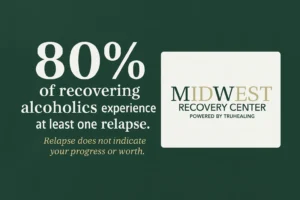
What if I’ve already relapsed?
Then you’re not alone. And you’re not disqualified.
Relapse doesn’t erase progress. It’s not the end—it’s information. Something hurt, or overwhelmed, or blindsided you. And the old solution stepped in.
We don’t punish that. We treat it. You can return to care, without shame. You can keep going.
I feel like I’m waiting for something to change. What should I do?
You don’t have to wait. You can reach out now.
The dull ache that says, “This can’t be it,” isn’t something to ignore. It’s something to answer. Not with perfection—but with presence.
You’re not failing. You’re waking up. And that’s incredibly brave.
Ready to Feel Less Alone?
Call (888) 657-0858 or visit our alcohol addiction treatment program in Toledo, Ohio to learn how we support people in early recovery.
You don’t have to figure it all out. You just have to show up. We’ll meet you there.