
The call often comes late at night.
A parent’s voice is quiet, tired, and trying to stay steady: “Our 20-year-old is using again… what do we do now?”
When a young adult returns to substance use, parents often feel like the ground disappears beneath them. There’s grief, fear, anger, guilt—and an exhausting question running through it all: Did we miss something?
Many families start by exploring options like medically supervised withdrawal support through our detox support services. Not because they want another “program,” but because they want their child safe.
Below are the questions parents ask most often when they’re standing in this painful and confusing moment.
Is it normal to feel like I failed my child?
Yes. Almost every parent I meet carries that thought somewhere in their chest.
Parents often replay the past like a movie: the teenage years, the friend groups, the first warning signs. They look for the moment where they could have “done something differently.”
But addiction rarely begins with a single decision or parenting mistake. It grows out of many factors—brain chemistry, emotional struggles, social pressures, trauma, and sometimes simply the timing of young adulthood.
I’ve worked with parents who were attentive, loving, and deeply involved in their child’s life. And still, their son or daughter struggled.
Your love did not cause this.
And your love may still be one of the strongest protective forces in their recovery.
One mother once said through tears, “I feel like I broke my child.”
A year later she sat in the same chair, smiling quietly while describing her son returning to college.
Parents often carry guilt longer than they need to.
Why does relapse happen so often at this age?
Early adulthood is one of the most unstable periods in a person’s life.
At 20 years old, many young adults are navigating independence, identity, friendships, school, work, and emotional stress for the first time without the structure they had growing up.
Add substances into that environment, and things can spiral quickly.
There are a few reasons relapse or renewed use happens frequently during this stage:
- The brain is still developing until about age 25
- Stress levels often increase with independence
- Social environments may normalize heavy substance use
- Mental health challenges often surface in the early twenties
Young adults also tend to believe they can control their use—even after previous consequences.
This isn’t stubbornness. It’s often a mix of youth, biology, and circumstance.
What happens during medically supervised withdrawal support?
Parents sometimes imagine this phase as frightening or chaotic.
In reality, the goal is calm, safety, and medical monitoring.
During this stage, clinical staff help manage withdrawal symptoms while keeping the person as comfortable and stable as possible. Some substances can create intense physical reactions when someone stops suddenly, which is why professional supervision matters.
Many young adults arrive exhausted, dehydrated, anxious, and scared. Families often say they finally feel relief knowing their child is being watched by experienced professionals.
One father once told me:
“For the first time in months, I slept through the night because I knew someone qualified was watching over him.”
That sense of safety can be incredibly powerful for families who have been living in constant fear.
How do I know if my child actually wants help?
This is one of the hardest questions parents ask.
The honest answer is: sometimes they do, and sometimes they aren’t sure yet.
Many young adults feel stuck between two realities. Part of them wants the chaos to stop. Another part is afraid of life without substances.
Motivation rarely appears fully formed.
Often, it grows slowly after the body stabilizes and the emotional fog begins to lift. Once someone is physically safe and clear-headed again, conversations about next steps become much easier.
One 21-year-old told his parents after entering treatment:
“I didn’t want to admit I needed help. But I also didn’t know how to stop on my own.”
Ambivalence is normal.
It doesn’t mean recovery isn’t possible.
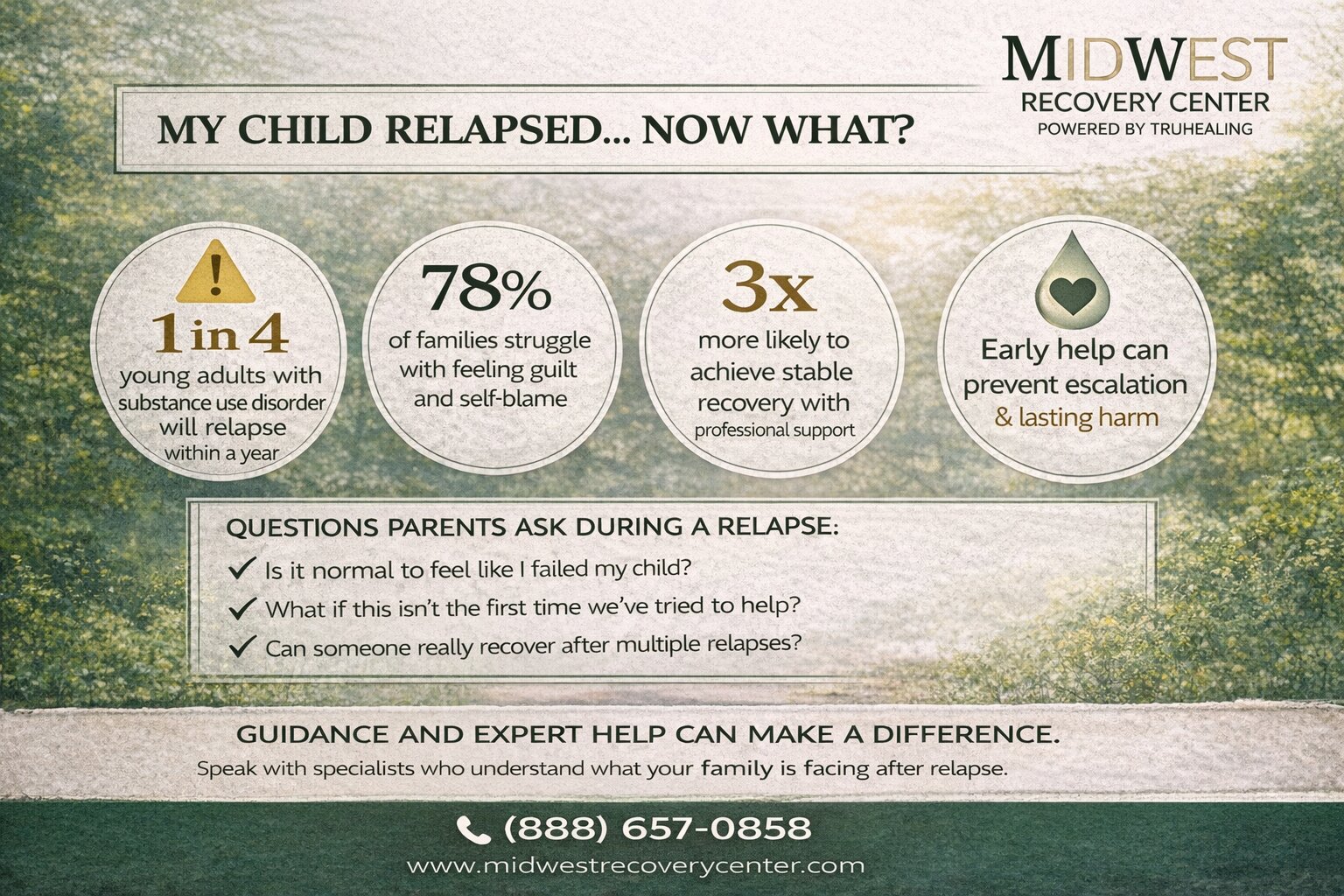
What if this isn’t the first time we’ve tried to help?
Many families feel discouraged after a relapse or second attempt at treatment.
They wonder if anything will actually change.
But recovery often unfolds through multiple attempts. Each experience can reveal important information—about triggers, mental health needs, relationships, and the type of support someone truly requires.
Think of it less like failure and more like learning.
I’ve watched young adults return after relapse feeling embarrassed or ashamed. And yet, they often come back with deeper insight into themselves.
One young man who had relapsed twice told his parents later:
“The first time I didn’t think I had a problem. The second time I thought I could control it. The third time… I finally understood what was happening to me.”
Sometimes growth takes more than one chapter.
How long does this stage of care usually last?
Parents often imagine months of intensive care right away.
But medically supervised withdrawal support is usually a short-term step designed to stabilize the body and create a safer starting point for recovery.
Once someone is medically stable, the next stage might involve:
- Structured daytime care
- Therapy several days per week
- Mental health treatment
- Recovery support planning
The goal is not simply stopping substance use for a few days. The goal is creating momentum for lasting change.
What if my child refuses help?
This is one of the most painful situations families face.
You may feel powerless watching someone you love make dangerous choices.
While no one can force lasting change, there are still ways to influence the situation:
- Setting healthy boundaries
- Refusing to enable harmful behavior
- Keeping communication open
- Seeking guidance from professionals who support families
Parents often underestimate the power of steady, loving boundaries.
Sometimes those boundaries are the moment a young adult realizes things need to change.
Can someone really recover after multiple relapses?
Yes. Absolutely.
In fact, many people with long-term recovery histories experienced relapse earlier in their journey.
One young woman came to treatment after relapsing twice before age 23. She believed she had ruined her life.
Five years later, she returned to share her story with new clients. She had completed nursing school and was working in behavioral health.
Another young man relapsed three times before finally finding stable recovery. Today he works in peer support, helping other young adults navigate the same fears he once had.
Recovery rarely follows a straight line.
But change is always possible.
When should parents consider professional help?
Families often wait longer than they should.
Sometimes out of hope. Sometimes out of fear.
It may be time to explore support if you notice patterns like:
- Escalating substance use
- Withdrawal symptoms when not using
- Risky behavior or sudden personality changes
- Isolation from family or responsibilities
- Failed attempts to stop
You don’t have to wait until things become catastrophic.
Early intervention can protect both physical and mental health.
FAQ: Parents Navigating a Child’s Relapse
How common is relapse for young adults?
Relapse is more common than many families realize. Early recovery often includes setbacks, especially during major life transitions like leaving home, starting school, or entering the workforce.
Should we confront our child or stay calm?
Calm conversations are usually more productive. Direct confrontation can sometimes trigger defensiveness or shame, while open conversations invite honesty.
Will my child resent us for encouraging treatment?
Some young adults resist help at first. But many later express gratitude for the support that helped them step out of a dangerous cycle.
How can parents take care of themselves during this?
Families often neglect their own well-being. Support groups, counseling, and education about addiction can help parents stay emotionally grounded while navigating this process.
Does relapse mean treatment didn’t work?
No. Recovery often involves learning through setbacks. Many people who relapse still carry important insights from their earlier treatment experiences.
If you’re exploring treatment options in Maumee, Youngstown or nearby communities, speaking with experienced professionals can help you understand what support might look like for your family.
You don’t have to solve everything tonight.
Sometimes the first step is simply talking with someone who understands what you’re facing.
Call (888) 657-0858 or visit our medical detox program services to learn more about our medical detox program services in Toledo, Ohio.