
I Entered a Residential Treatment Program Expecting Nothing

I Entered a Residential Treatment Program Expecting Nothing

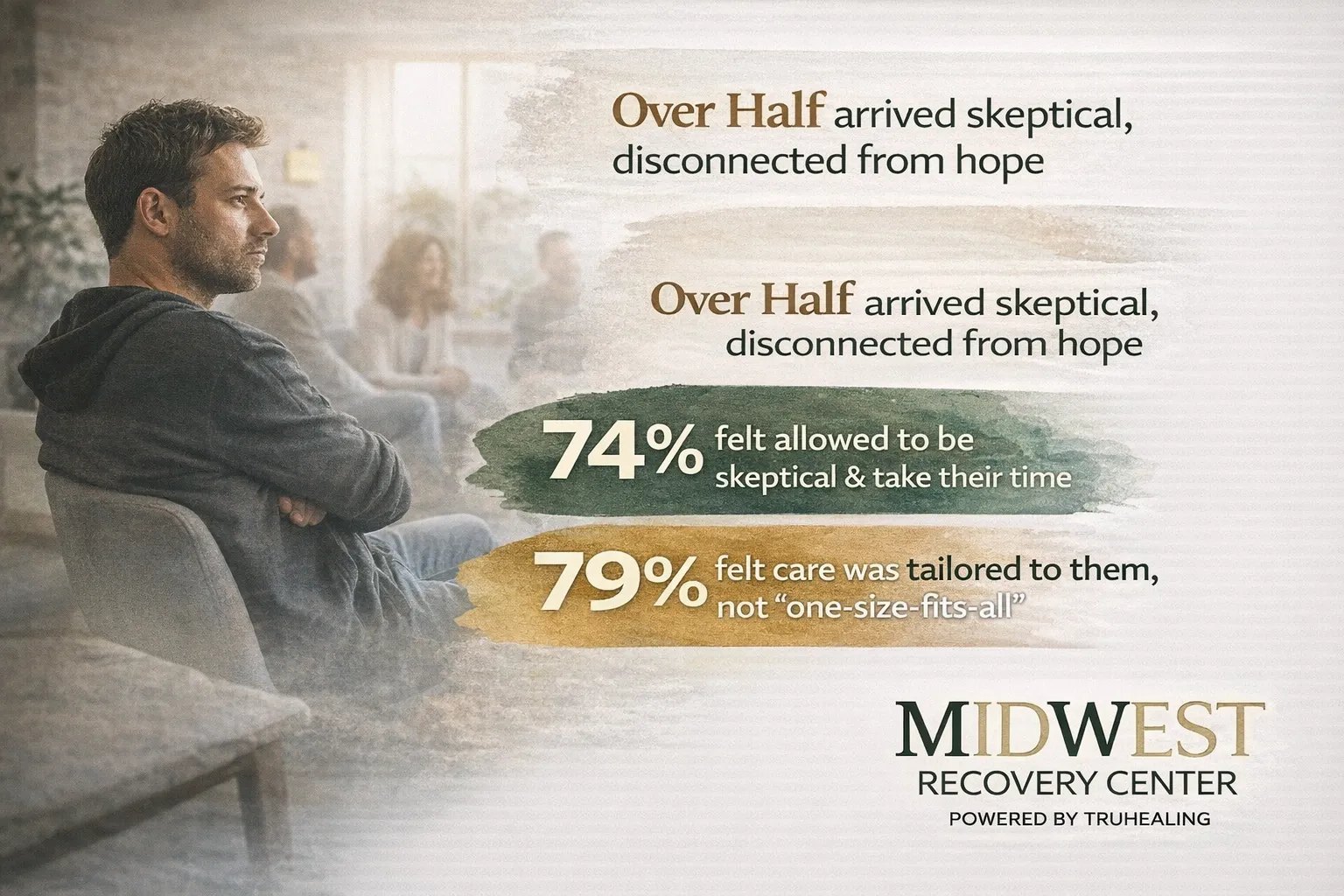
I didn’t walk into treatment with hope. I walked in with my arms crossed.

Second time around. First time hadn’t “worked.” I sat in groups. I nodded. I filled out the worksheets. I left. Nothing really changed—except that now, I had more shame layered on top.

So when I showed up at Midwest Recovery Center’s residential treatment program, I brought exactly zero expectations. I wasn’t hopeful. I wasn’t inspired. I was tired. Jaded. A little pissed off, if I’m being honest.

But I came anyway. And that choice—half-hearted, cynical, and scared—was still a choice. A door cracked open.

Here’s what actually happened.

No Pressure to “Buy In” Immediately

Nobody gave me a speech. Nobody told me this was going to “change my life.” There were no motivational posters or forced optimism. What I got instead?

A bed. A meal. A staff member who said, “We’re glad you’re here.”

That’s it. And that was everything.

Because if you’re skeptical about treatment—really skeptical—you don’t need someone hyping you up. You need someone meeting you where you are.

And that’s what they did.

I Could Show Up Disconnected—and Stay

The last time I tried a program, I felt like I had to be “on” all the time. Like if I wasn’t journaling my insights, opening up right away in group, or crying on cue, I wasn’t trying hard enough.

But this time? I showed up shut down. I was quiet. I didn’t want to talk. I didn’t want to process. I wasn’t even sure I wanted to stay.

Nobody rushed me.

Nobody told me I had to “break through” by day three or I was wasting time.

They let me be there. They let me breathe.

And slowly—slowly—I started opening. Not because I was told to. Because I wasn’t.

It Wasn’t About “Fixing Me.” It Was About Understanding Me

The biggest difference this time was the tone.

Staff didn’t talk to me like I was a broken project they were here to fix. They didn’t treat my symptoms like a to-do list.

Instead, we had actual conversations. About how my anxiety shows up in my chest. About what my brain does when I’m overwhelmed. About the ways I’ve survived so far—even the messy ways.

They weren’t just trying to “get me better.” They were trying to understand me—and help me understand me.

That made it feel less like treatment. And more like care.
Skeptical Return

I Got to Be Skeptical Out Loud

I said it in group: “I don’t think this is going to work either.”

Nobody flinched.

One guy nodded. A woman across from me said, “I didn’t either. I still don’t some days.”

And just like that, I wasn’t the only one carrying that weight.

There’s something powerful about being honest in a room full of people who get it. Who aren’t shocked. Who don’t try to convince you otherwise.

That kind of realness? That’s what builds trust. Not slogans. Not therapy speak. Just real people being real with each other.

Medication Wasn’t a Threat—It Was a Choice

I’ve always had mixed feelings about meds. I didn’t want to feel numb. I didn’t want to lose myself. I didn’t want to “depend” on something.

But I also didn’t want to keep waking up feeling like a fog was sitting on my chest.

In residential care, they didn’t push me. They didn’t wave a prescription pad in my face. They talked to me. Like a human.

They explained options. Listened to my fears. Adjusted things gently. Checked in—really checked in.

Eventually, I tried something. And it helped. Not by making me feel like someone else—but by helping me feel more like myself.

The Group Work Wasn’t Fluffy—It Was Honest

I expected hokey icebreakers and cliché conversations. What I got were moments that knocked the wind out of me in the best way.

Like a woman who said, “I’m not scared of dying—I’m scared of living like this forever.”

Or the guy who shared that feeling of being both too much and never enough in the same breath.

Group wasn’t perfect. Not every day. But it was real. Sometimes messy. Sometimes silent. But always full of people trying—awkwardly, honestly—to figure stuff out together.

That mattered more than any workbook.

They Helped Me Plan for Real Life—Not a Fantasy Future

By the end of my stay, nobody was handing me a “new me” certificate. But they were helping me create a plan that made sense.

Not a generic checklist.

Not “just stay strong.”

A plan for me:

  • What triggers I needed to watch for
  • What kind of therapist actually works for me
  • How to talk to my job about my mental health
  • Where I could get help in Toledo, Ohio when I left

The discharge plan didn’t feel like being cut loose. It felt like being handed off with care.

What I Left With (That I Didn’t Expect)

I didn’t leave with a miracle. I didn’t leave with perfect mental health. But I left with:

  • Fewer walls
  • A little more energy
  • A little more trust
  • And a tiny bit of hope I didn’t have when I came in

That’s not a marketing line. That’s just the truth.

If you told me a few months ago that I’d be writing a blog like this, I would’ve laughed. Hard. But I’m doing it now. Because someone else might be where I was—sick of being disappointed, but still hoping deep down that something could help.

If that’s you? You’re not out of chances.

And you’re definitely not alone. People in Austintown, Ohio have found programs like this one to be their turning point—not because someone “saved” them, but because they were finally seen.

Frequently Asked Questions

What if I already did treatment and it didn’t help?
You’re not alone. Many people feel that way. That doesn’t mean you can’t be helped—it just means the last setup didn’t meet your needs. That’s not failure. That’s data.

Do I have to take meds in a residential program?
No. Meds are an option—not a requirement. You’ll have choices, conversations, and time to decide what’s right for you, without pressure.

How long do I stay in a residential treatment program?
It depends on your needs, insurance, and personal goals. Some people stay a few weeks, others longer. What matters is that you leave with more stability and a clear next step.

Is this just for people in total crisis?
Not at all. Residential care is also for people who are functioning—but barely. If you’re holding it together on the outside and falling apart on the inside, you’re still welcome.

What if I don’t open up? Will I get kicked out?
Nope. Everyone moves at their own pace. There’s no “right” way to do this. The goal is to be real—not perform healing.

Still skeptical? You’re allowed to be. But you’re also allowed to be wrong—in the best way possible.
Call (888) 657-0858 to learn more about our residential treatment program in Toledo, Ohio.
*The stories shared in this blog are meant to illustrate personal experiences and offer hope. Unless otherwise stated, any first-person narratives are fictional or blended accounts of others’ personal experiences. Everyone’s journey is unique, and this post does not replace medical advice or guarantee outcomes. Please speak with a licensed provider for help.

Level Of Care

PHP (Partial Hospitalization Program)
Daytime treatment with structure, therapy, and support—return home each night.

IOP (Intensive Outpatient Program)
Flexible therapy a few days a week to balance life and recovery.

OP (Outpatient Program)
Ongoing therapy and support to maintain progress.

MAT (Medication-Assisted Treatment)
Evidence-based care using medication and counseling to reduce cravings.

Ready to Start?
Call (833) 657-0858: to learn which program fits your recovery goals.

Who are you seeking help for? *

We’re here to listen and help you find the right path forward. Please tell us who needs care so we can match you with the best program and support.

💬 Your responses are 100% confidential and never shared outside our admissions team.

Recovery Shouldn’t Have to Wait — Begin Treatment Today.

At Ohio Treatment Center in Toledo, Ohio, we make it simple to take that first step toward healing. Our streamlined admissions process can often lead to same-day placement in treatment for MAT, PHP, IOP and more..

Call today for a free, confidential consultation with our caring admissions team — we’ll walk you through every step with compassion and clarity.

Call (833) 657-0858
Why call us?

Check Your Insurance Coverage in Minutes

We’ll handle the insurance details — so you can focus on getting better.

At Ohio Treatment Center, we work with most major private insurance providers to make treatment affordable and accessible. Complete our quick, confidential form below, and we’ll let you know if your plan is in-network — without contacting your insurance company.

Commonly accepted providers include:
Blue Cross Blue Shield (BCBS) • Aetna • Cigna • UnitedHealthcare • Humana • Anthem • Tricare

What Happens Next

  • Fill out the short form below
  • Our team reviews your benefits
  • We’ll contact you with your coverage details

Getting help shouldn’t be stressful. Let’s find out what your insurance can cover today.

Level Of Care

Detox
Begin recovery safely with 24/7 medical support. Our detox program helps you manage withdrawal comfortably and prepares you for the next step.

Residential Treatment
Continue healing in a supportive, structured setting with daily therapy, wellness activities, and round-the-clock care.

Aftercare
Before you leave, we’ll help you create a plan for ongoing support and lasting recovery.

Ready to Start?
Call (833) 657-0858: to learn which program fits your recovery goals.

Who are you seeking help for? *

We’re here to listen and help you find the right path forward. Please tell us who needs care so we can match you with the best program and support.

💬 Your responses are 100% confidential and never shared outside our admissions team.

Recovery Shouldn’t Have to Wait — Begin Treatment Today.

At Midwest Detox Center in Maumee, Ohio, we make it simple to take that first step toward healing. Our streamlined admissions process can often lead to same-day placement in treatment for medically supervised detox and residential treatment programs.

Call today for a free, confidential consultation with our caring admissions team — we’ll walk you through every step with compassion and clarity.

Call (833) 657-0858
Why call us?

Check Your Insurance Coverage in Minutes

We’ll handle the insurance details — so you can focus on getting better.

At Midwest Detox, we work with most major private insurance providers to make treatment affordable and accessible. Complete our quick, confidential form below, and we’ll let you know if your plan is in-network — without contacting your insurance company.

Commonly accepted providers include:
Blue Cross Blue Shield (BCBS) • Aetna • Cigna • UnitedHealthcare • Humana • Anthem • Tricare

What Happens Next

  • Fill out the short form below
  • Our team reviews your benefits
  • We’ll contact you with your coverage details

Getting help shouldn’t be stressful. Let’s find out what your insurance can cover today.

Level Of Care

Medical Detox
24/7 medically supervised detox to help you safely withdraw from drugs or alcohol while managing symptoms and preventing complications.

Inpatient Treatment
A structured, residential setting that provides continuous medical care, counseling, and therapeutic support to build a foundation for long-term recovery.

Residential Program
Comfortable, home-like housing where you can focus fully on healing with daily therapy, peer support, and holistic recovery services.

Ready to Start?
Call (833) 657-0858: to learn which program fits your recovery goals.

Who are you seeking help for? *

We’re here to listen and help you find the right path forward. Please tell us who needs care so we can match you with the best program and support.

💬 Your responses are 100% confidential and never shared outside our admissions team.

Recovery Shouldn’t Have to Wait — Begin Detox Today

At Ohio Detox Center in Maumee, Ohio, we make it simple to take that first step toward healing. Our streamlined admissions process can often lead to same-day placement in detox or inpatient treatment for substance use and co-occurring mental health conditions.

Call today for a free, confidential consultation with our caring admissions team — we’ll walk you through every step with compassion and clarity.

Call (833) 657-0858
Why call us?

Check Your Insurance Coverage in Minutes

We’ll handle the insurance details — so you can focus on getting better.

We’ll take care of the details — so you can focus on getting better.
At Ohio Detox Center, we work with Ohio Medicaid and most major insurance providers to make treatment affordable and accessible.

Here’s how it works:

  1. Fill out the short form below
  2. Our team reviews your benefits
  3. We’ll contact you with your coverage details

Getting help shouldn’t be stressful. Let’s find out what your insurance can cover today.

Levels of Care

Detox
We understand that taking the first step can feel overwhelming. Our detox program offers a compassionate, medically supported environment where you can rest, heal, and begin recovery safely. You’ll never go through it alone — our team is with you every step of the way.

IOP (Intensive Outpatient Program)
A flexible treatment option that lets you maintain work, school, or family responsibilities while attending therapy several days a week. IOP focuses on relapse prevention, coping skills, and long-term recovery through group and individual sessions.

Residential
Residential care gives you the time and space to focus fully on healing. Surrounded by supportive staff and peers, you’ll work through underlying causes of addiction, rebuild healthy routines, and rediscover confidence in your recovery journey.

MAT (Medication-Assisted Treatment)
Combining FDA-approved medications with counseling and behavioral therapy, MAT helps reduce cravings and withdrawal symptoms related to opioid or alcohol use. Each treatment plan is closely monitored to ensure comfort, safety, and lasting recovery.

Ready to Start?
Call (833) 657-0858: to learn which program fits your recovery goals.

Who are you seeking help for? *

We’re here to listen and help you find the right path forward. Please tell us who needs care so we can match you with the best program and support.

Myself

A loved one or family member

💬 Your responses are 100% confidential and never shared outside our admissions team.

Check Your Insurance Coverage in Minutes

We’ll handle the insurance details — so you can focus on getting better.

At Midwest Centers at Youngstown, we work with most major private insurance providers to make treatment affordable and accessible. Complete our quick, confidential form below, and we’ll let you know if your plan is in-network — without contacting your insurance company.

Commonly accepted providers include:
Blue Cross Blue Shield (BCBS) • Aetna • Cigna • UnitedHealthcare • Humana • Anthem • Tricare

What Happens Next

  • Fill out the short form below
  • Our team reviews your benefits
  • We’ll contact you with your coverage details

Getting help shouldn’t be stressful. Let’s find out what your insurance can cover today.

Recovery Shouldn’t Have to Wait — Begin Treatment Today.

At Midwest Centers at Youngstown in Ohio, we make it simple to take that first step toward healing. Our streamlined admissions process can often lead to same-day placement in treatment for substance use or co-occurring mental health disorders.

Call today for a free, confidential consultation with our caring admissions team — we’ll walk you through every step with compassion and clarity.

Level Of Care

Partial Hospitalization Program (PHP)
Our PHP offers a highly structured, supportive environment where you can focus on recovery during the day and return home at night. It’s an ideal step between inpatient and outpatient care, providing daily therapy, accountability, and a strong recovery routine.

Intensive Outpatient Program (IOP)
Our IOP gives you the flexibility to continue work, school, or family life while receiving evidence-based treatment several days a week. You’ll participate in group and individual therapy focused on relapse prevention, coping skills, and long-term healing.

Outpatient Program (OP)
For those transitioning from a higher level of care or seeking ongoing support, our outpatient program offers continued therapy at a pace that fits your lifestyle. It’s a supportive bridge that helps you maintain recovery and stay connected to care.

Medication-Assisted Treatment (MAT)
MAT combines FDA-approved medications with therapy and counseling to reduce cravings and support long-term recovery from opioid or alcohol addiction. Our team monitors each plan closely to ensure safety, comfort, and effectiveness.

Ready to Start?
Call (833) 657-0858: to learn which program fits your recovery goals.

Who are you seeking help for? *

We’re here to listen and help you find the right path forward. Please tell us who needs care so we can match you with the best program and support.

Myself

A loved one or family member

💬 Your responses are 100% confidential and never shared outside our admissions team.

Recovery Shouldn’t Have to Wait — Begin Treatment Today.

At Midwest Recovery Center in Toledo, Ohio, we make it simple to take that first step toward healing. Our streamlined admissions process can often lead to same-day placement in treatment for substance use or co-occurring mental health disorders.

Call today for a free, confidential consultation with our caring admissions team — we’ll walk you through every step with compassion and clarity.

Check Your Insurance Coverage in Minutes

We’ll handle the insurance details — so you can focus on getting better.

At Midwest Recovery Center, we work with most major private insurance providers to make treatment affordable and accessible. Complete our quick, confidential form below, and we’ll let you know if your plan is in-network — without contacting your insurance company.

Commonly accepted providers include:
Blue Cross Blue Shield (BCBS) • Aetna • Cigna • UnitedHealthcare • Humana • Anthem • Tricare

What Happens Next

  • Fill out the short form below
  • Our team reviews your benefits
  • We’ll contact you with your coverage details

Getting help shouldn’t be stressful. Let’s find out what your insurance can cover today.