
When I Said “Treatment Didn’t Work” — And Meant “I’m Not Ready”

When I Said “Treatment Didn’t Work” — And Meant “I’m Not Ready”

I left early and told everyone it was a waste of time.

“The program didn’t work,” I said. “It just wasn’t for me.”

I said it with confidence. A little edge. Like someone who had outgrown something.

The truth? I was embarrassed. And I didn’t want to look at why.

If you’re reading this and thinking the same thing — that structured care didn’t help, that it wasn’t a fit, that it felt pointless — I’m not here to argue with you.

I’m here to tell you what I eventually had to admit to myself.

I walked into structured daytime care already halfway out the door. And when it didn’t magically fix me, I blamed the whole thing.

But it wasn’t that simple.

I Wanted the Program to Change — Not Me

I wanted better groups.
More exciting sessions.
A therapist who “got” me instantly.
A faster emotional breakthrough.
Less repetition.

What I didn’t want was to give up control.

Structured care asked me to do the same things over and over:

Show up on time.
Speak honestly.
Listen when I didn’t agree.
Practice coping skills outside the room.
Sit with emotions instead of escaping them.

It felt basic. Almost insulting.

But here’s what I didn’t understand: the basics are the work.

I kept waiting for some advanced, secret-level recovery hack. Instead, they kept handing me consistency.

And consistency felt boring.

So I decided it wasn’t working.

I Compared It to a Fantasy Version of Recovery

I thought treatment would feel dramatic.

Tears. Breakthroughs. Big epiphanies. The kind of moment where you walk out changed.

Instead, it was routine.

Wake up. Go in. Process. Learn. Practice. Go home. Repeat.

It felt like physical therapy for a muscle I couldn’t see.

No fireworks. No instant clarity. Just reps.

But recovery is closer to rebuilding a torn ligament than starring in a redemption movie.

You don’t do one perfect stretch and suddenly run a marathon. You rebuild stability through repetition.

I didn’t want repetition. I wanted relief.

When relief didn’t show up fast enough, I labeled the whole experience a failure.
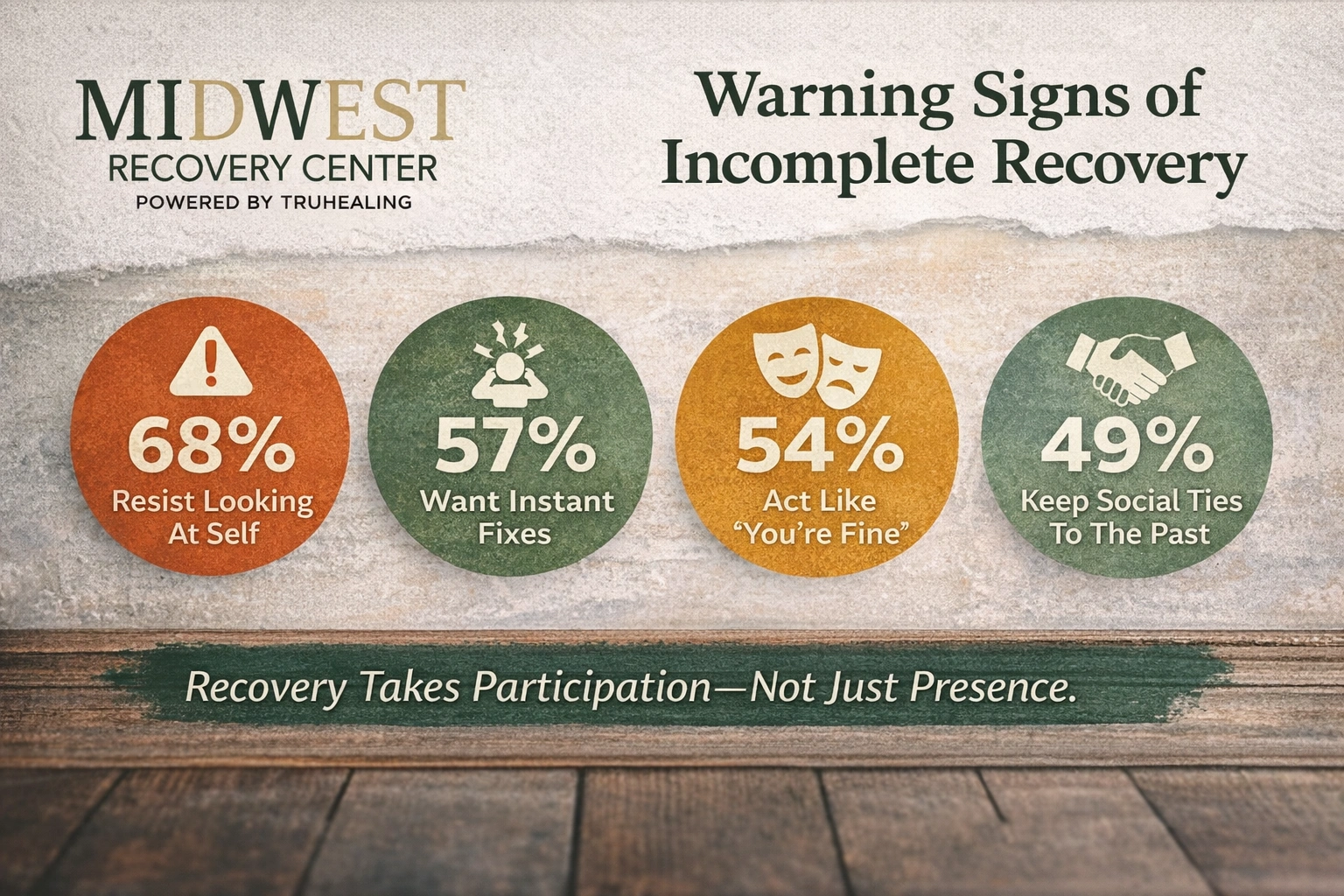
Participation Over Presence

I Was Still Negotiating With My Addiction

Here’s the part I avoided saying out loud.

I was still using “a little.”
Still keeping certain friendships.
Still romanticizing the chaos.
Still telling myself I could moderate once I learned enough skills.

Then I’d sit in group and feel disconnected.

Of course I did.

You can’t fully step into something while keeping one foot planted in what’s hurting you.

Blaming the partial hospitalization program was easier than admitting I wasn’t fully participating.

It protected my pride.

But it also kept me stuck.

You can’t test-drive recovery while secretly keeping the old engine running and expect it to feel smooth.

“High-Functioning” Was My Shield

I had a job.
I paid my bills.
I wasn’t in legal trouble.
From the outside, I looked fine.

So when the work got uncomfortable, I told myself, “This is overkill. You’re not that bad.”

But here’s what I wasn’t measuring:

How anxious I was every morning.
How much mental energy went into hiding, planning, recovering.
How small my world had quietly become.
How thin my patience was with people I loved.

High-functioning doesn’t mean healthy.

It just means you haven’t hit a visible wall yet.

I thought because I hadn’t crashed publicly, I didn’t need that level of care.

What I really meant was: I don’t want to look at this that closely.

The Humbling Part

A few weeks after I left, I tried to recreate recovery on my own.

I pulled out worksheets.
I tried journaling.
I practiced breathing exercises.
I told myself I’d apply what I learned without the structure.

It felt harder without accountability.

Harder without people who understood.
Harder without daily rhythm.
Harder without being around others who were also choosing change.

That’s when I realized something uncomfortable:

The environment had been doing more for me than I gave it credit for.

The repetition.
The predictability.
The daily exposure to honesty.

I left right before the discomfort could turn into growth.

“It Didn’t Work” Is Sometimes Code

Let’s be blunt.

Sometimes “it didn’t work” means:

  • I didn’t like how it made me look at myself.
  • I expected the staff to fix what I wasn’t willing to face.
  • I thought insight alone would change behavior.
  • I wanted to feel better without feeling worse first.

Not always. Not in every case.

But often.

Treatment is uncomfortable because change is uncomfortable.

If you leave when it starts to stretch you, you’ll never know what happens on the other side of that stretch.

And I left at the first real stretch.

The Second Time Was Different

When I came back, it wasn’t dramatic.

I wasn’t inspired. I wasn’t newly enlightened.

I was tired.

Tired of managing my life around my coping mechanisms.
Tired of pretending structured care “wasn’t for me.”
Tired of watching my world shrink slowly.

This time, I didn’t look for transformation.

I looked for discipline.

I showed up even when I didn’t want to.
I stopped performing in group and started telling the truth.
I admitted when I was resistant instead of hiding it behind sarcasm.

And slowly — not dramatically — things shifted.

My reactions softened.
My cravings lost some volume.
My thinking slowed down enough for me to choose instead of react.

It wasn’t a lightning strike.

It was muscle-building.

And muscles don’t grow from theory. They grow from repetition.

What I Misunderstood About Structured Care

I thought it was supposed to “work” on me.

Like a mechanic fixing a car.

But recovery is participatory. It’s not something done to you. It’s something you actively engage in.

The environment creates conditions for change.

You create the change.

When I expected the environment to do all the lifting, I left disappointed.

When I accepted that I had to lift too, it started making sense.

That difference matters.

If You’re Skeptical Right Now

If you feel burned by treatment, I’m not here to invalidate that.

Disappointment is real.

Sometimes groups feel repetitive.
Sometimes you don’t connect with a therapist right away.
Sometimes progress feels invisible.

But here’s the honest question:

Did the program fail you?
Or did it challenge you in ways you weren’t ready to accept?

That’s not judgment. That’s reflection.

There are compassionate treatment options in Locations that understand skepticism. You don’t have to walk in convinced. You don’t have to pretend to be motivated.

You just have to be willing to stay long enough for discomfort to mean something.

Recovery isn’t about blind faith.

It’s about staying when every part of you wants to bolt.

The Metaphor That Finally Landed for Me

I once heard someone say recovery is like renovating a house you’re still living in.

It’s loud. Dusty. Inconvenient.

You don’t always see progress day to day. Sometimes it feels worse before it looks better.

If you move out every time construction gets messy, the house never changes.

I kept moving out.

The second time, I stayed.

And the structure — the daily rhythm, the accountability, the conversations — became scaffolding instead of confinement.

FAQs: For the Person Who Thinks It Didn’t Work

What if I genuinely didn’t connect with the staff?

That can happen. Fit matters. But before you dismiss the whole experience, ask yourself whether you gave honest feedback. Sometimes discomfort with staff is about boundaries being challenged — not incompatibility.

Is it possible the level of care was wrong for me?

Yes. Not every person needs the same intensity. The key is honest assessment. Were you overwhelmed because it was too much? Or resistant because it was enough?

How long should I stay before deciding it’s not helping?

Change in structured care is often gradual. The first weeks can feel destabilizing. Many people leave right before progress compounds. If possible, commit to a clear timeframe and reassess with transparency.

What if I tried before and relapsed anyway?

Relapse doesn’t automatically mean treatment failed. It may mean more time, more engagement, or different aftercare support is needed. Recovery is iterative.

I don’t want to feel like I’m starting over.

You’re not. Even if you left early, you learned something — even if that lesson was about your own resistance. Returning isn’t regression. It’s refinement.

How do I know if I’m making excuses?

Ask yourself: when I talk about why it didn’t work, do I focus only on external factors? If the story has zero self-reflection, there’s probably more to examine.

The Honest Middle Ground

Middle-of-the-funnel honesty looks like this:

You don’t have to believe in treatment fully.
You don’t have to love every group.
You don’t have to feel inspired every day.

But you do have to participate.

Structured care isn’t magic. It’s momentum.

If you walk away before momentum builds, you’ll leave convinced it doesn’t exist.

If you stay long enough to build it, something shifts.

Not all at once.

But enough.

If you’re considering giving it another shot — or finishing what you started — that doesn’t make you weak.

It makes you honest.

Call (888) 657-0858 to learn more about our partial hospitalization program in Toledo, Ohio.
*The stories shared in this blog are meant to illustrate personal experiences and offer hope. Unless otherwise stated, any first-person narratives are fictional or blended accounts of others’ personal experiences. Everyone’s journey is unique, and this post does not replace medical advice or guarantee outcomes. Please speak with a licensed provider for help.

Level Of Care

PHP (Partial Hospitalization Program)
Daytime treatment with structure, therapy, and support—return home each night.

IOP (Intensive Outpatient Program)
Flexible therapy a few days a week to balance life and recovery.

OP (Outpatient Program)
Ongoing therapy and support to maintain progress.

MAT (Medication-Assisted Treatment)
Evidence-based care using medication and counseling to reduce cravings.

Ready to Start?
Call (833) 657-0858: to learn which program fits your recovery goals.

Who are you seeking help for? *

We’re here to listen and help you find the right path forward. Please tell us who needs care so we can match you with the best program and support.

💬 Your responses are 100% confidential and never shared outside our admissions team.

Recovery Shouldn’t Have to Wait — Begin Treatment Today.

At Ohio Treatment Center in Toledo, Ohio, we make it simple to take that first step toward healing. Our streamlined admissions process can often lead to same-day placement in treatment for MAT, PHP, IOP and more..

Call today for a free, confidential consultation with our caring admissions team — we’ll walk you through every step with compassion and clarity.

Call (833) 657-0858
Why call us?

Check Your Insurance Coverage in Minutes

We’ll handle the insurance details — so you can focus on getting better.

At Ohio Treatment Center, we work with most major private insurance providers to make treatment affordable and accessible. Complete our quick, confidential form below, and we’ll let you know if your plan is in-network — without contacting your insurance company.

Commonly accepted providers include:
Blue Cross Blue Shield (BCBS) • Aetna • Cigna • UnitedHealthcare • Humana • Anthem • Tricare

What Happens Next

  • Fill out the short form below
  • Our team reviews your benefits
  • We’ll contact you with your coverage details

Getting help shouldn’t be stressful. Let’s find out what your insurance can cover today.

Level Of Care

Detox
Begin recovery safely with 24/7 medical support. Our detox program helps you manage withdrawal comfortably and prepares you for the next step.

Residential Treatment
Continue healing in a supportive, structured setting with daily therapy, wellness activities, and round-the-clock care.

Aftercare
Before you leave, we’ll help you create a plan for ongoing support and lasting recovery.

Ready to Start?
Call (833) 657-0858: to learn which program fits your recovery goals.

Who are you seeking help for? *

We’re here to listen and help you find the right path forward. Please tell us who needs care so we can match you with the best program and support.

💬 Your responses are 100% confidential and never shared outside our admissions team.

Recovery Shouldn’t Have to Wait — Begin Treatment Today.

At Midwest Detox Center in Maumee, Ohio, we make it simple to take that first step toward healing. Our streamlined admissions process can often lead to same-day placement in treatment for medically supervised detox and residential treatment programs.

Call today for a free, confidential consultation with our caring admissions team — we’ll walk you through every step with compassion and clarity.

Call (833) 657-0858
Why call us?

Check Your Insurance Coverage in Minutes

We’ll handle the insurance details — so you can focus on getting better.

At Midwest Detox, we work with most major private insurance providers to make treatment affordable and accessible. Complete our quick, confidential form below, and we’ll let you know if your plan is in-network — without contacting your insurance company.

Commonly accepted providers include:
Blue Cross Blue Shield (BCBS) • Aetna • Cigna • UnitedHealthcare • Humana • Anthem • Tricare

What Happens Next

  • Fill out the short form below
  • Our team reviews your benefits
  • We’ll contact you with your coverage details

Getting help shouldn’t be stressful. Let’s find out what your insurance can cover today.

Level Of Care

Medical Detox
24/7 medically supervised detox to help you safely withdraw from drugs or alcohol while managing symptoms and preventing complications.

Inpatient Treatment
A structured, residential setting that provides continuous medical care, counseling, and therapeutic support to build a foundation for long-term recovery.

Residential Program
Comfortable, home-like housing where you can focus fully on healing with daily therapy, peer support, and holistic recovery services.

Ready to Start?
Call (833) 657-0858: to learn which program fits your recovery goals.

Who are you seeking help for? *

We’re here to listen and help you find the right path forward. Please tell us who needs care so we can match you with the best program and support.

💬 Your responses are 100% confidential and never shared outside our admissions team.

Recovery Shouldn’t Have to Wait — Begin Detox Today

At Ohio Detox Center in Maumee, Ohio, we make it simple to take that first step toward healing. Our streamlined admissions process can often lead to same-day placement in detox or inpatient treatment for substance use and co-occurring mental health conditions.

Call today for a free, confidential consultation with our caring admissions team — we’ll walk you through every step with compassion and clarity.

Call (833) 657-0858
Why call us?

Check Your Insurance Coverage in Minutes

We’ll handle the insurance details — so you can focus on getting better.

We’ll take care of the details — so you can focus on getting better.
At Ohio Detox Center, we work with Ohio Medicaid and most major insurance providers to make treatment affordable and accessible.

Here’s how it works:

  1. Fill out the short form below
  2. Our team reviews your benefits
  3. We’ll contact you with your coverage details

Getting help shouldn’t be stressful. Let’s find out what your insurance can cover today.

Levels of Care

Detox
We understand that taking the first step can feel overwhelming. Our detox program offers a compassionate, medically supported environment where you can rest, heal, and begin recovery safely. You’ll never go through it alone — our team is with you every step of the way.

IOP (Intensive Outpatient Program)
A flexible treatment option that lets you maintain work, school, or family responsibilities while attending therapy several days a week. IOP focuses on relapse prevention, coping skills, and long-term recovery through group and individual sessions.

Residential
Residential care gives you the time and space to focus fully on healing. Surrounded by supportive staff and peers, you’ll work through underlying causes of addiction, rebuild healthy routines, and rediscover confidence in your recovery journey.

MAT (Medication-Assisted Treatment)
Combining FDA-approved medications with counseling and behavioral therapy, MAT helps reduce cravings and withdrawal symptoms related to opioid or alcohol use. Each treatment plan is closely monitored to ensure comfort, safety, and lasting recovery.

Ready to Start?
Call (833) 657-0858: to learn which program fits your recovery goals.

Who are you seeking help for? *

We’re here to listen and help you find the right path forward. Please tell us who needs care so we can match you with the best program and support.

Myself

A loved one or family member

💬 Your responses are 100% confidential and never shared outside our admissions team.

Check Your Insurance Coverage in Minutes

We’ll handle the insurance details — so you can focus on getting better.

At Midwest Centers at Youngstown, we work with most major private insurance providers to make treatment affordable and accessible. Complete our quick, confidential form below, and we’ll let you know if your plan is in-network — without contacting your insurance company.

Commonly accepted providers include:
Blue Cross Blue Shield (BCBS) • Aetna • Cigna • UnitedHealthcare • Humana • Anthem • Tricare

What Happens Next

  • Fill out the short form below
  • Our team reviews your benefits
  • We’ll contact you with your coverage details

Getting help shouldn’t be stressful. Let’s find out what your insurance can cover today.

Recovery Shouldn’t Have to Wait — Begin Treatment Today.

At Midwest Centers at Youngstown in Ohio, we make it simple to take that first step toward healing. Our streamlined admissions process can often lead to same-day placement in treatment for substance use or co-occurring mental health disorders.

Call today for a free, confidential consultation with our caring admissions team — we’ll walk you through every step with compassion and clarity.

Level Of Care

Partial Hospitalization Program (PHP)
Our PHP offers a highly structured, supportive environment where you can focus on recovery during the day and return home at night. It’s an ideal step between inpatient and outpatient care, providing daily therapy, accountability, and a strong recovery routine.

Intensive Outpatient Program (IOP)
Our IOP gives you the flexibility to continue work, school, or family life while receiving evidence-based treatment several days a week. You’ll participate in group and individual therapy focused on relapse prevention, coping skills, and long-term healing.

Outpatient Program (OP)
For those transitioning from a higher level of care or seeking ongoing support, our outpatient program offers continued therapy at a pace that fits your lifestyle. It’s a supportive bridge that helps you maintain recovery and stay connected to care.

Medication-Assisted Treatment (MAT)
MAT combines FDA-approved medications with therapy and counseling to reduce cravings and support long-term recovery from opioid or alcohol addiction. Our team monitors each plan closely to ensure safety, comfort, and effectiveness.

Ready to Start?
Call (833) 657-0858: to learn which program fits your recovery goals.

Who are you seeking help for? *

We’re here to listen and help you find the right path forward. Please tell us who needs care so we can match you with the best program and support.

Myself

A loved one or family member

💬 Your responses are 100% confidential and never shared outside our admissions team.

Recovery Shouldn’t Have to Wait — Begin Treatment Today.

At Midwest Recovery Center in Toledo, Ohio, we make it simple to take that first step toward healing. Our streamlined admissions process can often lead to same-day placement in treatment for substance use or co-occurring mental health disorders.

Call today for a free, confidential consultation with our caring admissions team — we’ll walk you through every step with compassion and clarity.

Check Your Insurance Coverage in Minutes

We’ll handle the insurance details — so you can focus on getting better.

At Midwest Recovery Center, we work with most major private insurance providers to make treatment affordable and accessible. Complete our quick, confidential form below, and we’ll let you know if your plan is in-network — without contacting your insurance company.

Commonly accepted providers include:
Blue Cross Blue Shield (BCBS) • Aetna • Cigna • UnitedHealthcare • Humana • Anthem • Tricare

What Happens Next

  • Fill out the short form below
  • Our team reviews your benefits
  • We’ll contact you with your coverage details

Getting help shouldn’t be stressful. Let’s find out what your insurance can cover today.