Medication-assisted treatment works best when the medication is only part of the plan. If you’re researching Vivitrol treatment in Austintown, Ohio, this guide covers everything you need to walk into an intake appointment informed: how the drug works, whether you qualify, what to expect, and how to think about it as one piece of a larger clinical picture.
What vivitrol is and how it works in addiction treatment
According to SAMHSA’s 2023 National Survey on Drug Use and Health, people receiving medication-assisted treatment for opioid use disorder are significantly more likely to remain in treatment at 12 months than those in non-medicated programs. Willpower is not a clinical strategy. Medication changes the biology.
Vivitrol is the brand name for naltrexone extended-release injectable. Naltrexone is an opioid antagonist, meaning it binds to the same receptors that opioids and alcohol activate, and blocks them. When those receptors are blocked, opioids produce no euphoria and alcohol produces far less of its rewarding effect. A single injection maintains this blockade for approximately 30 days.
The difference between vivitrol and daily oral naltrexone
Oral naltrexone has existed for decades, but a 2011 study published in Biological Psychiatry found that adherence to daily oral naltrexone dropped below 50% within the first month for many patients in early recovery. That matters because a missed dose restores full opioid sensitivity within hours. The monthly injection removes that daily decision entirely. What this means in practice: the compliance burden shifts from the patient to the calendar.
Who qualifies for vivitrol in austintown
Vivitrol treats both opioid use disorder (OUD) and alcohol use disorder (AUD). The non-negotiable requirement for either indication is full detox before the first injection. For opioids, that means being completely opioid-free for 7 to 10 days. For alcohol, the window is 24 to 48 hours of abstinence.
The reason this matters: naltrexone forces opioids off their receptors immediately. If opioids are still present in your system when the injection is given, you will go into precipitated withdrawal, which is severe and rapid-onset. It is not a discomfort to push through. The concrete step before your intake appointment is straightforward: document your last use date and confirm the detox window has passed.
Medical conditions and medications that affect eligibility
Active liver disease is a contraindication, since naltrexone is metabolized hepatically and can elevate liver enzymes at higher doses. Current physical dependence on opioids (not just a history of use, but active dependence) also disqualifies you until detox is complete. Patients managing chronic pain with opioid-based regimens need a direct conversation with the prescribing provider about alternatives, because Vivitrol will block those medications entirely. Disclose every current medication at intake, including over-the-counter pain relievers.
The vivitrol injection process: what to expect at your first appointment
The appointment begins with intake screening: medical history, a review of current medications, and confirmation that the detox window requirement is met. The injection itself is an intramuscular shot delivered into the gluteal muscle, typically taking under five minutes once screening is complete. A 2015 tolerability study published in Current Drug Abuse Reviews, covering data from the Phase 3 clinical trials, found that 96% of patients tolerated the injection without serious adverse events.
The injection site is firm and sometimes tender for several days, which is normal. Bring a complete, current medication list to your first appointment. This single step prevents the most common intake delays.
Managing side effects in the first week
The most frequently reported reactions are injection site soreness, nausea, and fatigue, with nausea typically peaking in the first 48 to 72 hours. These are adjustment effects, not signs of a problem. What requires a call to the clinic is anything beyond that pattern: severe injection site swelling, signs of an allergic reaction, or symptoms that worsen rather than improve after day three. Identify your clinic’s after-hours contact before you leave the first appointment, not after a concern develops.
How vivitrol fits into a full treatment plan in austintown
A 2019 study in JAMA Psychiatry compared patients receiving extended-release naltrexone alone versus naltrexone combined with behavioral counseling. The combined group showed 25% higher treatment retention at six months. Vivitrol blocks the receptor. Counseling addresses the behavior, the thought patterns, and the circumstances that drove use in the first place.
For many patients in Mahoning County, opioid or alcohol use disorder co-occurs with anxiety, depression, or PTSD. When treatment addresses the full picture of substance use and mental health together, outcomes are measurably better than when medication and mental health care run on separate tracks. At intake, ask the prescribing provider which behavioral health services, including individual therapy and group sessions, are built into your treatment plan from the start.
Insurance coverage for vivitrol: commercial plans and ohio medicaid
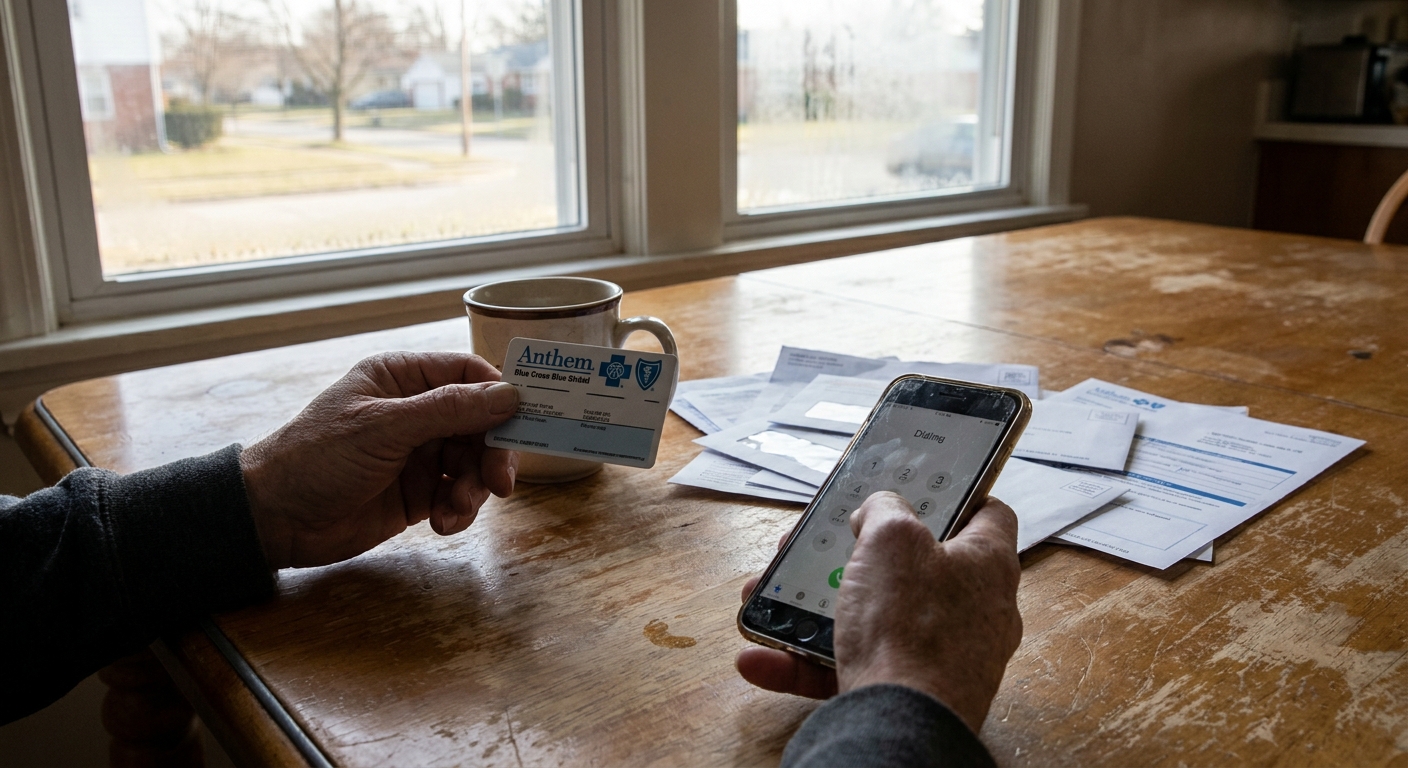
Vivitrol is covered under most commercial plans operating in the Austintown area, including Aetna, Anthem BCBS, Cigna, Optum, and Tricare. Ohio Medicaid managed-care plans, including CareSource, Buckeye, Molina, AmeriHealth Caritas, and Humana, also cover it, though prior authorization is typically required. Authorization timelines run 3 to 7 business days in most cases, and the prescribing clinic manages that process on your behalf.
For patients with coverage gaps, the Vivitrol manufacturer (Alkermes) operates a patient assistance program that can significantly reduce out-of-pocket cost. The most useful action before your first appointment: call the clinic’s billing team directly to confirm your specific plan’s coverage tier and whether prior authorization is already in process.
How long patients stay on vivitrol
A 2021 analysis in Drug and Alcohol Dependence found that patients who remained on extended-release naltrexone for at least 6 months had relapse rates roughly 40% lower than those who discontinued after the first one or two injections. Clinical guidelines generally recommend a minimum of 6 to 12 months, though individual circumstances drive the actual decision.
The move that works here is simple: schedule a 90-day checkpoint conversation with your provider at the start of treatment. Treat month one as the beginning of a clinical process, not a trial period.
Pros and cons of vivitrol for opioid and alcohol use disorder
Vivitrol carries real advantages. There is no diversion risk because naltrexone has no street value and produces no high. There is no daily adherence burden. And for patients who want a non-opioid approach to OUD, it is the only MAT option that involves no opioid substitution, which matters to a significant portion of patients and families.
The limitations are just as real. Without insurance, the monthly injection cost exceeds $1,500. The detox prerequisite is a genuine clinical barrier for patients who are still actively using and cannot safely complete the withdrawal window before starting. Injection site reactions, while usually mild, are consistent and last several days each month.
Who vivitrol treatment in austintown is best for , and who should look at other options
Vivitrol delivers the strongest outcomes for patients who are already detox-complete, motivated to pursue a non-opioid path, and able to reliably attend monthly appointments. If that description fits your situation, it is a strong clinical match.
If you cannot safely complete the detox window before starting, or if your withdrawal severity makes a 7 to 10 day opioid-free period medically risky, buprenorphine is a stronger starting point. Patients considering that path can explore what a buprenorphine-based approach looks like in the Youngstown area to compare options. Methadone remains the appropriate choice for patients with the most severe dependence histories, particularly those who have not responded to other MAT options. Bring this comparison to your intake conversation and ask your provider to walk through the clinical rationale for each.
For patients in Northwest Ohio exploring the full range of medication-assisted treatment options across the region, the same framework applies: match the medication to the clinical profile, not the other way around.
Your next step this week
Contact a Vivitrol provider in Austintown to schedule an intake assessment. Arrive with your insurance card, a current and complete medication list, and your last use date written down. That single appointment is where the clinical picture gets built and the treatment plan takes shape. Everything else follows from it.
Frequently asked questions
How soon after stopping opioids can you get a vivitrol injection?
The standard requirement is 7 to 10 days completely opioid-free before the first injection. Your provider will confirm this with a naloxone challenge test or similar screening before administering the shot to rule out any remaining physical dependence.
Does vivitrol work for alcohol use disorder, not just opioids?
Yes. Vivitrol is FDA-approved for both opioid use disorder and alcohol use disorder. For AUD, the detox window is shorter: 24 to 48 hours of alcohol abstinence before the first injection. The mechanism is the same: blocking the reward receptors that alcohol activates.
Will vivitrol show up on a drug test or affect employment?
Naltrexone does not show up on standard workplace drug screens and is not a controlled substance. There is no employment concern related to taking it.
What happens if you use opioids while on vivitrol?
The opioid receptors are blocked, so the opioid produces no euphoric effect. However, some patients attempt to override the blockade by taking large quantities, which carries a serious overdose risk once the Vivitrol begins to wear off. This is a medical emergency, not a treatment failure to push through alone.
Can you get vivitrol if you’re on medicaid in ohio?
Yes. Ohio Medicaid managed-care plans, including CareSource, Buckeye, and Molina, cover Vivitrol. Prior authorization is typically required, and your clinic’s billing team handles that process on your behalf before the first injection.
Is vivitrol the right choice if you also have depression or anxiety?
Vivitrol does not treat co-occurring mental health conditions on its own, but it can be prescribed alongside treatment for anxiety, depression, or PTSD. The stronger question to ask at intake is whether your treatment plan includes behavioral health services that address both the substance use and the co-occurring condition together.