Finding a Suboxone doctor in Toledo, Ohio is harder than it should be, even though effective treatment exists. According to SAMHSA’s 2023 National Survey on Drug Use and Health, roughly 80% of people with opioid use disorder in the United States do not receive medication-assisted treatment in a given year. The barrier is rarely willingness. It is knowing where to look, what to ask, and how to tell a qualified provider from one who will take your insurance card and hand you a prescription with nothing else attached.
Why finding a suboxone provider in toledo takes more than a search
Lucas County has tracked overdose death rates above the Ohio state average for several consecutive years, according to data from the Ohio Department of Health’s 2023 overdose report. That gap is not accidental. It reflects a treatment access problem: providers who prescribe buprenorphine are not evenly distributed across the county, and not all of them offer the integrated care that actually moves the needle on long-term recovery.
Untreated opioid use disorder carries documented mortality risk. A 2021 study published in JAMA Psychiatry following 40,885 patients found that those who remained untreated after an overdose were 3.4 times more likely to die within a year than those who received medication. Knowing where to look in Toledo, and what questions to ask once you get there, is the move that changes that outcome.
What suboxone is and why it works
Suboxone is a combination of buprenorphine and naloxone. Buprenorphine is a partial opioid agonist, meaning it activates opioid receptors enough to suppress withdrawal and cravings, but not enough to produce the euphoric high associated with full agonists like heroin or oxycodone. The naloxone component is added as a deterrent against misuse: if injected rather than taken as prescribed sublingually, it triggers withdrawal.
A 2020 NIDA-funded clinical trial published in the New England Journal of Medicine tracked 570 patients with opioid use disorder across extended-release buprenorphine and oral buprenorphine formulations. Both groups showed significantly higher treatment retention and lower illicit opioid use at 24 weeks compared to placebo. The evidence base for this medication is not emerging; it is established.
When you encounter the terms MAT (medication-assisted treatment) or MOUD (medications for opioid use disorder) in provider directories or insurance paperwork, both refer to using buprenorphine, methadone, or naltrexone as a core part of treatment. Understanding what the medication actually does helps you evaluate whether a provider is offering real clinical care or simply processing patients through a prescription workflow. For a fuller breakdown of what MAT actually involves and how it works, that context matters before you start calling providers.
How to verify a suboxone doctor is qualified to treat you
In 2023, SAMHSA eliminated the DATA 2000 waiver requirement that previously required physicians to obtain a special certification before prescribing buprenorphine. In practical terms, more doctors can now prescribe. That is good for access. It also means the number of providers has expanded faster than the quality controls that previously served as a filter.
What still matters: the prescribing physician needs DEA Schedule III prescribing authority and a current, active Ohio medical license. Beyond the minimum, board certification through the American Board of Addiction Medicine (ABAM) or a psychiatry certification with an addiction subspecialty indicates that the provider has sought out specialized training. These credentials are verifiable. The Ohio Medical Board maintains a public license lookup at med.ohio.gov, and SAMHSA’s Buprenorphine Treatment Practitioner Locator at buprenorphine.samhsa.gov lists providers by zip code.
Run the name of any provider you are considering through the Ohio Medical Board directory before booking your first appointment. A license lookup takes under two minutes and confirms active status, any disciplinary actions, and specialty designations.
Where to search for suboxone doctors in toledo and lucas county
The most direct starting point is findtreatment.gov, SAMHSA’s national treatment locator, which filters by location, service type, and payment accepted. Ohio’s OhioMHAS (Ohio Mental Health and Addiction Services) provider directory at mha.ohio.gov covers state-licensed treatment programs and is updated more frequently than many third-party aggregators.
For local coordination, Lucas County ADAMHS (Alcohol, Drug Addiction and Mental Health Services Board) functions as a referral hub and can connect you with county-funded programs if cost is a barrier. Their helpline connects callers directly to placement specialists who know current provider availability across the county.
Federally Qualified Health Centers in Toledo are worth a specific mention. FQHCs operate on a sliding fee scale and are required to accept all Ohio Medicaid managed-care plans, including CareSource, Buckeye, and Molina. For those navigating treatment options specifically within Lucas County, FQHCs often have shorter intake timelines than private addiction medicine practices.
Using your insurance to narrow the search
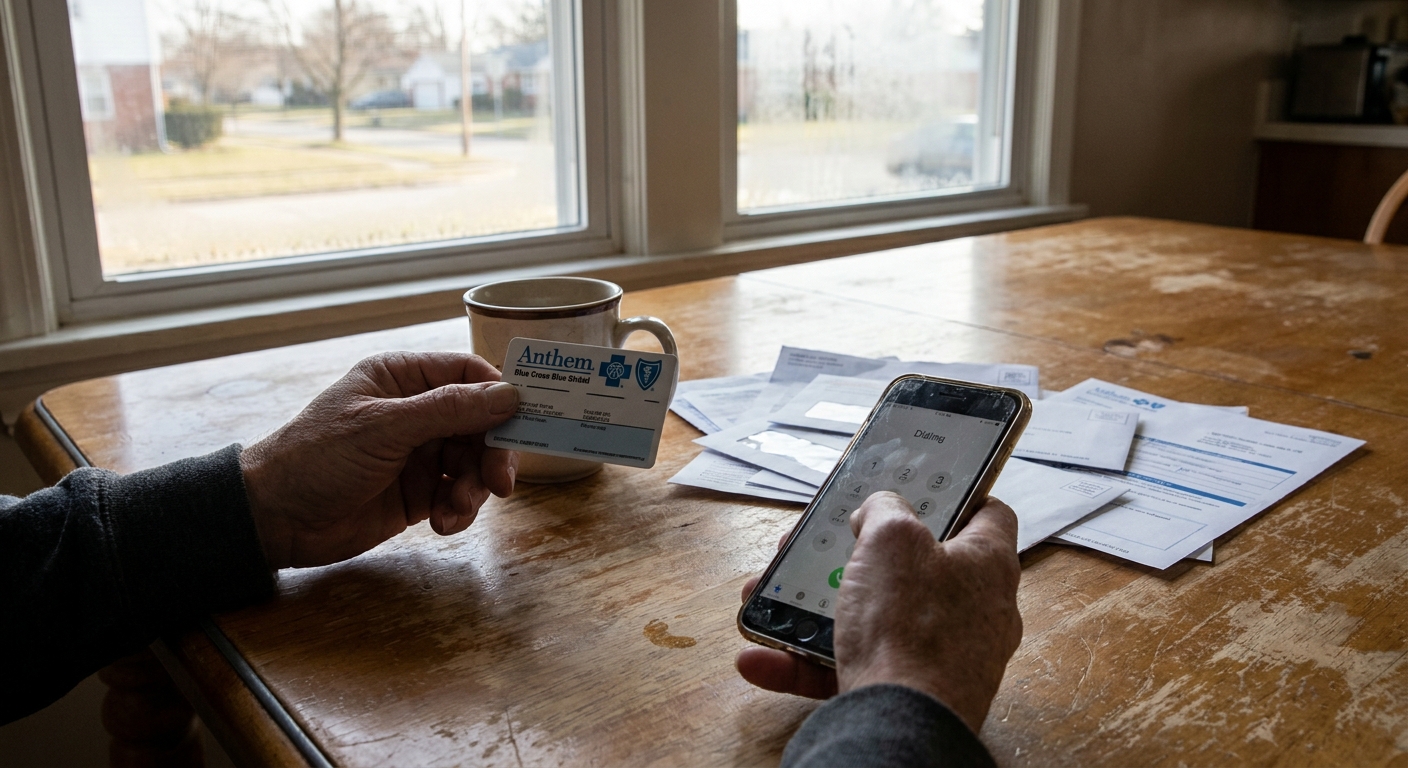
Online provider directories from insurers are useful for orientation, but they are frequently outdated. A physician listed as accepting new patients online may have closed their panel weeks ago. The faster path: call the member services number printed on your insurance card and ask one specific question: “Do you have in-network providers in Lucas County who currently prescribe buprenorphine for opioid use disorder?” That phrasing produces a more accurate answer than asking for a general addiction medicine list.
This applies whether you carry Aetna, Anthem BCBS, Cigna, Optum, Tricare, or any of the Ohio Medicaid managed-care plans. Each plan has a different network configuration, and confirming active in-network status by phone before scheduling prevents a surprise out-of-network bill.
Telehealth suboxone providers serving toledo
A 2023 study published in JAMA Psychiatry analyzed 6,500 patients receiving buprenorphine treatment across telehealth and in-person settings. Retention rates at 12 months were statistically equivalent between the two groups, and telehealth patients reported fewer missed doses, likely due to reduced transportation barriers.
Ohio allows telehealth initiation of buprenorphine following DEA and SAMHSA telemedicine flexibilities that were extended after the public health emergency period. For patients in parts of Lucas County where in-person clinic access is limited, telehealth expands the actual footprint of available providers. Before scheduling with a telehealth provider, confirm with your insurer whether your specific plan covers telehealth MAT services. Coverage varies by plan even within the same insurer family.
What to expect at your first suboxone appointment
A legitimate first appointment follows a defined clinical process. The provider runs an Ohio PDMP (Prescription Drug Monitoring Program) check to review your prescription history. They complete an OUD diagnostic assessment using DSM-5 criteria. They discuss induction timing with you, including the standard guidance on waiting until you are in mild-to-moderate withdrawal before the first dose to avoid precipitated withdrawal. And they produce a documented treatment plan.
A provider who writes a prescription without a formal assessment or PDMP review is not following the clinical standard. That gap matters both for your safety and as a signal about the quality of ongoing care you can expect.
Arrive with a complete list of current medications and your insurance card. Incomplete medication information is the most common reason first prescriptions are delayed at intake.
Questions to ask before you commit to a provider
Before you book an appointment, one conversation with the intake coordinator tells you most of what you need to know. Ask whether the practice combines medication with behavioral health support. A 2021 meta-analysis published in Drug and Alcohol Dependence reviewed 37 studies covering 11,000 patients and found that combined MAT plus behavioral therapy produced significantly higher long-term abstinence rates than medication alone. Integrated care is not an add-on. It is what produces durable outcomes.
Also ask about the practice’s policy on positive drug screens and missed doses. A policy of immediate discharge for a positive screen is inconsistent with evidence-based practice and signals a punitive rather than clinical approach. Ask whether the practice coordinates with mental health providers for co-occurring conditions like depression or anxiety. Many people seeking OUD treatment carry a dual diagnosis, and a prescriber who treats the opioid use in isolation is not treating the whole picture.
How ohio medicaid and commercial insurance cover suboxone treatment
Under Ohio’s 2023 parity enforcement guidance, all Ohio Medicaid managed-care plans, including CareSource, Buckeye, Molina, Anthem, Aetna, AmeriHealth Caritas, and Humana, are required to cover buprenorphine without prior authorization. This aligns with CMS requirements under the ACA’s mental health parity provisions, which prohibit placing more restrictive coverage requirements on substance use disorder treatment than on comparable medical or surgical services.
For commercial plans and Tricare, prior authorization for Suboxone is common. If a prior authorization request is denied, you have the right to request a peer-to-peer review, which allows your prescribing physician to speak directly with the insurer’s medical reviewer. Peer-to-peer reviews overturn initial denials at a meaningful rate across all major plan types.
Before your first appointment, ask the provider’s billing office to confirm your specific plan’s coverage tier and any expected copay. That conversation prevents billing surprises and ensures the intake process moves quickly.
Frequently asked questions
Can I start suboxone treatment on the same day I call a toledo provider?
Same-day initiation is possible, particularly through telehealth providers and some FQHCs, but it depends on appointment availability and whether you can complete a PDMP check and intake assessment in the same visit. Call ahead and ask specifically about same-day availability rather than assuming the standard timeline.
Do I need a referral from my primary care doctor to see a suboxone prescriber in toledo?
Most addiction medicine providers and FQHCs accept self-referrals. You do not need a referral from a primary care physician to begin MAT. Calling the provider directly or using the SAMHSA locator is sufficient to initiate the process.
What happens if I test positive for other substances during suboxone treatment?
Evidence-based practice treats a positive drug screen as clinical information, not a discharge trigger. A positive screen should prompt a conversation about treatment plan adjustment, not automatic termination of care. If a provider’s policy is to discharge patients based on a single positive screen, that is a signal to look for a different provider.
Is suboxone treatment the same as going to a methadone clinic?
No. Methadone for OUD is dispensed daily through federally certified opioid treatment programs (OTPs) where patients come in person. Buprenorphine, including Suboxone, is prescribed by qualified physicians and filled at a standard pharmacy. The clinical profiles of the two medications differ, and the treatment setting and structure are different. For patients who cannot commit to daily clinic visits, buprenorphine is often the more accessible option.
What to try this week
Go to findtreatment.gov, enter Toledo, Ohio, and filter for buprenorphine treatment. Call the first three results that accept your insurance and ask about current availability for new patients. That single action, completed today, is the move that puts you in front of a prescriber within the next seven days. If you are also weighing options in Northeast Ohio, understanding what treatment in the Youngstown area looks like is worth doing in parallel.