Picking a suboxone clinic in Lucas County, Ohio is one of the most consequential decisions you’ll make in early recovery, and the wrong choice costs more than time.
What suboxone actually does , and why clinic choice matters
A 2020 New England Journal of Medicine analysis of over 40,000 opioid use disorder patients found that those who received buprenorphine treatment were 38% less likely to experience a fatal overdose compared to those who received no medication. That number only holds when patients stay in treatment long enough for the medication to stabilize their lives. Retention is everything, and the clinic you choose directly shapes whether you stay.
Here’s how the medication works in plain language: Suboxone combines buprenorphine and naloxone. Buprenorphine is a partial opioid agonist, meaning it activates the same brain receptors that opioids target, but only partially. It eliminates withdrawal symptoms and reduces cravings without producing the euphoria that drives compulsive use. The naloxone component discourages misuse. The result is neurological stability, which is the foundation every other part of recovery is built on.
The practical takeaway is this: confirm that any clinic you’re evaluating starts medication on day one. Not after a week of assessments. Not after a waiting period. Day one. Clinics that make you wait for your first dose dramatically increase your odds of not showing up for your second appointment.
What qualifies a legitimate suboxone clinic in ohio
Not every clinic advertising buprenorphine treatment operates under the same regulatory standards, and that gap matters for your safety.
In Ohio, legitimate Suboxone providers must hold a valid DEA registration with a buprenorphine prescribing designation, and prescribers must be licensed by the Ohio Medical Board. Since the Consolidated Appropriations Act of 2023 eliminated the formal DATA-waiver requirement, any DEA-registered practitioner with Schedule III prescribing authority can prescribe buprenorphine for opioid use disorder. What this means practically is that you’re verifying DEA registration status and Ohio licensure, not looking for a specific waiver number. SAMHSA’s treatment locator at findtreatment.gov pulls verified providers from its national database and lets you filter by county and medication type. In Lucas County specifically, the ADAMHS Board of Lucas County also maintains oversight of publicly funded treatment programs and can direct you to vetted local options.
Before scheduling your first appointment anywhere, take two minutes and look up the clinic on the SAMHSA treatment locator. If the provider doesn’t appear, ask them directly why.
Key factors to evaluate before you commit
A 2022 JAMA study examining 12-month retention rates across outpatient opioid use disorder programs identified five treatment components that consistently predicted whether patients stayed in care: rapid access to medication, integrated behavioral health, insurance acceptance without coverage gaps, flexible appointment modalities, and prescriber responsiveness to individual dosing needs. No single clinic checks every box perfectly, but the first three are non-negotiable. The following criteria are where to focus your evaluation.
Same-day or next-day access
A landmark 2015 study by Dr. D’Onofrio and colleagues, published in JAMA, compared three treatment models for emergency department patients with opioid use disorder. The group that received buprenorphine on the same day they sought help was twice as likely to be engaged in treatment 30 days later compared to those who received a referral and no medication. The mechanism is straightforward: the window between deciding to get help and receiving a first dose is extremely fragile, and delay is attrition.
When you call a clinic, ask directly: “How soon can I be seen, and when does medication start?” If the answer is two or more weeks for either question, keep calling. Same-day access is achievable in Lucas County, and you should accept nothing less.
Integrated mental health services
According to NIDA’s 2023 data, approximately 50% of people with opioid use disorder have at least one co-occurring mental health condition, most commonly depression, anxiety, or PTSD. Treating opioid use disorder without addressing the underlying mental health condition produces weaker outcomes and higher relapse rates. The distinction between integrated care and referral-only models is meaningful: when therapy and psychiatric care happen in the same building under the same treatment plan, providers share information, coordinate medication decisions, and catch problems early.
Medication-assisted treatment done well is never a standalone service. It’s one clinical tool inside an individualized plan that accounts for the whole person, including mental health, trauma history, and social circumstances. When you speak with intake, ask directly whether therapy and psychiatric services are delivered on-site or whether you’ll be referred out.
Insurance and medicaid acceptance
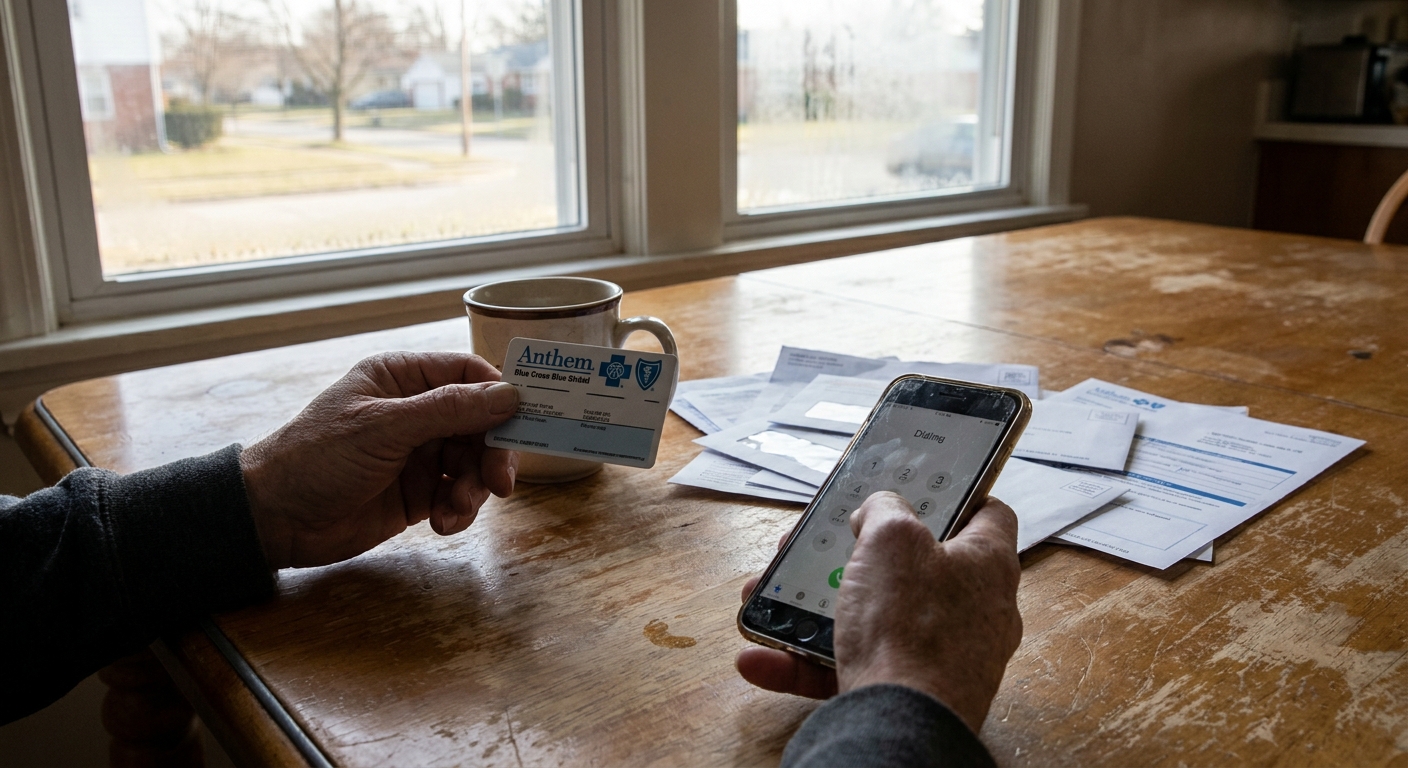
Cost is the most commonly cited barrier to addiction treatment, according to a 2023 KFF analysis of treatment access data across Medicaid-expansion states. Ohio expanded Medicaid, which means the state’s managed-care plans cover buprenorphine treatment, including CareSource, Buckeye, Molina, Anthem, Aetna, AmeriHealth Caritas, and Humana. Commercial plans common in this region, including Aetna, Anthem BCBS, Cigna, and Optum, also cover MAT under mental health parity laws. Tricare covers buprenorphine treatment for eligible service members and dependents.
Before your first appointment, call your plan’s member services number and ask two questions: Is this clinic in-network? Is buprenorphine treatment covered under my benefits? One call prevents a surprise bill that derails treatment before it starts.
Telehealth availability
Post-pandemic DEA and SAMHSA flexibilities made it legal to prescribe buprenorphine via telehealth without a prior in-person visit, and those flexibilities have been extended through 2025. A 2022 JAMA Psychiatry study of 5,600 patients in rural and suburban settings found that telehealth-delivered buprenorphine treatment produced retention rates comparable to in-person care at six and twelve months. In Lucas County, where transportation and hourly employment are real constraints, telehealth follow-up appointments mean you don’t have to choose between your job and your treatment. Ask whether telehealth is available after the initial visit.
What to expect from the lucas county treatment landscape
Lucas County sits in the heart of Ohio’s Northwest region, an area that has felt the opioid crisis acutely. The Ohio Department of Health’s 2023 overdose report documented more than 5,000 unintentional drug overdose deaths statewide, with synthetic opioids accounting for the overwhelming majority. Lucas County has historically ranked among Ohio’s harder-hit urban counties.
The local treatment landscape includes community health centers with integrated behavioral health services, hospital-affiliated outpatient programs, and private outpatient practices. Community health centers typically accept the broadest range of insurance, including Medicaid managed-care plans, and often offer sliding-scale fees. Hospital-affiliated programs carry strong clinical oversight and access to psychiatric services. Private practices vary considerably in wait times, payer acceptance, and whether therapy is built into the model or handled by referral.
The ADAMHS Board of Lucas County maintains a local provider directory that serves as a reliable starting point. Use it to build a short list before making calls. If you’re also evaluating options further east, understanding what treatment looks like in nearby markets can help you compare what’s available locally against regional alternatives.
Mistakes that derail the search for a suboxone clinic
A 2021 analysis published in Substance Abuse identified early dropout from outpatient buprenorphine programs as one of the strongest predictors of overdose within 90 days of treatment initiation. Poor clinic fit was a contributing factor in a significant share of early exits.
The first mistake is choosing a clinic based on proximity without verifying prescriber credentials. A close address means nothing if the provider isn’t properly licensed. Verify on SAMHSA’s locator first, then consider location. The second mistake is accepting a long waitlist without asking about bridge options. Many clinics can provide a bridge prescription or connect you with an urgent-access program while you wait for a full intake slot. If a clinic offers a two-week wait and nothing in between, ask specifically about bridge care. The third mistake is skipping insurance verification before the first appointment. A coverage denial mid-treatment, especially one that interrupts your medication supply, is a serious clinical risk. One call to your plan’s member services line before your first visit prevents that entirely.
Questions to ask before your first appointment
A 2023 Health Affairs study of 3,200 patients in outpatient substance use treatment found that patients who arrived at their intake appointment with specific, prepared questions were 31% more likely to remain in treatment at 90 days. Preparation signals engagement, and engagement predicts retention.
Ask the following before you commit to a clinic. What does your induction process look like on day one? The answer tells you whether medication starts immediately or after a prolonged assessment period. Do you adjust doses based on how I’m responding? Fixed-dose programs that don’t titrate to the individual produce worse outcomes. What happens if I relapse? A clinic that discharges patients for relapse is not operating according to current clinical standards; relapse is a medical event, not a conduct violation. Do you have a therapist or counselor on staff, or will I be referred out for mental health care? And finally: which insurance plans do you accept, and will you verify my coverage before my first appointment?
If you’re also exploring how to locate credentialed prescribers specifically in the Toledo area, that research can run parallel to your clinic evaluation without slowing either process down.
Frequently asked questions
How long does suboxone treatment last in lucas county programs?
Treatment duration varies by individual, and any clinic that gives you a fixed endpoint before your first appointment should be approached with caution. Evidence-based guidelines from SAMHSA support long-term maintenance for many patients, with duration determined by clinical response and individual circumstances rather than a preset calendar.
Do I need a referral from my doctor to get into a suboxone clinic in lucas county?
No. Most outpatient buprenorphine programs in Lucas County accept self-referrals. You can call directly, describe your situation to the intake coordinator, and schedule an appointment without a primary care referral.
Will my lucas county medicaid plan cover suboxone treatment?
Ohio Medicaid managed-care plans, including CareSource, Buckeye, Molina, Anthem, Aetna, AmeriHealth Caritas, and Humana, are required to cover buprenorphine treatment for opioid use disorder. Call your plan’s member services number to confirm the specific clinic is in-network before your first appointment.
What is the difference between a suboxone clinic and a methadone clinic?
Both treat opioid use disorder with medication, but the delivery model differs significantly. Methadone for opioid use disorder must be dispensed daily at a federally certified opioid treatment program. Suboxone (buprenorphine/naloxone) can be prescribed by a qualified outpatient provider and picked up at a pharmacy, which allows for far more scheduling flexibility.
Can I start suboxone if i’m still using opioids?
Yes, with timing. Buprenorphine induction requires that you be in mild to moderate withdrawal before the first dose to avoid precipitated withdrawal. Your prescriber will walk you through the timing protocol during intake. Do not attempt to self-manage induction without medical guidance.
What to try this week
Go to findtreatment.gov, filter to Lucas County, Ohio, and select buprenorphine as the medication type. Call the top two results today and ask three questions: Can I be seen within 48 hours? Do you accept my insurance? Are telehealth follow-ups available? That call takes ten minutes and surfaces deal-breakers fast. Everything else can follow.