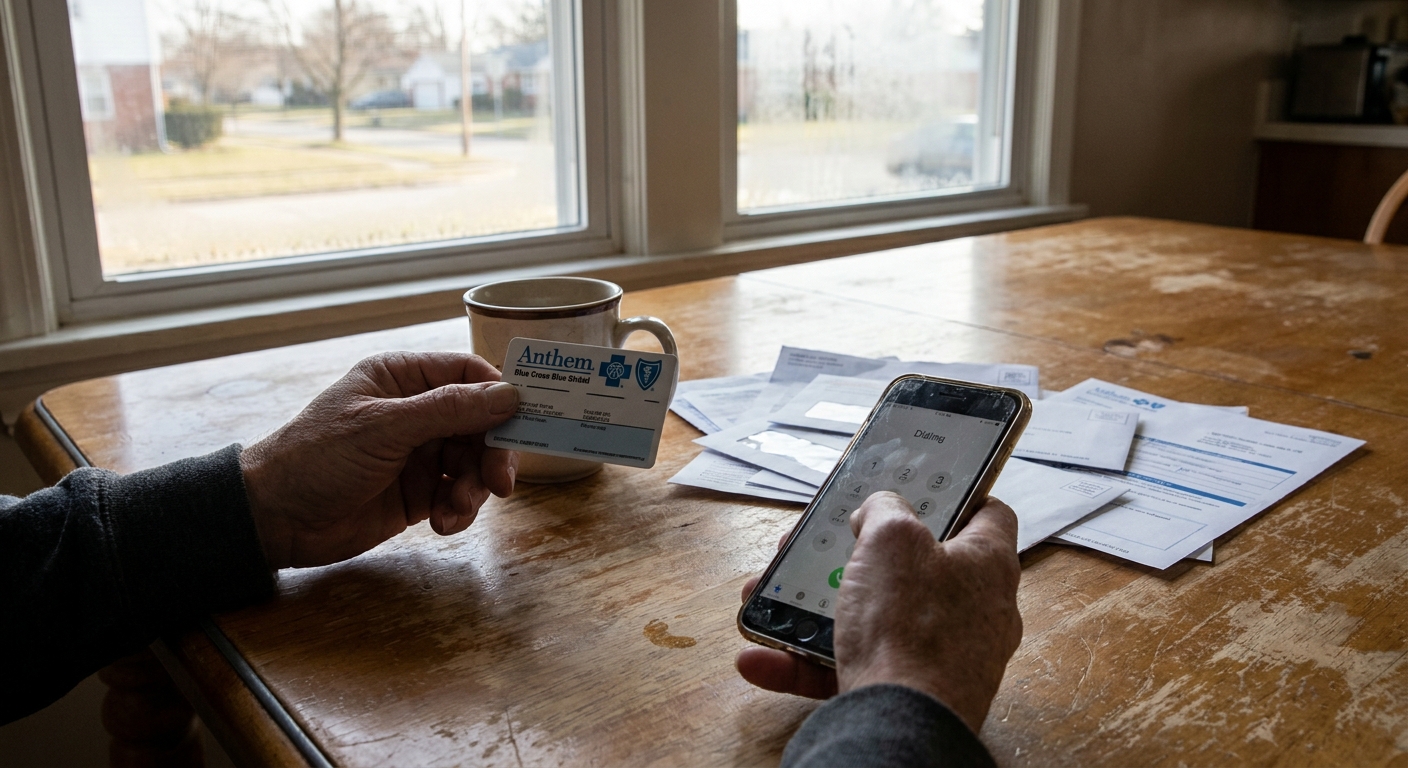

There are moments parents never forget.
The first steps. The first day of school. Graduation.
And then there are the moments you wish you could erase.
The moment you realize your child may be using again.
Maybe your 20-year-old has been sleeping more. Maybe they stopped answering calls. Maybe money has started disappearing. Maybe you found something in their room that confirmed the fear you’ve been carrying for weeks.
Or maybe they told you themselves.
As a clinician, I’ve sat with many parents during these conversations. Most aren’t asking complicated medical questions at first.
They’re asking simpler ones.
“What happens now?”
“What will the next few days look like?”
“Can they get through this?”
Those questions become especially urgent when fentanyl is involved.
Many families begin searching online late at night, trying to understand what happens during the first several days after someone stops using. They may simultaneously begin researching medical detox support because they want answers before making any decisions.
If that’s where you are right now, I want you to know something important:
You do not need to become an addiction expert overnight.
You simply need enough information to take the next step.
The first 96 hours can be challenging. They can also be the beginning of something hopeful.
Why Do Parents Become So Focused on the First Four Days?
Because the unknown feels frightening.
Many parents tell me they can handle difficult news.
What they struggle with is uncertainty.
Not knowing what symptoms might appear.
Not knowing whether their child will change their mind.
Not knowing whether things will get worse before they get better.
The first several days often feel like standing outside during a storm.
You keep looking at the sky, wondering when it will pass.
Understanding what commonly happens can reduce some of the fear.
Not because it makes the experience easy.
Because it makes the experience less mysterious.
What Might Happen During the First 24 Hours?
For many individuals, the first day is marked by anticipation.
The body is beginning to adjust.
The mind is often racing.
Parents frequently notice signs such as:
- Restlessness
- Anxiety
- Difficulty sleeping
- Sweating
- Mood changes
- Muscle aches
- Cravings
One thing that surprises many families is how emotional this stage can become.
A young adult may go from determined and motivated to frustrated and doubtful within the same afternoon.
Parents often assume these changes mean their child isn’t serious about recovery.
That isn’t necessarily true.
Withdrawal can amplify emotions dramatically.
Someone may genuinely want help while simultaneously feeling overwhelmed by the process.
Those two realities can exist together.
Why Does Day Two Often Feel More Intense?
For many people, symptoms become more noticeable during this period.
Physical discomfort can increase.
Energy levels may drop.
The emotional weight of the situation may start feeling more real.
Parents commonly report seeing:
- Increased body aches
- Chills
- Nausea
- Stomach issues
- Irritability
- Fatigue
- Strong cravings
This is often the point when parents become frightened.
The person they love looks uncomfortable.
Sometimes they look miserable.
Sometimes they begin questioning whether they want to continue.
As difficult as this stage can be, it is also important to remember that discomfort does not automatically mean danger.
Many families find reassurance through professional support because trained medical teams can monitor symptoms and respond appropriately when concerns arise.
For families seeking support in locations, having experienced professionals involved often helps reduce anxiety for both parents and young adults.
Is Day Three Really the Most Difficult?
Many parents ask this question.
The honest answer is that every experience is different.
However, many individuals report that symptoms feel particularly challenging around this point.
The body is continuing to adapt.
Sleep may still be disrupted.
Energy reserves may feel depleted.
Emotions may seem larger than life.
I’ve heard patients describe this stage as feeling trapped inside a body that suddenly forgot how to relax.
For parents, day three often brings emotional exhaustion.
You’ve been worried for days.
You’ve been watching closely.
You’ve probably been sleeping less too.
This is frequently when fear starts whispering questions:
“What if they can’t do this?”
“What if they leave?”
“What if we’re right back where we started?”
These thoughts are understandable.
But they are not predictions.
They are fears.
And fears often sound much more certain than they actually are.
What Changes by Day Four?
Day four is often important because it introduces something many families desperately need:
Evidence.
Evidence that progress is possible.
Not everyone feels dramatically better.
Not everyone wakes up energized and optimistic.
But many individuals begin noticing small improvements.
Perhaps they sleep a little longer.
Perhaps their thoughts feel slightly clearer.
Perhaps they eat a little more.
Perhaps they experience a brief moment of relief.
These improvements may seem insignificant.
They aren’t.
Recovery rarely arrives like fireworks.
It usually arrives like sunrise.
Slowly.
Quietly.
Almost invisibly.
Then one day you look around and realize things are brighter than they were before.

Why Doesn’t Everyone Have the Same Experience?
Parents often compare what they’re seeing to stories they’ve read online.
That’s understandable.
It’s also one reason internet searches can become overwhelming.
The reality is that no two recovery experiences are identical.
Factors that can influence the experience include:
- Duration of substance use
- Amount used
- Overall health
- Age
- Mental health concerns
- Previous withdrawal experiences
- Use of other substances
This is why discussions about a fentanyl withdrawal timeline often produce different answers.
People are different.
Their bodies are different.
Their histories are different.
The goal is not to match someone else’s experience.
The goal is helping your child safely navigate their own.
What Are Parents Usually Feeling During These Four Days?
Many parents focus entirely on their child.
That’s understandable.
But parents are going through something too.
I’ve worked with mothers and fathers who described feeling:
- Guilty
- Angry
- Heartbroken
- Exhausted
- Hopeful
- Terrified
Sometimes all within the same hour.
You may find yourself replaying old conversations.
You may wonder if you missed warning signs.
You may question decisions you’ve made.
Those feelings are common.
But addiction is not created by a single parenting mistake.
And recovery is not dependent on becoming a perfect parent.
Your role is not to fix everything.
Your role is to support healthy next steps.
What Should Parents Actually Do During These First Days?
Many parents believe they need the perfect strategy.
Most don’t.
Simple often works best.
Listen more than you lecture.
Stay calm when possible.
Avoid turning every conversation into an argument about the future.
Focus on immediate needs.
Encourage professional support.
Most importantly, remember that your child’s discomfort does not mean recovery is failing.
Growth is often uncomfortable.
Healing is often messy.
Progress and struggle frequently exist at the same time.
When Is Professional Support Worth Considering?
This is one of the most important questions families ask.
If fentanyl use is involved, professional evaluation is often worth serious consideration.
Medical supervision can provide monitoring, symptom management, emotional support, and a safer environment during a period that can feel overwhelming.
Families exploring treatment options or seeking care in Youngstown often discover that simply speaking with a professional helps clarify next steps and reduce uncertainty.
You do not need to wait until things become catastrophic before asking questions.
In fact, earlier support is often easier than crisis management.
What Parents Need to Hear Most
If your child is using again, you may feel like you’ve failed.
You haven’t.
If you’re exhausted, you’re not weak.
If you’re scared, you’re not overreacting.
If you’re hopeful and skeptical at the same time, you’re normal.
Loving someone with a substance use disorder often feels like carrying two opposing truths at once.
You want to believe things can improve.
You’re afraid to believe it too strongly.
That tension is understandable.
But recovery happens every day.
Families heal every day.
Young adults find their way back every day.
The next four days may be difficult.
They may also become the beginning of a very different chapter.
Frequently Asked Questions
How soon can withdrawal symptoms begin?
The timing varies. Symptoms often begin after fentanyl starts leaving the body, but every person’s experience is different.
Is fentanyl withdrawal life-threatening?
Withdrawal can be extremely uncomfortable and should be professionally evaluated. Medical professionals can help determine the safest course of action based on individual circumstances.
Why is my child so emotional during withdrawal?
Withdrawal affects both physical and emotional functioning. Mood swings, irritability, anxiety, and frustration are common during the early stages.
Should I let my child stay home during withdrawal?
Every situation is unique. Speaking with a medical professional can help determine whether additional monitoring or support may be beneficial.
What if my child wants to quit treatment?
Ambivalence is common. Many people question their decision at some point during early recovery. A difficult day does not necessarily predict the outcome.
How long does it take before someone starts feeling better?
Improvement happens gradually and varies by individual. Many people begin noticing small positive changes within the first several days, though recovery continues beyond that point.
Why are cravings so strong?
The brain is adjusting to the absence of a substance it has become accustomed to. Cravings are a common part of the process and can fluctuate over time.
Can someone recover after multiple relapses?
Yes. Many individuals who achieve long-term recovery have experienced setbacks along the way. Relapse does not eliminate the possibility of future success.
What should I say to my child right now?
Simple support is often more helpful than perfect advice. Let them know you care, you’re willing to listen, and you’re committed to helping them find appropriate support.
When should I call for professional help?
If you’re concerned about fentanyl use, withdrawal symptoms, or your child’s safety, reaching out for a professional assessment can help clarify the best next steps.
You Do Not Have to Navigate This Alone
The first 96 hours can feel overwhelming.
Every hour may seem longer than the last.
You may find yourself watching for signs, searching for answers, and wondering whether you’re doing enough.
You do not have to carry that burden alone.
Call (833) 657-0858 or visit our medical detox program services to learn more about our medical detox program services Cincinnati, Ohio.