Finding the right rehab in Austintown, Ohio starts with one decision that most people skip: identifying what level of care you actually need before searching by location.
Why location matters less than you think , and what actually predicts success
A 2019 SAMHSA report analyzing treatment outcomes across 50,000 admissions found that treatment matching , aligning program type and intensity to the individual’s clinical profile , was the strongest predictor of successful recovery, outweighing proximity, cost, and amenities. The closest program is not automatically the right program.
What this means in practice: before you search by zip code, identify your primary clinical need. Do you need supervised medical detox? A residential stay away from your environment? Outpatient treatment you can attend while keeping work or family commitments? A program equipped to treat a co-occurring mental health condition alongside addiction? Answering that question first narrows the field to programs that can actually help, rather than programs that are simply nearby.
The types of rehab programs available near austintown
The continuum of addiction care runs from 24-hour medical detox through residential treatment, partial hospitalization (PHP), intensive outpatient (IOP), and standard outpatient. A 2020 study published in the Journal of Substance Abuse Treatment found that patients placed at mismatched levels of care, specifically those placed in lower-intensity programs than their clinical severity warranted, had relapse rates 40% higher than those correctly matched at intake.
The takeaway is direct: match the program level to the severity of use and the presence of any co-occurring mental health diagnosis, not to your schedule.
Medical detox: the starting point for physical dependence
Medical detox is not optional when physical dependence on alcohol, benzodiazepines, or opioids is present. Alcohol and benzodiazepine withdrawal carry genuine mortality risk: according to the New England Journal of Medicine, severe alcohol withdrawal progresses to life-threatening seizures or delirium tremens in roughly 5% of untreated cases. Opioid withdrawal, while rarely fatal in healthy adults, produces severe symptoms that drive early dropout without medical management.
If physical dependence is present, confirm before enrolling that the program either provides supervised medical detox on-site or has a formal arrangement to transfer you to a medical detox facility first.
Inpatient vs. outpatient: matching intensity to need
The American Society of Addiction Medicine (ASAM) Patient Placement Criteria provide the clinical standard for matching patients to levels of care across six dimensions, including withdrawal potential, co-occurring conditions, and living environment stability. Residential and inpatient programs (ASAM Levels 3.1 through 3.7) provide 24-hour structure, which matters most when the home environment is actively destabilizing recovery. PHP and IOP (ASAM Levels 2.5 and 2.1) deliver structured clinical programming while allowing the patient to sleep at home or in a sober living environment.
When calling any program, ask directly which ASAM level of care they provide. A program that cannot answer that question clearly is worth scrutinizing.
How to evaluate a rehab program in the austintown area
NIDA’s Principles of Effective Treatment, updated in 2018, identifies evidence-based modalities , cognitive behavioral therapy (CBT), medication-assisted treatment (MAT), and contingency management , as the core of effective addiction programs. A 2021 study in the Journal of Consulting and Clinical Psychology found that programs incorporating at least two of these modalities produced 12-month abstinence rates roughly double those of non-evidence-based program models.
When you contact programs, ask specifically which evidence-based modalities they use and whether MAT is available. For anyone navigating options across Mahoning County, that question alone filters out programs unlikely to meet clinical standards.
Questions to ask before you enroll
Accreditation from CARF or The Joint Commission signals that a program meets independently verified quality standards. Staff credentials matter too: ask whether clinicians hold LCDC or LISW licensure and whether a medical director oversees detox and MAT protocols. Ask about family involvement , programs that include family in the treatment process produce better long-term outcomes, according to a 2019 review in Drug and Alcohol Dependence. Ask whether aftercare planning begins at intake, not at discharge. A 2022 SAMHSA analysis found that patients whose aftercare plans were developed during treatment, rather than in the final days before discharge, had 28% higher rates of continued engagement at six months.
Finally, ask whether the program treats co-occurring mental health conditions on-site. Treat any program that deflects these questions or gives vague answers as a warning sign.
Understanding insurance and payment options in ohio
Ohio Medicaid managed-care plans , including CareSource, Buckeye Health Plan, Molina Healthcare, Anthem, Aetna Better Health, AmeriHealth Caritas, and Humana , are required to cover substance use disorder treatment under state parity law. Commercial plans from Aetna, Anthem BCBS, Cigna, Optum, and Tricare carry similar federal obligations under the Mental Health Parity and Addiction Equity Act (MHPAEA). Despite those legal protections, a 2023 CMS report found that insurers denied behavioral health claims at rates 5.5 times higher than medical/surgical claims, making verification essential before admission.
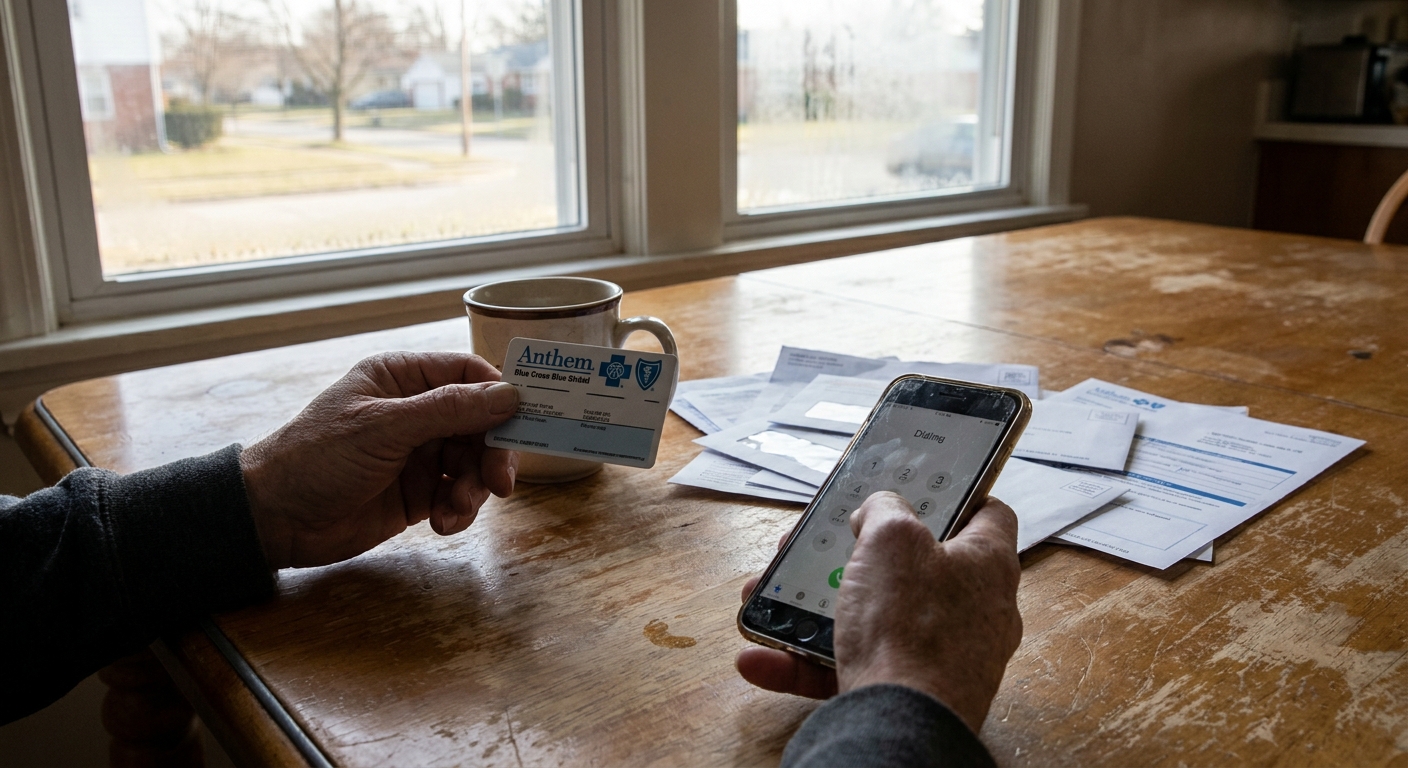
Before calling any treatment program, call the member services number on your insurance card and ask specifically whether the facility is in-network for substance use disorder treatment at the level of care you need.
Co-occurring mental health conditions: why dual diagnosis capability is non-negotiable
SAMHSA’s 2022 National Survey on Drug Use and Health found that approximately 50% of people seeking addiction treatment have at least one co-occurring mental health condition, most commonly anxiety disorders, depression, or PTSD. Treating addiction without addressing the underlying condition produces worse outcomes because the untreated disorder drives continued use as self-medication.
Ask every program you contact: “Do you treat co-occurring mental health conditions on-site, or do you refer out?” Enroll only in a program that treats both under the same roof. For broader context on what full-continuum care looks like across Ohio, reviewing how programs are structured in nearby Toledo gives a useful comparison point.
Common mistakes people make when choosing a rehab program
Choosing based on proximity alone is the most common and consequential error. A second mistake is skipping medically supervised detox when physical dependence is present, often because the person underestimates withdrawal severity or wants to move quickly to counseling. A third is choosing a program based on amenities , private rooms, scenic settings, holistic offerings , rather than its clinical model and staff credentials. Amenities do not predict outcomes; evidence-based treatment does.
Leaving treatment early is the fourth and most damaging mistake. A 2018 Cochrane Review of 27 studies found a clear dose-response relationship between treatment duration and 12-month outcomes. Programs that last 90 days or longer produce substantially better results than shorter episodes. Commit to completing the recommended program length before you enroll, not partway through.
For those also evaluating options in the broader Toledo area, the same criteria apply regardless of geography.
What to try this week
Call the member services number on your insurance card today. Confirm your substance use disorder benefits and ask for a list of in-network providers at the level of care you identified. Then contact one accredited program in the Austintown or Mahoning County area and ask the credential, modality, and dual diagnosis questions from this guide. That single call, done with the right questions ready, is the most productive move you can make in the next 48 hours.
Frequently asked questions
What is the difference between inpatient and outpatient rehab in austintown?
Inpatient or residential rehab provides 24-hour structured care at a facility, removing you from your home environment entirely. Outpatient rehab , including PHP and IOP , delivers clinical programming for several hours per day while you return home or to sober living each night. The right choice depends on the severity of your substance use, your home environment, and whether co-occurring mental health conditions require closer monitoring.
Does ohio medicaid cover rehab in the austintown area?
Yes. All Ohio Medicaid managed-care plans, including CareSource, Buckeye, Molina, Anthem, Aetna Better Health, AmeriHealth Caritas, and Humana, are required to cover substance use disorder treatment. Call the member services number on your Medicaid card and ask specifically which facilities are in-network for the level of care you need before enrolling.
How do I know if I need medical detox before starting rehab?
Medical detox is necessary when physical dependence on alcohol, benzodiazepines, or opioids is present. Signs of physical dependence include experiencing withdrawal symptoms (shaking, sweating, nausea, anxiety) when you stop or reduce use. Because alcohol and benzodiazepine withdrawal carry serious medical risks, confirm that any program you consider either provides supervised detox on-site or arranges it before admission.
What questions should I ask when calling a rehab program?
Ask whether the program is CARF or Joint Commission accredited, which evidence-based modalities they use (CBT, MAT, contingency management), whether they treat co-occurring mental health conditions on-site, what their staff credentials are, how family involvement works, and whether aftercare planning begins at intake. Any program that cannot answer these questions directly warrants caution.
How long does rehab typically last?
Research consistently shows that longer treatment duration produces better outcomes. A 90-day program produces substantially better 12-month results than 28- or 30-day programs. The appropriate length depends on the severity of use and co-occurring conditions, but committing to the full recommended duration before enrollment, rather than reassessing midway through, is the most evidence-supported approach.