Finding the right level of care after a crisis, or after realizing that outpatient therapy alone isn’t enough, is one of the most consequential decisions a person makes in early recovery. A partial hospitalization program in Austintown, Ohio gives you the clinical intensity of a structured treatment day without requiring an overnight stay, and understanding exactly what that means, who it’s right for, and how to evaluate your options will make the difference between a treatment episode that sticks and one that doesn’t.
What a partial hospitalization program actually is
A partial hospitalization program (PHP) delivers five to six hours of clinical programming per day, five days a week. You arrive in the morning, participate in individual therapy, group therapy, medication management, and skills-based groups, then return home in the evening. That’s the defining feature: the intensity of inpatient-level programming without the overnight component.
This is not standard outpatient care. A typical outpatient schedule runs one to three hours per week. PHP runs five to six hours per day. The gap between those two things is enormous, and it matters clinically. According to SAMHSA’s 2022 National Survey on Drug Use and Health, adults with co-occurring substance use and mental health disorders show significantly better outcomes at higher levels of structured care, particularly when treatment addresses both conditions simultaneously rather than sequentially. PHP is built exactly for that population.
It’s also not a compromise between residential and outpatient. It’s a distinct, evidence-based level of care in its own right, designed for people who are medically stable but still need daily clinical contact to stay safe.
How PHP fits into the continuum of care
The American Society of Addiction Medicine (ASAM) organizes addiction treatment into a continuum: medical detox, residential treatment, partial hospitalization, intensive outpatient (IOP), and standard outpatient. Each level exists because clinical need isn’t uniform. Some people require 24-hour supervision. Others need daily programming but can safely sleep at home. That distinction is what PHP addresses.
PHP typically functions as a step-down from residential care, once someone is medically stable but not yet ready to manage daily life with minimal support, or as a step-up from IOP when symptoms intensify and a lower level of care isn’t holding. According to ASAM’s 2023 clinical practice guidelines, placement decisions should be driven by a standardized multidimensional assessment across six domains, including intoxication and withdrawal potential, medical conditions, emotional and behavioral conditions, readiness to change, relapse potential, and recovery environment. When a clinician recommends PHP after that assessment, the placement decision is evidence-based, not arbitrary. If you want a broader look at how the PHP level of care is defined and structured, that context helps you ask better questions during any intake conversation.
Who PHP is the right level of care for
The clinical profile for PHP is specific. You’re medically stable, meaning you’ve completed detox if needed and don’t require 24-hour nursing supervision. But you’re still at significant risk: of relapse, of psychiatric decompensation, of returning to the same environment that drove the crisis in the first place. You need more than a weekly therapy appointment, but you don’t need someone watching you sleep.
PHP is built for people with substance use disorders, co-occurring mental health conditions, or both. According to NIDA’s 2021 research on comorbidity, more than half of people with a substance use disorder also have a diagnosable mental health condition. In Ohio, that overlap is reflected in treatment demand: the Ohio Department of Mental Health and Addiction Services (OhioMHAS) reported in 2023 that dual-diagnosis cases represent the majority of individuals entering publicly funded treatment programs in Mahoning County and surrounding areas. PHP’s structure, with both psychiatric and addiction-focused clinical components running concurrently, is designed for exactly that population.
The practical bridge here is straightforward: if you or someone you know has tried outpatient care and relapsed, or is stepping down from inpatient or residential treatment, PHP is the clinically indicated next level, not a fallback.
Signs that PHP is the right choice over IOP
IOP typically runs nine to twelve hours per week. PHP runs twenty-five to thirty. That difference isn’t just scheduling, it reflects clinical need. PHP is appropriate when someone cannot safely manage triggers without daily clinical contact, when daytime programming is structurally accessible (work or childcare responsibilities allow it), or when a prior IOP attempt did not result in stable recovery.
A 2019 study published in the Journal of Substance Abuse Treatment examined treatment matching across 1,200 adults in structured outpatient settings. Patients placed at a higher level of care than their initial preference reported better 90-day outcomes than those placed at the level they requested, which points to a key insight: self-assessment of severity is frequently inaccurate, especially early in recovery. The action this research supports is direct: request a full ASAM multidimensional assessment from a licensed facility before accepting any level-of-care recommendation, including one that feels comfortable.
What happens during a PHP day in austintown
A typical PHP day begins with a check-in group where the clinical team assesses how you’re doing since the previous session, then moves into structured therapeutic programming. That programming includes group therapy on topics like relapse prevention, emotional regulation, and interpersonal effectiveness, individual therapy sessions scheduled throughout the week, medication management with a prescribing clinician, and psychoeducation groups covering topics such as the neuroscience of addiction, triggers, and coping strategies.
Knowing what to expect on day one directly reduces dropout, and that matters because early dropout is the single biggest threat to treatment success. A 2021 study in Psychiatric Services found that patients who received pre-treatment orientation, including a clear description of daily programming, had a 23% higher retention rate at 30 days compared to those who did not. Anxiety about the unknown drives avoidance. Specificity counters that.
Therapies used in PHP treatment
The core modalities in a well-structured PHP include Cognitive Behavioral Therapy (CBT), Dialectical Behavior Therapy (DBT), Motivational Interviewing (MI), trauma-informed care, and Medication-Assisted Treatment (MAT) for opioid and alcohol use disorders where clinically indicated. These aren’t interchangeable add-ons. Each addresses a different mechanism.
A 2021 study in the Journal of Substance Abuse Treatment found that PHP patients receiving integrated CBT and MAT showed a 34% reduction in relapse rates at six months compared to those receiving either intervention alone. When evaluating any PHP, ask specifically which modalities are used and confirm that the clinical staff delivering them hold licensure for those approaches. A program that lists DBT on its website but employs no licensed DBT clinician is not delivering DBT. That’s a practical distinction worth pressing on during any admissions conversation.
Family involvement in PHP
Family participation in treatment, through structured education sessions, family therapy, or coordinated communication, measurably improves outcomes. A 2020 study in Drug and Alcohol Dependence followed 890 adults through PHP and IOP, finding that patients whose family members attended at least two family sessions during PHP had a 28% higher rate of treatment completion than those without any family involvement.
If someone you care about is entering PHP, ask the program on intake day what family sessions are available, how frequently they’re scheduled, and when the first one is. Don’t wait for the program to reach out. Proactive engagement from the family side changes the trajectory.
Insurance coverage for PHP in austintown, ohio
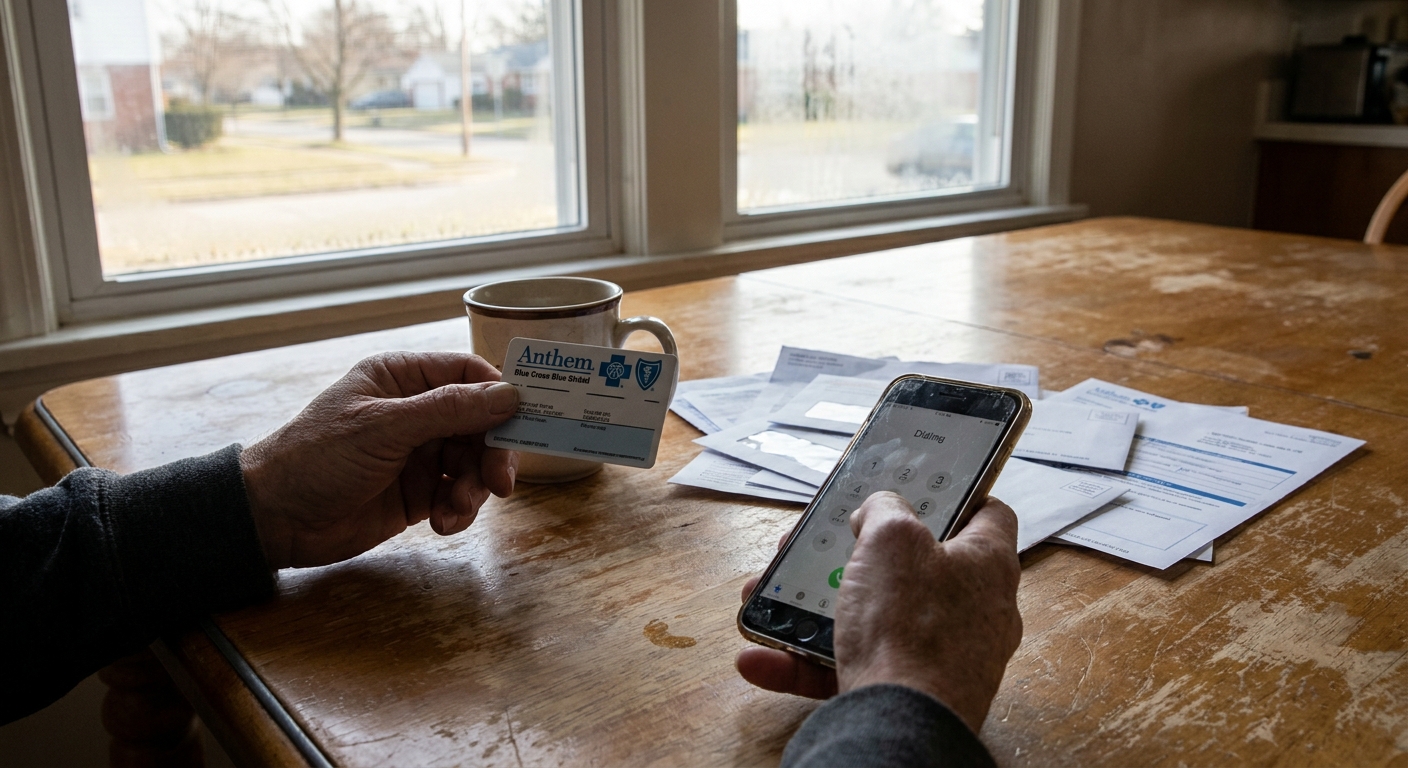
PHP is a covered benefit under most commercial insurance plans, including Aetna, Anthem Blue Cross Blue Shield, Cigna, and Optum. It’s also covered under Tricare for eligible military members and veterans. Ohio Medicaid managed-care plans, including CareSource, Buckeye Health Plan, Molina Healthcare, Anthem, Aetna Better Health of Ohio, AmeriHealth Caritas, and Humana, cover PHP as well, though authorization requirements and benefit structures vary by plan.
The federal legal foundation for this coverage is the Mental Health Parity and Addiction Equity Act (MHPAEA), which requires insurers to cover behavioral health treatment at the same level as medical and surgical benefits. A 2023 CMS report on parity enforcement found that while compliance has improved, many plans still apply stricter prior authorization requirements to behavioral health than to comparable medical care, which means verifying your specific benefit before intake is not optional. Before your first admissions call, contact your insurance member services line and ask specifically whether PHP (CPT codes 0906 and 0907) is covered under your current plan.
How to verify your coverage before intake
A benefits verification call should cover several specific points: whether PHP services are in-network at the facility you’re considering, whether prior authorization is required and what the timeline for approval is, what your daily or annual benefit limits are, and what your cost-sharing responsibilities look like (deductible, copay, or coinsurance).
A 2023 KFF report on out-of-pocket spending for behavioral health found that patients who verified their benefits in writing before admission were significantly less likely to face unexpected bills than those who relied on verbal confirmation alone. The action that follows from this: request a written benefits summary from the facility’s admissions team on or before the day of your assessment. If a program can’t produce one, that’s information about how they operate. For readers in the broader region, how treatment access works across Lucas County follows similar insurance verification steps and offers useful parallel context.
Choosing a PHP in the youngstown / mahoning county area
Evaluating a PHP in Austintown or the surrounding Mahoning County area comes down to a short list of non-negotiable criteria. Accreditation from CARF International or The Joint Commission is the first. A 2021 study in the Journal of Behavioral Health Services and Research found that CARF-accredited programs showed significantly better client retention rates at 90 days compared to non-accredited programs. Accreditation means independent clinical reviewers have verified that the program meets established standards. It’s not a guarantee of quality, but its absence is a warning sign.
Beyond accreditation, look for ASAM-trained clinical staff, demonstrated dual-diagnosis capability (treating substance use and mental health conditions at the same time, not sequentially), and on-site or structured access to MAT. Proximity to Austintown also matters practically: a program you can’t reliably get to won’t hold you. Before committing to any program, ask for proof of accreditation and confirm that the clinical director holds a license appropriate to independent practice in chemical dependency or behavioral health. Those are baseline questions, not aggressive ones. Readers who are also evaluating options closer to Youngstown proper will find a closer look at PHP programs in that area worth reviewing alongside this guide.
Questions to ask a PHP during your first call
Six questions cut through admissions pressure and reveal clinical quality quickly. First, does the program treat co-occurring mental health conditions alongside substance use, or does it refer those cases elsewhere? Second, what is the staff-to-client ratio during group programming? Third, is MAT available on-site, or does it require a separate referral to another provider? Fourth, how does the program contact family or emergency contacts in a crisis during or after program hours? Fifth, what does the step-down plan look like, specifically, and is it written? Sixth, what happens if you need a higher level of care mid-program?
A 2022 SAMHSA treatment quality report found that patients who asked informed questions during the admissions process showed 19% higher engagement rates at 60 days. Write these questions down before the call. Having them in front of you prevents admissions urgency from compressing a decision that deserves careful attention.
What to expect after PHP: the step-down plan
PHP is not the endpoint. The typical step-down sequence moves from PHP to IOP, then to standard outpatient, with ongoing peer support through AA, NA, or SMART Recovery, and continued MAT where appropriate. Each transition is a clinical handoff, and the quality of that handoff predicts long-term outcomes more than the quality of the PHP itself.
A 2022 study in the Journal of Addiction Medicine followed 1,100 adults through structured continuing care after residential and PHP treatment. Patients who engaged with at least one continuing care contact per week for 12 months showed a 46% higher rate of sustained remission compared to those who disengaged after the primary treatment episode. A PHP without a written step-down plan is a gap in care, not a complete treatment episode. Ask for the continuing care plan in writing before your final PHP session, not on discharge day.
Peer support and recovery resources in mahoning county
The recovery ecosystem in Mahoning County extends beyond clinical treatment. The Mahoning County ADAMHS Board funds peer recovery support services in Austintown and Youngstown, connecting people leaving formal treatment with certified peer support specialists who have lived experience in recovery. Community-based recovery groups, including AA, NA, and SMART Recovery meetings, are available throughout the area.
OhioMHAS published findings in 2022 showing that peer support engagement in the first 90 days post-discharge reduced emergency department utilization by 31% among individuals leaving structured behavioral health programs. Before PHP discharge, ask the care team to connect you directly, not just refer you, to one peer support contact in Mahoning County. A referral hands you a phone number. A direct connection hands you a relationship.
What to do this week
One phone call changes the trajectory. Contact a PHP in the Austintown area, request a clinical assessment, and bring your insurance information. NIDA’s research consistently shows that the window between recognizing the need for treatment and acting on it is short: delay beyond two weeks significantly reduces the likelihood of follow-through. This week is not a soft deadline. Early engagement with structured care is one of the strongest predictors of long-term recovery outcomes, and every day of continued use or untreated psychiatric symptoms narrows the options. Make the call, bring your questions, and let the assessment drive the placement decision.
Frequently asked questions
How many hours per day is a PHP in austintown?
A standard PHP runs five to six hours of clinical programming per day, five days a week. That typically means arriving mid-morning, participating in structured group and individual therapy, medication management, and psychoeducation, then returning home each evening. Total weekly clinical contact is approximately twenty-five to thirty hours.
Can PHP treat both addiction and mental health conditions at the same time?
Yes. Dual-diagnosis PHP programs treat substance use disorders and co-occurring mental health conditions, such as depression, anxiety, PTSD, and bipolar disorder, concurrently within the same program. This is the clinically appropriate approach because treating only one condition while leaving the other unaddressed significantly increases relapse risk for both.
Does ohio medicaid cover PHP in mahoning county?
Ohio Medicaid managed-care plans, including CareSource, Buckeye, Molina, Anthem, Aetna Better Health, AmeriHealth Caritas, and Humana, cover PHP as a behavioral health benefit. Prior authorization requirements vary by plan. Contact your managed-care plan’s member services line before intake and ask specifically about PHP coverage under CPT codes 0906 and 0907.
What is the difference between PHP and IOP?
PHP runs roughly twenty-five to thirty hours of programming per week. IOP runs nine to twelve. PHP is appropriate for people who need daily clinical contact to remain stable. IOP is appropriate for people who have achieved some stability and can safely manage longer gaps between sessions. The decision between them should follow a formal ASAM assessment, not a self-assessment.
Do I need to complete residential treatment before entering PHP?
No. PHP can serve as a step-down from residential care, but it can also be the initial entry point for someone who is medically stable, does not require 24-hour supervision, and needs a high level of structured support. A clinical assessment determines the appropriate starting point based on your specific situation.
How long does PHP typically last?
PHP duration varies by individual clinical progress, but most people participate for two to six weeks before stepping down to IOP. Length of stay is determined by ongoing clinical review rather than a fixed schedule. Progress in treatment, stability of symptoms, and readiness for reduced structure all factor into the transition decision.