Outpatient rehab is structured treatment for substance use or co-occurring mental health conditions that you complete while living at home, attending scheduled sessions rather than staying overnight at a facility. For millions of adults, it is not a compromise , it is the most effective level of care available.
What is outpatient rehab?
Outpatient rehab delivers addiction treatment and mental health support through scheduled programming that fits around your existing life. You sleep in your own bed, keep your job, stay present for your family, and attend therapy on a set schedule. The format varies by intensity: standard outpatient (OP) is the lowest level, typically a few hours of counseling per week focused on maintaining recovery and rebuilding daily life. Intensive outpatient (IOP) runs nine or more hours of structured programming weekly, designed for people who need active stabilization without residential placement. Partial hospitalization (PHP) is the most intensive outpatient format, with daily programming that approaches inpatient in its structure while still allowing you to go home each evening. Each level serves a distinct purpose, and matching the right level to your situation is what makes treatment effective.
How outpatient rehab differs from inpatient treatment
A 2020 SAMHSA analysis of treatment episode data found that the majority of people who successfully achieve long-term recovery do so through outpatient care, particularly when their housing is stable and their support network is intact. The structural difference between outpatient and inpatient is straightforward: inpatient means you live at the facility for the duration of treatment, with 24-hour clinical supervision and on-site medical detox. Outpatient means you attend sessions on a schedule and return home afterward.
What this means in practice is that the right level of care should match the severity of your need, not your preference for convenience or speed. Inpatient offers things outpatient cannot, primarily around-the-clock monitoring and a controlled environment removed from daily triggers. But outpatient offers something inpatient does not: the opportunity to practice recovery skills in real time, inside the life you are actually trying to rebuild.
When inpatient makes more sense
Inpatient or residential care is the right starting point when you face severe withdrawal risk that requires medical management, when your home environment is unstable or unsafe, or when you have completed outpatient treatment before and relapsed. These are clinical indicators, not character judgments. The goal is to get you stable enough to benefit from lower levels of care.
When outpatient is the right fit
According to SAMHSA’s 2022 National Survey on Drug Use and Health, more than 2.5 million adults received outpatient substance use treatment in the previous year, representing the most common treatment setting in the country. Outpatient consistently performs for people with moderate substance use, stable housing, strong social support, and co-occurring mental health conditions being managed alongside addiction. If you hold a job, have family responsibilities, or have already completed a higher level of care and are stepping down, outpatient is built for your situation. If you are in the Toledo or Northwest Ohio area, you can find more detail about what this looks like locally by reading about treatment options available across Lucas County.
What happens during outpatient rehab
A typical week in outpatient rehab includes individual counseling, group therapy, and psychoeducation sessions covering topics like relapse prevention, coping skills, and emotional regulation. If medication-assisted treatment (MAT) is part of your care plan, medications like buprenorphine or naltrexone are managed alongside your therapy. Co-occurring conditions such as anxiety, depression, or trauma are treated at the same time as substance use, not sequenced separately. A 2019 study published in the Journal of Substance Abuse Treatment found that integrated treatment addressing both SUD and mental health simultaneously produced significantly better outcomes than treating each condition in isolation.
In your first two weeks, expect an intake assessment, care planning conversations, and orientation to the group therapy format. The unknown piece of outpatient treatment is usually the group component , most people arrive uncertain about it and find within a few sessions that it becomes one of the most useful parts of their week.
Standard outpatient, the lowest-intensity level in a full continuum of care, focuses on sustained recovery support: staying connected to counseling, navigating the realities of work and family life, and reinforcing the skills built during more intensive treatment. It is maintenance and momentum, not crisis intervention.
The role of social support
A 2018 study in Drug and Alcohol Dependence tracked 952 adults through outpatient SUD treatment and found that those with strong social support at treatment entry were significantly more likely to remain abstinent at 12-month follow-up. The mechanism is not complicated: recovery is harder in isolation, and outpatient treatment keeps you embedded in daily relationships, which means those relationships matter. Before your first session, identify one person in your life , a family member, a friend, a sponsor , who can serve as a consistent point of contact throughout your treatment. One person who knows you are in treatment is enough to shift the odds.
Who outpatient rehab helps
Outpatient serves a wider population than most people expect. It is the right setting for adults managing alcohol or drug dependence at a moderate level, for people with co-occurring anxiety or depression, for those stepping down from inpatient or residential care, and for people who recognized a problem early and want to address it before it escalates. SAMHSA’s 2022 data shows that alcohol and opioids remain the most common primary substances among outpatient treatment seekers, but stimulant use is rising sharply across Ohio and nationally. For adults in the Youngstown and Mahoning County area, resources specific to that region are covered in detail in this guide to finding the right level of care in Youngstown.
Outpatient is not a lesser option. For the right person, it is the most effective option , because it works inside your actual life rather than removing you from it.
Insurance coverage for outpatient rehab
The Mental Health Parity and Addiction Equity Act requires that insurance plans offering behavioral health benefits cover them at the same level as medical and surgical benefits. In practice, this means that commercial plans including Aetna, Anthem BCBS, Cigna, Optum, and Tricare are required to cover outpatient SUD treatment, including IOP and PHP, when medically necessary. Ohio Medicaid managed-care plans, including CareSource, Buckeye, Molina, Anthem, Aetna, AmeriHealth Caritas, and Humana, are also required to cover outpatient addiction treatment under Ohio’s behavioral health benefits package.
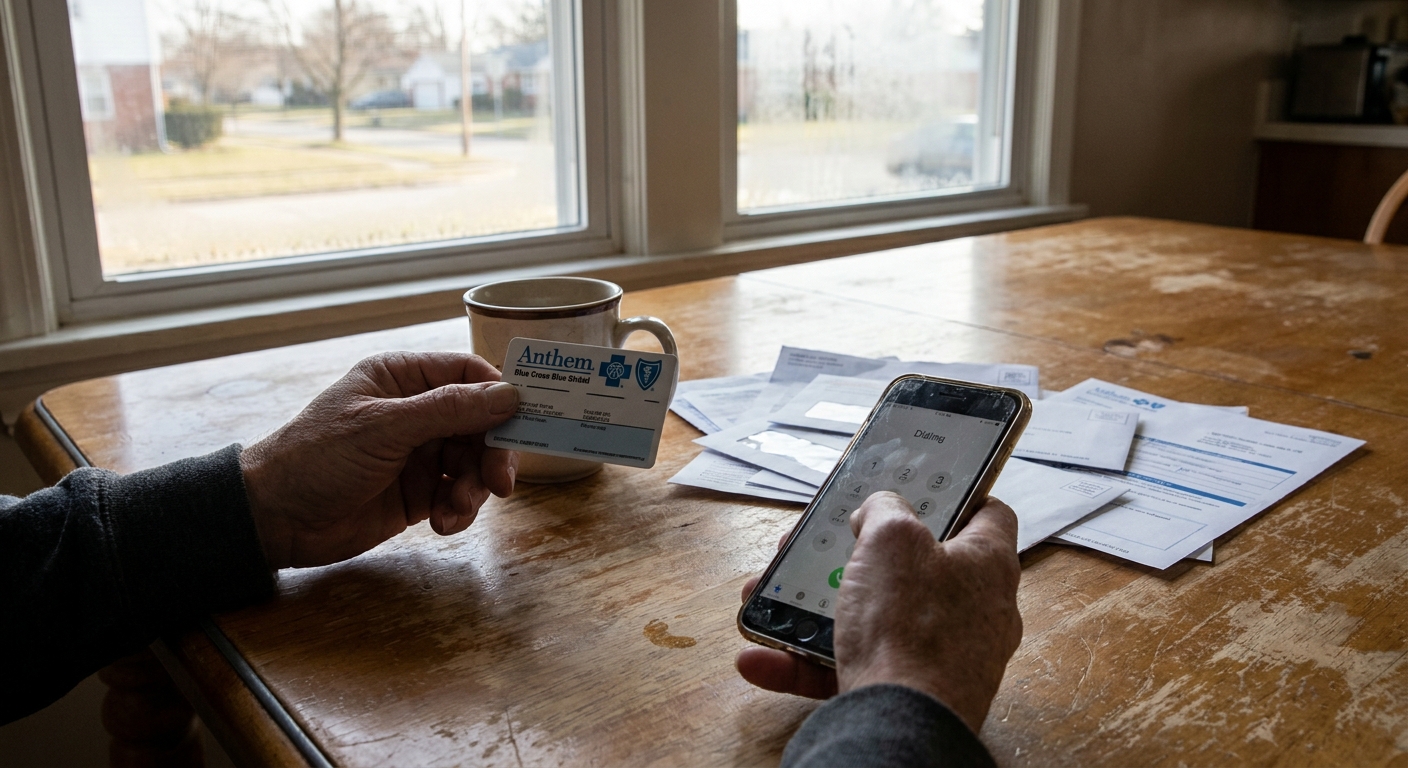
The verification process feels more complicated than it is. Call the member services number on the back of your insurance card and ask directly: “Does my plan cover intensive outpatient and partial hospitalization under my behavioral health benefits?” Get the name of the representative and write down the date of the call. That one phone call tells you what you need to know before your first appointment.
What to do this week
Find an outpatient rehab program in your area, confirm that your insurance is accepted, and schedule an intake assessment. Most programs, including those serving the Austintown area, can get you in within days , you can review local options at this overview of Austintown-area programs. The intake is not a commitment to a specific level of care; it is the conversation that determines what level is right for you. That single step is what moves everything forward.
Frequently asked questions
How many hours per week is outpatient rehab?
Standard outpatient typically involves one to three sessions per week, totaling around three to five hours. Intensive outpatient (IOP) requires a minimum of nine hours per week across at least three days. Partial hospitalization (PHP) runs 20 or more hours per week, often five days. Your intake assessment determines which level fits your clinical needs.
Can you work or go to school during outpatient rehab?
Yes. Outpatient rehab is specifically designed to accommodate work, school, and family responsibilities. Many programs offer morning, evening, or weekend sessions to fit different schedules. This is one of the primary reasons outpatient is the most widely used treatment setting in the country.
Is outpatient rehab effective for serious addiction?
For the right candidate, yes. Research consistently shows that outpatient treatment produces outcomes comparable to residential care when housing is stable, social support is present, and the level of care matches the severity of need. Outpatient is not a fallback for people who cannot access inpatient , it is an evidence-based treatment setting in its own right.
What is the difference between IOP and standard outpatient?
IOP (intensive outpatient) is designed for active stabilization, running nine or more hours of structured programming per week with a focus on building recovery skills during a high-risk period. Standard outpatient is the lowest-intensity level, focused on maintaining recovery over time while you reintegrate into work and social life. The two levels serve different phases of the recovery continuum.
Does ohio medicaid cover outpatient rehab?
Yes. All of Ohio’s Medicaid managed-care plans , CareSource, Buckeye, Molina, Anthem, Aetna, AmeriHealth Caritas, and Humana , are required to cover outpatient substance use disorder treatment, including IOP and PHP, as part of Ohio’s behavioral health benefits. Call the member services number on your card to confirm your specific coverage details before your first appointment.