Outpatient addiction treatment in Toledo, Ohio is more accessible and more effective than most people expect, yet the gap between knowing treatment exists and actually choosing the right program stops thousands of people from getting help. This guide walks through every decision point: what level of care fits your situation, what actually happens inside a program, how insurance covers it, and what to do before another week passes.
Why outpatient treatment works , and when it’s the right fit
A 2020 SAMHSA analysis of treatment outcomes across 14,000 adults found that outpatient participants achieved long-term abstinence rates comparable to those of residential treatment, with one meaningful advantage: they maintained employment and family relationships at significantly higher rates throughout the process. That finding reframes the choice entirely. Outpatient is not a compromise or a lesser option. For many people, it produces better results precisely because it keeps you inside your actual life rather than removing you from it.
The premise is straightforward. Outpatient treatment gives you access to licensed clinicians, evidence-based therapy, medication management, and peer support without requiring you to leave your home, your job, or your family. You attend scheduled sessions, then return to real life and practice what you’re learning in real time. That integration is a clinical feature, not a gap in care. According to the National Institute on Drug Abuse, the ability to apply coping strategies in the natural environment strengthens recovery in ways that purely residential settings can’t replicate.
The right candidate for outpatient care is someone with a stable living situation, no acute medical withdrawal risk requiring 24-hour monitoring, and a genuine support system at home. If medical detox is necessary, outpatient becomes the natural next step once stabilization is complete.
The different levels of outpatient care
“Outpatient” describes a spectrum, not a single program. The American Society of Addiction Medicine (ASAM) Patient Placement Criteria establish four distinct outpatient levels, each calibrated to a different severity profile and stage of recovery. Understanding where you are on that spectrum determines where you start and how the program is structured.
Standard outpatient programs (OP)
Standard outpatient programs typically involve one to three sessions per week, each lasting one to two hours. This level is designed for people who have already built a foundation in recovery, either through a higher level of care or through their own stabilization, and who need ongoing clinical support as they maintain that progress. Sessions include individual counseling, group therapy, and periodic drug screening.
The standard OP level works best when the home environment is genuinely supportive and when daily functioning is stable. Think of it as the maintenance layer of care: whole-person support that addresses work reintegration, family dynamics, and the social rebuilding that happens as recovery extends. It is intentionally less intensive than IOP because the clinical goal is different. The focus is on sustaining and deepening recovery while you fully re-engage with life outside the clinic.
Intensive outpatient programs (IOP)
Intensive outpatient programs require nine or more hours of structured clinical contact per week, typically spread across three to five days. A 2019 randomized trial published in the Journal of Substance Abuse Treatment compared IOP to residential treatment for adults with moderate substance use disorders and found no statistically significant difference in 12-month abstinence rates. IOP produced equivalent outcomes at substantially lower cost and without disrupting housing or employment.
This level is the most common entry point for people in Toledo seeking structured treatment without inpatient admission. If you are in early recovery, stepping down from detox, or facing significant use without severe medical complexity, IOP is likely where a clinical assessment will place you. The higher weekly contact hours provide enough structure and accountability to interrupt active use patterns while keeping your life intact.
Partial hospitalization programs (PHP)
PHP is the most intensive outpatient level, requiring 20 or more hours of clinical programming per week. It functions as a bridge between inpatient and traditional outpatient care. People who complete medically managed detox, those stepping down from a residential stay, or those who need near-daily clinical contact to remain stable are the primary population for PHP.
Medical clearance and stable housing are generally required before starting PHP. The programming is dense: multiple group sessions per day, individual therapy, psychiatric evaluation, and medication management. If a clinical assessment determines you need this level, treat it as a temporary intensive phase before stepping down to IOP and then standard outpatient care.
What happens during outpatient treatment in toledo
The experience inside an outpatient program is structured and predictable once you understand the framework. A typical week in an IOP includes morning or evening group sessions, at least one individual counseling appointment, and engagement with the clinical team around medication if MAT is part of your plan. The mix of modalities is intentional, not arbitrary, because addiction research consistently shows that combining therapy types produces better outcomes than any single approach alone.
Individual therapy and counseling
One-on-one sessions with a licensed counselor form the backbone of your treatment plan. The modalities most commonly used are cognitive behavioral therapy (CBT), motivational interviewing (MI), and trauma-informed care. A 2020 NIDA review of outpatient treatment studies found that CBT-based interventions reduced relapse risk by 40 to 60 percent relative to minimal treatment conditions across multiple substance categories.
Your first individual session is primarily an intake assessment. The counselor gathers a detailed history of substance use, mental health, trauma, medical conditions, and social supports. The practical takeaway: come prepared to be honest. The accuracy of that initial picture directly determines whether your treatment plan matches your actual needs.
Group therapy sessions
Group therapy is not filler between individual sessions. It is a primary therapeutic mechanism. A 2018 meta-analysis in Psychological Bulletin examined 73 studies of group-based addiction interventions and found that group cohesion, the sense of belonging and mutual accountability among members, was one of the strongest predictors of positive outcomes.
What happens in group varies by session: some focus on relapse prevention skills, others on emotion regulation, coping with cravings, or rebuilding relationships. If the idea of speaking in front of others feels like a barrier, know that most programs begin with low-stakes participation expectations. You observe, you listen, and you contribute when you are ready. The peer dynamic becomes an asset over time, not a pressure.
Medication-assisted treatment (MAT)
MAT combines FDA-approved medications with counseling and behavioral therapies. For opioid use disorder, buprenorphine and methadone reduce withdrawal symptoms and cravings while blocking the euphoric effects of opioids. Naltrexone, available in oral or injectable form, is used for both opioid and alcohol use disorders. According to SAMHSA, patients receiving MAT for opioid use disorder are 50 percent less likely to experience a fatal overdose than those receiving behavioral treatment alone.
The claim that MAT substitutes one addiction for another is a persistent misconception without clinical support. Buprenorphine and methadone are prescribed at doses designed to stabilize, not intoxicate, and they are administered under medical supervision with regular monitoring. The evidence base for MAT is among the strongest in addiction medicine.
Co-occurring mental health treatment
SAMHSA’s 2022 National Survey on Drug Use and Health found that 21.5 million adults in the United States met criteria for both a substance use disorder and at least one mental health condition in the past year. In Toledo and across Northwest Ohio, that co-occurrence is reflected in the clinical population at every outpatient program.
Effective programs screen for depression, anxiety, PTSD, bipolar disorder, and other conditions at intake and treat both issues simultaneously. Sequential treatment, where addiction is addressed first and mental health second, produces worse outcomes than integrated dual-diagnosis care. When evaluating Toledo programs, confirm directly that they offer psychiatric evaluation and that mental health treatment runs parallel to addiction treatment, not after it. For those exploring what integrated outpatient care looks like in practice, the structure of a dual-diagnosis program is worth understanding before your first call.
How to choose an outpatient program in toledo
The decision involves more than geography. A 2016 study in Drug and Alcohol Dependence examined treatment matching across 3,000 participants and found that alignment between a patient’s needs and program characteristics, specifically clinical model, intensity, and MAT availability, predicted retention rates significantly better than proximity alone.
Accreditation and licensing
Look for programs accredited by the Commission on Accreditation of Rehabilitation Facilities (CARF) or The Joint Commission, and licensed by the Ohio Department of Mental Health and Addiction Services (OhioMHAS). Accreditation signals that the program meets defined evidence-based practice standards and submits to external accountability reviews. The concrete action: verify any program’s license through the OhioMHAS provider directory at mha.ohio.gov before scheduling an assessment.
Staff credentials and clinical team
The credentials that matter in an outpatient program are Licensed Professional Clinical Counselors (LPCCs), Licensed Independent Social Workers (LISWs), Certified Alcohol and Drug Counselors (CADCs), and physicians or Advanced Practice Registered Nurses (APRNs) with prescribing authority for MAT. A 2021 study in the Journal of Addiction Medicine found that programs with higher ratios of licensed clinicians to clients had 23 percent better 90-day retention rates than programs relying primarily on paraprofessional staff.
On your first call, ask specifically: who delivers individual therapy, what are their credentials, and do they have a prescribing provider on staff for medication evaluation. The answers tell you quickly whether the program has the clinical infrastructure to address the full complexity of substance use disorder.
Program flexibility and scheduling
Toledo programs that offer morning, evening, and weekend scheduling allow people to maintain employment and family obligations throughout treatment, which is a meaningful predictor of completion. A 2017 study in the Journal of Substance Abuse Treatment found that scheduling flexibility was among the top three barriers to treatment engagement cited by employed adults, alongside cost and stigma.
Ask programs directly whether they offer any telehealth sessions for individual therapy. Many Toledo providers added telehealth capacity after 2020 and have maintained it as a scheduling bridge for people with unpredictable work hours or transportation challenges.
Peer support and alumni programs
Peer recovery coaching, where people with lived experience in recovery provide guidance and accountability, has a strong evidence base. A 2019 study in Psychiatric Services found that participants who received peer support services during outpatient treatment had a 35 percent higher rate of sustained abstinence at 12 months compared to those receiving standard care alone.
Strong programs connect you to peer coaches and alumni networks during treatment, not just as a discharge afterthought. Ask whether the program has formal peer support roles and whether they facilitate connections to community recovery groups, including AA, NA, or SMART Recovery, before you complete the program. For those comparing options across the region, programs in the Youngstown and Mahoning County area operate on a similar model and are worth understanding if proximity to that market matters.
Insurance coverage for outpatient treatment in toledo
The Mental Health Parity and Addiction Equity Act requires commercial insurers to cover substance use disorder treatment at the same level as other medical conditions. A 2023 KFF analysis found that parity enforcement remains inconsistent, but coverage for outpatient IOP and PHP is standard in most commercial plans and all Ohio Medicaid managed-care plans.
Using commercial insurance
The major commercial payers active in Toledo and Northwest Ohio include Aetna, Anthem Blue Cross Blue Shield, Cigna, and Optum. Each covers outpatient addiction treatment, including IOP and PHP, though deductibles, copays, and prior authorization requirements vary by plan.
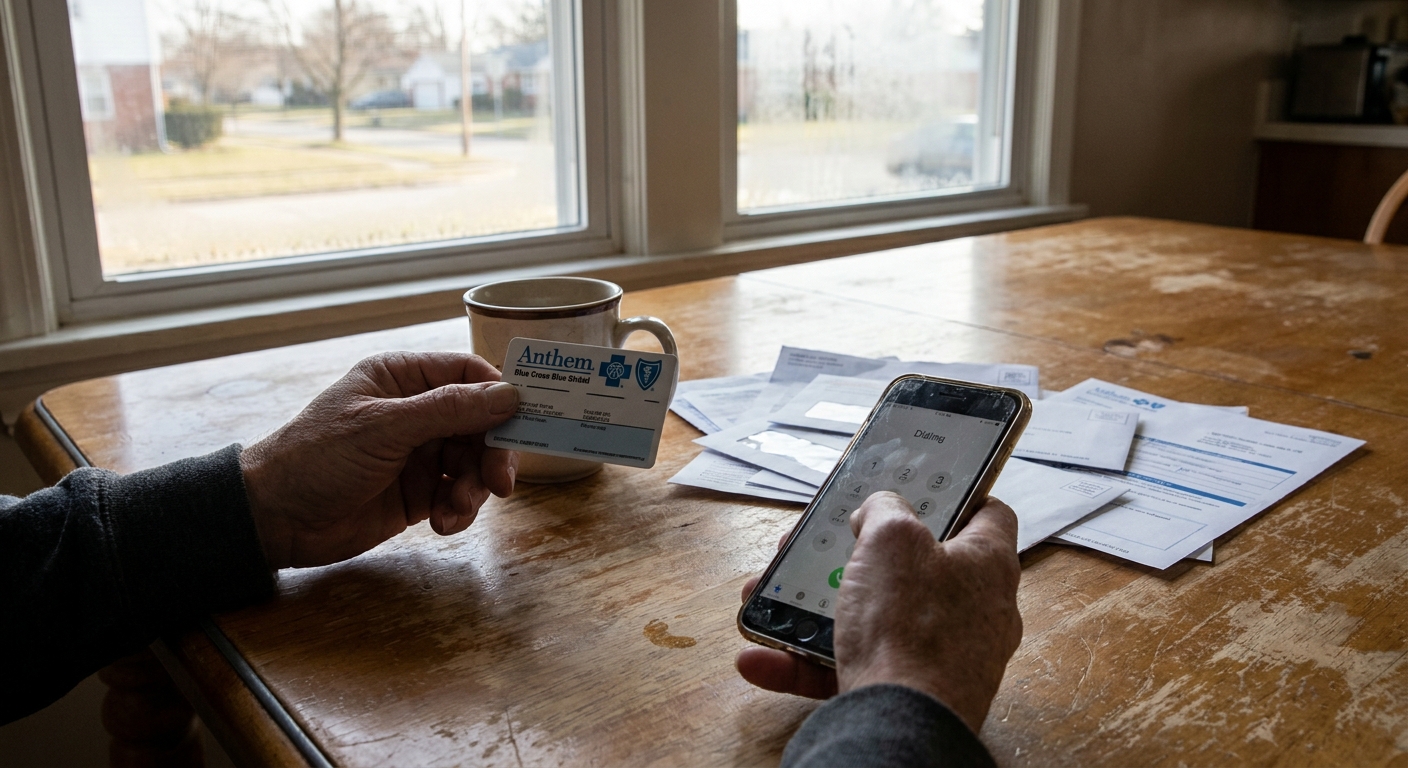
Call the member services number on the back of your card and ask specifically about behavioral health benefits for IOP and outpatient substance use treatment. Confirm whether the Toledo program you are considering is in-network, what prior authorization is required, and what your out-of-pocket maximum is for the year. The move that protects you: get benefits verification in writing from the program’s billing department before your first session. Verbal confirmation from an insurance representative is not binding; a written verification from the provider is.
Ohio medicaid coverage
Ohio Medicaid covers outpatient addiction treatment, including IOP, PHP, MAT, and co-occurring mental health services, through all of its managed-care plans: CareSource, Buckeye Health Plan, Molina Healthcare, Anthem Medicaid, Aetna Better Health of Ohio, AmeriHealth Caritas Ohio, and Humana Medicaid. Coverage rules and preferred provider networks vary by plan, so confirming in-network status directly with the program matters even if you have Medicaid.
Many Toledo outpatient programs employ dedicated benefits coordinators who navigate Medicaid enrollment and prior authorization on your behalf. If you are uninsured or unsure of your eligibility, check your status at benefits.ohio.gov before concluding that treatment is financially out of reach. Medicaid enrollment can happen quickly, and some programs will begin assessments during the enrollment process.
Tricare coverage for veterans and military families
Tricare covers outpatient substance use disorder treatment and MAT for eligible service members, veterans, and their families. Ohio falls under the Tricare East region, managed by Humana Military. Both Tricare Prime and Tricare Select cover outpatient SUD treatment, though the referral and prior authorization pathways differ between the two plans.
Under Tricare Prime, a referral from your primary care manager is typically required before beginning an outpatient program. Tricare Select allows more direct access to authorized providers without a referral in most cases. The practical step: call the Tricare East behavioral health line at 1-800-444-5445 before scheduling an assessment to confirm your specific benefits, any prior authorization requirements, and in-network Toledo providers.
Common mistakes to avoid when starting outpatient treatment
SAMHSA’s 2022 National Survey on Drug Use and Health found that the average gap between onset of a substance use disorder and first treatment contact exceeds 10 years. That delay is not a character flaw; it reflects how stigma, misinformation, and structural barriers accumulate. Knowing the patterns that cause people to stumble before or during treatment is useful protection.
Waiting until the crisis is severe
Outpatient treatment is explicitly designed for people who are still functioning. That is not a lower bar; it is the clinical window where outpatient care is most effective and where intervention produces the most durable results. Waiting for a DUI, an overdose, or a job loss before seeking help is not a requirement, and it closes options. If you are asking whether you need help, the answer is almost certainly yes, and outpatient is built for exactly that moment.
Choosing a program based on location alone
Proximity matters because attendance matters, and attendance is harder when the commute is a daily friction point. But a 2016 study in Drug and Alcohol Dependence found that treatment matching, aligning the program’s clinical model with the individual’s specific needs, predicted outcomes more strongly than proximity. Visit the program in person or on a video call before committing. Ask about their clinical model, their stance on MAT, and how they handle co-occurring conditions. The address is the least important variable.
Stopping treatment early
NIDA’s Principles of Drug Addiction Treatment identifies 90 days as the minimum treatment duration associated with durable outcomes across most substance categories. The most common drivers of early dropout are underestimating the timeline, encountering a difficult week and interpreting it as failure, and not having an explicit plan in place from the start. Discuss the full treatment timeline with the clinical team on day one. When the endpoint is named and planned for rather than left ambiguous, the research shows people are significantly more likely to reach it. For those also weighing options across the broader northwest Ohio region, programs serving Austintown and the surrounding area use similar evidence-based models if access near that market is relevant.
What to expect after outpatient treatment ends
James McKay’s 2009 review in Psychiatric Services, which analyzed continuing care outcomes across 14 controlled studies, found that extended continuing care, defined as ongoing clinical contact for 12 months or more after initial treatment, significantly reduced relapse rates compared to standard discharge-and-done approaches. Discharge from a formal outpatient program is a transition, not an endpoint.
Step-down care and aftercare planning
If you complete IOP, the next step is typically standard outpatient programming: one to three sessions per week focused on sustaining gains, deepening relapse prevention skills, and supporting the social and professional reintegration that defines the maintenance phase of recovery. After that, weekly or biweekly check-ins and peer support groups provide continuity without clinical intensity.
A good aftercare plan includes your specific relapse triggers, the names and numbers of your support contacts, a clear protocol for what to do if you face a high-risk situation, and your next scheduled appointment after discharge. Before completing any program, ask the clinical team for this plan in writing. Having it documented removes ambiguity during the moments when ambiguity is most dangerous.
Recovery support in toledo and lucas county
Toledo has an active recovery support ecosystem beyond formal clinical treatment. Ohio Guidestone operates recovery community services in the region. The Lucas County Mental Health and Recovery Services Board funds community-based recovery programs and can connect you with local peer recovery coaches. SMART Recovery holds meetings in the Toledo area and provides a non-12-step alternative grounded in cognitive behavioral principles. AA and NA meetings are available daily across Toledo and surrounding communities including Maumee and throughout Lucas County.
A 2021 study in the Journal of Studies on Alcohol and Drugs found that participation in mutual aid groups during and after formal treatment was associated with a 27 percent increase in the likelihood of sustained abstinence at two years. The mechanism is straightforward: community connection reduces isolation, and isolation is one of the most consistent predictors of relapse.
Frequently asked questions
How long does outpatient addiction treatment in toledo typically last?
Most IOP programs run eight to twelve weeks, followed by a step-down to standard outpatient programming for an additional two to three months. NIDA identifies 90 days as the minimum duration associated with durable outcomes, but many people benefit from continuing care for six to twelve months. The timeline is set collaboratively with your clinical team based on your progress, not a fixed calendar.
Can I work full-time while attending an outpatient program in toledo?
Yes. Most Toledo outpatient programs offer morning and evening scheduling specifically so people can maintain employment. IOP sessions are typically scheduled in three- to four-hour blocks, and many programs offer telehealth options for some individual therapy sessions. Scheduling flexibility is one of the first questions to ask when evaluating a program.
What is the difference between IOP and standard outpatient in toledo?
IOP requires nine or more hours of structured programming per week and is designed for people in early or active recovery who need substantial clinical structure. Standard outpatient programs involve one to three sessions per week and serve people who have already established a recovery foundation and are focused on maintaining and deepening it while rebuilding work and social routines. The two levels have different clinical goals, not just different hours.
Does ohio medicaid cover outpatient addiction treatment?
Yes. All Ohio Medicaid managed-care plans, including CareSource, Buckeye, Molina, Anthem Medicaid, Aetna Better Health of Ohio, AmeriHealth Caritas, and Humana Medicaid, cover outpatient substance use disorder treatment including IOP, PHP, MAT, and co-occurring mental health services. Coverage details vary by plan, so confirming in-network status with the specific Toledo program is the right first step. If you are uninsured, check eligibility at benefits.ohio.gov before ruling out coverage.
What should I bring or prepare for my first outpatient assessment?
Bring your insurance card, a photo ID, and any relevant medical records or documentation of previous treatment if you have them. Be prepared to give a detailed history of your substance use, current medications, mental health history, and living situation. Honesty in that initial assessment directly determines how well your treatment plan matches your actual needs.
Is medication-assisted treatment available in toledo outpatient programs?
Yes. MAT with buprenorphine, naltrexone, or methadone is available through outpatient programs and standalone opioid treatment programs in Toledo. Not every outpatient program has prescribing staff on-site, so confirming MAT availability is a specific question to ask on your first call. Programs that offer integrated MAT alongside behavioral therapy produce the strongest outcomes for opioid and alcohol use disorders.
What to do this week
Call your insurance company’s behavioral health line today, not next week. Ask specifically about your IOP and outpatient substance use disorder benefits, request the names of in-network Toledo providers, and ask what prior authorization is required. If you are on Medicaid or unsure of your coverage, go to benefits.ohio.gov before making any other assumption about cost. Then call one Toledo outpatient program and schedule a free clinical assessment. That assessment does not commit you to anything. It gives you an accurate picture of what level of care fits your situation, what it will cost, and what the timeline looks like. You will have more information after that one call than you have now, and that information is what makes the decision clear.