Medication-assisted treatment for opioid addiction is one of the most evidence-backed interventions in modern medicine, yet most people walking through the door for the first time have no idea what to actually expect. This guide explains how MAT works in Toledo, what the medications do in your body, how insurance covers it, and what the first 30 days look like in practice.
What MAT actually is (and why it works)
A 2019 review published in the New England Journal of Medicine analyzed outcomes across more than 40,000 patients with opioid use disorder and found that medication-assisted treatment reduced overdose mortality by 50% compared to behavioral therapy alone. That is the clearest case for MAT in the research literature, and it comes down to biology.
Opioid addiction changes the brain’s reward and stress-response systems at the neurochemical level. Cravings and withdrawal are not a failure of willpower. They are measurable shifts in how your brain produces and responds to dopamine and endorphins. FDA-approved MAT medications work by binding to the same opioid receptors that heroin, fentanyl, and prescription opioids target, either stabilizing those receptors (reducing cravings and withdrawal) or blocking them entirely (preventing any opioid from producing a high). The result is that your nervous system gets a chance to regulate itself, which makes everything else in recovery, including therapy and rebuilding your daily life, actually possible.
MAT is not swapping one addiction for another. The medications used in treatment are prescribed at controlled doses, monitored clinically, and adjusted over time. There is no euphoria. There is stabilization. That distinction matters because the stigma around MAT keeps people from starting a treatment that saves lives.
On day one, MAT looks like a clinical appointment: a medical evaluation, a substance use history, and a first dose of medication under supervision. The structure is what makes it work.
The three medications used in MAT
SAMHSA’s 2023 National Survey on Drug Use and Health confirmed that buprenorphine, methadone, and naltrexone remain the three FDA-approved medications for opioid use disorder. Each works differently, and the right choice depends on your medical history, your lifestyle, and what you and your provider decide together after a proper assessment.
A 2020 study published in JAMA Psychiatry that followed 2,400 patients across multiple treatment settings found that all three medications produced significantly better retention and lower relapse rates than no medication at all. The differences between them are real but manageable once you understand the mechanisms. For a deeper look at how each of these medications fits into a clinical care plan, the breakdown below gives you the foundation.
Methadone
Methadone is a full opioid agonist, meaning it activates the same receptors as heroin or oxycodone but does so slowly and steadily, without producing a high when used at therapeutic doses. The slow onset is deliberate: it eliminates withdrawal and cravings without delivering a rush. Because it is a Schedule II controlled substance with a narrow therapeutic window, methadone for opioid use disorder is dispensed through federally certified Opioid Treatment Programs (OTPs), which means daily clinic visits, especially in the early weeks of treatment.
The daily visit structure is not a punishment. It is a safety protocol. As you demonstrate stability over weeks and months, most programs allow take-home doses, which reduce the burden considerably. Methadone is a strong fit for people with severe physical dependence, a long history of opioid use, or prior treatment attempts where other medications did not hold.
Buprenorphine / suboxone
Buprenorphine is a partial opioid agonist. It activates opioid receptors but only to a partial degree, which produces a “ceiling effect”: beyond a certain dose, taking more produces no additional effect on the receptor. That ceiling is a safety feature that significantly reduces overdose risk compared to methadone or full opioids.
Suboxone combines buprenorphine with naloxone. The naloxone component is there to deter injection: if someone dissolves the film and injects it, the naloxone triggers immediate withdrawal. Taken as prescribed under the tongue, the naloxone is not absorbed and has no effect on the treatment.
The most significant practical difference from methadone is that buprenorphine can be prescribed in a standard office-based setting. That means a licensed provider can write a prescription you fill at a pharmacy, which offers more privacy and scheduling flexibility than daily clinic visits. If you are evaluating office-based buprenorphine options in the Toledo area, understanding this difference in access is the first decision point.
Naltrexone (vivitrol)
Naltrexone is an opioid antagonist: it fully blocks opioid receptors rather than activating them. If you take an opioid while on naltrexone, you feel nothing. No high, no euphoria, no relief. The monthly injectable form, sold as Vivitrol, removes the daily pill-compliance variable entirely, which is a real advantage for some people.
The catch is the prerequisite: you must be completely detoxed from opioids before starting naltrexone, typically 7 to 10 days of abstinence minimum, or the medication will trigger immediate and severe precipitated withdrawal. That detox window is a real barrier for people with significant physical dependence. Vivitrol is the best fit for people who have already completed medically supervised detox, people in professional or legal situations where opioid-based medications are complicated, and highly motivated patients who prefer a non-opioid approach.
How to start MAT in toledo, ohio
The biggest obstacle to starting MAT is not finding a provider. According to SAMHSA’s 2022 treatment gap analysis, fewer than 20% of people who need treatment for opioid use disorder receive it, and the top reported barrier is not knowing how to begin. The process in Toledo is more accessible than most people assume.
The sequence runs like this: you call a treatment provider and request an intake appointment, you complete an assessment (medical, psychiatric, and substance use history), your insurance is verified, and on your induction day you receive your first dose under medical supervision. In Lucas County, Ohio Medicaid managed care plans, including CareSource, Buckeye, Molina, Anthem, Aetna, AmeriHealth Caritas, and Humana, all cover FDA-approved MAT medications and associated counseling visits. Commercial plans through Aetna, Anthem BCBS, Cigna, Optum, and Tricare also cover MAT, though prior authorization requirements vary by plan and formulary.
If you are uninsured or underinsured, Lucas County ADAMH (Alcohol, Drug Addiction and Mental Health Services) funds sliding-scale treatment access across the region. Cost should not stop you from calling.
What the first appointment looks like
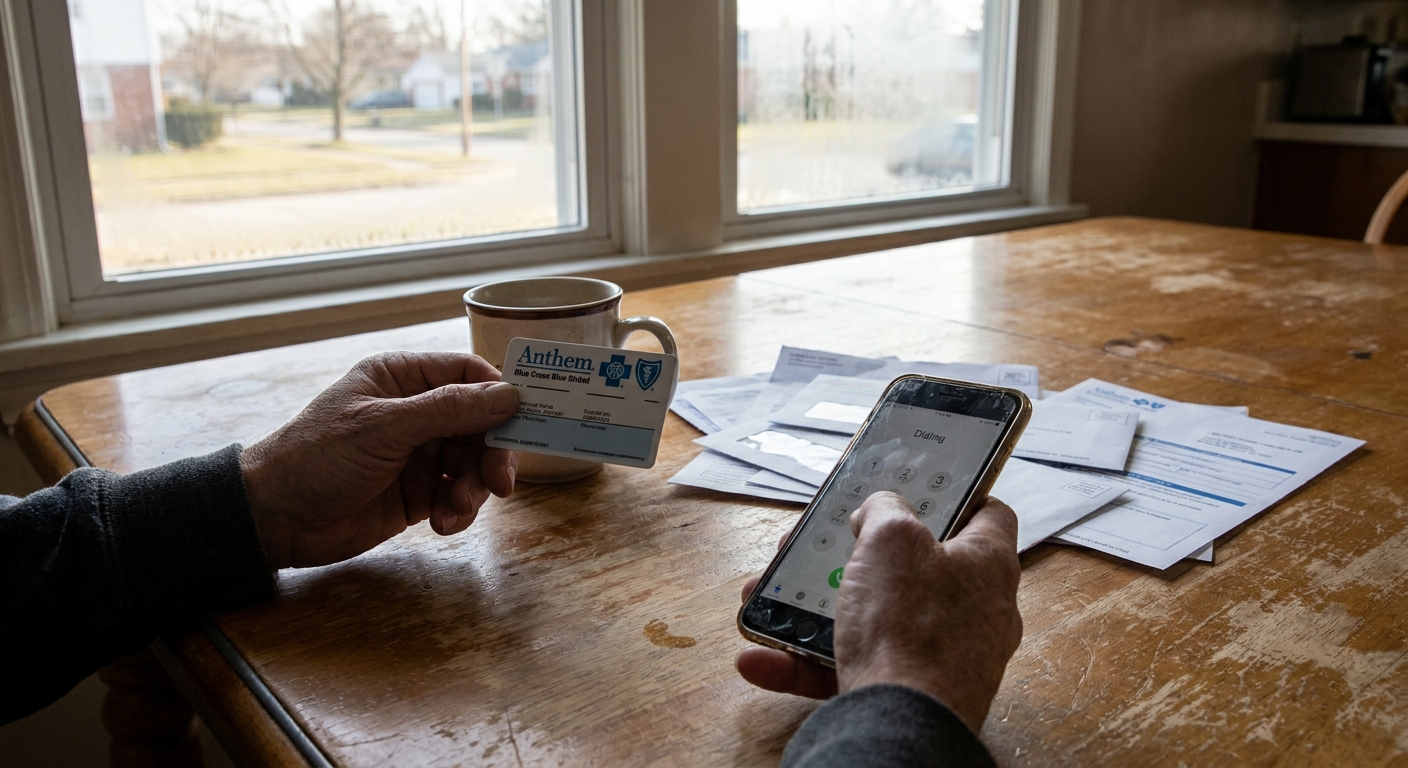
Bring your insurance card, a government-issued ID, and a list of any current medications. The intake appointment involves a medical history review, a physical examination if indicated, a substance use history (type of opioids used, frequency, last use), and a co-occurring mental health screening. You will be asked direct questions. Answer them honestly: accurate information at intake determines whether your starting medication dose and treatment plan are calibrated correctly. Nothing you say is reported to law enforcement.
The co-occurring mental health screening matters. Anxiety, depression, PTSD, and trauma histories are common alongside opioid use disorder, and an integrated program addresses both simultaneously rather than waiting until the addiction piece is “solved” first.
Insurance and cost in ohio
Ohio Medicaid covers all three FDA-approved MAT medications with no prior authorization required for buprenorphine under most managed care plans. Methadone for opioid use disorder is covered through OTP billing. Vivitrol injections are covered but often require prior authorization under Medicaid. Call your specific plan’s member services line to confirm your formulary before your first appointment.
Commercial insurance coverage is generally strong for MAT under the Mental Health Parity and Addiction Equity Act, which requires plans to cover substance use treatment at the same level as medical care. Tricare covers MAT for eligible service members and dependents. If you hit a denial, your provider’s billing team can navigate appeals.
What the first 30 days of MAT feel like
A 2018 study in Drug and Alcohol Dependence tracking 1,100 patients in community treatment programs found that 40% of MAT dropouts occurred in the first 30 days, and the primary predictors were unmanaged side effects and unmet logistical needs, not motivation or severity of addiction. The first month is the highest-risk period for discontinuing treatment prematurely.
Physically, the first few days are about stabilization. Your provider will start you at a dose designed to eliminate withdrawal and cravings without sedation. Adjustments happen over the first one to two weeks. You may notice mild side effects: sweating, disturbed sleep, or constipation with methadone; headache or mild nausea with buprenorphine in the first few days. These are normal and manageable. Report them at your follow-up rather than stopping medication on your own.
Logistically, you will have more appointments in month one than at any other point in treatment. Plan for it. If your employer needs documentation for schedule adjustments, a medical leave note from your provider is standard. If childcare is a barrier to attending appointments, raise it at intake. Programs in Toledo increasingly have flexibility built into their scheduling.
Before you leave your first visit, schedule your 30-day check-in appointment. Patients who schedule their next appointment before leaving the first one are significantly more likely to stay in treatment.
Counseling and support requirements in MAT
A 2018 NIDA-funded study published in JAMA Internal Medicine compared outcomes for buprenorphine patients who received medication only versus medication plus behavioral therapy. Patients who received integrated counseling showed significantly better long-term abstinence rates and lower rates of illicit opioid use at 12 months. Medication stabilizes the brain chemistry. Counseling changes the patterns, relationships, and thinking that sustain addiction.
In practice, counseling within a MAT program includes individual therapy (typically weekly to biweekly), group sessions, and sometimes family involvement depending on the program structure. Frequency usually decreases as you stabilize. The counseling component is not optional, and it is not punitive. It is where the work of understanding your own patterns actually happens.
Before committing to a program, ask specifically: What does the counseling component look like? How many individual sessions per month? What kind of therapy model do they use? A program that cannot answer those questions clearly is a program worth scrutinizing.
Co-occurring mental health conditions
SAMHSA’s 2022 National Survey on Drug Use and Health found that 53% of adults with opioid use disorder also meet criteria for at least one co-occurring mental health condition, most commonly depression, anxiety disorders, or PTSD. Treating addiction without addressing the mental health piece produces worse outcomes at every follow-up interval.
Integrated dual diagnosis care means your prescriber and therapist are coordinating on a single treatment plan. If you are managing depression or trauma alongside opioid use disorder, your MAT program should include mental health treatment built in, not referred out to a separate system you have to navigate on your own. Ask at intake whether the program offers integrated mental health services or whether they rely on external referrals.
How long MAT lasts
SAMHSA’s Treatment Improvement Protocol 63 states clearly that long-term maintenance, defined as 12 months or more, produces substantially better outcomes than short-term MAT followed by medication taper. The New England Journal of Medicine has published multiple long-term follow-up studies showing that patients who discontinue MAT before 24 months face relapse rates significantly higher than those who continue.
MAT is not a short-term fix. It is a medically supported stabilization period that varies by individual. Some people are on medication for two years. Some are on it indefinitely. The decision to taper is made collaboratively between you and your provider, based on clinical markers of stability, not an arbitrary time limit.
At your first appointment, ask your provider directly: What is your philosophy on treatment duration? A provider who gives you a predetermined endpoint without knowing your history is working from a policy, not a clinical assessment. You want a provider who answers that question based on evidence and individualized factors.
What MAT does not fix (and what fills the gap)
A 2020 study in Health Affairs analyzing 12,000 patients in long-term MAT found that housing instability, unemployment, and social isolation were stronger predictors of relapse than medication adherence alone. MAT addresses the neurochemical dimension of addiction. It does not address the practical conditions that sustain it.
In Toledo and Lucas County, peer recovery support services provide a bridge. Certified Peer Recovery Supporters, people with lived experience of addiction and recovery who are trained to provide non-clinical support, are available through Lucas County ADAMH and several community organizations. Peer support can help with employment navigation, transportation to appointments, and connection to community resources including housing assistance.
If you are also working through treatment options across Northwest Ohio or need to compare providers in the Youngstown region, understanding what additional community supports exist alongside MAT will shape the quality of your recovery experience.
This week, alongside calling for an intake appointment, identify one community resource: a peer support line, a recovery housing contact, or a local mutual aid meeting. MAT is the anchor, but recovery is built on a wider structure.
Common mistakes people make when starting MAT
The most consistent finding across MAT retention research is that early dropout is behavioral and preventable. A 2017 study in Addiction that followed 900 patients across eight treatment sites identified four behaviors that predicted treatment failure within 60 days: stopping medication without clinical guidance, skipping counseling sessions after feeling physically stable, withholding information about other substances used at intake, and discontinuing social support.
Stopping medication because you feel better is the most common mistake. Feeling better is the medication working, not evidence that you no longer need it. The underlying neurological changes take far longer to stabilize than the absence of symptoms suggests.
Skipping counseling when your schedule gets busy is the second. The sessions that feel least urgent are often the ones where the most important patterns get identified.
At intake, disclose every substance you are using, including alcohol, benzodiazepines, and stimulants. Your provider needs that information to dose you safely. Buprenorphine combined with benzodiazepines at high doses carries a real overdose risk. Your provider cannot protect you from that interaction if they do not know the full picture.
The single most important thing to do in the first week: show up to every scheduled appointment, even when you feel fine.
MAT and your daily life in toledo
Logistics are not a minor concern. A 2021 study in Substance Abuse Treatment, Prevention, and Policy found that transportation barriers reduced MAT appointment attendance by 31% among urban patients in Ohio counties. In Lucas County, this is a documented challenge.
TARTA (Toledo Area Regional Transit Authority) serves most of the city, and several MAT providers in Toledo are accessible by bus route. If transportation is a real barrier, raise it at intake. Some programs coordinate with Medicaid transportation benefits, which cover rides to medical appointments for eligible members.
Telehealth expanded meaningfully after 2020 federal rule changes, and Ohio maintained broader telehealth prescribing authority for buprenorphine after the public health emergency. As of 2023, audio-visual telehealth visits for buprenorphine prescribing remain available in Ohio under specific conditions. Ask your provider whether any portion of your counseling or prescribing appointments can happen remotely.
Stigma is real and documented. A 2021 study in Stigma and Health surveyed 1,800 adults in MAT programs and found that 62% reported concealing their treatment from coworkers, and those who did had significantly lower treatment retention rates than those with at least one supportive person aware of their treatment. You do not need to announce your treatment publicly. But identify one person this week, a family member, a close friend, a sponsor, who knows what you are doing and why.
What to try this week
Call and schedule an intake appointment. That is the entire action for this week.
When you call, say this: “I’m looking to start medication-assisted treatment for opioid use disorder. I’d like to schedule an intake appointment and understand my insurance coverage.” That sentence is enough to start the process.
According to a 2023 report from the Ohio Department of Mental Health and Addiction Services, patients who complete an intake appointment within seven days of first contact are 3.4 times more likely to reach 30-day treatment retention than those who delay. The first call is the hardest part. Every step after it is structured and supported.
Frequently asked questions
Is MAT available to people on ohio medicaid in toledo?
Yes. All Ohio Medicaid managed care plans, including CareSource, Buckeye, Molina, Anthem, Aetna, AmeriHealth Caritas, and Humana, cover FDA-approved MAT medications and associated treatment visits. Most buprenorphine prescriptions do not require prior authorization under Ohio Medicaid. Call your plan’s member services line to confirm your specific coverage before your first appointment.
How long does it take to get started with MAT in toledo?
Many programs in Toledo offer same-week or next-day intake appointments. After your initial assessment, the induction appointment (when you receive your first dose) can happen within days. The total time from first call to first dose is often less than a week for patients who are ready to begin.
Can I keep working while on MAT?
Yes, and most people do. Buprenorphine and naltrexone do not impair cognitive function or reaction time at therapeutic doses. Methadone requires more scheduling consideration during the initial daily-dosing phase, but most programs offer early morning dosing windows designed around work schedules. If you need documentation for an employer, your provider can supply a medical leave or accommodation letter.
What happens if I use opioids while on MAT?
The answer depends on the medication. On naltrexone (Vivitrol), opioids will have no effect because the receptors are fully blocked. On buprenorphine, the partial agonist occupancy reduces but does not eliminate the effect of additional opioids, and the risk of overdose increases significantly. On methadone, combining additional opioids is a serious overdose risk. Disclose any use to your provider immediately. MAT programs are not punitive about disclosure; they use that information to adjust your treatment plan.
Does MAT work if I also have depression or anxiety?
Yes, and integrated dual diagnosis care produces better outcomes than treating each condition separately. SAMHSA data consistently shows that co-occurring mental health conditions are the norm, not the exception, among people with opioid use disorder. A quality MAT program includes mental health treatment built into the same care plan rather than requiring you to navigate separate systems.
Can I switch between MAT medications if the first one does not work for me?
Yes. Switching medications is a clinical decision made collaboratively with your provider, and it is more common than most people realize. If methadone is producing problematic side effects, a transition to buprenorphine is possible with appropriate medical oversight. If you are on buprenorphine and want to transition to naltrexone, a medically supervised detox bridge is required. Bring concerns about your current medication to your provider directly rather than stopping on your own.