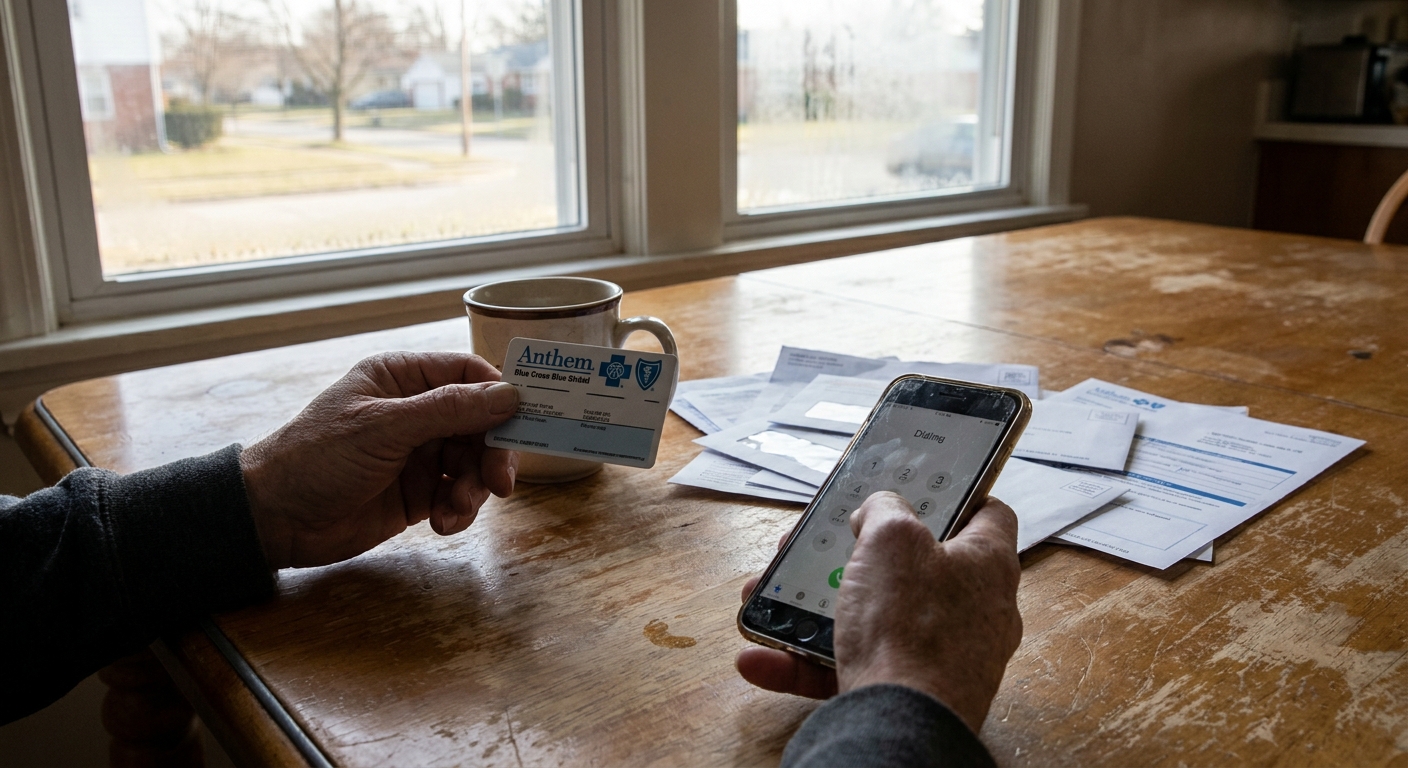

If you’re here, something in you already knows.
You’ve probably replayed the same conversation in your head a hundred times.
“I can handle this.”
“It’s not that bad.”
“I’ll stop next week.”
But the truth keeps surfacing: you can’t keep doing this.
And now you’re staring at the possibility of stepping into live-in care — maybe even looking at our round-the-clock support options — and wondering if you’re strong enough to go through with it.
Let’s slow this down.
You don’t need to be fearless to take the next step. You just need to be honest.
The Moment You Realize Willpower Isn’t Working
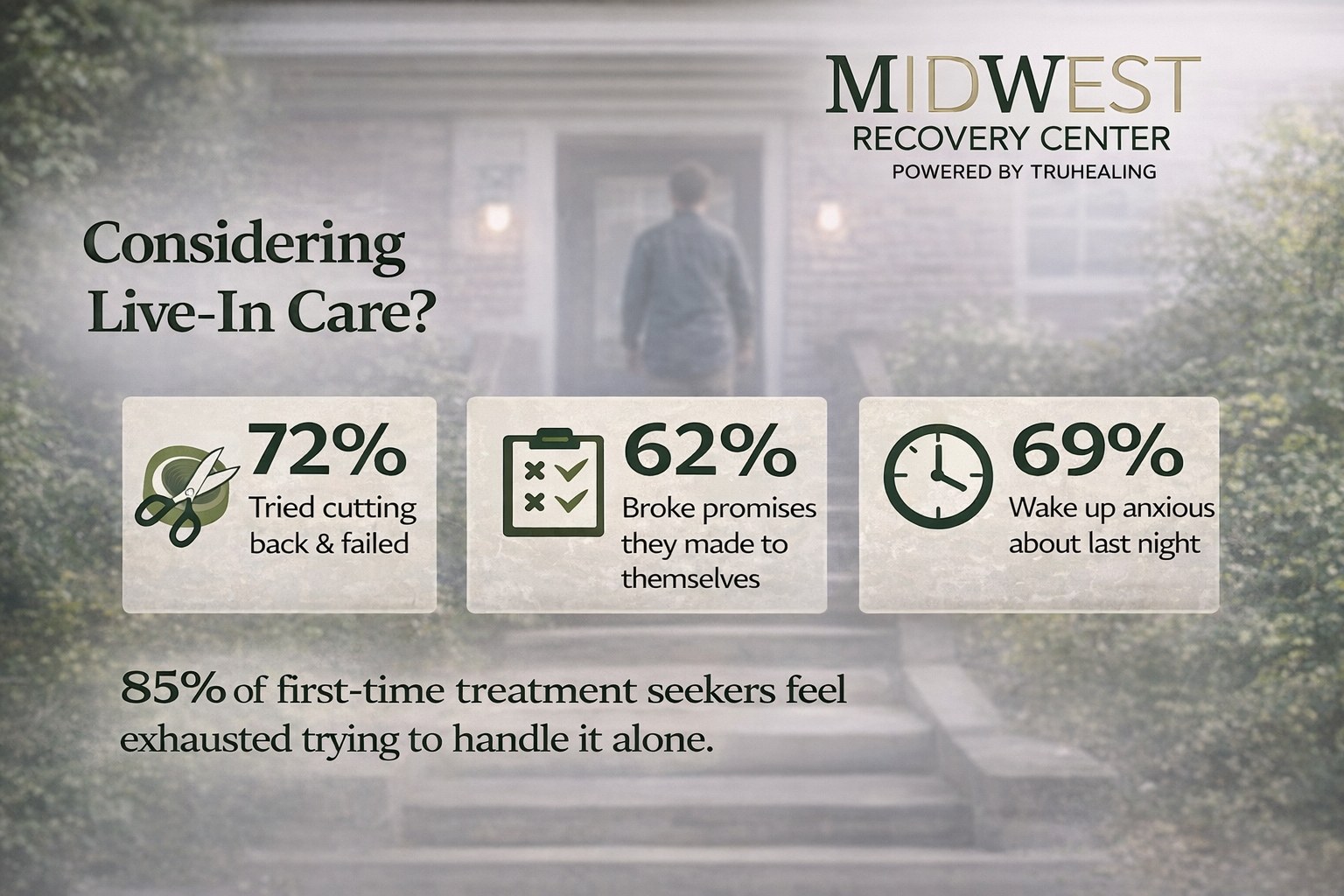
First-time treatment seekers usually arrive here exhausted.
Not dramatic. Not reckless. Just worn down.
You’ve tried:
- Cutting back.
- Setting rules.
- Taking “breaks.”
- Switching substances.
- Making promises in the morning you break by night.
At some point, the pattern becomes undeniable.
You’re not weak. You’re stuck.
And stuck feels terrifying because it challenges the identity you’ve built — the one that handles things.
Admitting you need more than willpower doesn’t erase your strength. It reframes it.
The Fear Underneath the Decision
Most people say they’re afraid of “treatment.”
What they’re really afraid of is:
- Losing control
- Being judged
- Being away from home
- Facing emotions without numbing
- Failing publicly
You might be thinking:
“What if I go… and I still can’t change?”
That fear makes sense.
But staying where you are hasn’t brought relief either.
When mental health and substance use collide, it can feel like you’re living in a pressure cooker. Immersive care isn’t about punishment — it’s about reducing the heat so your nervous system can finally settle.
You deserve stabilization, not self-criticism.
You Don’t Have to Hit Bottom to Qualify for Help
One of the most dangerous myths is that you need a catastrophic moment before you’re “allowed” to seek residential treatment.
You don’t need:
- A DUI
- A hospital visit
- A divorce
- A public collapse
You need awareness.
If you feel your life narrowing around substances…
If you’re hiding more than you’re sharing…
If you wake up anxious about the night before…
That’s enough.
Waiting for disaster isn’t bravery. It’s gambling with your future.
What Live-In Care Actually Gives You
Forget the brochure version.
Here’s what people actually describe after they arrive:
Relief.
Relief from hiding.
Relief from negotiating with themselves.
Relief from pretending it’s under control.
There’s structure. There’s rhythm. There’s accountability. But more than that, there’s containment.
Containment means your brain and body aren’t fighting alone anymore.
In a residential treatment program, you’re not expected to have all the answers. You’re expected to show up.
That’s it.
The First Few Days Aren’t What You Think
You might imagine shame. Exposure. Intensity.
And yes, there are hard moments.
But there’s also something grounding about predictable days. Clear expectations. Space away from the triggers that keep the cycle spinning.
You don’t have to decide your entire future on day one.
You just take the next indicated step.
Most people say the loudest feeling after arrival isn’t panic.
It’s relief.
You’re Not Giving Up Your Life — You’re Protecting It
There’s a common fear:
“If I step away, everything will fall apart.”
Here’s the reality I’ve seen repeatedly:
Everything is already straining.
Your energy.
Your focus.
Your relationships.
Your health.
Taking time for immersive care doesn’t destroy your life.
It interrupts the damage.
If you’re searching for treatment options in Youngstown or exploring nearby care, we also offer compassionate treatment options in Youngstown designed to make the transition feel less overwhelming.
For individuals living in Toledo, Ohio, and those in Maumee, Ohio, access to structured support close to home can make the decision feel less isolating and more realistic.
You are not disappearing.
You are rebuilding.
What Happens After the Fear Softens
Once you’re stabilized, something shifts.
Sleep improves.
Thinking clears.
Emotions regulate.
You begin having conversations you’ve avoided for years.
You start recognizing the difference between cravings and feelings.
You discover that what you were calling “stress” was often untreated anxiety or unresolved pain.
And for the first time in a long time, you’re not managing alone.
Hope doesn’t explode in. It grows quietly.
Frequently Asked Questions
What if I’m not “that bad”?
Severity isn’t measured by comparison. It’s measured by impact. If substances are affecting your mood, relationships, work, or self-respect, that matters.
How long would I have to stay?
Length of stay varies depending on your needs and stabilization progress. The goal is effectiveness — not keeping you longer than necessary.
What if I’ve tried therapy before?
Outpatient therapy is powerful. But sometimes the intensity of dependence requires a higher level of containment to interrupt the cycle.
Will people judge me?
Most people are far more understanding than we imagine. And protecting your health is more important than protecting appearances.
What if I fail?
Recovery is not about perfection. It’s about progress. Structured support increases your chances of sustained change dramatically compared to going it alone.
Is it normal to feel ashamed?
Yes. And shame thrives in secrecy. Speaking it out loud is often the beginning of dissolving it.
If You’re Still Sitting With This
You don’t have to feel 100% ready.
No one does.
You just have to be more tired of the cycle than you are afraid of the change.
That quiet voice inside you — the one that keeps bringing you back to this idea — isn’t weakness.
It’s survival.
If what you’re doing isn’t working, you’re allowed to try something stronger.
And if part of you is hoping someone will tell you it’s okay to step into care…
It is.
Call (888) 657-0858 to learn more about our Residential Treatment Program in Toledo, Ohio.