How a Partial Hospitalization Program Helped Me Remember Why I Wanted to Get Sober in the First Place

How a Partial Hospitalization Program Helped Me Remember Why I Wanted to Get Sober in the First Place

I didn’t think I’d end up back in treatment. I was past that. Ninety days sober. Working again. Doing the things that were supposed to keep me grounded.

But relapse isn’t always loud. Mine was a whisper that turned into an echo. One that got harder to ignore the more I tried to push through on my own.

It started with a drink. Then a few. Then something stronger. And before I could admit what was happening, I wasn’t “slipping.” I was spiraling.

When I walked back through the doors at Midwest Recovery, I wasn’t looking for anyone to fix me. I just hoped I wouldn’t be treated like a failure.

The Lie I Almost Believed

There’s this brutal little voice that shows up after relapse:
“If you really cared about your sobriety, you wouldn’t be here again.”

That voice almost convinced me to stay gone.

But here’s what I’ve learned: relapse doesn’t mean you didn’t care. It means something cracked open inside, and instead of asking for help, you tried to outrun the pain.

I didn’t stop caring about recovery. I just lost my grip on it. I couldn’t feel the reasons anymore—the “why” that once pulled me toward hope now felt like a blurry memory.

That’s what a partial hospitalization program (PHP) gave back to me: not just sobriety, but clarity.

What PHP Gave Me That I Didn’t Know I Needed

Coming back into treatment wasn’t easy. I was angry. Ashamed. I didn’t want to start from scratch.

Luckily, I didn’t have to.

Midwest’s partial hospitalization program didn’t treat me like I was broken or back at square one. It treated me like someone who needed a real reset—without stripping away the progress I had made before I fell.

Every day had a rhythm: group therapy, one-on-ones, real tools—not fluff, not judgment.

It wasn’t just about staying clean. It was about remembering how to live sober. And more than that, how to want it again.

I Needed Structure. I Didn’t Know I Needed Connection Too.

I thought I needed tools. What I really needed was people.

People who could say, “Me too,” without flinching. People who didn’t look surprised when I said, “I thought I was better than this.”

In PHP, I found that.

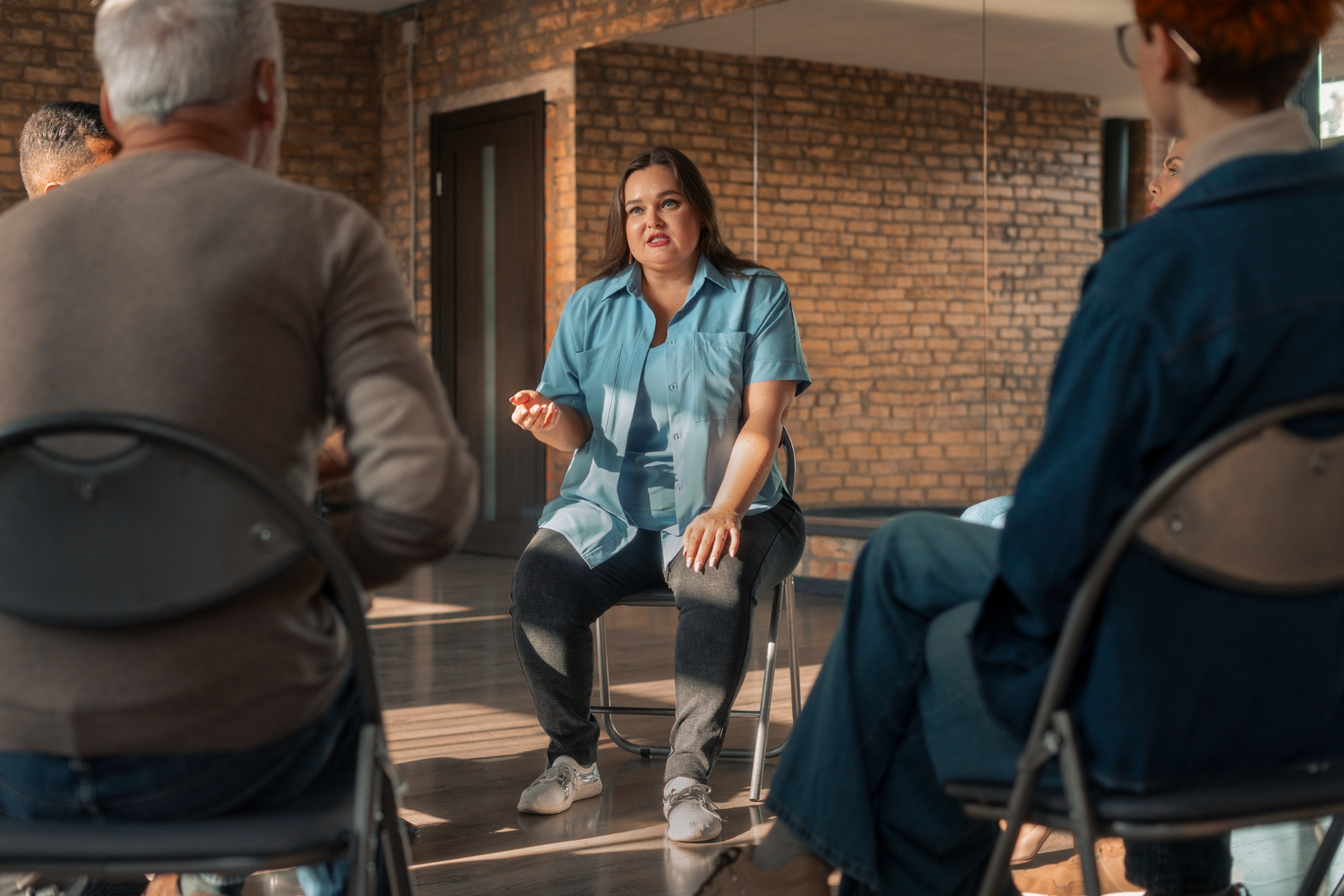
Sitting next to someone who’d relapsed too—and was still showing up—was healing in a way I can’t explain. We weren’t there to impress each other. We were there to survive. To rebuild. To tell the truth.

There’s a kind of safety in being in a room full of people who know the language of shame, but don’t speak it anymore. They just sit with you in it, until it loosens its grip.

I Didn’t Have to Start Over—Just Start Again

One of the counselors said something that stuck with me:
“Relapse interrupts recovery. It doesn’t erase it.”

That changed everything.

Because I thought I had to “earn” my way back. Rebuild from zero. But in reality? I was still the same person who fought for 90 days of sobriety—I just needed to remember why I started fighting in the first place.

PHP helped me slow down enough to listen. Not just to other people, but to myself.

The reasons came back slowly—during group, during quiet moments, during hard conversations. And when they did, they hit deeper than before.
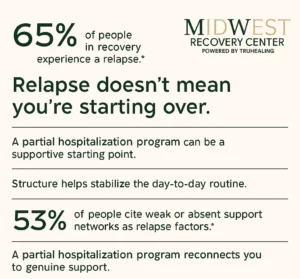
Relapse Recovery Stats

I Thought I Needed More Willpower. I Actually Needed Help.

There’s this myth—especially for those of us who’ve done treatment before—that we should “know better.” That we should be able to white-knuckle our way through tough days because we’ve already learned the lessons.

But pain doesn’t care how much you know. Neither does addiction.

The truth is, I didn’t relapse because I forgot everything I learned. I relapsed because I isolated. Because I didn’t ask for help when life got heavy again.

PHP didn’t scold me for that. It reminded me that I’m human—and that recovery is something you recommit to, not something you conquer once and for all.

The Way Back Is Quieter Than You Think

No fireworks. No dramatic epiphanies.

Just showing up.

A full week of dragging myself in with a coffee and a headache. Sitting in a chair I didn’t feel like I deserved. Crying during group even though I swore I wouldn’t.

But then? A shift.

One morning, I looked in the mirror and thought, “I could like this version of me again.”

And that? That was the moment I knew I hadn’t lost it. Just buried it.

If you’re looking for that kind of restart—and you’re in Maumee, Oregon, or near Perrysburg, Ohio—Midwest Recovery Center’s partial hospitalization program could be that quiet, steady space where healing begins again.

FAQs About Returning to a Partial Hospitalization Program After Relapse

Is PHP the same as going back to rehab?

Not quite. PHP is a structured program, but you don’t live at the facility. You come during the day and return home at night. It’s ideal for people who need strong support but want to stay connected to their daily life.

Will people judge me for going back to treatment?

Some might. But those who matter won’t. Most people respect honesty—even if they don’t always say it out loud. The right people will admire your courage, not question your relapse.

Do I have to “start over” in recovery?

No. You’re not starting over—you’re reconnecting. Relapse is a detour, not a dead end. Everything you learned before is still inside you.

What if I’m too ashamed to come back?

Shame thrives in silence. The moment you walk into a space like PHP, that shame starts to loosen. No one’s there to judge you. They’re there because they’ve been through it too.

How do I know if PHP is right for me?

If you’ve relapsed or feel close to it—and outpatient isn’t enough—PHP might be the supportive structure you need. It bridges the gap between residential care and weekly therapy.

What makes Midwest Recovery’s PHP different?

Midwest meets you where you are. Whether you’re coming back after 90 days or 9 years, their approach is human-first, judgment-free, and rooted in real tools—not shame or pressure. If you’re looking for a partial hospitalization program in Maumee, Ohio or Perrysburg, you’ll find real care here.

Can I work or take care of my family while in PHP?

Yes—many people in PHP juggle work, parenting, or caregiving. The daytime structure allows for flexibility while still offering intensive support.

A Final Word from Someone Who’s Been There

You don’t have to feel strong to take the next step. You just have to be willing.

Willing to show up. Willing to let someone hold the door open for you. Willing to believe that relapse doesn’t mean it’s over—it just means you’re still in the fight.

And you are so, so worth fighting for.

You don’t need to start over. You just need a place to start again.
Call (888) 657-0858 or visit our partial hospitalization program in Toledo to learn how Midwest Recovery can help you rebuild—one honest step at a time.
*The stories shared in this blog are meant to illustrate personal experiences and offer hope. Unless otherwise stated, any first-person narratives are fictional or blended accounts of others’ personal experiences. Everyone’s journey is unique, and this post does not replace medical advice or guarantee outcomes. Please speak with a licensed provider for help.

Level Of Care

Medical Detox
24/7 medically supervised detox to help you safely withdraw from drugs or alcohol while managing symptoms and preventing complications.

Inpatient Treatment
A structured, residential setting that provides continuous medical care, counseling, and therapeutic support to build a foundation for long-term recovery.

Residential Program
Comfortable, home-like housing where you can focus fully on healing with daily therapy, peer support, and holistic recovery services.

Ready to Start?
Call (833) 657-0858: to learn which program fits your recovery goals.

Who are you seeking help for? *

We’re here to listen and help you find the right path forward. Please tell us who needs care so we can match you with the best program and support.

💬 Your responses are 100% confidential and never shared outside our admissions team.

Recovery Shouldn’t Have to Wait — Begin Detox Today

At Ohio Detox Center in Maumee, Ohio, we make it simple to take that first step toward healing. Our streamlined admissions process can often lead to same-day placement in detox or inpatient treatment for substance use and co-occurring mental health conditions.

Call today for a free, confidential consultation with our caring admissions team — we’ll walk you through every step with compassion and clarity.

Call (833) 657-0858
Why call us?

Check Your Insurance Coverage in Minutes

We’ll handle the insurance details — so you can focus on getting better.

We’ll take care of the details — so you can focus on getting better.
At Ohio Detox Center, we work with Ohio Medicaid and most major insurance providers to make treatment affordable and accessible.

Here’s how it works:

  1. Fill out the short form below
  2. Our team reviews your benefits
  3. We’ll contact you with your coverage details

Getting help shouldn’t be stressful. Let’s find out what your insurance can cover today.

Levels of Care

Detox
We understand that taking the first step can feel overwhelming. Our detox program offers a compassionate, medically supported environment where you can rest, heal, and begin recovery safely. You’ll never go through it alone — our team is with you every step of the way.

IOP (Intensive Outpatient Program)
A flexible treatment option that lets you maintain work, school, or family responsibilities while attending therapy several days a week. IOP focuses on relapse prevention, coping skills, and long-term recovery through group and individual sessions.

Residential
Residential care gives you the time and space to focus fully on healing. Surrounded by supportive staff and peers, you’ll work through underlying causes of addiction, rebuild healthy routines, and rediscover confidence in your recovery journey.

MAT (Medication-Assisted Treatment)
Combining FDA-approved medications with counseling and behavioral therapy, MAT helps reduce cravings and withdrawal symptoms related to opioid or alcohol use. Each treatment plan is closely monitored to ensure comfort, safety, and lasting recovery.

Ready to Start?
Call (833) 657-0858: to learn which program fits your recovery goals.

Who are you seeking help for? *

We’re here to listen and help you find the right path forward. Please tell us who needs care so we can match you with the best program and support.

Myself

A loved one or family member

💬 Your responses are 100% confidential and never shared outside our admissions team.

Check Your Insurance Coverage in Minutes

We’ll handle the insurance details — so you can focus on getting better.

At Midwest Centers at Youngstown, we work with most major private insurance providers to make treatment affordable and accessible. Complete our quick, confidential form below, and we’ll let you know if your plan is in-network — without contacting your insurance company.

Commonly accepted providers include:
Blue Cross Blue Shield (BCBS) • Aetna • Cigna • UnitedHealthcare • Humana • Anthem • Tricare

What Happens Next

  • Fill out the short form below
  • Our team reviews your benefits
  • We’ll contact you with your coverage details

Getting help shouldn’t be stressful. Let’s find out what your insurance can cover today.

Recovery Shouldn’t Have to Wait — Begin Treatment Today.

At Midwest Centers at Youngstown in Ohio, we make it simple to take that first step toward healing. Our streamlined admissions process can often lead to same-day placement in treatment for substance use or co-occurring mental health disorders.

Call today for a free, confidential consultation with our caring admissions team — we’ll walk you through every step with compassion and clarity.

Level Of Care

Partial Hospitalization Program (PHP)
Our PHP offers a highly structured, supportive environment where you can focus on recovery during the day and return home at night. It’s an ideal step between inpatient and outpatient care, providing daily therapy, accountability, and a strong recovery routine.

Intensive Outpatient Program (IOP)
Our IOP gives you the flexibility to continue work, school, or family life while receiving evidence-based treatment several days a week. You’ll participate in group and individual therapy focused on relapse prevention, coping skills, and long-term healing.

Outpatient Program (OP)
For those transitioning from a higher level of care or seeking ongoing support, our outpatient program offers continued therapy at a pace that fits your lifestyle. It’s a supportive bridge that helps you maintain recovery and stay connected to care.

Medication-Assisted Treatment (MAT)
MAT combines FDA-approved medications with therapy and counseling to reduce cravings and support long-term recovery from opioid or alcohol addiction. Our team monitors each plan closely to ensure safety, comfort, and effectiveness.

Ready to Start?
Call (833) 657-0858: to learn which program fits your recovery goals.

Who are you seeking help for? *

We’re here to listen and help you find the right path forward. Please tell us who needs care so we can match you with the best program and support.

Myself

A loved one or family member

💬 Your responses are 100% confidential and never shared outside our admissions team.

Recovery Shouldn’t Have to Wait — Begin Treatment Today.

At Midwest Recovery Center in Toledo, Ohio, we make it simple to take that first step toward healing. Our streamlined admissions process can often lead to same-day placement in treatment for substance use or co-occurring mental health disorders.

Call today for a free, confidential consultation with our caring admissions team — we’ll walk you through every step with compassion and clarity.

Check Your Insurance Coverage in Minutes

We’ll handle the insurance details — so you can focus on getting better.

At Midwest Recovery Center, we work with most major private insurance providers to make treatment affordable and accessible. Complete our quick, confidential form below, and we’ll let you know if your plan is in-network — without contacting your insurance company.

Commonly accepted providers include:
Blue Cross Blue Shield (BCBS) • Aetna • Cigna • UnitedHealthcare • Humana • Anthem • Tricare

What Happens Next

  • Fill out the short form below
  • Our team reviews your benefits
  • We’ll contact you with your coverage details

Getting help shouldn’t be stressful. Let’s find out what your insurance can cover today.