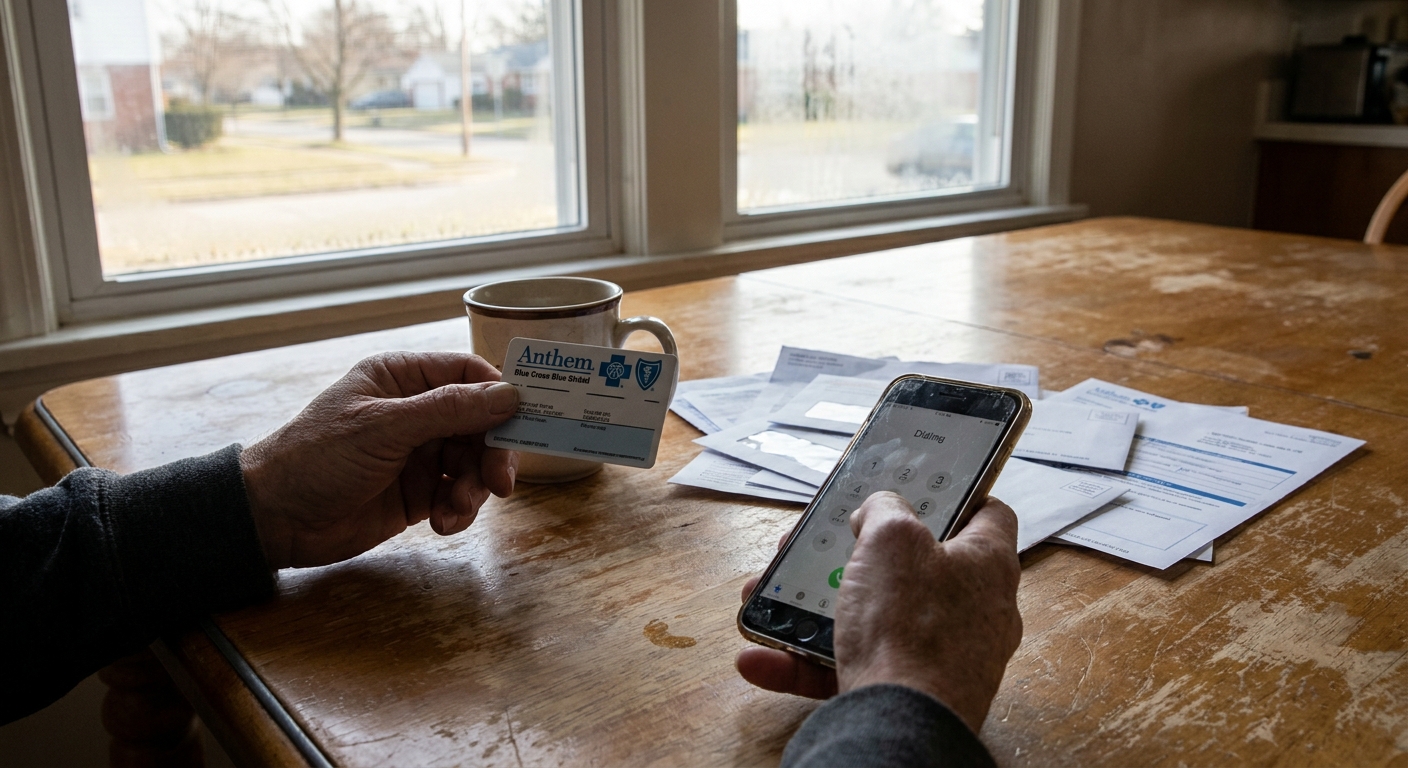

It doesn’t look like addiction.
Not the kind people picture when they hear the word. You’re not out of control. You’re not missing work. You still make dinner. You still show up for other people—on time, buttoned up, on the outside. But it takes everything you’ve got. And it’s getting harder to fake normal.
You’re not failing. But you’re not okay.
This is the version of addiction people don’t talk about: the quiet kind. The kind that hides behind productivity. Behind caregiving. Behind performance. If that’s where you live—functioning, but barely—Midwest Recovery Center’s Intensive Outpatient Program might be the bridge you didn’t know existed.
You Don’t Need to Vanish to Get Better
When most people imagine addiction treatment, they picture leaving their whole life behind. Inpatient. Rehab. Disappearing for 30, 60, 90 days. That mental picture alone is enough to make high-functioning individuals delay help for years.
We built our Intensive Outpatient Program (IOP) for people who can’t—or won’t—step away from everything. Not because they don’t need help, but because their life is tightly wound: career, caregiving, relationships, responsibilities. People are depending on you.
You can’t stop. But you can slow down for a few hours a week—and that might just save you.
What Is an Intensive Outpatient Program (IOP)?
An IOP is a structured, clinically supported treatment format that provides therapy, accountability, and support—without requiring overnight stays. It’s not a “lite” version of recovery. It’s a flexible one.
At Midwest Recovery Center in Toledo, Ohio, our IOP includes:
- 9 to 12 hours of programming per week
- Group therapy focused on real-world recovery topics
- Weekly individual counseling sessions
- Drug and alcohol screening (with compassion, not punishment)
- Family therapy sessions (optional but encouraged)
- Relapse prevention planning and life skills training
IOP gives you enough time to stay accountable and supported—while leaving space for you to live, work, and keep your family moving.
A Day in the Life: What IOP Actually Looks Like
We hear this all the time: “What if I sign up and realize I can’t handle it?” That’s why we start with clarity.
Let’s say you’re a working parent living in Youngstown, Ohio. You drop your kids at school, put in a full day at the office, and attend evening IOP groups three nights a week. You still get home to say goodnight. You’re still present for the life you’ve built.
Or maybe you’re working remotely in Oregon, Ohio, trying to keep your drinking from bleeding into the workday. You attend morning groups before logging in. You meet with your therapist over lunch. You don’t have to explain away a 30-day absence or file for leave.
This isn’t about hitting pause. It’s about redirecting your focus for a few dedicated hours each week—so the rest of your hours feel less like surviving.
High-Functioning Doesn’t Mean Unaffected
Addiction doesn’t always crash through the door. Sometimes it creeps in.
Maybe you started drinking to sleep. Or to socialize. Or to cope quietly with pressure that nobody else sees. Maybe you’re “just taking the edge off” more often than not.
High-functioning addiction often hides behind logic: “I haven’t missed a day of work.” “I’m still getting things done.” “Nobody’s worried about me.”
But here’s a quiet truth:
Just because no one’s worried about you doesn’t mean you’re okay.
The longer you carry this double life, the heavier it gets. IOP is the place where that weight can finally come off—gently, gradually, and without breaking the life you’ve built to hold everything else together.

You’re Allowed to Want More Than Just “Getting By”
One of the hardest parts for high-functioning clients is admitting that things don’t have to get worse to warrant change. You don’t have to hit bottom. You don’t have to burn it all down.
IOP is for the person who looks in the mirror and thinks, “I can’t keep doing this,” even if no one else has noticed. It’s for the people who say:
- “I’m tired of needing it to get through the day.”
- “I feel like I’m living a double life.”
- “If one thing slips, it could all fall apart.”
You’re already strong. Recovery doesn’t erase that. It redirects that strength—toward healing, clarity, and peace.
Why Clients Choose IOP Over Inpatient Treatment
Some people need inpatient care—and we’ll tell you if that’s true. But for many high-functioning individuals, IOP is the ideal starting point.
Here’s why:
| Feature | Inpatient Program | Intensive Outpatient Program |
|---|---|---|
| Time Commitment | 24/7 care | 9–12 hours per week |
| Work Disruption | Full leave required | Work/school can continue |
| Family Access | Limited during stay | Daily presence maintained |
| Privacy | May require explanation | Easier to keep discreet |
| Ideal For | Severe or unstable cases | Stable but struggling individuals |
IOP doesn’t mean less serious. It means more adaptable. And for many, that flexibility is the difference between starting treatment and continuing to suffer in silence.
What If You’re Not Ready to Tell Anyone?
You don’t have to. Not at first.
We don’t require a big announcement. You don’t need to post on social media or explain anything to your coworkers. You can walk into IOP quietly, just as you are.
Plenty of people start treatment without telling a soul. Eventually, many choose to open up—because they start feeling like themselves again. But that timeline? That’s yours.
What If You’re Not Even Sure It’s “Addiction”?
You don’t have to be sure. You just have to be honest.
If you’re wondering whether your drinking or substance use is a problem, that’s worth listening to. Not because you’re doomed—but because that little voice in your head knows when something’s off.
At Midwest Recovery Center, we don’t force labels. We talk about what’s working. What isn’t. And what needs support.
And we don’t expect instant change. Just enough curiosity to walk through the door and ask: “What if it could be different?”
What Clients Say About IOP
“I thought I had to fall apart before I was allowed to ask for help. Turns out, I just had to be tired of hiding.”
– Outpatient Client, 2023
“I was afraid treatment would take everything away. IOP gave me more than I realized I was missing.”
– IOP Graduate, Toledo
Looking for an Intensive Outpatient Program in the Toledo Area?
If you live in Maumee, Perrysburg, or Oregon, Ohio—or anywhere near Toledo—Midwest Recovery Center’s IOP is accessible, discreet, and rooted in real support.
You don’t have to blow up your life to heal. You don’t even have to be sure this is what you need. You just have to want things to feel lighter.
And that’s where we begin.
Frequently Asked Questions About IOP
Is IOP right for me if I’m still working full-time?
Yes. Our program is built to support working professionals, parents, caregivers, and anyone whose life doesn’t allow for full-time treatment. With flexible scheduling and individualized care plans, we meet you where you are.
How private is the IOP program?
Very. We protect your confidentiality and understand that discretion matters—especially for high-functioning clients. You don’t have to tell your employer or your entire social circle unless you choose to.
What’s the difference between IOP and regular outpatient therapy?
IOP involves more structure, frequency, and accountability. While weekly therapy sessions focus on individual growth, IOP provides multiple layers of support—group therapy, drug screening, clinical oversight—that work together to sustain recovery momentum.
How long does IOP last?
Length varies, but most clients participate for 6–12 weeks. We’ll work with you to adjust as needed, based on your progress, goals, and personal circumstances.
Do I need to already be sober to start IOP?
No. We support clients wherever they are. If you’re still drinking or using, we’ll help stabilize you and work toward safe, supported change. No shame. No lectures.
Ready to talk?
Call (888) 657-0858 or visit our Intensive Outpatient Program in Toledo, Ohio to learn more. You don’t have to pause your life to begin changing it.