
When Everything Looked Fine — But I Knew It Wasn’t

When Everything Looked Fine — But I Knew It Wasn’t

I didn’t hit a breaking point.

I hit a moment of clarity.

From the outside, my life worked. I had a steady job. I answered emails on time. I showed up to family events. I paid my bills. If you’d asked anyone who knew me, they would’ve said I was responsible. Driven. Maybe even a little intense—but in a productive way.

What they wouldn’t have seen was the quiet math happening in my head every single day.

When can I drink?
How much is too much?
Did anyone notice last night?
Can I get through this meeting without feeling like I’m vibrating inside my own skin?

When I first saw the page for an intensive outpatient program, I almost closed the tab.

That wasn’t for someone like me.

Or at least, that’s what I told myself.

I Was Functioning — But It Was Costing Me

If you’re high-functioning, you know the script.

You don’t miss work.
You don’t get DUIs.
You don’t “lose everything.”

So how bad can it really be?

That’s the trap.

I wasn’t spiraling publicly. I was eroding privately.

Every evening, I drank just enough to quiet the anxiety. Not blackout drunk. Not sloppy. Just enough to take the edge off the constant tension in my chest.

It worked—temporarily.

Until it didn’t.

I started waking up at 3 a.m., heart racing. I’d replay conversations. I’d promise myself I’d drink less that night. Sometimes I did. Sometimes I didn’t.

High-functioning doesn’t mean stable. It just means the cracks aren’t visible yet.
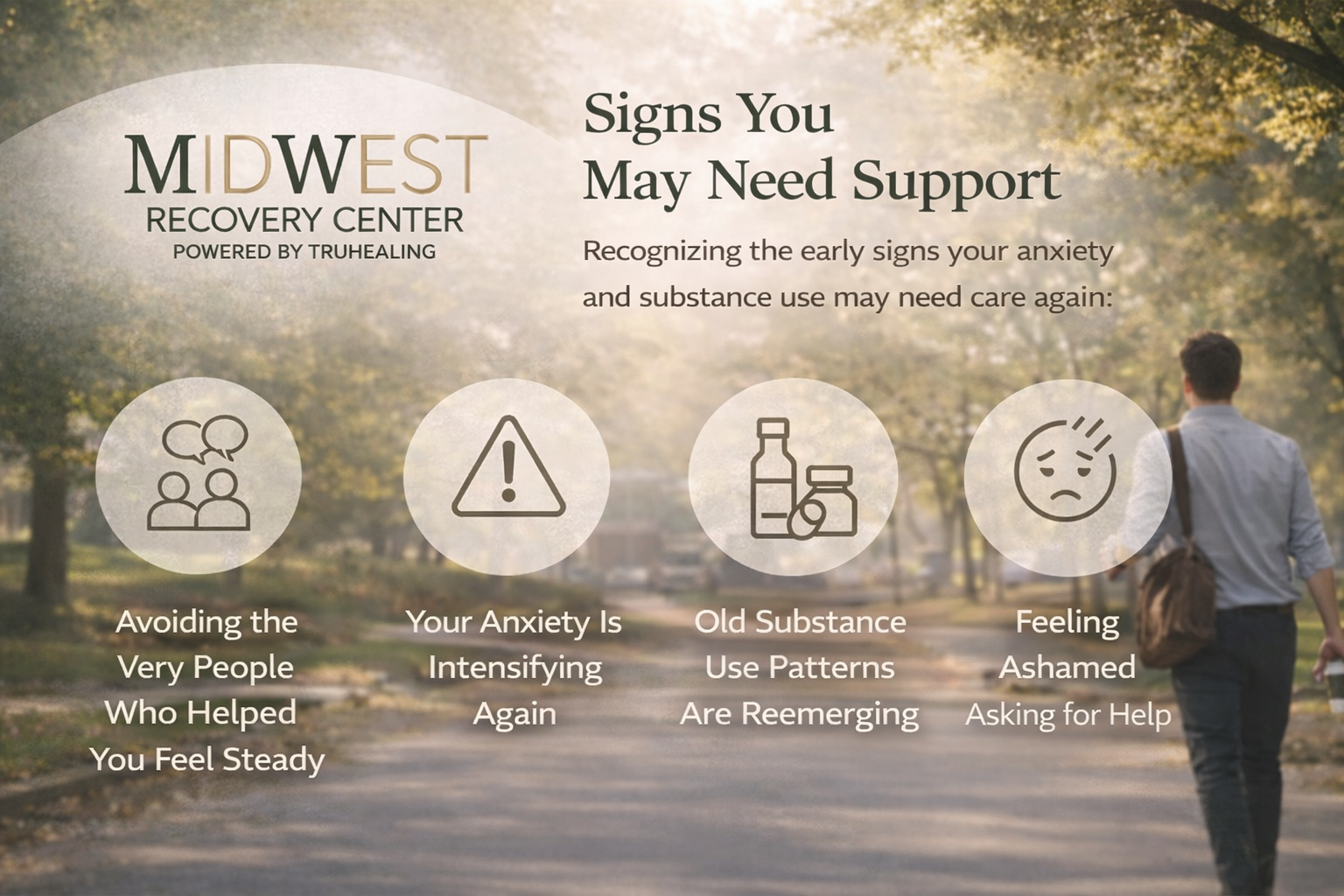
Clarity Before Collapse

The Tuesday Morning That Changed Something

There wasn’t an intervention. No dramatic fight. No medical scare.

It was a Tuesday morning.

I was sitting in my car before work, hands on the steering wheel, staring straight ahead. And I realized I was calculating how many hours until I could drink again without it looking strange.

That thought stopped me.

I wasn’t looking forward to dinner. Or seeing friends. Or finishing a project.

I was looking forward to relief.

And that’s when I understood something uncomfortable: my days were built around escaping them.

I Didn’t Want to “Blow Up” My Life

When I thought about getting help, my mind jumped straight to worst-case scenarios.

Rehab.
Taking a month off work.
Explaining everything to everyone.
Being labeled.

I didn’t want to disappear from my responsibilities. I had built a life I cared about.

What I wanted was support without demolition.

When I looked more closely at structured, multi-day weekly treatment, something shifted. It wasn’t about abandoning my life. It was about stabilizing it.

I didn’t need round-the-clock supervision. I needed consistency. Accountability. A place to be honest a few times a week.

That felt different.

It felt possible.

The Comparison Game Was Keeping Me Stuck

I kept telling myself:

“At least I’m not drinking in the morning.”
“At least I haven’t lost my job.”
“At least I still show up.”

Comparison was my shield.

But here’s the problem: comparing downward doesn’t make you healthier. It just delays the decision.

I hadn’t lost everything.

But I had lost ease.

I couldn’t relax without alcohol.
I couldn’t sleep without it.
I couldn’t imagine socializing without it.

That’s not freedom. That’s dependency with good PR.

There’s a specific kind of exhaustion that comes from constantly appearing okay. It’s heavy. And it’s lonely.

I Was Afraid I Wouldn’t “Belong”

This was one of my biggest concerns.

What if I walked into treatment and felt out of place?
What if everyone else’s story sounded worse than mine?
What if I felt ridiculous for being there?

High-functioning people often minimize their own suffering. We tell ourselves we should be able to handle it. That we’re smart enough to self-correct.

But intelligence doesn’t cancel out addiction. And success doesn’t cure anxiety.

What surprised me was how many people in treatment looked like me.

Professionals. Parents. Business owners. People who had kept it together for years while something quietly tightened inside them.

When mental health and substance use collide, the struggle often hides behind competence.

For the first time, I didn’t feel dramatic. I felt understood.

I Realized Anxiety Was the Engine

For me, alcohol wasn’t about partying. It wasn’t about rebellion.

It was about anxiety.

The constant hum. The tightness in my shoulders. The mental replay of every interaction. The need to perform perfectly.

Drinking muted that.

Until it amplified it.

The cycle was subtle but real:

Anxiety during the day.
Drinking at night.
Poor sleep.
Heightened anxiety the next day.

Repeat.

I thought I was managing stress. I was fueling it.

Being in consistent treatment forced me to look at the anxiety directly. To learn ways to regulate my nervous system that didn’t come in a bottle.

It wasn’t glamorous. But it was stabilizing.

Structure Felt Like Guardrails, Not Punishment

I expected treatment to feel restrictive.

It didn’t.

It felt like guardrails on a road I’d been swerving down for years.

Knowing I had multiple touchpoints each week changed my decisions. I didn’t want to walk into group pretending everything was fine when it wasn’t. That accountability mattered.

It wasn’t about being policed. It was about being supported.

And here’s something I didn’t expect: my work improved.

When I wasn’t spending mental energy hiding or recovering, I had more focus. More patience. More clarity.

Treatment didn’t shrink my world. It expanded it by freeing up the bandwidth alcohol had been stealing.

The Myth That You Have to Hit Bottom

This is one of the most damaging ideas I carried.

That I had to crash first.

That unless something catastrophic happened, I wasn’t “allowed” to get help.

But rock bottom is not a requirement. It’s just a risk.

You can change because you’re tired.
You can change because you see the pattern.
You can change because you want better.

You don’t have to wait for disaster to justify support.

If you’re in the Youngstown area and wondering what accessible support might look like, you can explore compassionate care in Youngstown, Ohio. Knowing help exists locally makes the idea of starting feel less overwhelming.

What I’d Say to the High-Functioning Version of You

You are not weak because you’re struggling quietly.

You are not overreacting because you want more stability.

You are not dramatic because you’re questioning your drinking or substance use while still succeeding on paper.

You’re just aware.

And awareness is powerful.

If you’ve found yourself thinking about whether an intensive outpatient program might actually fit into your life, that thought deserves attention. It’s not random. It’s insight.

Sometimes the strongest people are the ones who ask for help before things implode.

Frequently Asked Questions

Do I have to admit I’m an “addict” to seek help?

No. You don’t have to adopt a label to explore support. Many people enter treatment because they recognize unhealthy patterns or escalating anxiety—not because they identify with a specific term.

What if I’m still doing well at work?

That’s common. High-functioning individuals often maintain careers while struggling privately. Treatment isn’t reserved for people who have lost everything. It’s for people who want stability before that happens.

Will I have to take time off?

Not necessarily. Multi-day weekly treatment is designed to allow people to maintain responsibilities while receiving structured support. Schedules are often built around work and family obligations.

What if I’m not “bad enough”?

If you’re asking that question, something inside you already knows this isn’t sustainable. You don’t need to meet someone else’s definition of “bad enough” to deserve care.

Is anxiety really connected to my drinking?

For many high-functioning people, yes. Alcohol or substances often serve as short-term anxiety relief. Over time, they can worsen overall anxiety and create a cycle that’s hard to break alone.

What if I try it and decide it’s not for me?

Exploring support doesn’t trap you. It gives you information. You can reassess with professionals and determine what level of care makes sense.

The Day I Said Yes

It wasn’t dramatic.

It was quiet.

I was sitting in that same car weeks later, and instead of calculating when I could drink, I asked myself a different question:

“What would it feel like to not need this?”

That question was enough.

I didn’t make the decision because my life was falling apart.

I made it because I wanted to protect it.

Call (888) 657-0858 to learn more about our intensive outpatient program in Toledo, Ohio.

You don’t have to crash to qualify for change.

Sometimes the bravest move isn’t rebuilding from rubble.

It’s reinforcing the foundation before it cracks.
*The stories shared in this blog are meant to illustrate personal experiences and offer hope. Unless otherwise stated, any first-person narratives are fictional or blended accounts of others’ personal experiences. Everyone’s journey is unique, and this post does not replace medical advice or guarantee outcomes. Please speak with a licensed provider for help.

Level Of Care

PHP (Partial Hospitalization Program)
Daytime treatment with structure, therapy, and support—return home each night.

IOP (Intensive Outpatient Program)
Flexible therapy a few days a week to balance life and recovery.

OP (Outpatient Program)
Ongoing therapy and support to maintain progress.

MAT (Medication-Assisted Treatment)
Evidence-based care using medication and counseling to reduce cravings.

Ready to Start?
Call (833) 657-0858: to learn which program fits your recovery goals.

Who are you seeking help for? *

We’re here to listen and help you find the right path forward. Please tell us who needs care so we can match you with the best program and support.

💬 Your responses are 100% confidential and never shared outside our admissions team.

Recovery Shouldn’t Have to Wait — Begin Treatment Today.

At Ohio Treatment Center in Toledo, Ohio, we make it simple to take that first step toward healing. Our streamlined admissions process can often lead to same-day placement in treatment for MAT, PHP, IOP and more..

Call today for a free, confidential consultation with our caring admissions team — we’ll walk you through every step with compassion and clarity.

Call (833) 657-0858
Why call us?

Check Your Insurance Coverage in Minutes

We’ll handle the insurance details — so you can focus on getting better.

At Ohio Treatment Center, we work with most major private insurance providers to make treatment affordable and accessible. Complete our quick, confidential form below, and we’ll let you know if your plan is in-network — without contacting your insurance company.

Commonly accepted providers include:
Blue Cross Blue Shield (BCBS) • Aetna • Cigna • UnitedHealthcare • Humana • Anthem • Tricare

What Happens Next

  • Fill out the short form below
  • Our team reviews your benefits
  • We’ll contact you with your coverage details

Getting help shouldn’t be stressful. Let’s find out what your insurance can cover today.

Level Of Care

Detox
Begin recovery safely with 24/7 medical support. Our detox program helps you manage withdrawal comfortably and prepares you for the next step.

Residential Treatment
Continue healing in a supportive, structured setting with daily therapy, wellness activities, and round-the-clock care.

Aftercare
Before you leave, we’ll help you create a plan for ongoing support and lasting recovery.

Ready to Start?
Call (833) 657-0858: to learn which program fits your recovery goals.

Who are you seeking help for? *

We’re here to listen and help you find the right path forward. Please tell us who needs care so we can match you with the best program and support.

💬 Your responses are 100% confidential and never shared outside our admissions team.

Recovery Shouldn’t Have to Wait — Begin Treatment Today.

At Midwest Detox Center in Maumee, Ohio, we make it simple to take that first step toward healing. Our streamlined admissions process can often lead to same-day placement in treatment for medically supervised detox and residential treatment programs.

Call today for a free, confidential consultation with our caring admissions team — we’ll walk you through every step with compassion and clarity.

Call (833) 657-0858
Why call us?

Check Your Insurance Coverage in Minutes

We’ll handle the insurance details — so you can focus on getting better.

At Midwest Detox, we work with most major private insurance providers to make treatment affordable and accessible. Complete our quick, confidential form below, and we’ll let you know if your plan is in-network — without contacting your insurance company.

Commonly accepted providers include:
Blue Cross Blue Shield (BCBS) • Aetna • Cigna • UnitedHealthcare • Humana • Anthem • Tricare

What Happens Next

  • Fill out the short form below
  • Our team reviews your benefits
  • We’ll contact you with your coverage details

Getting help shouldn’t be stressful. Let’s find out what your insurance can cover today.

Level Of Care

Medical Detox
24/7 medically supervised detox to help you safely withdraw from drugs or alcohol while managing symptoms and preventing complications.

Inpatient Treatment
A structured, residential setting that provides continuous medical care, counseling, and therapeutic support to build a foundation for long-term recovery.

Residential Program
Comfortable, home-like housing where you can focus fully on healing with daily therapy, peer support, and holistic recovery services.

Ready to Start?
Call (833) 657-0858: to learn which program fits your recovery goals.

Who are you seeking help for? *

We’re here to listen and help you find the right path forward. Please tell us who needs care so we can match you with the best program and support.

💬 Your responses are 100% confidential and never shared outside our admissions team.

Recovery Shouldn’t Have to Wait — Begin Detox Today

At Ohio Detox Center in Maumee, Ohio, we make it simple to take that first step toward healing. Our streamlined admissions process can often lead to same-day placement in detox or inpatient treatment for substance use and co-occurring mental health conditions.

Call today for a free, confidential consultation with our caring admissions team — we’ll walk you through every step with compassion and clarity.

Call (833) 657-0858
Why call us?

Check Your Insurance Coverage in Minutes

We’ll handle the insurance details — so you can focus on getting better.

We’ll take care of the details — so you can focus on getting better.
At Ohio Detox Center, we work with Ohio Medicaid and most major insurance providers to make treatment affordable and accessible.

Here’s how it works:

  1. Fill out the short form below
  2. Our team reviews your benefits
  3. We’ll contact you with your coverage details

Getting help shouldn’t be stressful. Let’s find out what your insurance can cover today.

Levels of Care

Detox
We understand that taking the first step can feel overwhelming. Our detox program offers a compassionate, medically supported environment where you can rest, heal, and begin recovery safely. You’ll never go through it alone — our team is with you every step of the way.

IOP (Intensive Outpatient Program)
A flexible treatment option that lets you maintain work, school, or family responsibilities while attending therapy several days a week. IOP focuses on relapse prevention, coping skills, and long-term recovery through group and individual sessions.

Residential
Residential care gives you the time and space to focus fully on healing. Surrounded by supportive staff and peers, you’ll work through underlying causes of addiction, rebuild healthy routines, and rediscover confidence in your recovery journey.

MAT (Medication-Assisted Treatment)
Combining FDA-approved medications with counseling and behavioral therapy, MAT helps reduce cravings and withdrawal symptoms related to opioid or alcohol use. Each treatment plan is closely monitored to ensure comfort, safety, and lasting recovery.

Ready to Start?
Call (833) 657-0858: to learn which program fits your recovery goals.

Who are you seeking help for? *

We’re here to listen and help you find the right path forward. Please tell us who needs care so we can match you with the best program and support.

Myself

A loved one or family member

💬 Your responses are 100% confidential and never shared outside our admissions team.

Check Your Insurance Coverage in Minutes

We’ll handle the insurance details — so you can focus on getting better.

At Midwest Centers at Youngstown, we work with most major private insurance providers to make treatment affordable and accessible. Complete our quick, confidential form below, and we’ll let you know if your plan is in-network — without contacting your insurance company.

Commonly accepted providers include:
Blue Cross Blue Shield (BCBS) • Aetna • Cigna • UnitedHealthcare • Humana • Anthem • Tricare

What Happens Next

  • Fill out the short form below
  • Our team reviews your benefits
  • We’ll contact you with your coverage details

Getting help shouldn’t be stressful. Let’s find out what your insurance can cover today.

Recovery Shouldn’t Have to Wait — Begin Treatment Today.

At Midwest Centers at Youngstown in Ohio, we make it simple to take that first step toward healing. Our streamlined admissions process can often lead to same-day placement in treatment for substance use or co-occurring mental health disorders.

Call today for a free, confidential consultation with our caring admissions team — we’ll walk you through every step with compassion and clarity.

Level Of Care

Partial Hospitalization Program (PHP)
Our PHP offers a highly structured, supportive environment where you can focus on recovery during the day and return home at night. It’s an ideal step between inpatient and outpatient care, providing daily therapy, accountability, and a strong recovery routine.

Intensive Outpatient Program (IOP)
Our IOP gives you the flexibility to continue work, school, or family life while receiving evidence-based treatment several days a week. You’ll participate in group and individual therapy focused on relapse prevention, coping skills, and long-term healing.

Outpatient Program (OP)
For those transitioning from a higher level of care or seeking ongoing support, our outpatient program offers continued therapy at a pace that fits your lifestyle. It’s a supportive bridge that helps you maintain recovery and stay connected to care.

Medication-Assisted Treatment (MAT)
MAT combines FDA-approved medications with therapy and counseling to reduce cravings and support long-term recovery from opioid or alcohol addiction. Our team monitors each plan closely to ensure safety, comfort, and effectiveness.

Ready to Start?
Call (833) 657-0858: to learn which program fits your recovery goals.

Who are you seeking help for? *

We’re here to listen and help you find the right path forward. Please tell us who needs care so we can match you with the best program and support.

Myself

A loved one or family member

💬 Your responses are 100% confidential and never shared outside our admissions team.

Recovery Shouldn’t Have to Wait — Begin Treatment Today.

At Midwest Recovery Center in Toledo, Ohio, we make it simple to take that first step toward healing. Our streamlined admissions process can often lead to same-day placement in treatment for substance use or co-occurring mental health disorders.

Call today for a free, confidential consultation with our caring admissions team — we’ll walk you through every step with compassion and clarity.

Check Your Insurance Coverage in Minutes

We’ll handle the insurance details — so you can focus on getting better.

At Midwest Recovery Center, we work with most major private insurance providers to make treatment affordable and accessible. Complete our quick, confidential form below, and we’ll let you know if your plan is in-network — without contacting your insurance company.

Commonly accepted providers include:
Blue Cross Blue Shield (BCBS) • Aetna • Cigna • UnitedHealthcare • Humana • Anthem • Tricare

What Happens Next

  • Fill out the short form below
  • Our team reviews your benefits
  • We’ll contact you with your coverage details

Getting help shouldn’t be stressful. Let’s find out what your insurance can cover today.