Mahoning County has one of the highest opioid overdose death rates in Ohio, and Ohio already leads most of the nation in that grim measure. If you or someone close to you is using heroin in the Youngstown or Austintown area, understanding how heroin addiction treatment works in Mahoning County is the difference between finding a path forward and spinning through a cycle that keeps getting more dangerous.
Why mahoning county has a heroin problem worth taking seriously
The Ohio Department of Health reported that Mahoning County consistently records overdose death rates above the state average, which itself exceeded 40 deaths per 100,000 residents in recent years. Put that in local terms: people in Youngstown and Austintown are dying from opioid overdoses at a rate that makes this a public health emergency, not a personal failing.
That number matters because it shapes what treatment resources exist locally, how urgently providers respond, and what level of care you can access without driving to Cleveland or Columbus. Finding any treatment is not the goal. Finding the right treatment for your specific situation is what actually changes outcomes.
How heroin addiction works , and why willpower alone fails
A NIDA-funded study tracking opioid-dependent adults found measurable changes in dopamine receptor density after sustained heroin use, specifically in the brain regions responsible for reward, motivation, and decision-making. Heroin floods the brain with dopamine at levels far beyond any natural stimulus, and repeated exposure causes the brain to downregulate its own receptors to compensate. The result is a nervous system that no longer functions normally without the drug.
What this means in practice: someone trying to stop heroin through willpower alone is fighting a brain that has been physically restructured to treat the drug as a survival need. Treatment that skips the physical dependence and goes straight to counseling is treating the wrong problem. The concrete step here is straightforward: stop framing this as a character issue and start asking specifically about medically supervised options. That reframe alone changes which providers you call and which questions you ask.
Your treatment options in mahoning county
SAMHSA’s Treatment Episode Data Set consistently shows that matching a person to the right level of care at the start of treatment improves retention and reduces relapse more than any single therapeutic modality. The levels of care available in Mahoning County are medical detox, inpatient or residential treatment, and outpatient programs including intensive outpatient. Each serves a distinct function at a distinct stage of recovery. Starting at the wrong level wastes time and can deepen discouragement. Here is how to identify the right fit.
Medical detox: the first 72 hours
Per ASAM clinical guidelines, heroin withdrawal typically begins 6 to 12 hours after the last use, peaks between 36 and 72 hours, and can persist with milder symptoms for up to a week. During peak withdrawal, symptoms include severe muscle pain, vomiting, insomnia, and intense drug craving. Cold turkey withdrawal is not medically dangerous for most people in the way alcohol withdrawal is, but it is brutal enough that the majority of unsupported attempts end in relapse before the peak passes.
Medically supervised detox manages these symptoms with comfort medications and 24-hour monitoring, making it significantly more likely you survive the first three days with your commitment intact. The key takeaway: detox is not treatment, it is the doorway to treatment. If someone is in active use today, the first call goes to a detox facility, not an outpatient counselor.
Medication-assisted treatment (MAT) , methadone, buprenorphine, and naltrexone
A 2020 study published in the New England Journal of Medicine found that buprenorphine treatment reduced opioid overdose mortality by more than 50% compared to no medication treatment. SAMHSA data supports similar findings for methadone in opioid treatment programs. These are not fringe interventions. MAT is the evidence-based standard of care for heroin use disorder.
Buprenorphine (often prescribed as Suboxone) is available through office-based providers and can be prescribed by qualified physicians, making it the most accessible option in Mahoning County. Methadone for opioid use disorder requires daily dispensing through a licensed opioid treatment program. Naltrexone (Vivitrol) blocks opioid receptors entirely and works best for people who have already completed detox and have strong motivation to remain abstinent. When evaluating any provider, ask directly whether they offer or coordinate MAT before committing. A program that dismisses medication as “substitution” is not current with the evidence.
Inpatient and residential treatment
Short-term inpatient treatment is hospital-based and typically runs 5 to 14 days, focused on medical stabilization. Longer residential programs, ranging from 28 to 90 days, place you in a structured therapeutic environment away from the triggers and relationships tied to active use. NIDA data on retention in residential opioid treatment shows that longer stays, specifically 90 days or more, are associated with substantially better outcomes than shorter programs.
Residential treatment is the right choice when the home environment is part of what drives use, when prior outpatient attempts have not held, or when co-occurring mental health conditions need intensive stabilization. If the environment you return to each night includes active drug use, unresolved trauma, or people who undermine recovery, outpatient is unlikely to work regardless of program quality. In that situation, residential is not optional. It is the correct clinical match.
Outpatient treatment (IOP and standard OP)
Intensive outpatient programs typically require 9 or more hours of structured treatment per week, usually spread across three days, while standard outpatient runs at lower frequency. Research on IOP for opioid use disorder, including studies published in the Journal of Substance Abuse Treatment, shows comparable outcomes to residential treatment for people with stable housing and strong social support, but outcomes drop sharply when those conditions are absent.
Outpatient is not the easier path. It requires more self-management because you are returning to your real environment every night. Before choosing outpatient, honestly assess whether the people and places in your daily life support sobriety. If that answer is uncertain, choosing the right level of care deserves more than a quick decision.
Co-occurring mental health conditions , why dual diagnosis treatment matters in mahoning county
A 2021 SAMHSA report found that more than 50% of people with opioid use disorder have at least one co-occurring mental health condition, most commonly depression, PTSD, and anxiety disorders. In Mahoning County, where economic stress and community trauma are longstanding, that overlap is not surprising. It is also one of the most common reasons people relapse: the addiction is addressed, but the depression or untreated trauma that drove use in the first place remains active.
Treatment that addresses only the substance without assessing and treating the underlying mental health condition leaves the most important part of the problem unresolved. Ask every provider you contact whether they screen for and treat co-occurring conditions as part of their standard intake. Request a dual diagnosis assessment explicitly. Providers who treat addiction and mental health in parallel, rather than sequentially, produce better long-term outcomes. This is a non-negotiable criterion when evaluating programs in the Mahoning County area.
How to pay for heroin treatment in mahoning county
Ohio Medicaid covers substance use disorder treatment across its managed care plans, including CareSource, Buckeye, Molina, Anthem, Aetna, AmeriHealth Caritas, and Humana. The MAT benefit under Ohio Medicaid specifically covers buprenorphine and methadone treatment, making medication access a realistic option regardless of income. Commercial plans through Aetna, Anthem BCBS, Cigna, and Optum, as well as Tricare for military-connected individuals, are also required to cover SUD treatment under the Mental Health Parity and Addiction Equity Act. A 2023 KFF analysis of parity enforcement found that many insurers still impose more restrictive prior authorization requirements on behavioral health than on comparable medical services, which means coverage on paper does not always translate to frictionless access.
What to ask your insurance provider before starting treatment
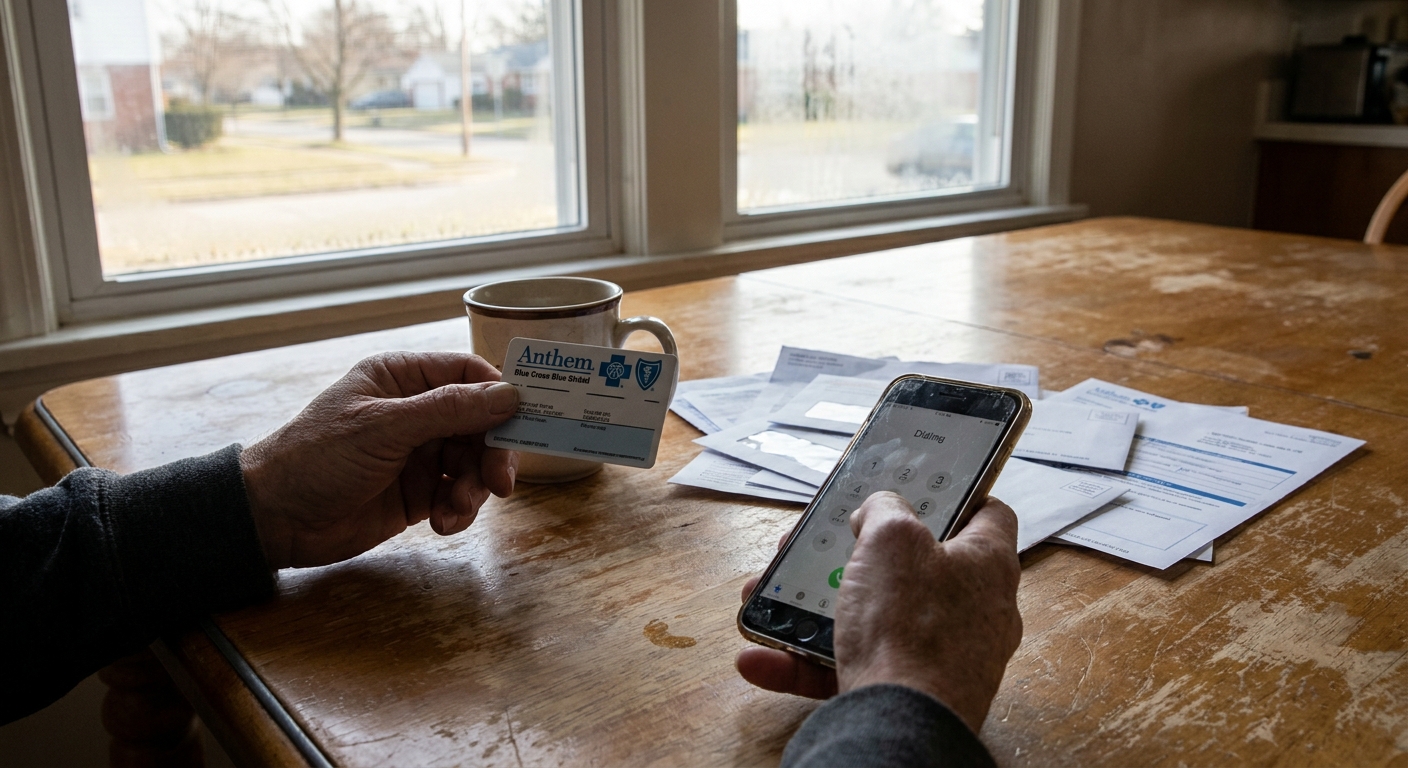
Before your first appointment, call the member services number on your insurance card and get answers to four specific questions. First, does your plan cover inpatient detox for opioid use disorder. Second, does it cover MAT, specifically buprenorphine and methadone. Third, is prior authorization required before starting any level of care. Fourth, what is your out-of-pocket maximum for substance use disorder treatment this calendar year. Get these answers in writing, either via email confirmation or a secure portal message. Verbal assurances from insurance representatives are not reliable enough to build a treatment plan around.
What to look for in a mahoning county treatment provider
SAMHSA’s Principles of Drug Addiction Treatment identify individualized treatment planning, licensed clinical staff, MAT integration, and continuing care planning as the distinguishing features of effective programs. Translated into what a non-clinical person can assess on a phone call or during a tour: ask whether the program creates an individualized plan for each person rather than a standardized curriculum, ask whether clinical staff hold licensure in addiction counseling or a related mental health field, and ask what their continuing care plan looks like after the primary treatment episode ends. Programs that cannot answer these questions clearly are telling you something important.
The best program is the one that matches your specific circumstances: co-occurring mental health conditions, insurance coverage, schedule constraints, and the level of care your situation actually requires. For those also navigating opioid use disorder in the broader Youngstown area, the same criteria apply. Write down your three non-negotiables before making the first call so you evaluate providers against your needs rather than accepting whatever is presented.
What to try this week
Call SAMHSA’s National Helpline at 1-800-662-4357. It operates 24 hours a day, seven days a week, connects you to local treatment referrals in Mahoning County, and costs nothing. The call does not commit you to anything. It starts a conversation with someone who knows what is available locally and can help you identify which level of care fits your situation. Make that call within the next 24 hours, before the urgency fades. Everything else in this guide is context for that step.
Frequently asked questions
What types of heroin addiction treatment are available in mahoning county, ohio?
Mahoning County has access to the full continuum of care for heroin use disorder: medical detox for managing withdrawal, inpatient and residential programs for intensive stabilization, and outpatient options including intensive outpatient for those with stable home environments. Medication-assisted treatment using buprenorphine, methadone, or naltrexone is available through both office-based providers and licensed opioid treatment programs in the region.
Does ohio medicaid cover heroin treatment in mahoning county?
Yes. Ohio Medicaid covers substance use disorder treatment, including detox and medication-assisted treatment, through all of its managed care plans operating in Mahoning County, including CareSource, Buckeye, Molina, and others. The MAT benefit specifically covers buprenorphine and methadone. Contact your plan’s member services line to verify prior authorization requirements before starting treatment.
How long does heroin addiction treatment take?
There is no universal timeline. Medical detox typically lasts 5 to 10 days. Residential treatment programs run from 28 to 90 days, with research supporting longer stays for better outcomes. Outpatient treatment, including medication management, often continues for a year or more. Recovery is not a fixed-length event, and programs that offer a hard discharge date without a continuing care plan are worth questioning.
What is medication-assisted treatment and is it available near youngstown?
Medication-assisted treatment (MAT) uses FDA-approved medications, primarily buprenorphine, methadone, and naltrexone, to reduce cravings and block the effects of opioids. It is the evidence-based standard of care for heroin use disorder and is available through providers and opioid treatment programs in and around the Youngstown and Mahoning County area. Finding the right provider for opioid use disorder starts with confirming MAT availability before anything else.
What if heroin addiction is combined with depression or PTSD?
Co-occurring mental health conditions are present in more than half of people with opioid use disorder. Programs that treat only the addiction without addressing depression, PTSD, or anxiety leave the most likely drivers of relapse untreated. Ask any prospective provider directly whether they conduct dual diagnosis assessments and provide integrated mental health treatment alongside addiction care. Those that do not are not the right fit for a complex presentation.
How do I help a family member access heroin treatment in mahoning county?
SAMHSA’s helpline at 1-800-662-4357 is available around the clock and provides local referrals at no cost. Families can also contact local addiction treatment resources in the Austintown and Mahoning County area to understand what intake looks like and how to support someone who is not yet ready to make the call themselves. The most useful thing a family member can do is gather information in advance so the path is clear when the person is ready to take it.