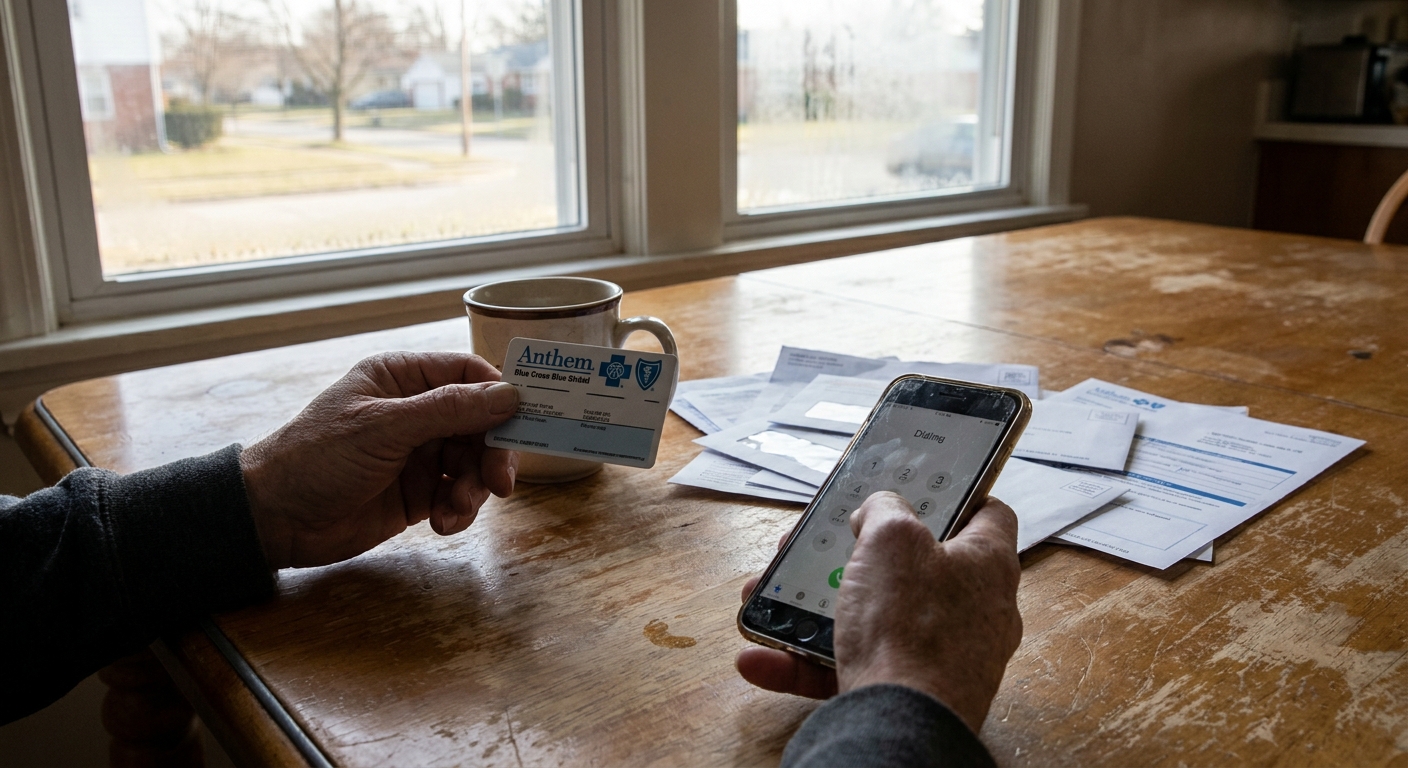
Ohio Medicaid covered nearly 3.4 million residents as of 2024, and for Lucas County adults seeking substance use treatment, Anthem Medicaid is one of the primary managed-care plans delivering that benefit. This guide explains exactly what Anthem Medicaid covers for rehab in Lucas County, how prior authorization works, what the process costs you, and how to start treatment this week.
What anthem medicaid covers for rehab in lucas county
A 2023 SAMHSA National Survey on Drug Use and Health found that only 13% of people with a substance use disorder received any treatment in the prior year, with cost and coverage confusion cited among the top barriers. In Ohio, Medicaid expansion under the ACA has worked directly against that gap. Anthem Medicaid, operating as one of Ohio’s contracted managed-care plans, covers the full continuum of substance use disorder (SUD) treatment under federal parity law , and that continuum is more complete than most people realize.
Covered services under Anthem Medicaid for Lucas County residents include medically supervised detox, short-term inpatient rehab, residential treatment, Partial Hospitalization Programs (PHP), Intensive Outpatient Programs (IOP), standard outpatient counseling, Medication-Assisted Treatment (MAT) with all three FDA-approved medications, and integrated co-occurring mental health treatment. This is not a stripped-down benefit. The Mental Health Parity and Addiction Equity Act (MHPAEA) requires Anthem to cover SUD treatment at least as generously as it covers comparable medical and surgical conditions.
Medical detox coverage under anthem medicaid
Medical detox is the supervised process of clearing substances from the body while managing withdrawal symptoms with clinical support. For opioid, alcohol, and benzodiazepine dependence specifically, detox is not optional , withdrawal from these substances carries genuine medical risk, including seizures and cardiovascular complications. Anthem Medicaid covers medically supervised detox in Lucas County, and authorization follows the American Society of Addiction Medicine (ASAM) Level of Care criteria, which evaluate six dimensions including withdrawal risk and medical complications.
According to SAMHSA’s 2022 Treatment Episode Data Set, alcohol and opioids account for the majority of detox admissions nationally, and medically managed detox reduces complication rates significantly compared to unsupervised withdrawal. The practical step: before admission to any detox facility, call Anthem member services (the number is on the back of your Medicaid card) to confirm authorization has been initiated. Most in-network facilities handle this directly, but verifying it before your first day removes any ambiguity.
Inpatient and residential rehab coverage
Short-term inpatient rehab is hospital-based, typically running 3 to 7 days, and focuses on acute stabilization following detox. Residential treatment is longer, usually 28 to 90 days, and takes place in a live-in clinical setting focused on structured recovery programming. Both are covered under Anthem Medicaid with prior authorization, and both use ASAM criteria to justify medical necessity.
A 2020 study published in the Journal of Substance Abuse Treatment found that longer residential stays (90 days or more) were associated with significantly better 12-month abstinence outcomes for opioid use disorder compared to stays under 30 days. Authorization for extended residential stays requires documented clinical justification, typically provided by the treatment facility’s clinical team based on ongoing assessment. The question to ask your provider before admission: “Will your team submit a length-of-stay extension request if my ASAM assessment supports continued residential care?” The answer should be yes at any credible Anthem Medicaid-contracted facility.
PHP, IOP, and outpatient levels of care
Partial Hospitalization Programs and Intensive Outpatient Programs are the step-down levels most Lucas County residents transition into after completing detox or residential treatment. PHP runs 20 or more hours per week of structured clinical programming, typically five days a week, without overnight stays. IOP runs 9 to 19 hours per week, offering more scheduling flexibility while maintaining clinical intensity. Standard outpatient counseling drops below 9 hours per week and is appropriate for maintenance and relapse prevention. Anthem Medicaid covers all three levels.
Research published in Drug and Alcohol Dependence in 2021 tracked 1,200 patients through step-down care following residential treatment and found that completion of at least one lower level of care reduced 6-month relapse rates by 34% compared to those who discharged directly to no structured care. For a deeper look at how Toledo-area Medicaid plans handle this coverage tier, the structure is similar across managed-care plans, though network specifics vary. To use this coverage: ask your residential or detox provider to submit a step-down authorization request to Anthem before your discharge date, not after.
Medication-assisted treatment (MAT) coverage
The three FDA-approved medications for opioid use disorder are buprenorphine (sold under the brand name Suboxone among others), methadone, and naltrexone (Vivitrol). Anthem Medicaid covers all three in Lucas County. Buprenorphine is the most commonly prescribed in outpatient settings; methadone is dispensed through licensed opioid treatment programs (OTPs); naltrexone is an injectable antagonist used after full detox.
SAMHSA and NIDA have both published extensive data on MAT outcomes. A 2021 study in The New England Journal of Medicine found that patients maintained on buprenorphine had a 38% lower risk of opioid-related overdose death compared to those not on medication. The prior authorization process for buprenorphine specifically requires clinical documentation of opioid use disorder diagnosis, previous treatment history, and prescriber information. The concrete action: ask your prescriber to submit the prior authorization request on the same day as your first appointment. Delays in PA submission are the single most common reason patients experience gaps in medication access.
Co-occurring mental health treatment
A 2022 report from the Ohio Department of Mental Health and Addiction Services found that more than 60% of Ohio adults entering SUD treatment also met criteria for at least one co-occurring mental health condition, most commonly depression, anxiety, PTSD, or bipolar disorder. Anthem Medicaid covers integrated treatment for co-occurring conditions under the same benefit, and the MHPAEA requires that mental health coverage be no more restrictive than coverage for medical conditions.
The practical issue is sequencing. If your intake assessment only screens for substance use and misses the mental health diagnosis, Anthem may only authorize SUD treatment. Getting both authorized simultaneously requires both diagnoses to appear in the initial clinical assessment. The action: at intake, specifically tell the clinician about any mental health symptoms you experience, including sleep disruption, persistent low mood, anxiety, or trauma history. Make it explicit so the assessment captures both conditions and both treatment needs go into the authorization request from day one.
How prior authorization works with anthem medicaid in lucas county
Prior authorization is not a barrier designed to prevent treatment. It is a clinical review process with defined criteria and predictable timelines. A 2023 KFF analysis of Medicaid managed-care plans found that SUD services had prior authorization approval rates above 85% when submitted with complete clinical documentation. The framework Anthem uses is the ASAM Level of Care criteria, a six-dimension clinical assessment tool that matches patients to treatment intensity based on their specific needs. Understanding that framework exists and that your treatment provider should be fluent in it is the most important thing you can do before admission.
If your PA is delayed , which sometimes happens at high-volume times , call Anthem’s behavioral health line directly, identify yourself as a member in need of urgent SUD authorization, and ask for an expedited review. Federal Medicaid rules require managed-care plans to complete expedited PA requests within 72 hours when a delay would seriously jeopardize health.
What information anthem requires for authorization
Anthem’s prior authorization review for SUD treatment typically requires a completed clinical assessment with an ASAM level-of-care recommendation, a documented substance use history including substances used and duration, prior treatment episodes and their outcomes, current medical and psychiatric diagnoses, and a medical necessity justification written by a licensed clinician. The treatment facility handles the submission, but the accuracy of that documentation depends on the information you provide at intake.
A 2022 study in Psychiatric Services found that incomplete intake documentation was the single largest driver of prior authorization delays across behavioral health services, adding an average of 4.2 days to authorization timelines. The action: before your intake appointment, write a brief summary of your substance use history , substances, frequency, approximate start dates, and any prior treatment. Bring it with you or have it ready to share verbally. Giving your intake clinician complete information on the first pass shortens the entire timeline.
What to do if anthem denies a claim
Denials happen, and they are not final. The appeals process follows two steps: first, an internal appeal filed directly with Anthem, and second, an external independent review through the Ohio Department of Insurance if the internal appeal is unsuccessful. You have the right to both, and you can request an expedited appeal if your situation is urgent.
The MHPAEA is your most powerful tool in an appeal. If Anthem denies authorization for a level of SUD care that it would approve for a comparable medical or surgical condition , for example, denying residential SUD treatment while approving inpatient medical stays of similar length , that denial is legally challengeable under federal parity law. The Substance Use-Disorder Prevention that Promotes Opioid Recovery and Treatment (SUPPORT) Act of 2018 strengthened parity enforcement for Medicaid managed-care plans specifically. The action: request the denial letter in writing within 24 hours of any verbal denial. The letter must state the specific clinical reason for denial, which becomes the basis of your appeal.
Finding anthem medicaid-accepted rehab providers in lucas county
Anthem’s online provider directory, accessible through the Anthem Medicaid member portal, allows you to filter by specialty, location, and plan type. The Ohio Mental Health and Addiction Services (OhioMHAS) treatment locator at findhelp.ohio.gov provides a parallel search tool specifically for licensed SUD providers. Using both is the most thorough approach. For Lucas County residents, the Toledo metro area has multiple in-network SUD providers, and in-network status eliminates all cost-sharing for covered services.
A 2023 OhioMHAS network adequacy report found that the majority of Ohio Medicaid managed-care plans met federal time-and-distance standards for behavioral health provider access in urban counties, including Lucas County. The limitation of online directories is that they lag real-time network changes. Providers enter and exit networks, and a directory listing does not guarantee a current contract. The action: verify in-network status directly with the provider by phone before your first appointment, not solely based on the directory.
Questions to ask a rehab center before you enroll
There are five questions that every Lucas County resident should ask before enrolling in any treatment program. First: do you accept Anthem Medicaid? Second: are you currently in-network with Anthem’s Medicaid plan (not just commercial Anthem)? Third: do you handle prior authorization in-house, or does that fall to the patient? Fourth: do you offer Medication-Assisted Treatment, or do you have a referral relationship with an MAT prescriber? Fifth: do you treat co-occurring mental health conditions, or only substance use?
A 2021 study in the Journal of Addiction Medicine found that treatment matching , placing patients in programs aligned with their clinical complexity , improved 90-day retention rates by 28% compared to geographic convenience placements. These questions are not bureaucratic formalities. The answers determine whether the program can actually address your full clinical picture and handle the insurance process without delays. Make the call before you commit to any intake appointment.
Telehealth rehab options for lucas county residents
Anthem Medicaid covers telehealth-delivered IOP and outpatient counseling in Ohio, a coverage expansion that became permanent following changes introduced during and after the COVID-19 public health emergency. Telehealth works best for people facing transportation barriers, scheduling constraints around work or childcare, or geographic distance from Toledo’s urban treatment cluster. It is not a lesser form of care for appropriate candidates.
A 2022 study in JAMA Psychiatry followed 1,100 adults with opioid use disorder through telehealth IOP versus in-person IOP and found no statistically significant difference in treatment completion rates or 6-month abstinence outcomes. Before scheduling your in-person intake, ask any prospective provider whether they offer a telehealth track. For many Lucas County residents, a hybrid model combining telehealth IOP with in-person MAT appointments produces the most sustainable schedule.
What anthem medicaid does not cover , and how to fill the gaps
Anthem Medicaid does not cover luxury residential amenities, private rooms at premium facilities that charge above Medicaid reimbursement rates, most long-term sober living or transitional housing arrangements, or out-of-state residential facilities that are not contracted with Ohio Medicaid. These exclusions are real, and ignoring them leads to surprise financial situations. A 2022 CMS report on Medicaid behavioral health coverage found that sober living and transitional housing remained the most common gap across state Medicaid programs, with fewer than 20% of states providing any coverage.
None of these gaps mean treatment is unavailable. They mean your planning needs to account for them. Many Lucas County residents also carry coverage through multiple programs simultaneously, and understanding what Ohio Medicaid actually pays for across all managed-care plans helps clarify which gaps are universal and which are Anthem-specific. The action: before your first day of treatment, ask the treatment center’s financial counselor to walk through your full coverage, identify any excluded services you are likely to need, and point you toward community resources or sliding-scale options for those gaps.
When you need out-of-network care
There are narrow circumstances where out-of-network care becomes necessary , most commonly, when no in-network facility has available beds or when a specific clinical need (such as a medically complex dual diagnosis) cannot be met by any in-network provider within a reasonable distance. Ohio’s Medicaid managed-care contract standards require Anthem to cover out-of-network care when no adequate in-network option is accessible. This is not a guarantee that any OON provider of your choice will be covered, but it is a mandate that Anthem cannot simply leave you without options.
If you are told that no in-network beds are available, do not accept that answer as a dead end. Call Anthem’s behavioral health line directly and ask for a single-case agreement with a specific out-of-network provider. Document the call, the representative’s name, and the response. Single-case agreements are standard managed-care tools and are approved routinely when network gaps are verified.
Ohio’s medicaid managed care system: where anthem fits
Ohio contracts with multiple managed-care organizations (MCOs) to administer Medicaid benefits, rather than running a single state-managed program. The current Ohio Medicaid MCOs include Anthem, CareSource, Buckeye Health Plan, Molina Healthcare, Aetna Better Health, AmeriHealth Caritas Ohio, and Humana Healthy Horizons. Each plan administers the same state-minimum benefit package, but network composition, prior authorization processes, and care management programs differ by plan.
Lucas County residents enrolled in Medicaid are assigned to one of these plans, and that assignment determines which specific network and authorization rules apply to their care. ODJFS data from 2023 shows Anthem among the plans with meaningful enrollment in northwest Ohio, including Lucas County. Facilities like Midwest Recovery Center accept Ohio Medicaid through most of the state’s managed-care plans, including Anthem, CareSource, Buckeye, Molina, Aetna, AmeriHealth Caritas, and Humana, which is a genuine access advantage in a region where some programs accept only one or two plans. For residents of neighboring Mahoning County, coverage through Buckeye’s Medicaid plan follows a similar managed-care structure with its own network specifics.
The action before you call any provider: check the front of your Medicaid card and confirm which managed-care plan is listed. Do not assume. Calling a provider with the wrong plan information wastes time and can result in incorrect benefit verification.
How anthem medicaid differs from anthem commercial insurance in lucas county
Many Lucas County residents have had Anthem commercial insurance through an employer at some point, and the two products share a name while functioning very differently. Anthem Medicaid has no premiums, no deductibles, and no copayments for covered SUD treatment services for most members. Anthem commercial insurance involves cost-sharing at every level , deductibles that can run into the thousands, copays per service, and coinsurance percentages. The prior authorization processes also differ: commercial plans often use different clinical reviewers, different criteria thresholds, and different network panels than the Medicaid plan.
A 2023 KFF analysis comparing Medicaid and commercial coverage for behavioral health services found that Medicaid beneficiaries faced significantly lower financial barriers to initiating treatment, particularly for outpatient and MAT services, compared to commercially insured individuals with high-deductible plans. If you recently lost employer-based Anthem coverage and enrolled in Ohio Medicaid, do not assume your previous treatment providers are still in-network. The commercial and Medicaid network panels at Anthem are separate, and a provider who accepted your commercial plan may not be contracted with the Medicaid plan. Verify each provider individually under your new coverage.
The cost of rehab with anthem medicaid in lucas county
Anthem Medicaid members pay $0 out of pocket for covered SUD treatment services at in-network providers in Ohio. No deductibles. No coinsurance. No surprise bills for covered services. Ohio’s Medicaid program, expanded under the ACA, prohibits cost-sharing on most services for expansion adults, and SUD treatment is explicitly covered. The Ohio Medicaid Covered Families and Children group and the adult expansion group both operate under these protections.
A 2022 Health Affairs study examining treatment entry rates following Medicaid expansion found that states with full expansion saw a 21% increase in SUD treatment admissions among low-income adults compared to non-expansion states, with cost elimination cited as the primary driver of the difference. The mechanism is direct: removing financial barriers to treatment entry removes one of the most concrete reasons people delay getting help. If any in-network provider asks you for upfront payment for covered SUD services, that is a billing compliance issue. Report it immediately to Anthem’s member services line, which is available 24 hours a day on the back of your card.
How to start the process this week
The sequence is straightforward. First, confirm your Anthem Medicaid plan is active by calling member services or logging into the Anthem member portal. Second, ask member services for a referral to in-network SUD providers in Lucas County , they maintain a current list and can confirm real-time network participation. Third, call the provider using the intake verification questions from this guide: confirm Anthem Medicaid acceptance, in-network status, in-house PA handling, MAT availability, and co-occurring mental health treatment capacity. Fourth, ask the provider to initiate prior authorization on the same day as your intake assessment, not after.
A 2021 study in Addiction published by researchers at the University of Pennsylvania examined treatment entry rates across 14 states and found that each additional administrative step between a person’s decision to seek care and their first clinical contact reduced actual treatment entry by approximately 9%. The research confirms what anyone who has navigated this process already suspects: the faster you move through the administrative steps, the more likely you are to start treatment. Understanding what Medicaid covers for drug rehab in Toledo broadly, across all plans, is useful context , but for Anthem Medicaid members specifically, the path above is the most direct one available.
Make the call to Anthem member services today. The number is on the back of your card. Everything else in this guide gives that call a foundation.
Frequently asked questions
Does anthem medicaid cover inpatient rehab in lucas county?
Yes. Anthem Medicaid covers inpatient and residential rehab in Lucas County with prior authorization. Authorization follows the ASAM Level of Care criteria, and the facility you choose handles the submission. Confirm that any facility you consider is in-network with Anthem’s Medicaid plan before admission.
How long does prior authorization take for rehab services through anthem medicaid?
Standard prior authorization requests are processed within 3 to 5 business days. Expedited requests, used when a delay would seriously jeopardize health or safety, must be completed within 72 hours under federal Medicaid rules. Ask for an expedited review if you are in acute withdrawal or at immediate risk.
Can anthem medicaid members get suboxone or other MAT medications covered in lucas county?
Yes. Anthem Medicaid covers all three FDA-approved MAT medications: buprenorphine (Suboxone), methadone (through licensed opioid treatment programs), and naltrexone (Vivitrol). Buprenorphine requires prior authorization. Ask your prescriber to submit the PA request at the same appointment where treatment begins.
What happens if there are no anthem medicaid in-network rehab beds available in lucas county?
Ohio Medicaid managed-care contract rules require Anthem to cover out-of-network care when no adequate in-network option is available within a reasonable distance. Call Anthem’s behavioral health line, describe the network gap, and request a single-case agreement with a specific out-of-network provider. Document every call.
Does anthem medicaid cover treatment for depression or anxiety alongside addiction rehab?
Yes. Anthem Medicaid covers integrated co-occurring treatment for mental health conditions alongside SUD treatment under the same benefit. The MHPAEA requires this coverage to be no more restrictive than comparable medical coverage. Disclose all mental health symptoms at your intake assessment so both diagnoses are documented and both receive authorization from the start.
Does midwest recovery center accept anthem medicaid?
Yes. Midwest Recovery Center accepts Ohio Medicaid through most of the state’s managed-care plans, including Anthem, CareSource, Buckeye, Molina, Aetna, AmeriHealth Caritas, and Humana. This breadth of Medicaid acceptance is uncommon among private treatment programs and makes it an accessible option for Lucas County residents regardless of which Ohio Medicaid plan they carry.