Lucas County recorded 172 overdose deaths in 2022, according to the Ohio Department of Health, making Northwest Ohio one of the state’s hardest-hit regions for substance use disorder. If you’re searching for addiction treatment in Toledo, Ohio, you’re already taking the most important step, and this guide gives you a clear framework for understanding your options, your coverage, and what to look for in a program worth trusting.
The addiction crisis hitting toledo right now
The Ohio Department of Health’s 2023 overdose data shows fentanyl involved in more than 80% of unintentional drug overdose deaths statewide, a pattern fully reflected in Lucas County’s numbers. SAMHSA’s 2023 National Survey on Drug Use and Health estimated that roughly 46 million Americans aged 12 and older met criteria for a substance use disorder in the past year, yet fewer than 25% received any form of specialty treatment. In Toledo and the surrounding Northwest Ohio area, that treatment gap is real and measurable: many people who need care never make a call, often because they don’t know where to start or assume they can’t afford it.
What the data also shows, consistently, is that treatment works. According to SAMHSA, evidence-based treatment reduces drug use, improves employment outcomes, and lowers criminal justice involvement. The resources exist here. The coverage often already exists on your insurance card. The barrier, in most cases, is information, not access.
What addiction treatment actually means
“Going to rehab” is not one thing. It’s a phrase that collapses an entire clinical continuum into a single image, and that image leads people to seek the wrong level of care or avoid treatment altogether because they assume it means weeks away from work and family. The National Institute on Drug Abuse describes addiction treatment as a staged, individualized process that matches the intensity of care to the severity of the problem, a model known as stepped care.
The continuum runs from medical detox through inpatient or residential treatment, then to partial hospitalization (PHP), intensive outpatient (IOP), standard outpatient, and ongoing recovery support. Each level has a specific clinical purpose. Understanding them helps you ask the right questions when you contact a facility, and it keeps you from accepting a placement that doesn’t match where you actually are clinically.
Medical detox: the first step for many
For alcohol, opioids, and benzodiazepines, stopping without medical supervision carries genuine physical risk. Alcohol withdrawal can produce seizures and delirium tremens. Opioid withdrawal, while rarely fatal on its own, produces severe symptoms that drive relapse before treatment even begins. The American Society of Addiction Medicine (ASAM) criteria specify that anyone with significant physiological dependence on these substances warrants a medical evaluation before stepping into any other level of care.
Medical detox typically lasts three to seven days depending on the substance and the individual’s history. The point is to stabilize you safely and transition you into treatment, because detox alone changes nothing about the underlying disorder. It is the door to treatment, not treatment itself.
Medication-assisted treatment (MAT) in toledo
A 2023 SAMHSA analysis of opioid use disorder outcomes found that buprenorphine and methadone reduce opioid use, overdose deaths, and treatment dropout rates significantly compared to non-medicated approaches. Naltrexone, available in an injectable monthly form (Vivitrol), is used for both opioid and alcohol use disorder with strong evidence behind it. These are not substitutes for “real” treatment; they are a core component of evidence-based care.
MAT is available across the Toledo area through multiple providers. If opioid use is the primary concern, ask every facility you contact one direct question: do you offer medication-assisted treatment, and do you maintain it after discharge? A program that stops MAT at discharge is not following current clinical standards.
How to choose the right level of care
ASAM’s Patient Placement Criteria evaluate six dimensions to determine where someone should start in the continuum: acute intoxication and withdrawal potential, biomedical conditions, emotional and behavioral conditions, readiness to change, relapse potential, and the recovery environment. These dimensions replace the old notion that severity alone determines placement. Someone with a moderate substance use disorder but a deeply unstable home environment and a history of trauma warrants a higher level of care than their substance use history alone would suggest.
The practical translation: the right level of care is a clinical determination, not a willpower contest. A thorough intake assessment conducted by a licensed clinician is what tells you where to start. If you’re unsure whether you or a loved one needs inpatient or outpatient care, that assessment is the answer, not your own estimate of how bad things are.
Signs you or a loved one needs inpatient care
A 2019 study published in the Journal of Substance Abuse Treatment found that individuals with prior failed outpatient attempts, co-occurring psychiatric conditions, and limited social support had significantly better outcomes when placed in residential treatment compared to repeat outpatient episodes. The clinical indicators that point toward inpatient or residential care include: a high withdrawal risk based on substance type and use history, previous outpatient treatment that didn’t hold, a home environment with active substance use or significant instability, a co-occurring mental health condition that needs simultaneous stabilization, or a lack of sober social support.
If two or more of these apply to your situation, request a full clinical assessment before committing to any outpatient program. An honest intake process at a quality facility will tell you plainly what level of care the evidence supports. For a detailed look at what drives treatment choices across Lucas County, the local landscape has specific resources worth knowing.
When outpatient treatment is the right fit
A 2021 meta-analysis in the Journal of Substance Abuse Treatment found that intensive outpatient programs produced outcomes equivalent to inpatient care for individuals with stable housing, adequate social support, and lower-severity substance use. IOP typically runs three to four hours per day, three to five days per week, and allows people to maintain employment and family responsibilities while receiving structured clinical care.
Outpatient is not the easier path; it is the clinically appropriate path for the right person. The demands are real: you are expected to build recovery skills while still navigating daily life. If your environment supports that, outpatient works. If it doesn’t, pushing through outpatient repeatedly is not persistence, it’s the wrong level of care.
Co-occurring mental health conditions: why dual diagnosis matters
SAMHSA’s 2023 National Survey on Drug Use and Health found that 21.5 million adults in the United States had co-occurring mental health and substance use disorders in the past year. In practical terms, that means if you’re seeking treatment for addiction, there’s a meaningful probability that depression, anxiety, PTSD, or trauma is part of the clinical picture.
Integrated dual-diagnosis treatment addresses both conditions within the same program, with the same clinical team, using therapies specifically designed for co-occurring presentations. Treating them separately, seeing a psychiatrist for depression and a different program for substance use, produces worse outcomes because the two conditions feed each other. When you evaluate any Toledo facility, ask directly: is mental health treatment integrated into your addiction program, or do you refer it out? The answer tells you whether the program is built for the full complexity of what you’re dealing with.
Insurance coverage for addiction treatment in toledo
The Mental Health Parity and Addiction Equity Act (MHPAEA) requires that insurers cover substance use disorder treatment on terms no more restrictive than coverage for medical or surgical conditions. According to a KFF analysis, this law significantly expanded access to SUD treatment, though enforcement varies by plan. In practice, most commercial plans cover detox, inpatient, PHP, IOP, and outpatient care, with varying prior authorization requirements.
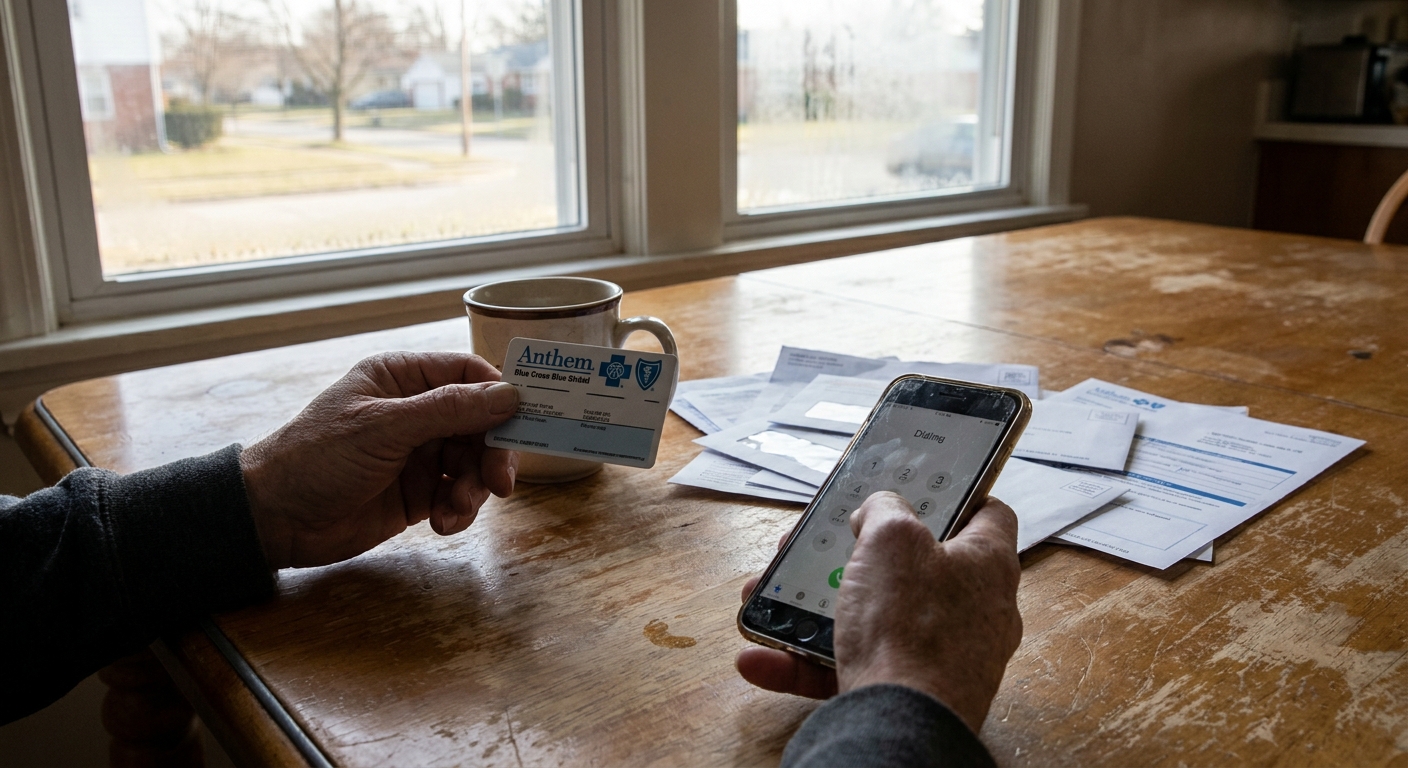
Commercial payers active in the Toledo market include Aetna, Anthem Blue Cross Blue Shield, Cigna, Optum, and Tricare. Each covers the treatment continuum, though the specific benefits depend on your plan tier. The most direct action you can take right now: call the member services number on the back of your insurance card and ask two questions. Does my plan cover inpatient substance use disorder treatment? And what is my out-of-pocket maximum for behavioral health services? Those two answers frame your financial picture before you make a single facility call.
Ohio medicaid and medicaid managed care plans
Ohio Medicaid covers the full treatment continuum for substance use disorder, including detox, residential, PHP, IOP, outpatient, and MAT. Coverage is administered through managed-care plans rather than fee-for-service in most cases. The managed-care plans operating in the Toledo area include CareSource, Buckeye Health Plan, Molina Healthcare, Anthem, Aetna, AmeriHealth Caritas, and Humana.
Each managed-care plan has its own prior authorization process for inpatient and residential levels of care. The practical step: know your managed-care plan name before you call any facility for an intake. Quality programs can verify your benefits in real time during that first call, but having your plan name ready eliminates a delay that sometimes discourages people from following through.
Tricare coverage for veterans and military families
Tricare covers inpatient detoxification, residential rehabilitation, partial hospitalization, and outpatient SUD treatment for eligible beneficiaries. The VA MISSION Act also expanded community care options, allowing veterans who meet eligibility criteria to access private-sector treatment when VA capacity or proximity is limited.
According to the Department of Veterans Affairs, veterans are 1.5 times more likely than non-veterans to die by suicide, and substance use disorder is a significant contributing factor. If you or a family member has Tricare coverage, contact the Toledo VA clinic or the VA Ann Arbor Healthcare System to request a substance use disorder screening before selecting a private facility. VA coordination can clarify whether community care authorization is available, which affects your out-of-pocket costs.
What to look for in a toledo addiction treatment program
A 2022 review published in Drug and Alcohol Dependence identified accreditation status, licensed clinical staffing, and use of manualized evidence-based therapies as the three strongest structural predictors of treatment quality. In practice, this means you’re looking for programs accredited by the Commission on Accreditation of Rehabilitation Facilities (CARF) or the Joint Commission, staffed by licensed chemical dependency counselors (LCDCs), licensed social workers (LSWs), and psychologists, and using therapies with a documented evidence base: cognitive behavioral therapy (CBT), dialectical behavior therapy (DBT), motivational interviewing, and contingency management.
Accreditation is the floor, not the ceiling. It tells you the program meets baseline standards. What separates good programs from excellent ones is whether they use individualized treatment planning, integrate family involvement meaningfully, and can show you real outcome data when you ask. If they can’t, that’s worth noting. For a deeper look at what separates quality programs in this region, the clinical markers are consistent regardless of which facility you’re considering.
Questions to ask any facility before you commit
A core NIDA principle on treatment quality holds that no single treatment is appropriate for everyone, and good programs demonstrate this through individualized assessment. Before you commit to any program, ask these five questions directly:
What therapies do you use, and are they manualized and evidence-based? Do you offer MAT, and do you maintain it after discharge? How do you handle co-occurring mental health conditions, and is that care integrated or referred out? What does your aftercare and continuing care plan look like from day one? And what are your outcome metrics, specifically, completion rates and six-month sobriety data?
Write these down before your first call and read them aloud. A program with nothing to hide answers all five without hesitation.
The role of aftercare and long-term recovery support
A 2020 study led by A. Thomas McLellan and published in Drug and Alcohol Dependence found that 40 to 60% of people with substance use disorder relapse at some point, a rate consistent with other chronic medical conditions like hypertension and asthma. Addiction is a chronic condition. The treatment episode is not the finish line; it’s the beginning of an ongoing management process.
Robust aftercare includes step-down levels of care (moving from residential to PHP to IOP rather than jumping to nothing), peer recovery support specialists, sober living options, alumni programs, 12-step or SMART Recovery participation, and ongoing MAT where indicated. Before you enroll in any program, ask one question on day one: what does my discharge plan look like? A quality facility begins planning for what comes after treatment from the moment you walk in. If the answer is vague, that’s a signal about the program’s long-term orientation. Families navigating these decisions across the broader region, including those exploring options closer to Maumee, will find the same aftercare principles apply regardless of geography.
Local and state resources available in toledo
The Lucas County ADAMHS (Alcohol, Drug Addiction and Mental Health Services) Board funds and coordinates local treatment and recovery services. OhioMHAS reports that the ADAMHS system connects residents to publicly funded treatment options when private coverage is unavailable or insufficient. The Ohio Addiction Recovery and Mental Health Services (ARMS) helpline, reachable at 1-800-662-4357, operates around the clock and can provide referrals, crisis support, and navigation assistance.
The Ohio CareLine (1-800-720-9616) provides crisis counseling for mental health emergencies, including situations where substance use and mental health crises overlap. Local crisis services through the Lucas County 9-8-8 system are also available. Save these numbers in your phone now, not when you need them. Having them ready removes the friction that, in a real crisis moment, stops people from making the call.
Common mistakes to avoid when seeking treatment
Research published by SAMHSA shows consistently that earlier treatment intervention produces better outcomes, lower treatment costs, and shorter time to stable recovery. Waiting for “rock bottom” is not a clinical strategy; it is a delay that allows physical and social consequences to compound. The idea that someone has to want it badly enough before treatment works is contradicted by decades of outcome data showing that externally motivated entry to treatment produces results comparable to self-motivated entry.
The second common mistake is choosing a facility based on amenities rather than clinical quality. A beautiful facility with poor clinical practices produces poor outcomes. Accreditation, staff licensure, and evidence-based therapy matter more than private rooms.
Stopping treatment early when symptoms improve is the third error. Symptom reduction in the first weeks of treatment does not indicate resolved addiction. The neurological changes underlying substance use disorder take months of consistent engagement to stabilize, and early dropout is one of the strongest predictors of relapse.
The fourth mistake is incomplete disclosure at intake. Clinical staff use your full history, all substances, all mental health symptoms, all prior treatment episodes, to build the safest and most effective care plan. Withholding information to seem less severe results in a plan built on incomplete data. Be fully honest at your intake assessment. That honesty is the single most impactful thing you control in the early stages of treatment.
What to do this week
One call this week opens every door. Contact the Lucas County ADAMHS Board or the Ohio ARMS helpline at 1-800-662-4357. That call costs nothing, takes less than ten minutes, and connects you to someone who can tell you what local options match your situation, your coverage, and your clinical needs. You don’t need to have everything figured out before you pick up the phone. The people on the other end of that line do this work every day.
Treatment works. Coverage likely already exists in your insurance plan. Toledo and Northwest Ohio have the clinical infrastructure to support recovery at every level of care. The only thing that delays it further is waiting.
Frequently asked questions
How long does addiction treatment in toledo typically take?
Treatment length depends on the level of care and individual clinical progress. Medical detox runs three to seven days. Residential treatment typically spans 28 to 90 days. PHP and IOP programs generally run four to twelve weeks. Standard outpatient continues for months in most cases. NIDA recommends a minimum of 90 days of total treatment engagement for meaningful outcomes, and many people benefit from longer involvement across multiple levels of care.
Can I get addiction treatment in toledo if I have ohio medicaid?
Yes. Ohio Medicaid covers the full continuum of substance use disorder treatment, including detox, residential, PHP, IOP, outpatient, and MAT. Coverage is administered through managed-care plans such as CareSource, Buckeye, Molina, Anthem, Aetna, AmeriHealth Caritas, and Humana. Call your managed-care plan’s member services line or ask the facility’s admissions team to verify your benefits before your intake appointment.
What is the difference between PHP and IOP?
Partial hospitalization (PHP) is the higher-intensity option, typically running five to six hours per day, five days per week. It’s appropriate for people stepping down from residential care or who need more structure than standard outpatient provides. Intensive outpatient (IOP) runs three to four hours per day, three to five days per week, and suits people with stable home environments and lower-severity presentations. A clinical assessment determines which level fits your situation.
Does addiction treatment in toledo address mental health conditions too?
Quality programs offer integrated dual-diagnosis treatment that addresses substance use disorder and co-occurring conditions like depression, anxiety, PTSD, and trauma simultaneously. Ask any facility you contact whether mental health care is integrated into the addiction program or referred to a separate provider. Integrated treatment consistently produces better outcomes than parallel but separate care.
What if i’ve tried treatment before and it didn’t work?
Prior treatment attempts are clinical information, not evidence of personal failure. ASAM’s placement criteria specifically account for relapse history and prior treatment episodes when determining the appropriate level of care. A previous outpatient experience that didn’t hold is often an indicator that a higher level of care, such as residential, is warranted. Bring your full treatment history to your intake assessment so clinicians can build a plan that accounts for what has and hasn’t worked before.