Recognizing the signs of addiction early is the single most important factor in whether someone gets better. If you’re searching for an addiction treatment center in Youngstown, Ohio, you’re likely already past the “is this a problem?” stage and need a clear path forward. This guide covers what to look for, how to evaluate a treatment program, and what to do in the next 48 hours.
Why recognizing the signs early changes the outcome
A 2019 National Institute on Drug Abuse analysis of more than 1,000 treatment episodes found that individuals who entered treatment before reaching crisis point were 40% more likely to complete a full program and sustain recovery at the 12-month mark. The mechanism is straightforward: earlier intervention means less neurological damage, fewer co-occurring health complications, and stronger social support still intact.
The stakes in Mahoning County are concrete. According to the Ohio Department of Health, Mahoning County recorded an unintentional drug overdose death rate consistently above the state average throughout the early 2020s, with fentanyl and opioid combinations driving the majority of fatalities. Youngstown and the surrounding communities are not abstract statistics. These are households where the window for early action is narrowing.
What this guide will help you do: identify the physical, behavioral, and social signs that indicate a substance use disorder, distinguish between symptoms that require a treatment call and symptoms that require 911, and evaluate any Youngstown-area treatment center against clear, evidence-based criteria before you commit.
Physical signs that signal a substance use disorder
SAMHSA’s 2023 National Survey on Drug Use and Health, which surveyed over 70,000 adults across the United States, identified physical deterioration as the most externally visible indicator of an active substance use disorder, and the most consistently dismissed by family members until symptoms become severe.
The physical signs worth documenting include: sudden and unexplained weight changes in either direction, persistent sleep disruption or a dramatic reversal of sleep schedule, visible tremors or unsteady movement, progressive neglect of personal hygiene, and bloodshot or pinpoint eyes. Skin changes, such as track marks, frequent bruising, or sores that don’t heal, are specific to certain substances but should be noted.
What this means in practice: if you’re a family member, start a simple written log. Date each observation. Note what you saw, the time, and any context. A two-week log of specific, dated incidents is far more useful to an admissions team than a general sense that “things have gotten bad.” It also helps you stay grounded when the person in question denies or minimizes the behavior.
When physical symptoms cross into medical emergency
The Ohio Department of Health reported that Mahoning County’s drug overdose mortality rate reached 47.3 per 100,000 residents in a recent reporting year, placing it among the hardest-hit counties in a state already ranked among the worst in the nation for overdose deaths.
The line between chronic physical symptoms and acute emergency is specific. Chronic symptoms, including weight loss, hygiene decline, and sleep disruption, warrant a call to an addiction treatment center. Acute emergency signs, including unresponsiveness, slow or stopped breathing, blue lips or fingertips, gurgling sounds, and loss of consciousness, require calling 911 immediately. Do not attempt to manage an overdose alone.
Naloxone, sold under the brand name Narcan, reverses opioid overdose and buys critical time before emergency services arrive. In Mahoning County, Narcan is available without a prescription at most major pharmacy chains, including CVS and Walgreens, and through local harm reduction programs such as the Mahoning County Health Department’s naloxone distribution initiative. Locate a source before an emergency, not during one.
Behavioral and psychological signs in everyday life
A 2022 study published in the journal Drug and Alcohol Dependence, drawing on SAMHSA diagnostic data from over 50,000 respondents, found that behavioral and psychological indicators of substance use disorder appear, on average, 14 months before physical deterioration becomes visible to others. By the time someone looks sick, the problem has been present for more than a year.
The behavioral signs that matter most are: dramatic mood swings that seem disconnected from circumstances, withdrawal from relationships that were previously close, increasing secrecy around phone use, finances, and whereabouts, declining performance at work or school, and risk-taking behavior that is out of character. In DSM-5 terms, these map directly to the criteria of impaired control, social impairment, and risky use. You don’t need the clinical language to recognize the pattern.
The concrete action here is a behavioral baseline exercise. Spend one week writing down specific behavioral moments that concerned you, not impressions, but incidents. “Missed two family dinners without explanation.” “Came home at 3 a.m. on a Tuesday.” “Asked to borrow money for the third time this month.” Specifics matter when you’re deciding whether to act and when you’re talking to an admissions counselor.
Signs specific to co-occurring mental health conditions
A 2020 report from the Substance Abuse and Mental Health Services Administration found that 17 million adults in the United States had a co-occurring substance use disorder and mental illness in the prior year, yet fewer than half received treatment for either condition. More critically, the report found that depression, anxiety, and PTSD frequently mask active addiction, and active addiction frequently mimics the symptoms of both.
This matters because what looks like severe depression or escalating anxiety may actually be a dual diagnosis that requires integrated treatment. A treatment center serving Youngstown should be equipped to assess and treat both conditions simultaneously, not treat the substance use and refer out for mental health. Treating only one condition while leaving the other unaddressed is a primary driver of relapse.
Before committing to any program, ask two direct questions: “Do you conduct a formal mental health assessment during intake?” and “Do your clinical staff include licensed mental health professionals who provide therapy on-site throughout treatment, not just at intake?” The answers will tell you whether the program treats the whole picture or just the substance.
Social and relationship signs that are easy to dismiss
A 2021 study published in Addiction journal, which followed 800 families affected by untreated substance use disorder over three years, found that social withdrawal and measurable relationship deterioration preceded treatment entry by an average of 2.5 years. The delay was not caused by lack of awareness. It was caused by rationalization.
Isolation, financial strain, legal trouble, and eroding trust with family are the social markers most commonly explained away with “it’s just stress” or “they’ve been going through a lot.” The rationalization is understandable. It is also costly. Each year of untreated substance use disorder increases the probability of a health crisis, job loss, or legal consequence that makes treatment significantly harder to access and more intensive to complete.
When you’re ready to have the first conversation, skip the ultimatum. A 2019 NIDA-funded study on brief motivational interviewing found that conversations framed around concern and open questions (“I’ve noticed some things that worry me, and I want to understand what’s going on”) were three times more likely to result in willingness to accept a referral than conversations framed as confrontations. State what you’ve observed. Ask what they’ve noticed. Leave space for them to answer. That is the evidence-based approach, and it works.
If you’re also navigating treatment decisions in other parts of Northeast Ohio, the process of finding the right program in Mahoning County follows the same framework and is worth reviewing alongside this guide.
How to evaluate an addiction treatment center in youngstown, ohio
SAMHSA’s Treatment Episode Data Set, which tracks millions of treatment admissions annually, consistently identifies three program characteristics that predict better outcomes: accreditation by a recognized body such as CARF or The Joint Commission, delivery of evidence-based practices including medication-assisted treatment and cognitive behavioral therapy, and access to a structured continuum of care rather than a single level of treatment.
The continuum of care matters because different stages of recovery require different levels of support. Medical detox addresses acute withdrawal and is never a substitute for treatment. Residential care provides 24-hour structured programming for those who cannot safely remain in their current environment. A Partial Hospitalization Program (PHP) offers intensive daily treatment while the person lives at home or in a sober living environment. An Intensive Outpatient Program (IOP) reduces hours further as stability increases. Standard outpatient supports long-term maintenance. A quality Youngstown-area center should offer access to most of these levels, not just one or two.
Your three-question checklist for a first call with any facility: “Are you accredited, and by which organization?” “Do you offer medication-assisted treatment for opioid and alcohol use disorders?” “What happens at discharge, and do you have an aftercare plan that extends at least 90 days?” If a facility hesitates or deflects on any of these three questions, that is useful information. For a broader look at how to structure this decision, the guide on choosing between treatment programs breaks down the criteria in more detail.
Verifying insurance coverage before you commit
A 2022 analysis from the Kaiser Family Foundation found that insurance-related barriers, including confusion about what is covered and fear of out-of-pocket costs, delay treatment entry by an average of six months for adults who are otherwise ready to seek help. Six months is a long time when someone is in active addiction.
Ohio Medicaid managed-care plans that cover substance use disorder treatment include CareSource, Buckeye Health Plan, Molina Healthcare, Anthem, Aetna, AmeriHealth Caritas, and Humana. Commercial plans with behavioral health coverage commonly accepted in the Youngstown area include Aetna, Anthem BCBS, Cigna, Optum, and Tricare for military families. Coverage exists across this full range of payers, but verification is your responsibility before admission.
The exact question to ask any treatment center’s billing or admissions department is: “Can you verify, before I arrive, that my specific plan and member ID are accepted and that residential or IOP-level care is authorized under my benefits?” A reputable facility will do this verification for you as part of the intake process. If they cannot or will not, contact your insurance carrier directly and ask for a list of in-network substance use disorder treatment providers in Mahoning County.
Questions to ask about treatment approaches and aftercare
A 2021 meta-analysis published in JAMA Psychiatry, reviewing outcomes across 34,000 patients, found that programs combining medication-assisted treatment with behavioral therapy, specifically cognitive behavioral therapy and peer support, produced significantly higher 12-month abstinence rates than programs offering only one modality. The combination is not a bonus feature. It is the standard of care.
The treatment modalities a quality Youngstown-area center should offer include: FDA-approved medications for opioid use disorder (buprenorphine, naltrexone) and alcohol use disorder (naltrexone, acamprosate), individual and group cognitive behavioral therapy, trauma-informed care, peer support specialists with lived recovery experience, and family programming. A center that offers only group therapy and no medication support is operating below the evidence-based standard.
Aftercare planning, not detox, is what determines long-term success. A 2020 SAMHSA report found that individuals with a structured 90-day post-discharge support plan were 60% more likely to remain in recovery at one year. During your admissions call, ask specifically: “Can you walk me through your 90-day post-discharge support plan, and does it include case management, peer check-ins, or ongoing outpatient services?”
Common mistakes that delay getting help
SAMHSA’s 2023 survey data found that the average time between first recognizing a substance use problem and entering treatment is 5.5 years. That gap is not caused by a lack of available treatment. It is caused by predictable and avoidable delay patterns.
Waiting for “rock bottom” is the most common. Rock bottom is not a fixed point where someone becomes ready. For many people, it is the moment a crisis becomes irreversible. The signs covered in this guide are sufficient to justify making contact with a treatment center now. You do not need to wait for a hospitalization, an arrest, or a job loss to act.
Choosing a facility based on proximity alone is the second most common mistake. Driving distance matters, but accreditation, dual diagnosis capacity, and aftercare planning matter more. A facility 30 minutes farther away that offers integrated mental health treatment and a structured aftercare plan will produce better outcomes than a closer facility that does not. For context on what programs in nearby areas offer, the guide on options in Austintown is a useful reference point.
Not verifying dual diagnosis capacity is the third delay pattern. If the person needing treatment also has depression, anxiety, or trauma history, and most people with substance use disorder do, entering a program without co-occurring mental health treatment means entering a program likely to fail. The fourth delay is insurance confusion. The verification step described above takes one phone call. Make it before assuming treatment is out of reach.
Identify which of these four patterns is currently operating in your situation, and name the specific next step to move past it.
What to do this week
The signs covered in this guide are enough information to act. You do not need more certainty, more documentation, or a worse situation before picking up the phone.
In the next 48 hours, take one of three concrete steps: call the admissions line of an accredited Youngstown-area treatment center and ask the three-question checklist from the evaluation section above; contact your insurance carrier or the treatment center’s billing team to verify your coverage before arrival; or call SAMHSA’s National Helpline at 1-800-662-4357, which is free, confidential, and available 24 hours a day. The helpline connects callers to local treatment referrals and can help you identify accredited programs in Mahoning County regardless of insurance status.
The signs are present. The resources exist. The next step is a single phone call.
Frequently asked questions
How do I know if someone needs a treatment center versus just outpatient support?
The level of care depends on the severity of the substance use disorder, the presence of co-occurring medical or mental health conditions, and the safety of the home environment. Someone with a long history of heavy use, previous withdrawal complications, or an unstable living situation typically needs at least a medically supervised detox followed by residential or PHP-level care. Someone earlier in the progression with a stable home and strong support network may be appropriate for IOP or outpatient. The admissions team at any accredited facility will conduct a formal assessment, called an ASAM Level of Care assessment, to determine the right starting point. Do not self-assign a level of care; let the clinical intake process guide that decision.
What should I bring when I call an addiction treatment center for the first time?
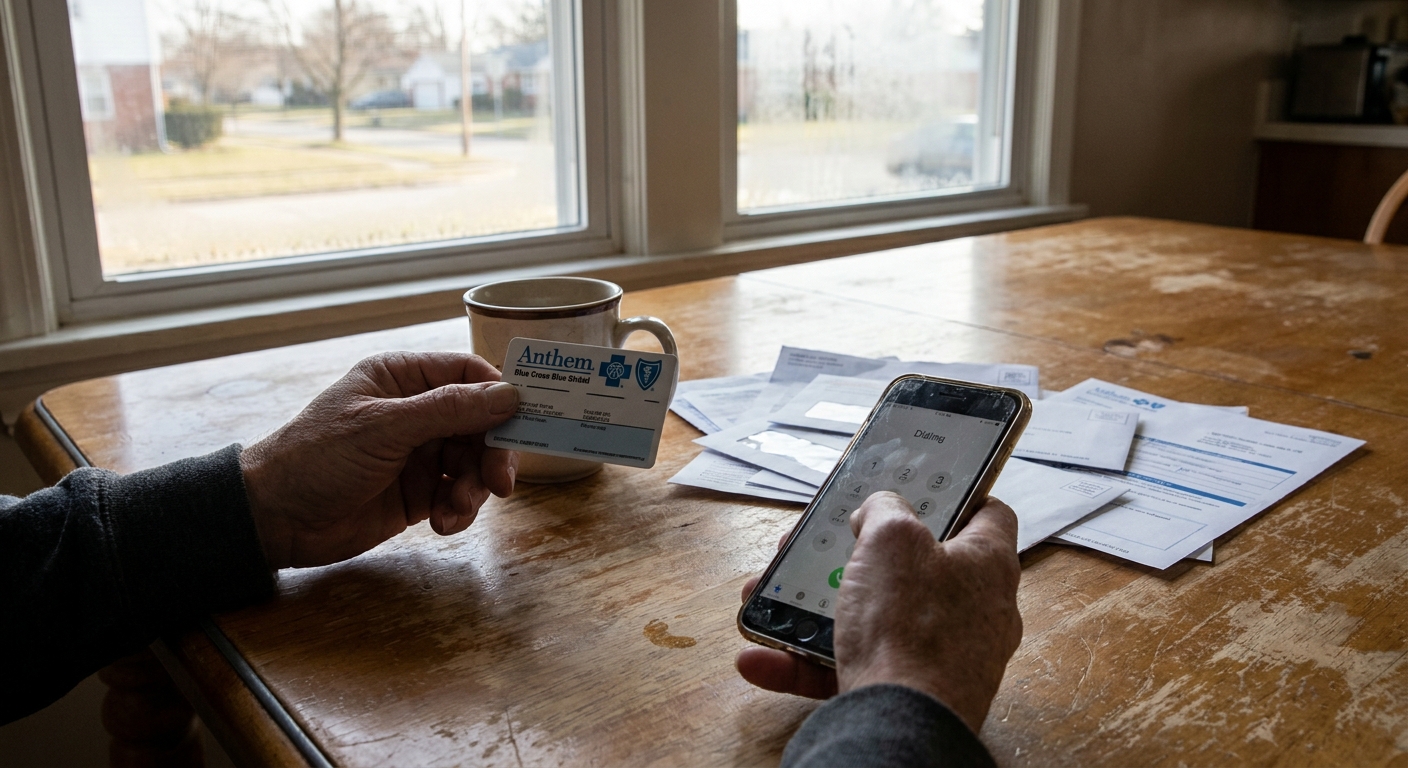
Have your insurance card ready, including the member ID and group number. Know the name of your plan and whether it is Medicaid, a commercial plan, or Tricare. Be prepared to describe the substance or substances being used, roughly how long the use has been occurring, and whether there is any history of prior treatment or mental health diagnoses. You do not need to have everything perfectly organized. The admissions team will guide you through the rest.
Does ohio medicaid cover addiction treatment in youngstown?
Yes. Ohio Medicaid covers substance use disorder treatment including detox, residential, PHP, IOP, and outpatient services through its managed-care plans: CareSource, Buckeye Health Plan, Molina Healthcare, Anthem, Aetna, AmeriHealth Caritas, and Humana. Coverage specifics vary by plan and by the facility’s network status. Call the treatment center’s admissions team with your Medicaid ID and ask them to verify coverage before your first appointment.
What is the difference between detox and addiction treatment?
Detox, or medical detoxification, addresses the acute physical process of substances leaving the body under medical supervision. It manages withdrawal symptoms and reduces the risk of dangerous complications. Detox is not treatment. It does not address the behavioral, psychological, or social dimensions of addiction, which is why relapse rates for people who complete detox without entering a subsequent treatment program are extremely high. Treatment begins after detox and includes therapy, medication management, peer support, and aftercare planning.
How long does addiction treatment typically take?
There is no universal answer, but SAMHSA’s research consistently shows that treatment episodes of 90 days or longer produce significantly better long-term outcomes than shorter programs. The initial level of care, whether residential, PHP, or IOP, is determined by clinical assessment. What matters most is not the total duration of the first program but the quality of the transition into aftercare and the structure of ongoing support at 30, 60, and 90 days post-discharge.
What if the person i’m concerned about refuses to go to treatment?
You cannot force an adult into treatment, but you can take concrete steps. Document the behavioral and physical signs you’ve observed. Have one conversation using open, concern-based language rather than ultimatums. Contact a treatment center’s admissions team yourself to ask how families can support an unwilling person, since many facilities offer family counseling and guidance independent of whether the person in question is ready to engage. SAMHSA’s National Helpline (1-800-662-4357) also provides guidance specifically for families navigating this situation.