Most people searching for drug and alcohol rehab focus on location and cost. The research shows those factors matter far less than one thing: whether the program matches the specific severity, environment, and needs of the person walking in the door.
What the research says about treatment outcomes
A 2020 SAMHSA national survey of 49,000 adults found that fewer than 1 in 10 people with a substance use disorder received specialty treatment in the prior year. The gap isn’t primarily a willingness problem. It’s a fit problem. People enter programs that don’t match their clinical needs, drop out, and conclude that treatment doesn’t work for them.
The National Institute on Drug Abuse has been consistent on this point for over two decades: addiction is a chronic, treatable condition, and outcomes improve substantially when treatment is matched to individual need rather than availability or convenience. What this means in practice is that the right program for someone with a severe opioid use disorder and an unstable home life looks nothing like the right program for someone managing alcohol use while maintaining steady employment and family support. The fit between patient and program is the variable that moves outcomes most.
The core types of rehab programs
SAMHSA organizes substance use treatment into a continuum that starts with medically managed detoxification and moves through residential care, partial hospitalization, intensive outpatient, and standard outpatient. According to SAMHSA’s 2022 Treatment Episode Data Set, roughly 30% of admissions were to residential or inpatient settings, while the majority entered outpatient care. That distribution reflects the reality that most people don’t need 24-hour supervision, but the ones who do and skip it have significantly worse outcomes.
The level of care should match two things: the severity of use and the safety of the home environment. Convenience, insurance preference, and proximity to family are real considerations, but they’re secondary inputs. Choosing a lower level of care because it’s easier to access, when the clinical picture calls for something more intensive, is one of the most common reasons people relapse early.
Inpatient vs. outpatient: how to know which level you need
A 2018 study published in the Journal of Substance Abuse Treatment examined placement decisions across 1,200 admissions and found that clinically guided placement, using standardized tools like the ASAM criteria, significantly reduced 90-day readmission rates compared to patient-selected level of care.
The plain-language version: inpatient removes you from the environment driving use. If the people, places, or stressors connected to your substance use are in your home or immediate surroundings, putting physical distance between you and those triggers is itself therapeutic. Outpatient works when home life is stable and the people around you actively support recovery. The honest assessment of your home environment, before you choose a level of care, is the single most important decision you’ll make in this process.
What a continuum of care looks like in practice
A 2019 study in Drug and Alcohol Dependence followed 600 patients through step-down care (residential to outpatient) versus single-level treatment. At 12 months, those who completed a step-down sequence had relapse rates 40% lower than those who stopped after one level.
Effective treatment doesn’t end when the most intensive phase concludes. It transitions. The sequence, from detox through residential, then partial hospitalization, then intensive outpatient, then standard outpatient, keeps structure in place while gradually returning autonomy. When evaluating any program, ask directly how they manage the handoff when residential care ends. A vague answer is a red flag.
How to evaluate the clinical quality of a program
A 2021 study in Psychiatric Services analyzed 800 treatment programs and found that accredited programs, those holding Joint Commission or CARF certification, produced measurably better 6-month sobriety outcomes than non-accredited facilities. Accreditation means an independent body has reviewed staffing, clinical protocols, and safety standards against established benchmarks.
Beyond accreditation, look for licensed clinical staff (licensed counselors, social workers, and psychiatrists, not just peer support alone), individualized treatment planning rather than one-size programming, and evidence-based modalities like cognitive behavioral therapy. The action here is simple: before the first intake call ends, ask for the program’s accrediting body by name. A quality program answers that question without hesitation.
Medication-assisted treatment (MAT): what the evidence shows
A landmark study published in the New England Journal of Medicine in 2016 followed 1,269 patients with opioid use disorder. Those receiving buprenorphine-naloxone retained in treatment at nearly twice the rate of those receiving placebo, and overdose events were significantly reduced. SAMHSA’s own guidance, updated in 2023, identifies MAT as the gold-standard approach for opioid and alcohol use disorder.
The misconception that MAT replaces one drug with another persists, but it’s not supported by the pharmacology. FDA-approved medications like buprenorphine, naltrexone, and acamprosate work by stabilizing brain chemistry, reducing cravings, and blocking euphoric effects, not by creating a new dependency. When calling a program, ask specifically which MAT medications they prescribe and whether a physician manages that component of care.
Co-occurring mental health conditions: why dual diagnosis matters
A 2020 report from the Substance Abuse and Mental Health Services Administration estimated that 9.5 million American adults experienced both a mental health disorder and a substance use disorder simultaneously. Anxiety, depression, PTSD, and bipolar disorder are the most common companions to addiction, and treating the substance use without addressing the underlying condition is one of the primary drivers of relapse.
If you’re seeking local treatment options in the Toledo area or anywhere in Ohio, confirm before enrolling that the program employs licensed mental health clinicians, not only addiction counselors. A dual diagnosis program conducts a psychiatric evaluation at intake and integrates mental health treatment into the same care plan as addiction treatment. These are not the same as programs that refer out to a separate therapist and call it integrated care.
Insurance coverage and cost: how to navigate it without guessing
SAMHSA’s 2022 National Survey on Drug Use and Health identified cost and insurance barriers as the most commonly cited reason people who needed treatment did not receive it. The Affordable Care Act’s mental health parity provision legally requires most insurers to cover substance use treatment at the same level as medical or surgical care, but navigating what that means for a specific plan requires a direct conversation with the program’s intake team.
Ohio Medicaid managed-care plans, including CareSource, Buckeye, Molina, Anthem, Aetna, AmeriHealth Caritas, and Humana, cover substance use treatment across multiple levels of care for eligible members. Commercial plans like Aetna, Anthem BCBS, Cigna, and Optum, as well as Tricare for military families, also cover varying levels of rehab depending on medical necessity criteria. The action: call the program’s intake line and ask them to verify your benefits before you commit to anything. Any reputable program does this routinely and at no cost to you.
What ohio medicaid covers for rehab
Ohio Medicaid covers detoxification, residential treatment, partial hospitalization, intensive outpatient, and standard outpatient services for eligible members, though coverage specifics vary by managed-care plan. Prior authorization is required for residential and inpatient levels of care under most Ohio managed-care plans, meaning the program must submit clinical documentation before admission is approved.
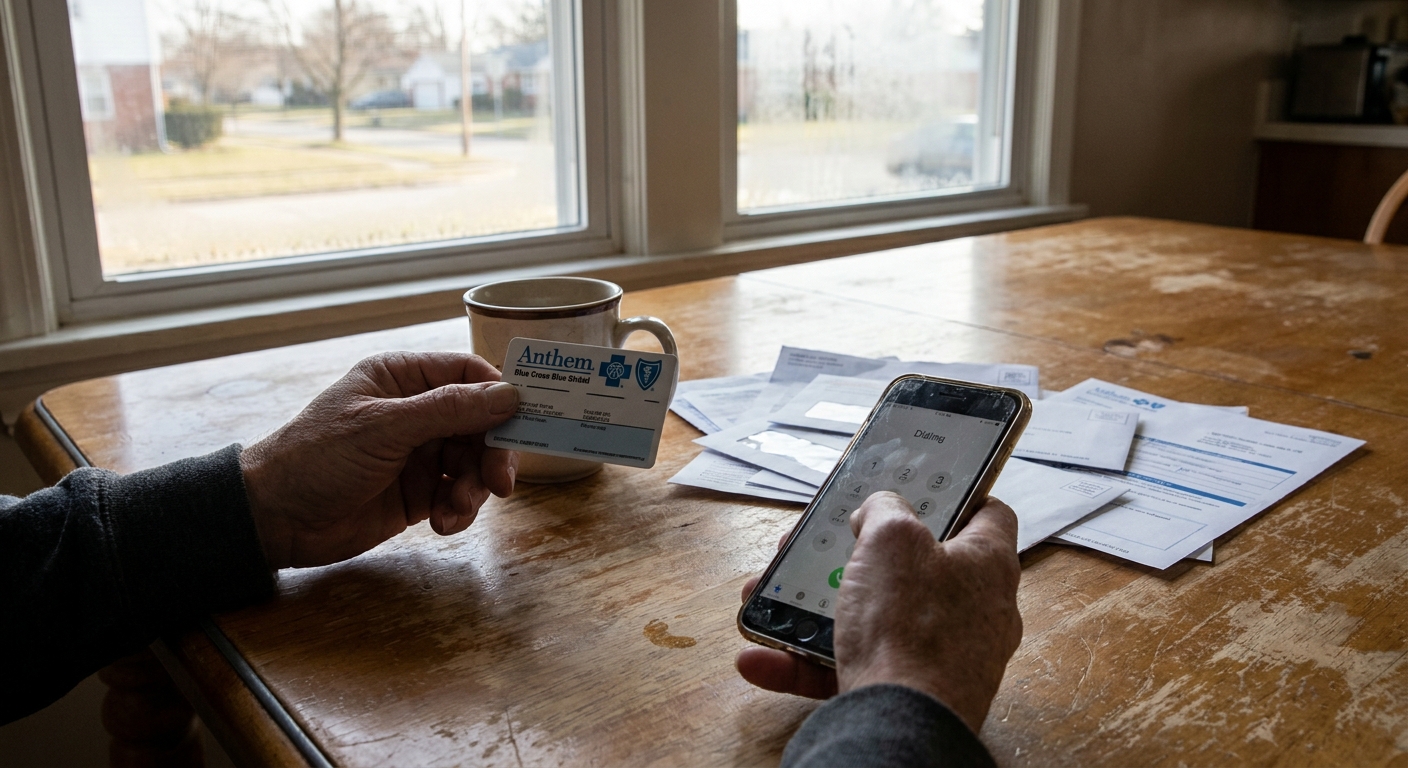
According to the Ohio Department of Medicaid, managed-care plan members should confirm in-network status before admission to avoid unexpected costs. When calling any program, have your Medicaid card and plan name ready. That information allows the intake coordinator to verify your benefits in real time and confirm whether prior authorization has been or will be initiated.
Questions to ask before you commit to a program
A 2017 study in the Journal of Substance Abuse Treatment examined treatment dropout across 2,400 admissions. Program fit factors, including staff responsiveness, perceived individualization of care, and family involvement, predicted early dropout more reliably than demographic variables.
Before the first intake call, write down three things that are non-negotiable for you. Common ones include whether the program offers MAT, whether family can participate in the treatment process, and what aftercare planning looks like at discharge. Also ask about staff-to-client ratios (lower is better), the average program length, and how the program handles medical emergencies. If you’re looking at options specific to Lucas County or the surrounding region, those same questions apply regardless of geography.
Red flags that signal a poor fit
The Federal Trade Commission and SAMHSA have both issued guidance on predatory rehab practices, including “patient brokering,” where referral fees are paid for admissions regardless of clinical appropriateness. A 2019 FTC report found that deceptive marketing in the rehab industry disproportionately targeted people in acute crisis.
Specific warning signs to watch for: any program that guarantees sobriety, programs that cannot name their accrediting body when asked, facilities where an intake coordinator pressures you to commit before a clinical assessment is completed, and any program with no formal aftercare or discharge planning. If the intake call feels like a sales call, it probably is. End it. Reputable programs conduct clinical screenings before making level-of-care recommendations.
Location, family, and environment: why geography is a clinical decision
A 2007 Betty Ford Institute Consensus Panel report, cited extensively in subsequent addiction literature, identified social support as one of the strongest predictors of sustained recovery at 12 months. That finding has been replicated in multiple studies since, including a 2018 analysis in the Journal of Substance Abuse Treatment that followed 900 adults over two years.
The practical implication: geography isn’t just a logistics question. Staying close to a strong support network in Northwest Ohio or the Mahoning County area can be a clinical asset. But if the people and places closest to you are connected to active use, distance becomes protective. Map the people in your life before choosing a location: those who support recovery on one side, those who enable use on the other. That map should carry real weight in the decision. If you’re weighing programs in the Youngstown and Mahoning County area, the local program landscape in Mahoning County includes options across the full continuum.
What to try this week
Identify one program that appears to match your level of need. Call the intake line. Ask two questions: “Are you accredited by CARF or the Joint Commission?” and “Do you accept my insurance?” Those two questions tell you more about a program’s quality and fit than any website description. You don’t need to have everything figured out before that call. The intake conversation exists precisely to help you assess fit, and a good program treats that call as a clinical conversation, not a sales pitch.
Frequently asked questions
How long does drug and alcohol rehab typically last?
Program length varies by level of care and clinical need. Detox typically runs 5 to 10 days. Residential programs commonly run 28 to 90 days. Partial hospitalization and intensive outpatient programs generally span 6 to 12 weeks. Research consistently shows that longer engagement, especially with step-down aftercare, produces better long-term outcomes than short-term treatment alone.
Can you go to rehab if you have a job or family obligations?
Yes. Outpatient levels of care, including intensive outpatient programs that meet three to five days per week for several hours per session, are specifically designed for people who cannot step away from work or family. The clinical question is whether your home environment is stable and supportive enough for outpatient treatment to be effective.
What happens if someone relapses after completing a program?
Relapse is a recognized part of the chronic disease model of addiction, not a sign that treatment failed. NIDA’s framework treats relapse as a signal to reassess the treatment plan and step up the level of care if needed, not to start over from zero. A quality program builds relapse response protocols into the discharge and aftercare plan.
Does ohio medicaid pay for residential rehab?
Ohio Medicaid covers residential treatment for eligible members, though prior authorization from the managed-care plan is required. The treatment program’s admissions team initiates this process using clinical documentation. Confirming your specific managed-care plan and its in-network providers before admission prevents coverage gaps.
What is the difference between a dual diagnosis program and a standard rehab?
A standard rehab program focuses primarily on substance use. A dual diagnosis program, also called a co-occurring disorders program, integrates psychiatric evaluation and mental health treatment into the same plan as addiction treatment. For anyone with a history of anxiety, depression, PTSD, or other mental health conditions, dual diagnosis care is the appropriate level of service.
Is medication-assisted treatment available in ohio?
Yes. MAT using FDA-approved medications such as buprenorphine, naltrexone, and acamprosate is available through licensed programs across Ohio, including in the Toledo and Youngstown areas. Ohio has expanded MAT access significantly over the past decade in response to the opioid crisis. When calling a program, ask specifically whether MAT is offered and whether it is managed by a physician on staff.