

It doesn’t always hit all at once.
Sometimes it’s a slow realization. Other times it’s a single sentence that changes how you see yourself.
And then there’s that quiet pause afterward—
where everything feels a little unclear.
You might be thinking:
“Do I have to change everything now?”
“Will I still feel like me?”
“What if I try this… and it changes something I can’t get back?”
If you’re here, feeling unsure or even a little scared of what comes next, that makes sense.
This is new. And new things deserve a slower, more careful kind of support.
That first stretch where nothing feels settled yet
There’s a version of this moment that people don’t talk about enough.
It’s not dramatic. It’s not loud.
It’s sitting with information that you don’t fully know how to carry yet.
You might go back to your routine—work, home, conversations—but something feels slightly off. Like you’re seeing your own life from a different angle.
Even small decisions can feel heavier.
Should you tell people?
Should you try what’s been recommended?
Should you just wait and see?
This stage can feel like standing on shifting ground.
And what most people need here isn’t pressure—it’s something steady.
The fear that support might change who you are
This is one of the most important fears to say out loud.
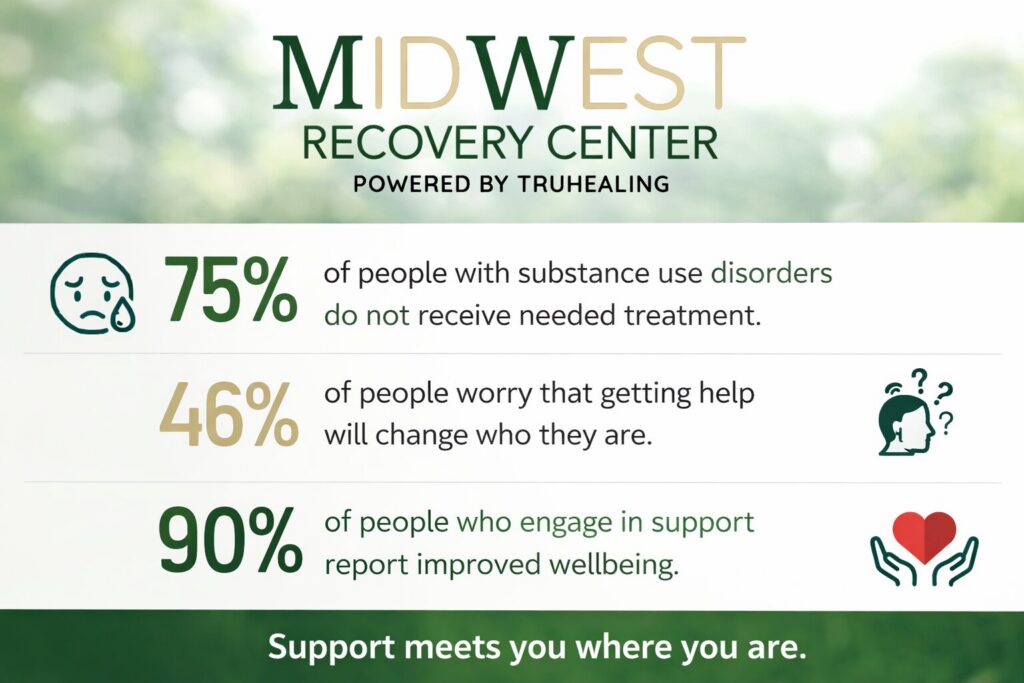
A lot of people worry that accepting help—especially structured support or medication—means losing something essential about themselves.
Your personality.
Your creativity.
Your edge.
Your identity.
It can feel like a trade-off: stability in exchange for who you are.
But that’s not the goal.
The goal is to reduce the noise so you can actually hear yourself again.
Because right now, what feels like “you” might actually be stress, overwhelm, or something else taking up too much space.
Support isn’t about replacing you.
It’s about making room for you.
What it feels like to have a place to land
Imagine this—not as a commitment, just as a possibility:
You wake up, and your day has a shape to it.
You don’t have to decide everything from scratch.
You’re not alone with your thoughts all day.
There are people around who understand that you’re still figuring things out.
There’s no expectation that you’ve “accepted everything.”
No pressure to be a certain way.
Just consistency.
If you want to get a sense of what that kind of environment looks like, you can explore our supportive recovery housing options and how we help people find stability without forcing change.
The quiet power of routine (even if you’ve resisted it before)
Routine can feel like a loaded word.
For some people, it sounds restrictive. Predictable. Even boring.
But when everything inside feels uncertain, routine becomes something else entirely.
It becomes:
- A way to reduce decision fatigue
- A way to create small moments of predictability
- A way to gently rebuild trust in your own rhythm
You don’t have to overhaul your life.
It starts smaller than that.
Waking up at the same time.
Knowing where you’ll be in the afternoon.
Ending the day without feeling like it slipped away.
These aren’t big changes. But they create something bigger: steadiness.
The moments where things start to feel… different
Progress doesn’t usually feel like progress.
It feels like subtle shifts:
You realize you made it through a day without overthinking every decision.
You notice your thoughts aren’t as loud as they were last week.
You have a conversation where you feel present instead of pulled in ten directions.
At first, you might not even trust it.
You might think: “Is this real? Or is it temporary?”
That’s normal.
But those moments start to stack.
And over time, they become something you can rely on.
You’re allowed to take this slowly
There’s often an unspoken pressure to “figure it out.”
To commit. To decide. To get it right.
But this isn’t a test.
You don’t have to:
- Have full confidence before starting
- Agree with everything immediately
- Know exactly what your long-term plan is
You’re allowed to explore.
You’re allowed to ask questions.
You’re allowed to try something and adjust.
Support should meet you where you are—not rush you past it.
When your environment starts to support you back
There’s a difference between trying to manage everything internally and having your environment help hold some of that weight.
The right environment doesn’t just expect you to be okay.
It helps you become okay.
You’re not constantly starting from zero each day.
You’re building on something that was there yesterday.
If you’re looking for support in Youngstown or nearby, having that kind of consistent space can make the difference between surviving your days and actually feeling grounded in them.
The version of you that doesn’t disappear
This is the part people need to hear more often.
You are not something that needs to be fixed or replaced.
Even if things feel overwhelming right now—even if parts of your experience feel unfamiliar—you are still you.
What changes is not your identity.
What changes is how much access you have to it.
Support, structure, and steady care don’t erase you.
They help you reconnect with yourself without all the noise in the way.
A different way to think about “getting better”
“Getting better” can feel like a big, intimidating idea.
Like you’re supposed to arrive somewhere completely different.
But what if it’s smaller than that?
What if it’s just:
- Feeling a little more stable today than yesterday
- Having one less overwhelming moment
- Trusting yourself slightly more than you did last week
That’s still progress.
And it’s the kind that lasts.
FAQ: What People Quietly Wonder at This Stage
Do I have to be fully ready to accept help before starting?
No. Most people aren’t 100% sure when they begin. It’s okay to feel hesitant. Support is designed to meet you in that uncertainty—not require certainty first.
What if I’m scared of losing parts of my personality?
That fear is valid—and very common. The goal of support isn’t to take anything away from you. It’s to reduce what’s overwhelming you so more of your natural personality can come through.
Will I be forced into decisions I’m not ready for?
No. You should feel guided, not pushed. You’re allowed to ask questions, take your time, and move at a pace that feels manageable.
What if I start something and realize it’s not right for me?
That’s part of the process. Learning what works—and what doesn’t—is valuable. You’re allowed to adjust your path as you go.
How long does it take to feel more stable?
It’s different for everyone. Some people notice small shifts within days. For others, it takes longer. What matters is consistency—not speed.
Will I have support outside of structured time?
Yes. One of the biggest benefits of a supportive environment is that you’re not alone between moments of care. There’s continuity, not just isolated help.
Ready to Take a Step—Without Rushing Yourself?
You don’t need to have everything figured out.
You don’t need to feel certain.
You just need a place where you can start without pressure.
Call (888) 657-0858 or visit our supportive recovery housing options to learn more about our programs, community housing program services in Toledo, Ohio.
We’re here to meet you gently—at your pace, not ours.