I never thought I’d be the one looking up “opioid addiction treatment.” Not me. Not someone who held down a job, paid rent on time, and made it to every family gathering with a smile plastered on.
But somewhere between the surgeries, the stress, the late-night refills, and the quiet fear that maybe I couldn’t not use—there it was.
The diagnosis didn’t hit like a car crash. It landed more like a slow collapse. A label that terrified me even though I already knew it was true.
The part no one told me? That accepting help wouldn’t make me weaker—it would give me back a life I’d almost forgotten I wanted.
Here’s what opioid addiction treatment actually looked like for me—and how it helped me rebuild from the inside out.
The First Thing I Had to Let Go Of: Shame
It wasn’t the diagnosis that scared me most. It was the shame that wrapped around it.
I thought:
- “I should’ve known better.”
- “I don’t look like someone with a ‘problem.’”
- “This is going to change how everyone sees me.”
What I didn’t know? Shame thrives in isolation. But the moment I walked into Midwest Recovery Center in Toledo, Ohio, and sat across from a provider who didn’t flinch when I said what I’d been using… that shame started to shrink.
Medication Didn’t “Replace” My Addiction—It Calmed the Storm
The phrase “Medication-Assisted Treatment” (MAT) used to make me uneasy. I thought it meant I’d be dependent forever. That I was just trading one thing for another.
But the truth was way more human than that.
The medication didn’t erase the cravings. It made them manageable. It didn’t cure the pain. But it lowered the volume—so I could think, breathe, and start healing.
I could show up to therapy not shaking. I could eat again. Sleep without nightmares. Answer a text without pretending I was fine.
And for the first time in a long time, I didn’t feel like I was losing every fight before it started.
Treatment Gave Me Structure—When I Had None
When I was using, my days blurred together. Morning and night had no meaning. Weekends were just time I had to survive without a refill.
In treatment, I got something I hadn’t had in years: rhythm.
Not just routine for the sake of it—but grounding structure:
- A therapist who remembered my dog’s name
- Medication times that steadied my body clock
- Check-ins that kept me honest
- Group sessions where I didn’t have to explain everything from scratch
Even when I wanted to quit, that rhythm kept me moving. One foot in front of the other.

Group Therapy Wasn’t as Awful as I Thought
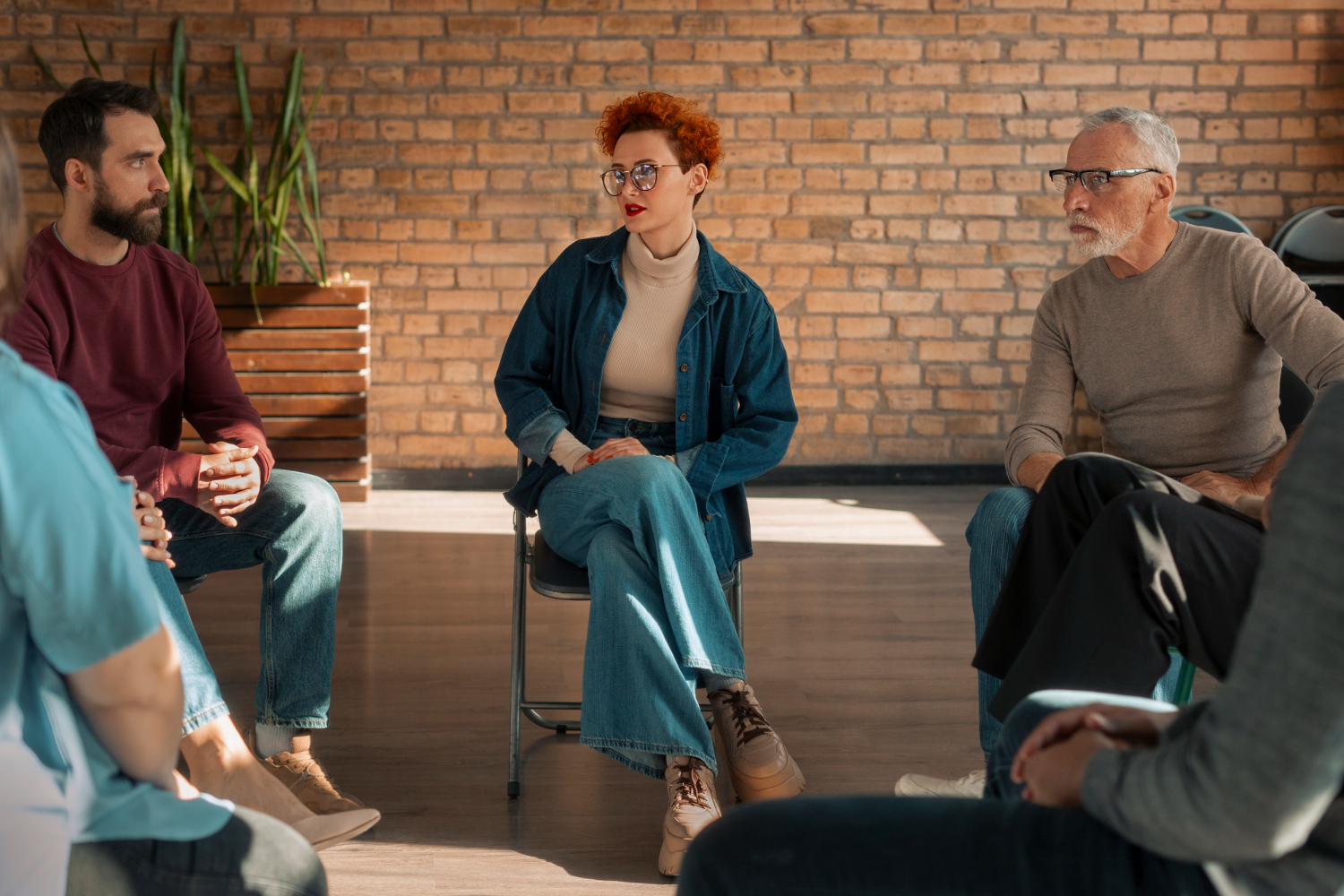
I’ll be honest—I thought group therapy would be awkward at best and emotionally unsafe at worst. I had no interest in sitting in a circle talking about feelings with strangers.
But there’s something strangely powerful about hearing your own story come out of someone else’s mouth.
In those rooms, I learned that:
- People from every walk of life get stuck
- Struggle doesn’t care what car you drive or what title you hold
- Empathy isn’t weakness—it’s what holds you together when your own strength runs out
Some of my most honest healing happened in group—not because everyone was perfect, but because they weren’t.
I Had to Mourn the Life I Thought I’d Be Living
Recovery isn’t just about staying clean. It’s about grief, too.
I had to mourn:
- The version of me that thought they’d never “need help”
- The relationships that couldn’t survive the damage
- The years I lost numbing instead of living
But in mourning that life, I found something new. I found that I could be someone I actually respected. Not perfect. Not magically healed. But real.
And that was worth every painful goodbye.
I Started Wanting Things Again—And That Scared Me
Somewhere around month two, I noticed something strange. I started wanting things.
I wanted to eat real meals. To walk outside without checking if I had something on me “just in case.” To text people back. To play guitar again. To laugh without being high.
Want is vulnerable. When you’re deep in addiction, wanting is dangerous—it hurts too much. But in recovery, it became my north star.
The more I wanted, the more I reached. The more I reached, the more alive I felt.
It Took Time, but Eventually I Stopped Apologizing for Healing
I used to start every sentence with “Sorry”:
- “Sorry I relapsed last week.”
- “Sorry I missed group.”
- “Sorry I needed more time.”
But treatment taught me that healing isn’t linear. I didn’t need to apologize for doing it imperfectly. I just needed to stay in the game.
Over time, my language changed:
- “Thanks for holding space while I figured it out.”
- “I’m proud of how I handled that.”
- “This was a hard week—but I’m still here.”
Recovery gave me back my voice—and taught me how to use it.
FAQs I Wish Someone Answered When I Was First Diagnosed
Is medication just replacing one addiction with another?
No. Medication used in opioid addiction treatment—like Suboxone or Methadone—is medically supervised and designed to stabilize, not intoxicate. It helps restore brain chemistry and gives your body a fighting chance.
Will I be on medication forever?
Not necessarily. Some people taper off. Some stay on long-term. You and your provider will decide what’s safest and most effective for your goals.
What if I relapse?
Relapse doesn’t erase progress. It’s a part of many people’s recovery journey. If it happens, you don’t have to start from zero. You start from experience.
Do I have to tell my job or family I’m in treatment?
No, unless you choose to. Treatment is confidential. Many people attend while working or caring for family, especially in outpatient programs.
Can I do this if I don’t live in Toledo?
Yes. Midwest Recovery Center supports people across the region, including Maumee, Perrysburg, and Oregon, Ohio.
What if I’m scared to ask for help?
That’s okay. Fear means you care about what happens next. You don’t have to be fearless to get help—you just have to be willing to reach.
I Thought Recovery Meant Giving Things Up—But It Gave Me Back More Than I Expected
I didn’t lose myself in recovery. I found the parts of me that were buried.
I found my sense of humor again. My creativity. My curiosity. I reconnected with my body, my family, my goals. I built a life I don’t need to numb myself to survive.
If you’re newly diagnosed, scared to ask questions, unsure whether treatment will work—you’re not alone.
I was you.
And now, I’m standing on the other side of that fear, telling you it’s possible.
Call (888) 657-0858 or visit Opioid Addiction Treatment Program in Ohio to talk with someone who gets it. You don’t need to be ready for everything. Just ready for this step.